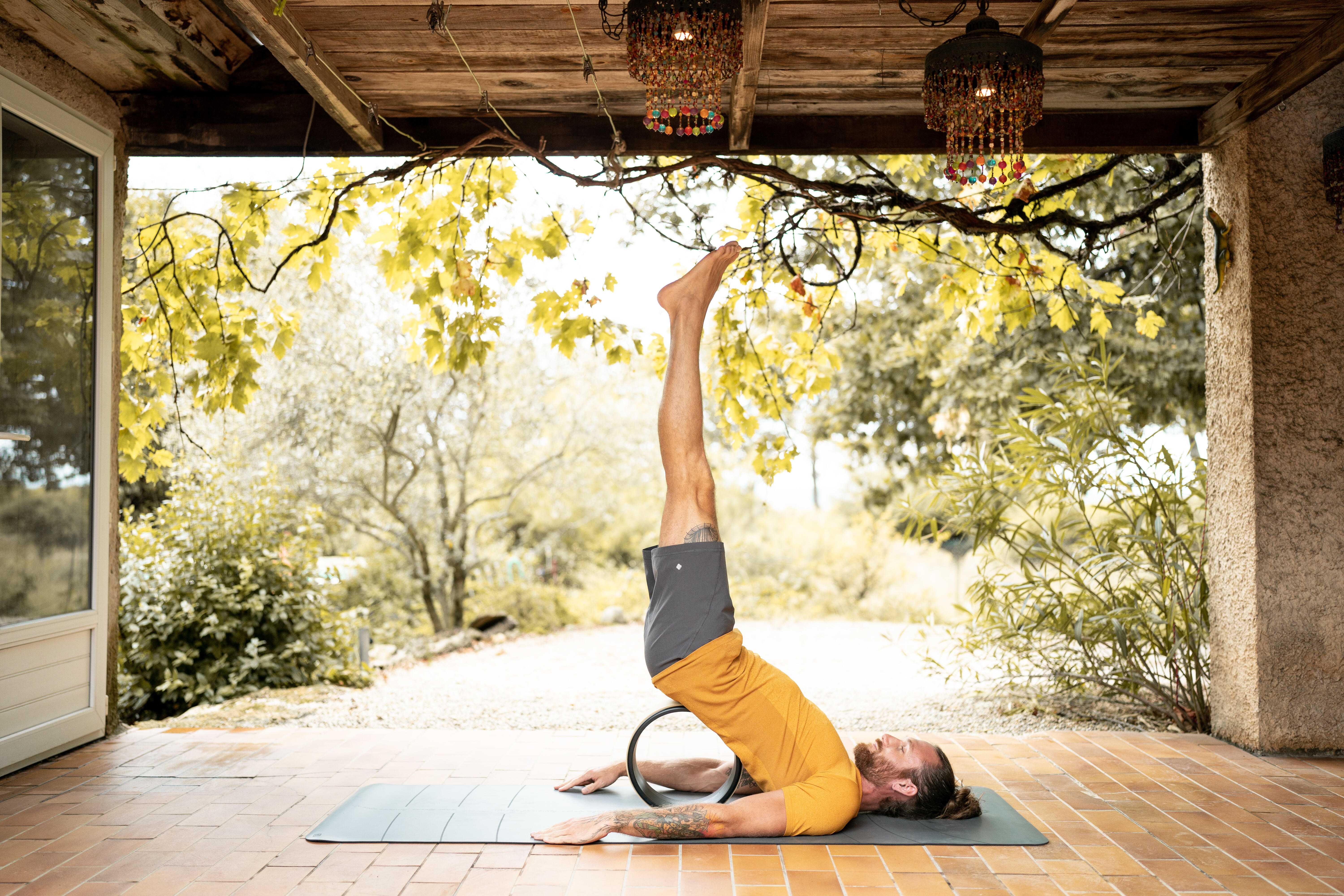
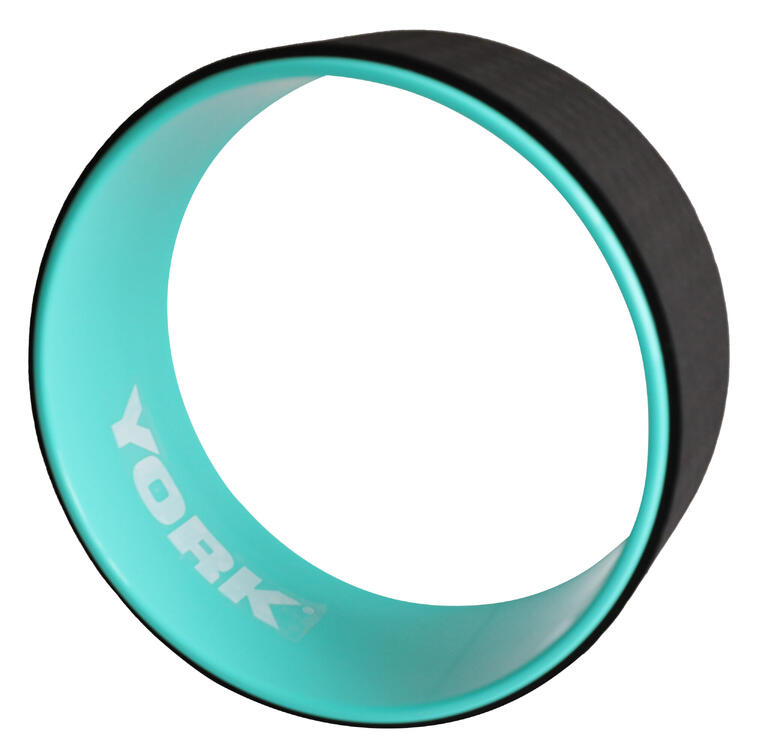
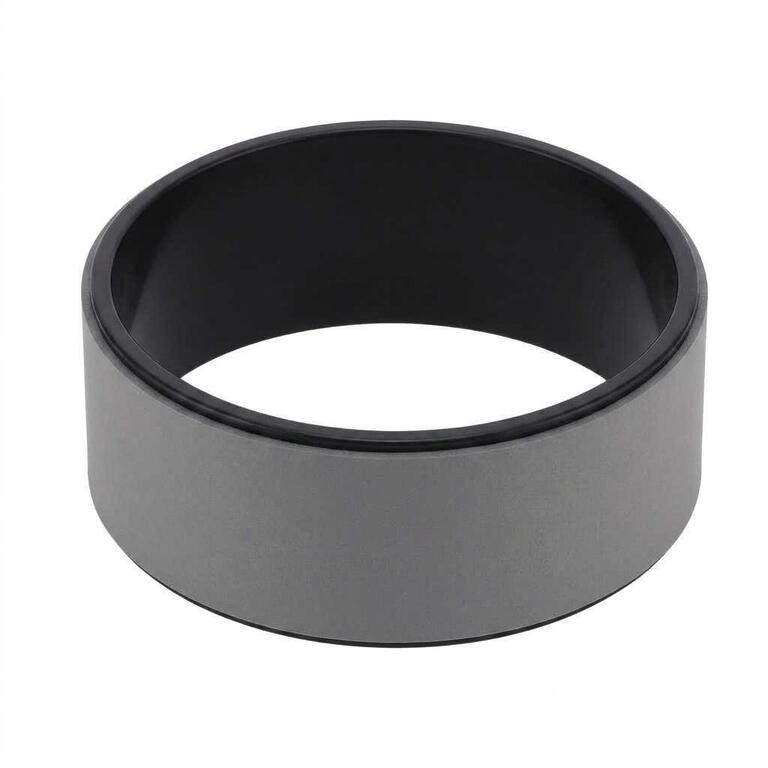
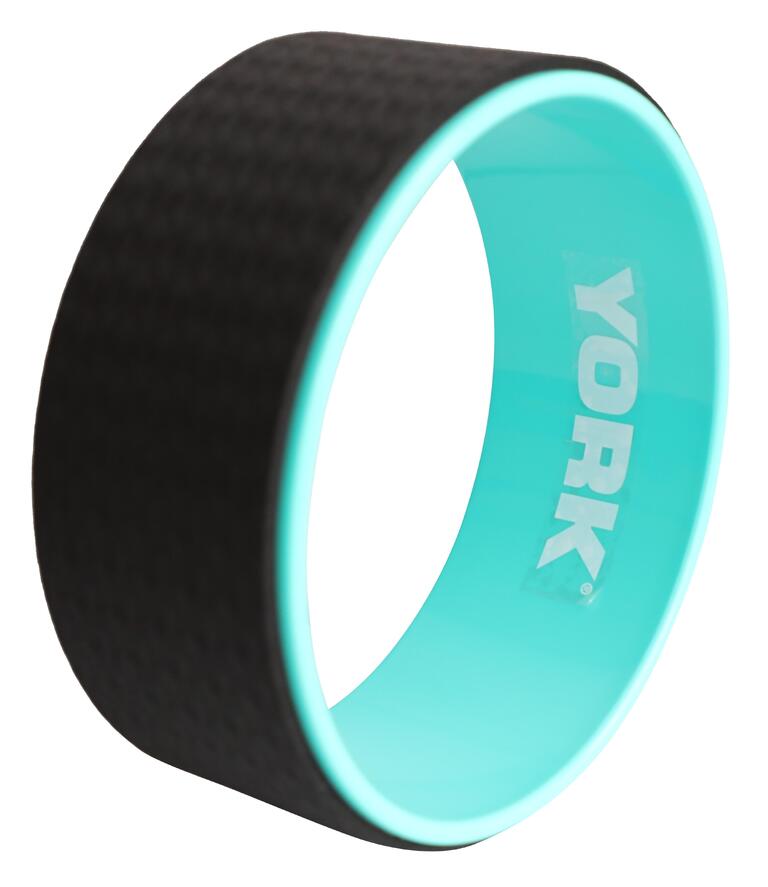
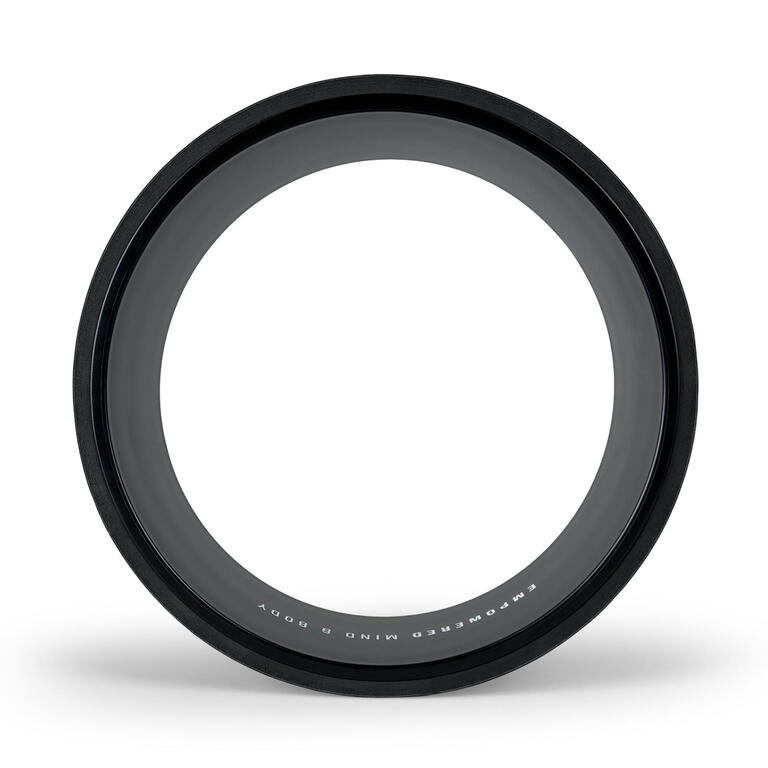
Stretch, open up and add a new dimension to your practice with a yoga wheel. Its curved shape supports your body through backbends, mobility work and balance challenges, bringing a different feel to familiar movements. Use it to develop flexibility, work on control or gradually build towards more challenging positions
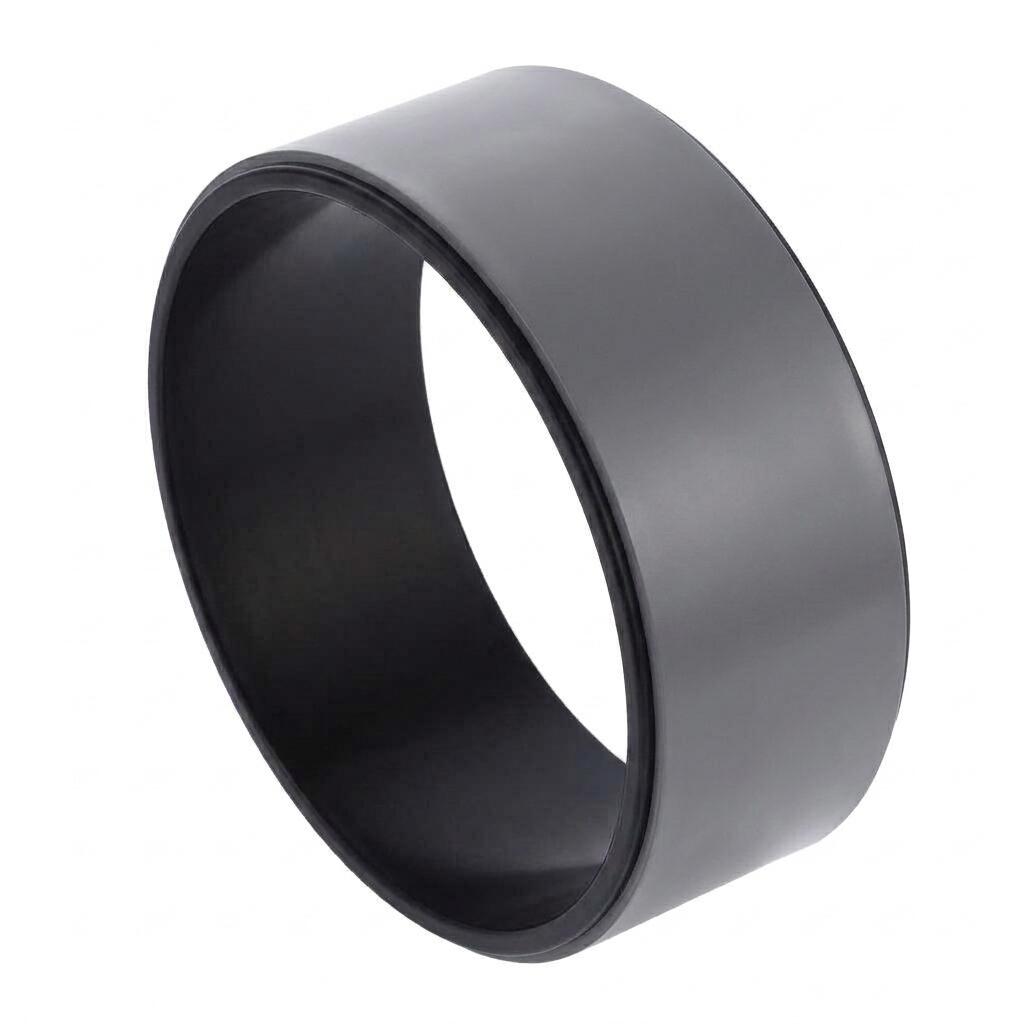
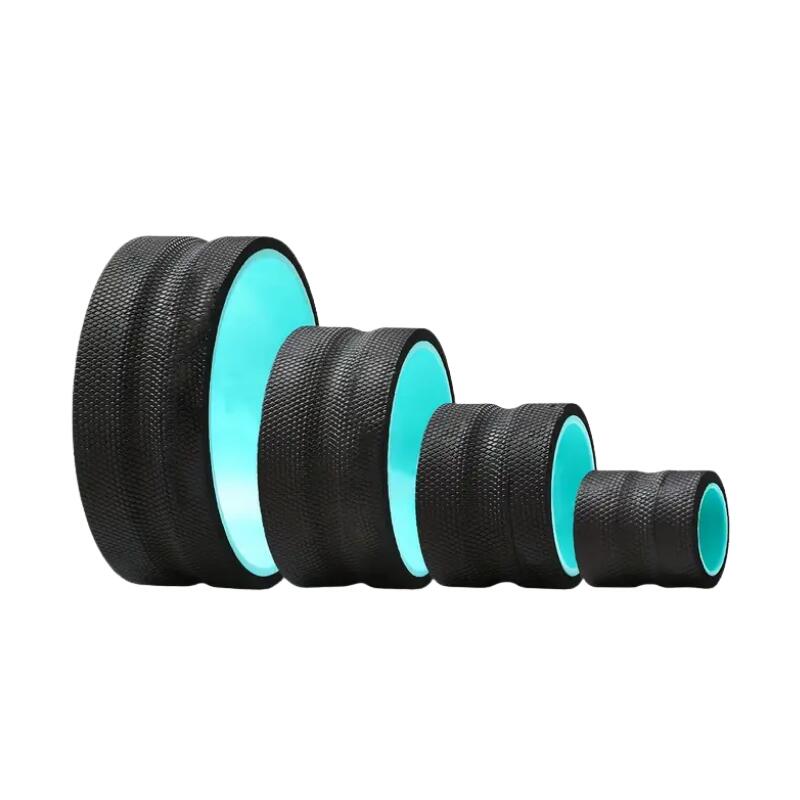
The diameter and width of a yoga wheel change the way your body interacts with it. Diameter determines the height and curve beneath you during backbends and stretches, while width affects the amount of surface supporting your back, hands or feet. Check the complete dimensions alongside the stretches and exercises you plan to practise rather than assuming all yoga wheels will feel alike.
Sturdiness and Weight Capacity
A yoga wheel needs to remain stable as you lean or place body weight against it. Look for a rigid construction that doesn't flex excessively, and always check the manufacturer's stated maximum user weight before buying. This is particularly important for supported backbends, balances and other movements where you're relying on the wheel to support your body.
Grip
A textured or non-slip outer surface can help you maintain secure contact with the wheel as you stretch, roll or balance. Good grip is particularly useful when placing your hands or feet directly on the wheel, where unwanted movement can make maintaining control more difficult.
Padding
Look at the material covering the outside of the wheel and how much cushioning it provides. Adequate padding can make contact more comfortable against your back, hands and feet during stretches or longer holds, while still giving you a firm enough surface to feel stable and controlled.
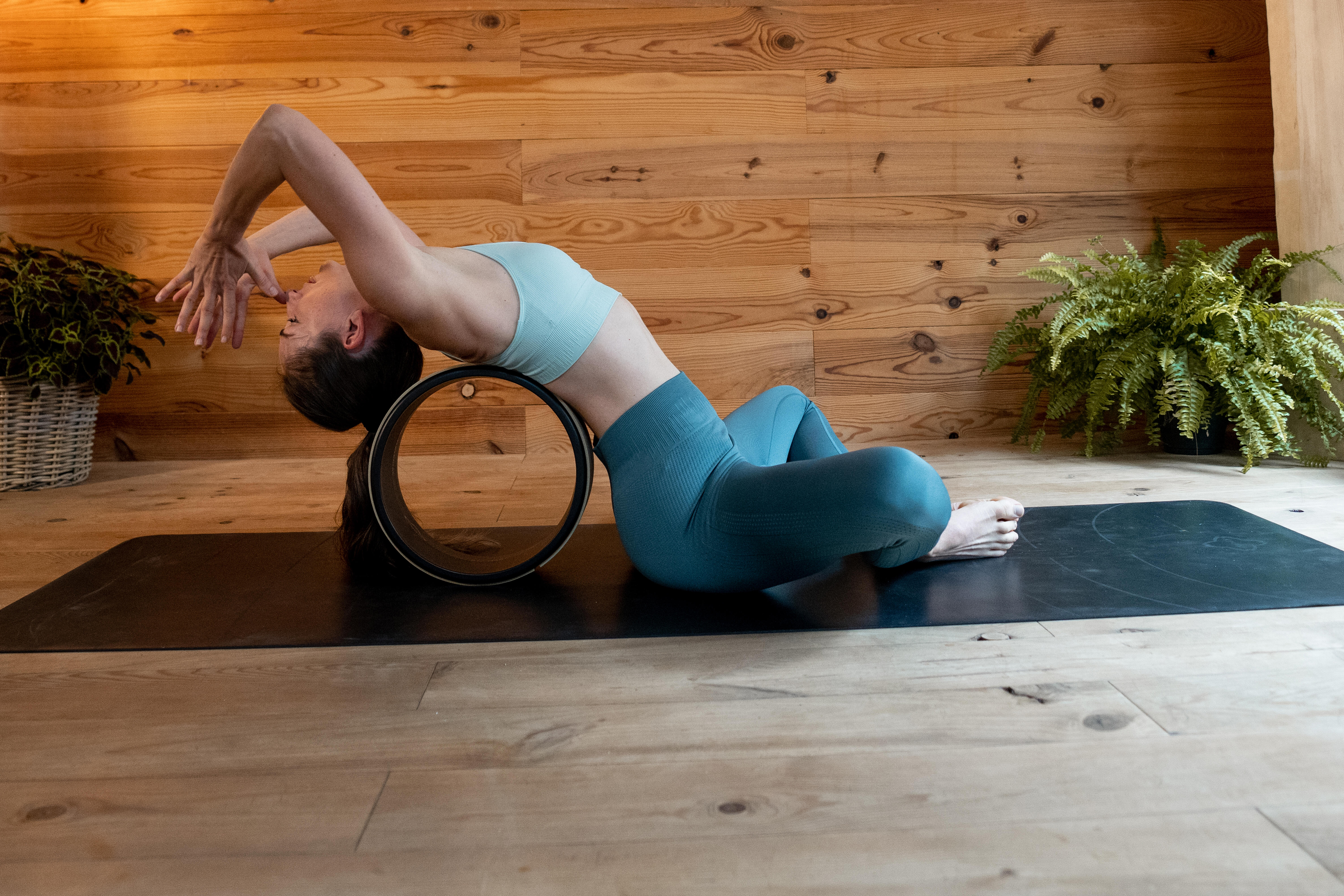
Beginners exploring backbends. If deeper backbends still feel out of reach, a yoga wheel gives your spine a curved surface to work against. It supports gradual chest, shoulder and back opening as you build confidence.
Practitioners developing mobility. A yoga wheel offers another way to open the chest, shoulders and back beyond traditional floor stretches. Its curved shape follows the body, making it useful for controlled mobility work throughout your practice.
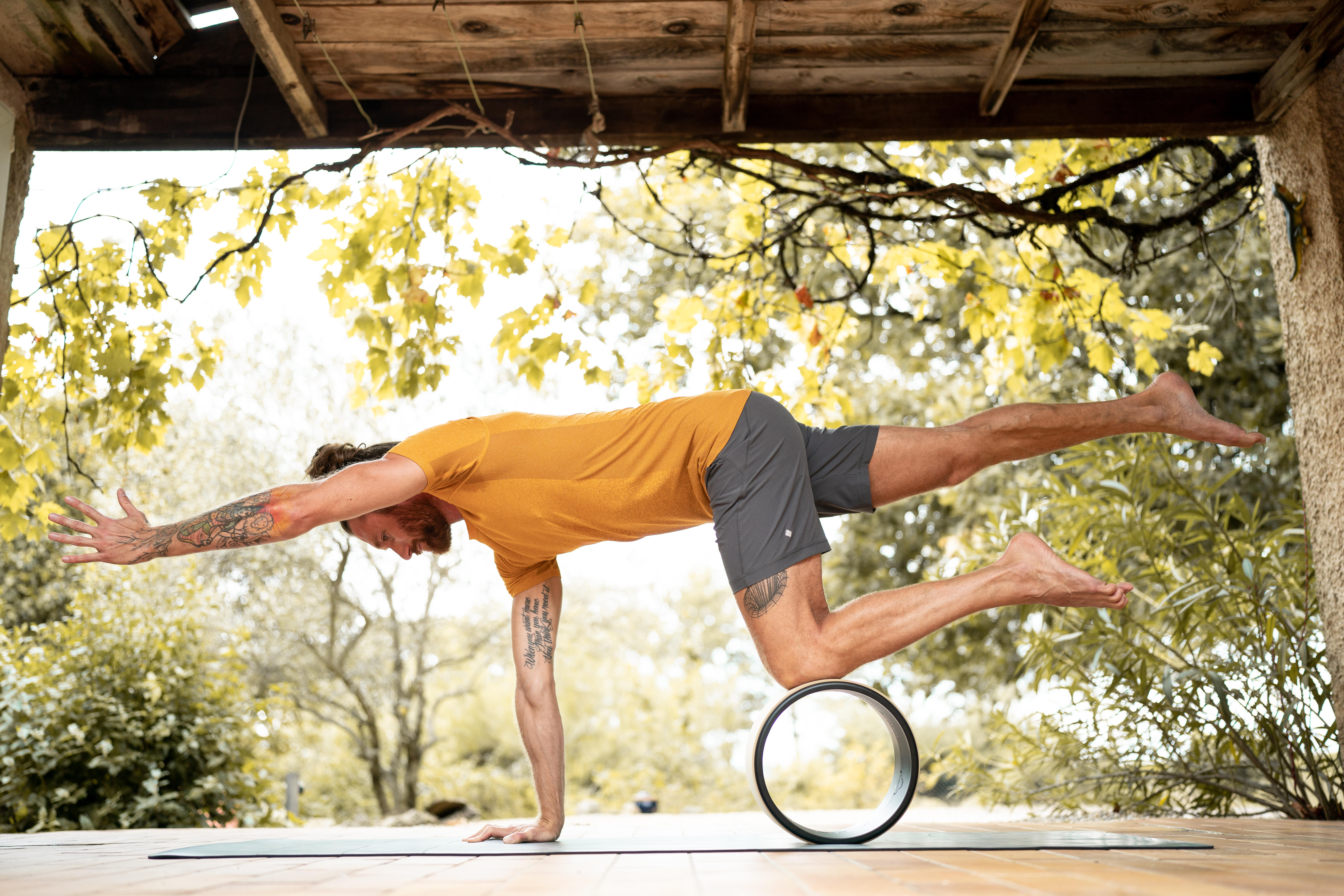
Experienced yogis adding a new challenge. A yoga wheel can bring extra balance and control to selected poses. Using it beneath your hands, feet or body introduces instability, giving experienced practitioners another way to progress their practice.
Keeping Your Yoga Wheel Steady and Clean
Wipe the surface of your yoga wheel with a soft, damp cloth after use, particularly after sweaty sessions when residue can collect on padded or grippy areas. Avoid soaking it or using harsh cleaners that could affect the padding or surface finish, then let it dry completely before storing. Check the structure and outer surface periodically for cracks, loose padding or other wear, and keep the wheel away from prolonged heat and direct sunlight.
Yoga wheels by type
Type
Best for
Standard yoga wheels
General stretching, supported backbends and everyday mobility work.
Broader support, deeper back opening and selected advanced positions.
Large yoga wheels
Varied stretches, different levels of support and more ways to progress your practice.
Yoga wheel sets
Frequent use, demanding movements and anyone prioritising a rigid, durable construction.
A yoga wheel can support stretching, mobility work, balance practice and certain backbends. Its curved surface lets you gradually move through supported positions while adding a different type of prop to your regular yoga practice.
Is a yoga wheel suitable for beginners?
Yes, provided you start with simple, supported movements and stay within a comfortable range. You don't need to begin with deep backbends or advanced poses to make use of a yoga wheel.
How do you use a yoga wheel for backbends?
Can a yoga wheel help improve flexibility?
Can a yoga wheel replace a yoga block?
The wheel can sit behind your back to provide a curved surface as you gradually lean into a supported backbend. Move slowly, keep control of your position and avoid pushing further than your mobility comfortably allows.
A yoga wheel can support stretches that gradually take your body through a greater range of motion. Consistent practice matters more than trying to stretch deeply in one session, so use the wheel to support controlled movement rather than forcing flexibility.
Not really. A yoga block provides a stable, flat surface for added height and support, while a yoga wheel has a curved surface suited to rolling stretches, supported backbends and mobility work. They serve different purposes in a yoga practice.
Give Your Practice a New Curve
A yoga wheel doesn't have to take you straight into the most challenging pose. Get comfortable with how it moves beneath you, build control at your own pace and let your confidence develop from there. As the wheel becomes more familiar, you'll have another way to keep your practice progressing without needing to rush the process.
 All SportsMenWomenKidsAccessoriesEquipment and LeisureHealth & NutritionBest DealsNew ArrivalsMarketplace
 Hiking & Trekking
 Swimming
 Cycling
 Fitness (Yoga/Pilates)
 Camping
 Running