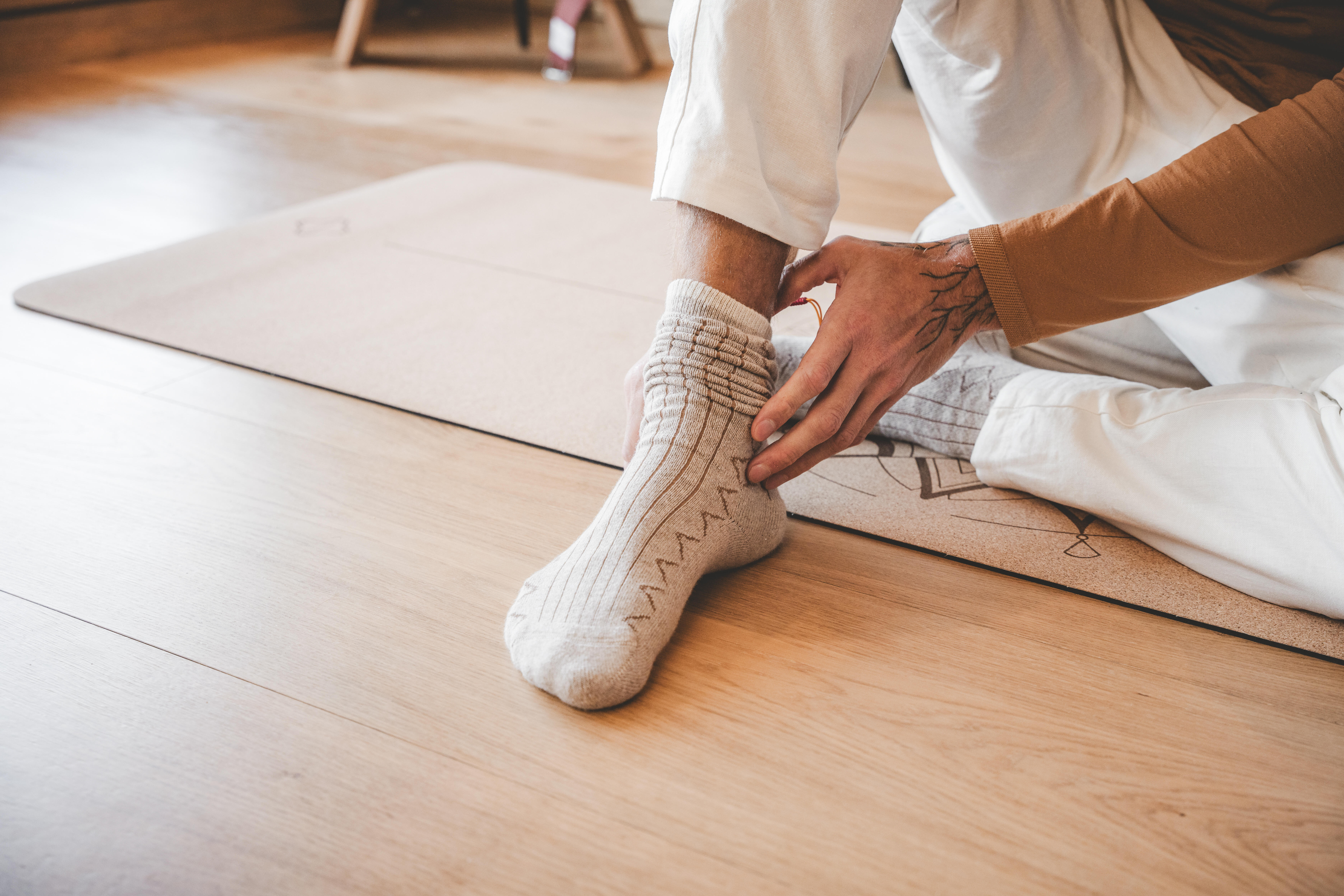
Yoga socks give you an alternative to bare feet when you step onto the mat. They provide comfortable foot coverage while staying suited to the stretches, balances and controlled movements of yoga and Pilates. Slip on a pair when you want a little more between your feet and the floor without reaching for ordinary everyday socks.
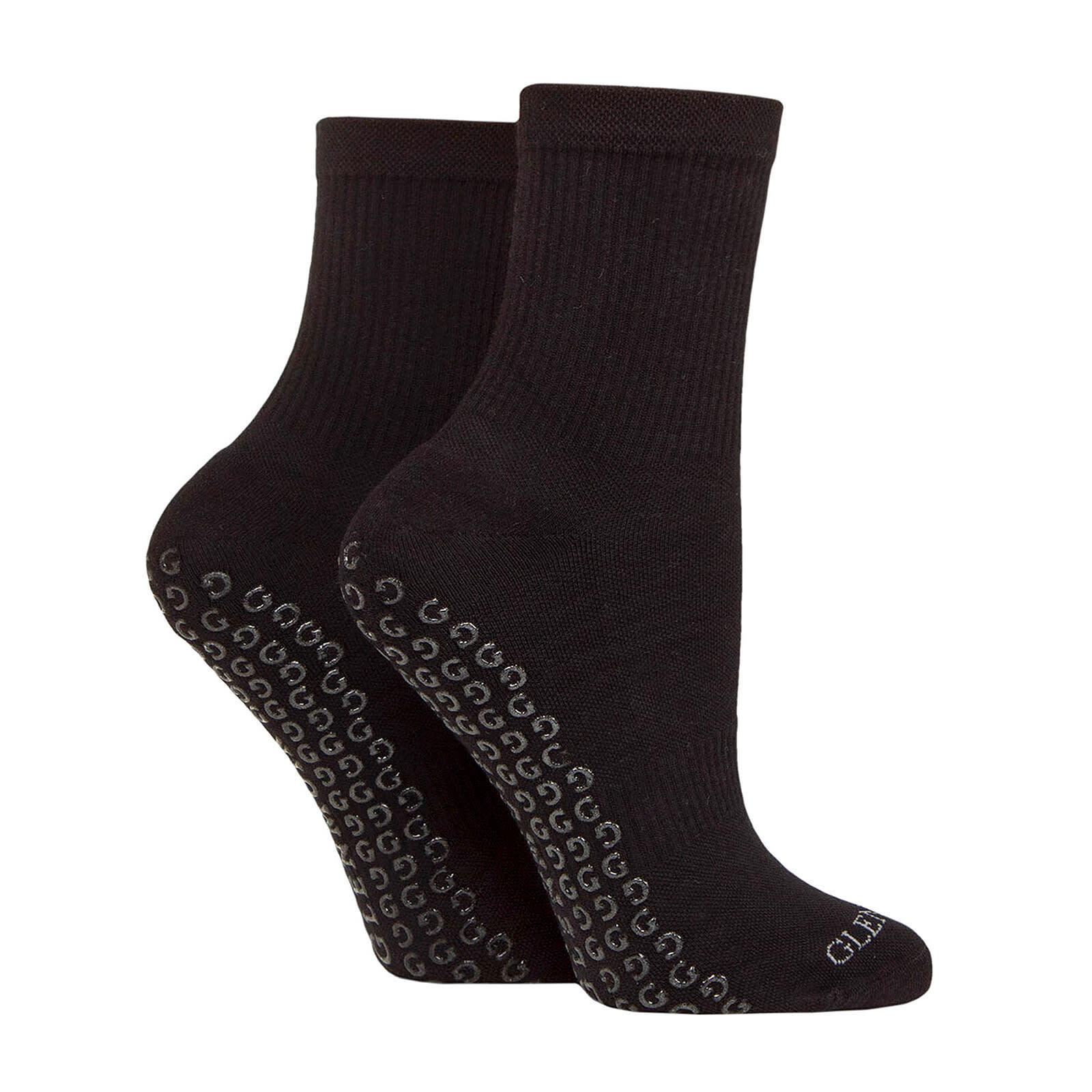
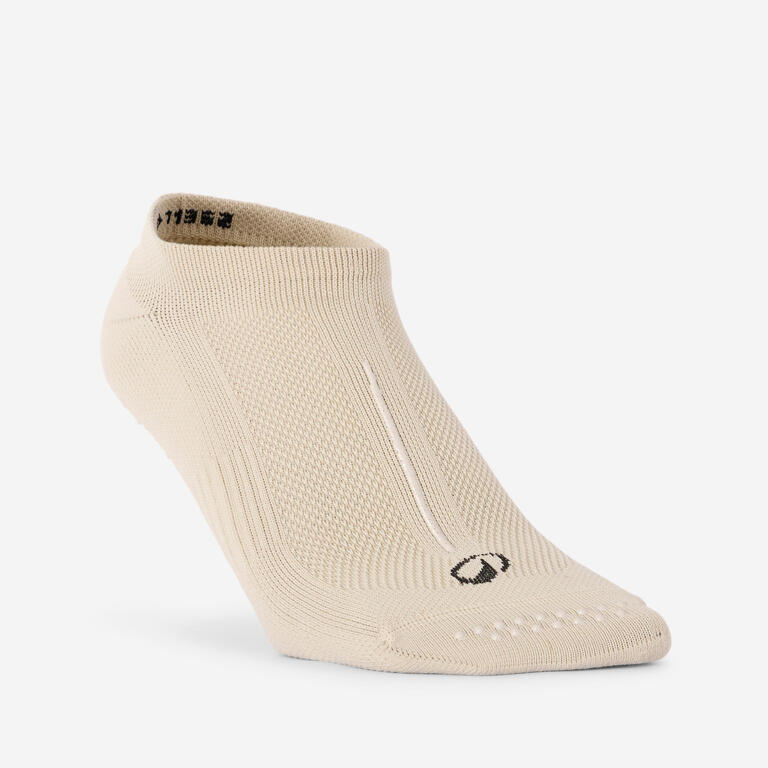
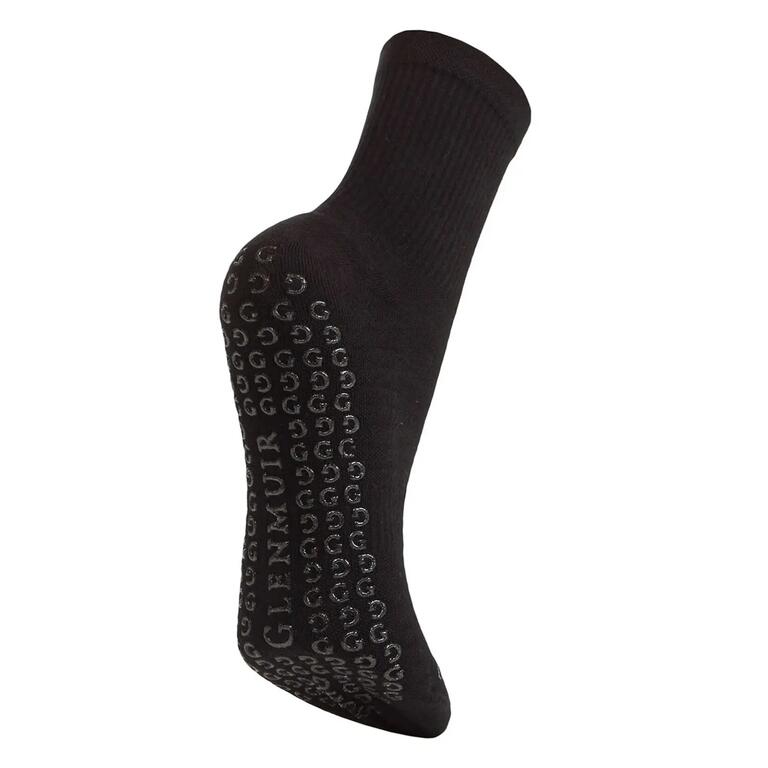
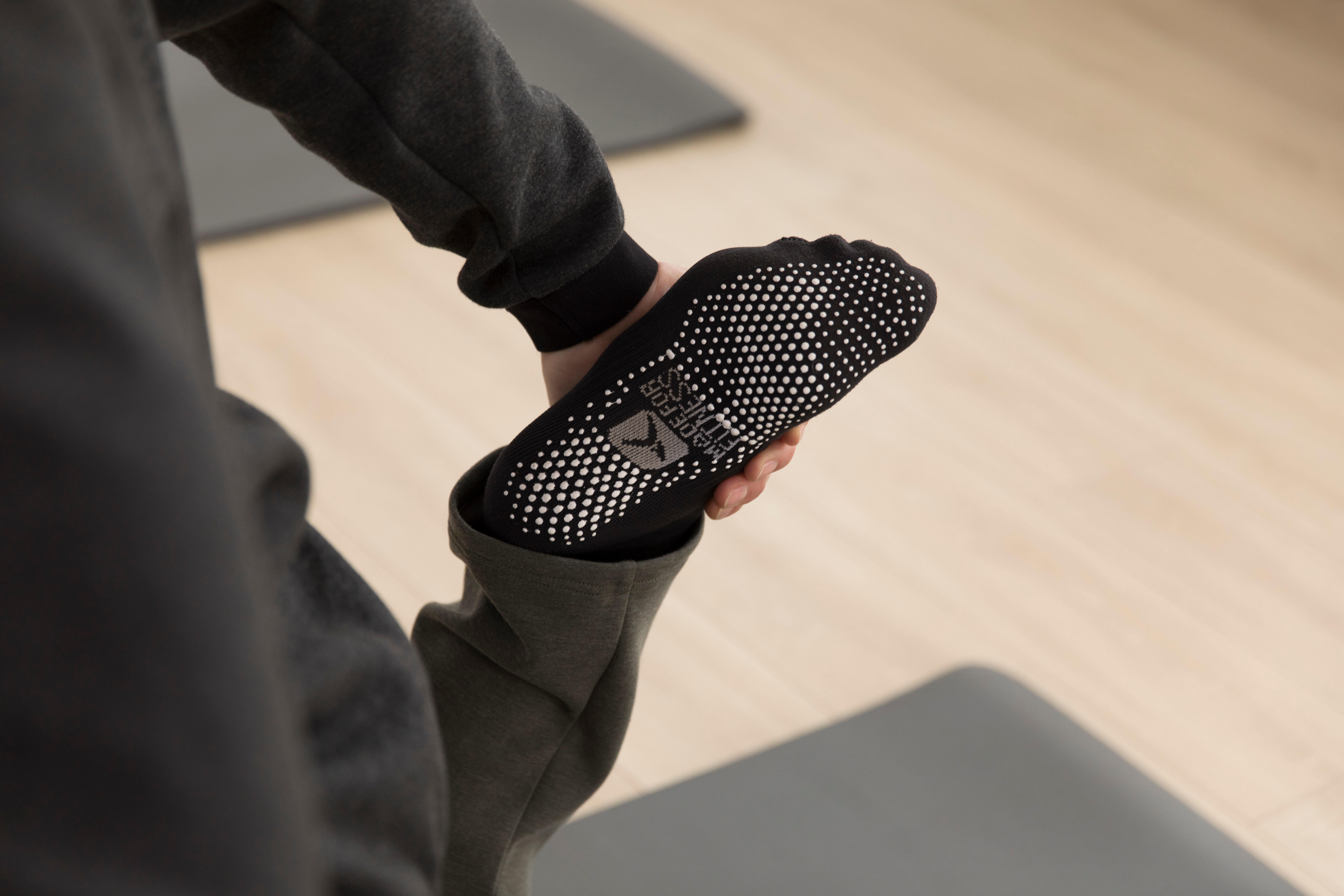
Grip is one of the main features to consider in yoga socks, particularly for standing poses, balances and transitions. Look for silicone or textured sections across the sole that provide traction against your mat or studio floor without feeling bulky underfoot. Wider grip coverage can be useful for more dynamic practices where different parts of your foot regularly make contact with the surface.
Toe Design
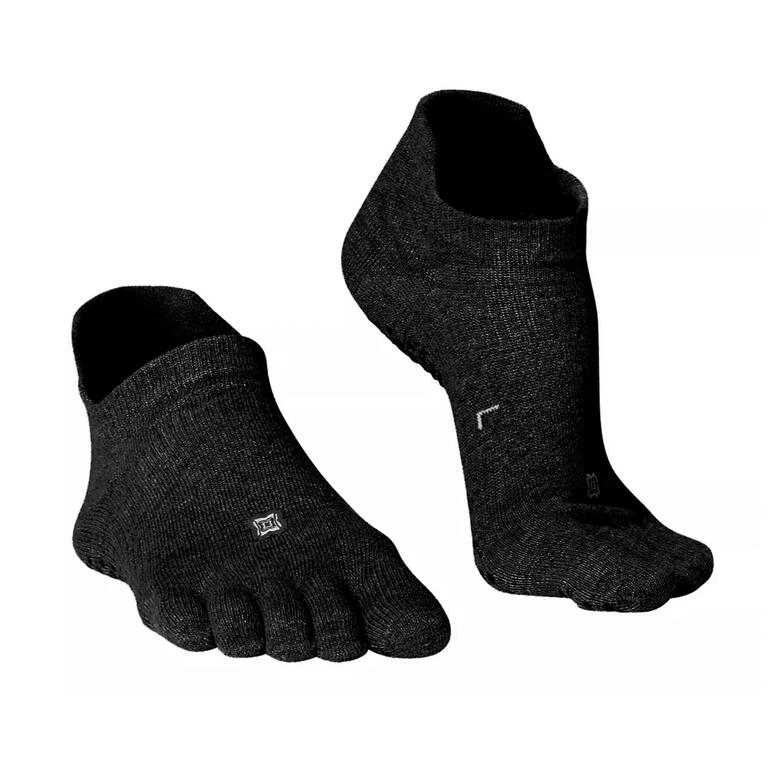
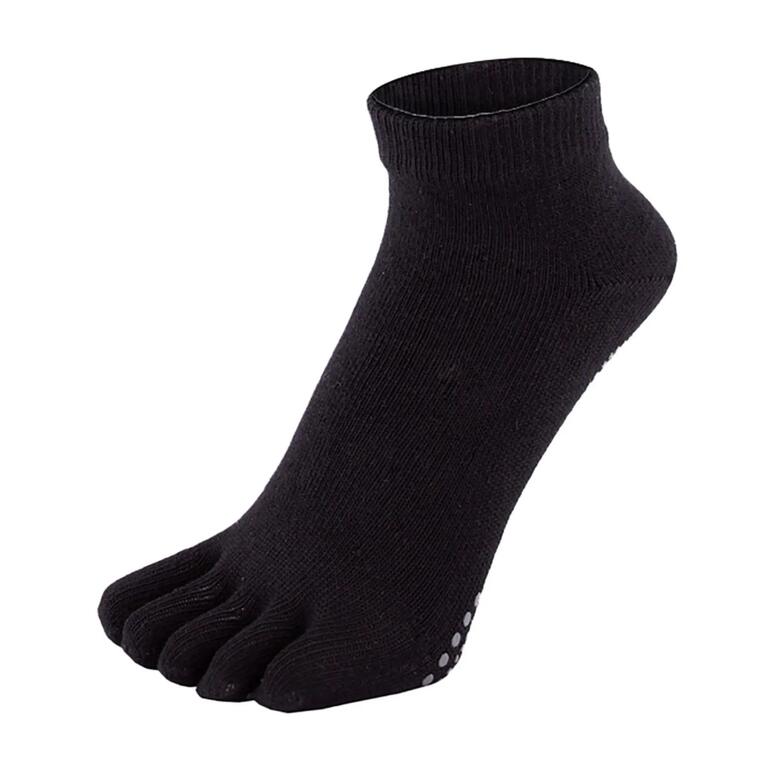
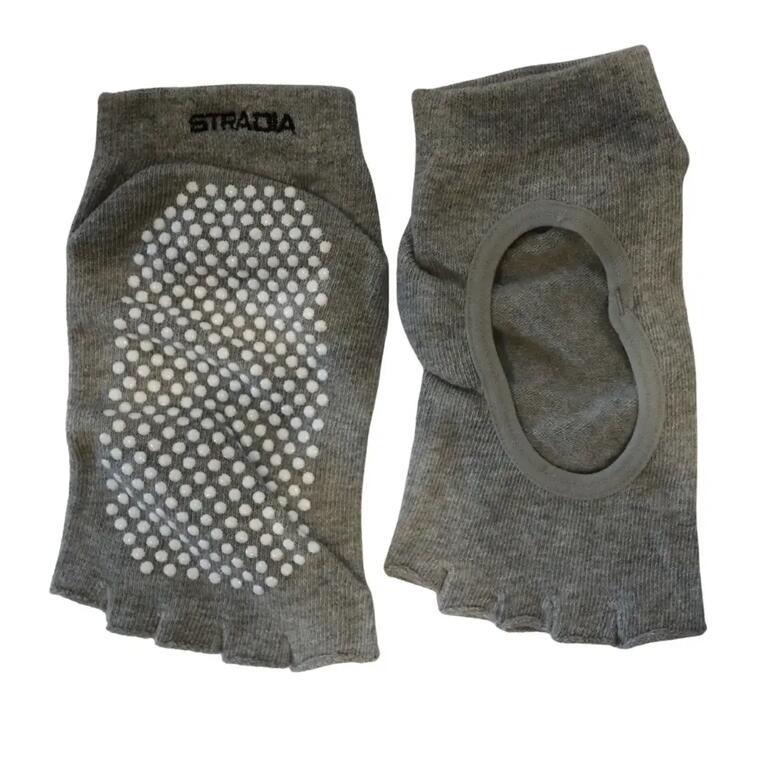
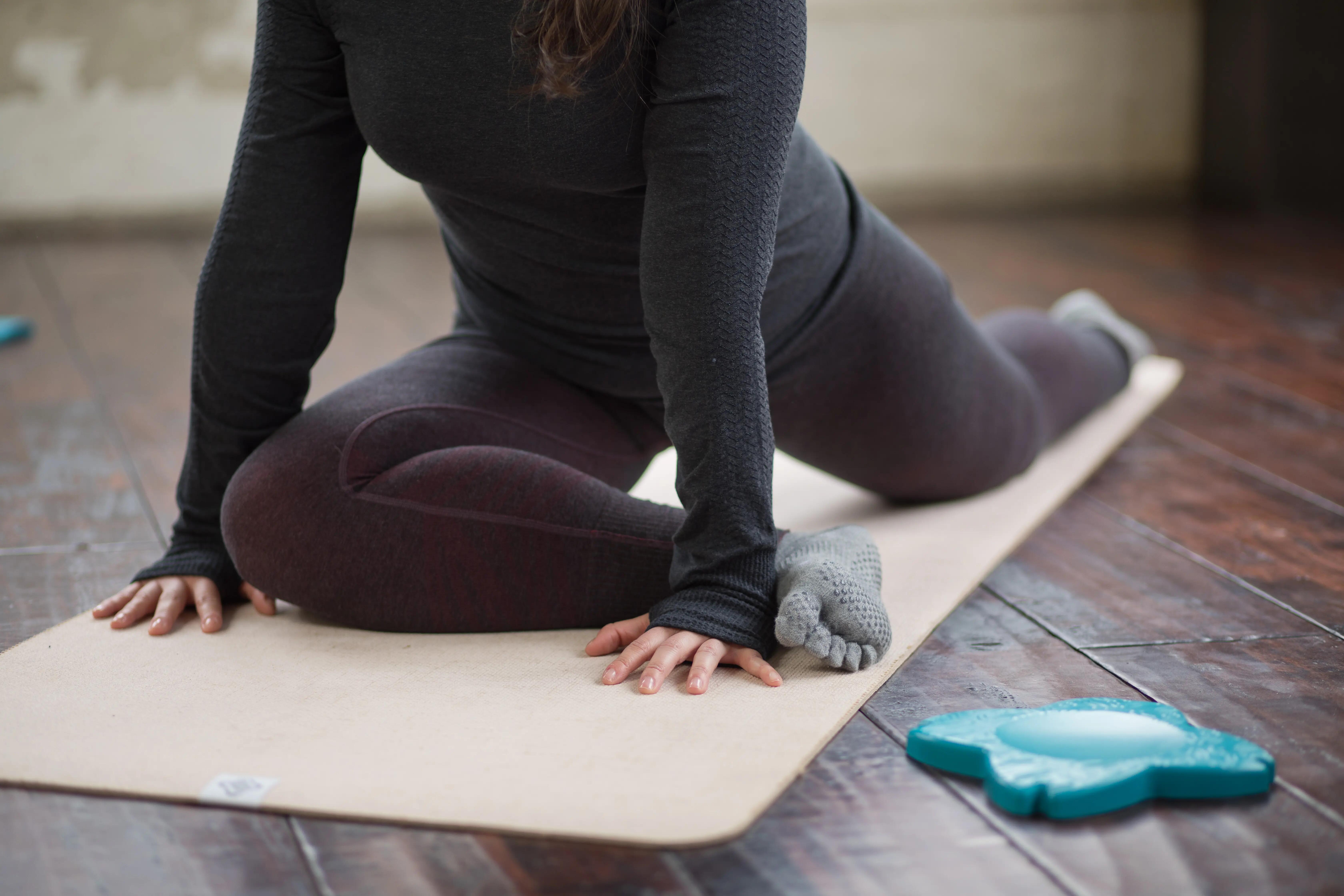
Yoga socks come in standard, open-toe and individual-toe designs, and each provides a different feel during practice. Individual-toe styles allow your toes to spread and move independently, while standard designs provide more familiar sock-like coverage. Consider how much freedom you prefer around your toes and how connected you want your feet to feel during practice.
Material and Breathability
Lightweight, breathable fabric helps keep your feet comfortable as your practice warms up, particularly during longer or more dynamic sessions. Cotton blends can provide a soft feel, while synthetic fibres can add stretch and quicker drying performance. Look for a material that balances comfort and breathability while maintaining the close fit needed for secure movement.
Fit
Yoga socks should fit closely enough to stay securely positioned as you move between poses without bunching, twisting or sliding around your foot. Pay attention to the fit around the heel, arch and ankle, as excess fabric can become noticeable during balance work and transitions. Enough stretch should keep the sock secure without creating uncomfortable pressure around your foot.
Practitioners wanting extra traction. You want more grip through standing poses and transitions. A close-fitting yoga sock with good sole grip helps you feel more secure as you move.
Balance-focused practitioners. You practise poses where foot placement and stability matter and want more freedom through your toes. Individual-toe or open-toe designs with targeted grip can provide a more connected feel during balance work.
Yoga and Pilates regulars. You move between yoga, Pilates and other studio sessions and want socks versatile enough for different workouts. A breathable, close-fitting pair with dependable grip provides a practical option for regular practice.
How to Look After Yoga Socks
Wash yoga socks regularly to remove sweat and dirt that can build up around the grip sections on the soles. Follow the care label and avoid excessive heat, which may affect silicone or textured grip details as well as elastic fibres. Turning them inside out can reduce unnecessary rubbing against the grip surface during washing. Let them dry completely before your next practice so the fabric and grip are ready for the mat.
Yoga socks by type
Type
Best for
Full-toe grip socks
Yoga and Pilates when you want traction with full toe coverage.
Balance work where independent toe movement is preferred.
Toe-separated yoga socks
Practitioners wanting traction while keeping the toes uncovered.
Open-toe grip socks
Studio workouts when you prefer more coverage around the foot and ankle.
Yes, grip socks can be used on a clean, suitable floor where the textured soles can make secure contact with the surface. A yoga mat still provides cushioning and a consistent practice surface, so socks don't necessarily replace one for every session.
Can yoga socks be worn with shoes?
Most grip yoga socks are intended for barefoot-style studio use rather than inside shoes. The grip sections can feel bulky against an insole, particularly on heavily textured styles. If you want socks for both studio work and shoes, check the construction and thickness first.
Are yoga socks useful for hot yoga?
How should yoga socks fit?
Can I use yoga socks for Pilates?
They can be, particularly if you prefer having your feet covered, but breathability becomes more important as the studio heats up. Sweat can also affect how your feet feel inside the socks, so lightweight, moisture-managing fabric is worth considering for hotter practices.
Yoga socks should fit closely around the foot without bunching, twisting or slipping as you move. The grip sections need to stay correctly positioned under your foot to work as intended. Check the product's shoe-size range, particularly for toe-separated styles where fit can feel different from a standard sock.
Yes. Grip socks can also work well for Pilates and other low-impact studio workouts where traction and controlled foot placement matter. A secure fit is particularly important so the socks don't shift or twist during repeated movements.
Find Your Footing and Keep Your Focus
When your feet feel secure beneath you, it's easier to give your attention to balance, control and the next movement. Yoga socks add practical grip whilst keeping your feet comfortably covered through your practice. Find a pair that feels natural underfoot and stay focused from the first pose through to the last.
 All SportsMenWomenKidsAccessoriesEquipment and LeisureHealth & NutritionBest DealsNew ArrivalsMarketplace

 Hiking & Trekking
 Swimming
 Cycling
 Fitness (Yoga/Pilates)
 Camping
 Running