Make space to stretch, breathe and unwind with a yoga bolster. It comfortably supports your body through restorative poses, gentle stretches and longer holds, helping you settle into your practice without forcing your range of movement. Reach for one when your session calls for less effort, more comfort and a little extra time to reset.
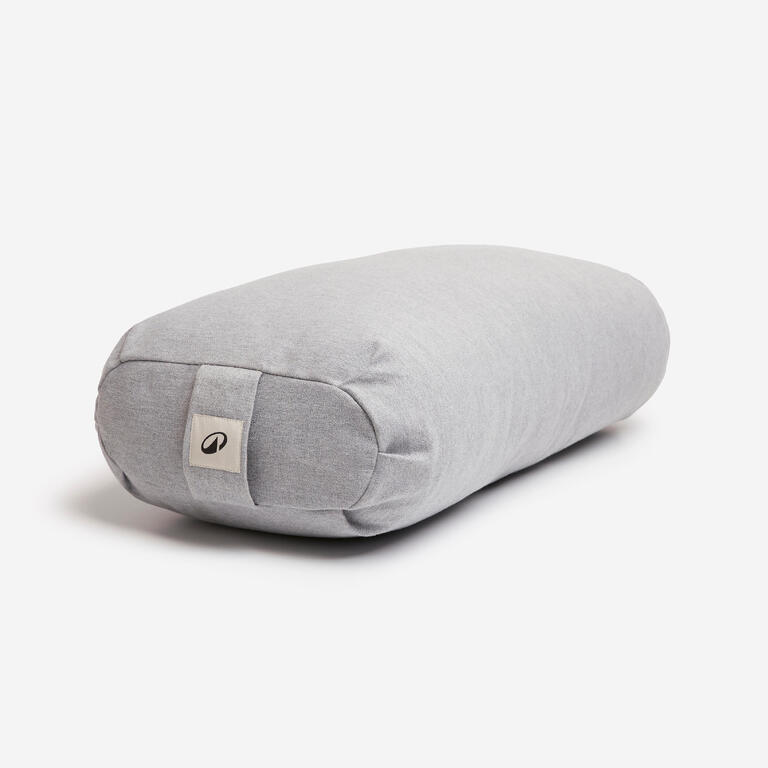
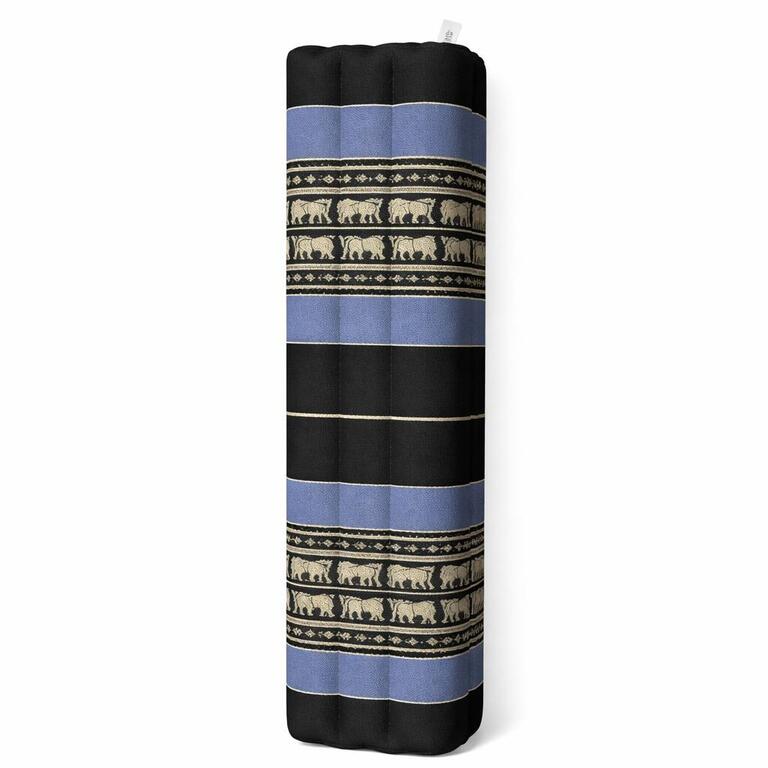
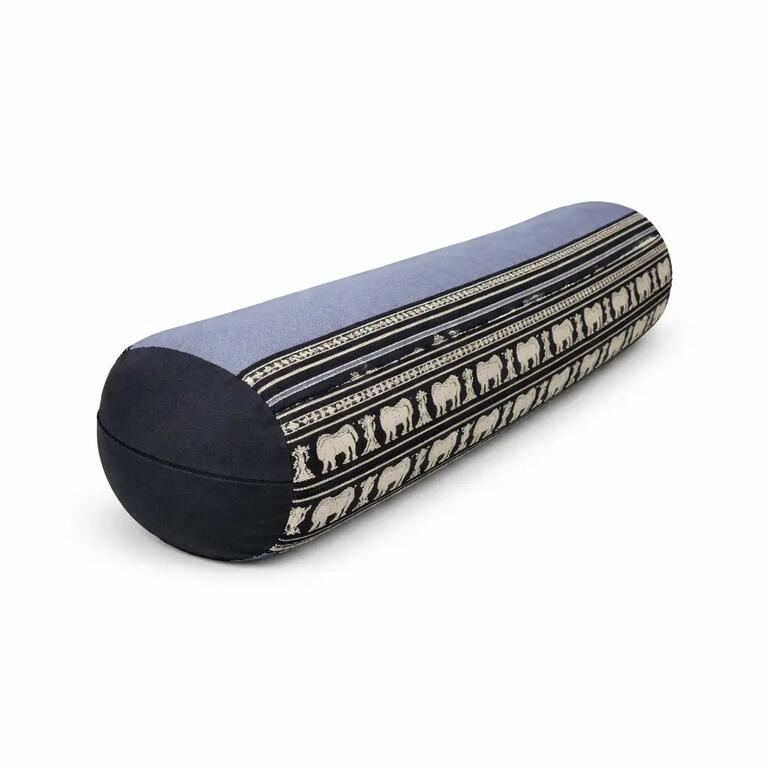
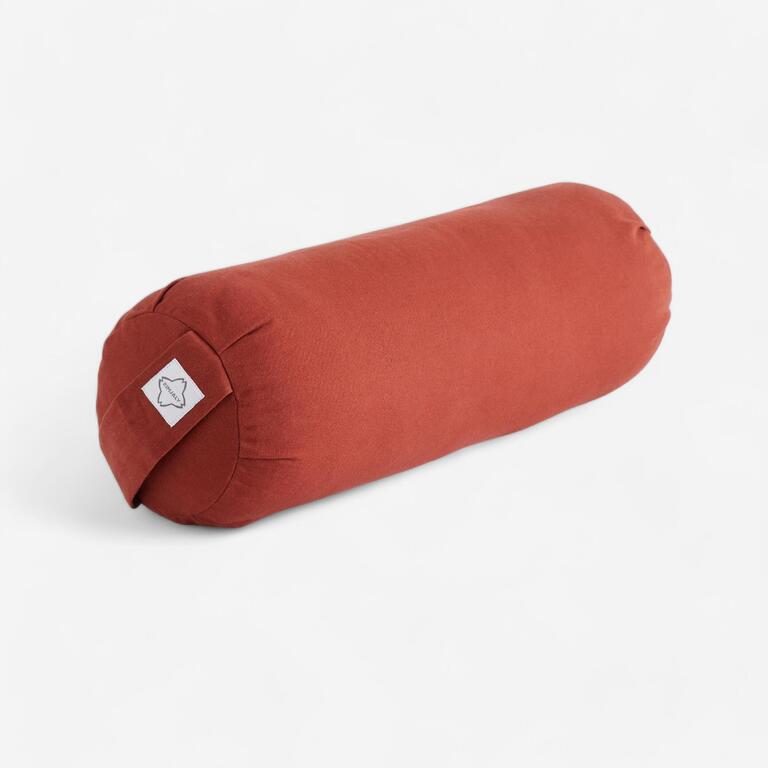
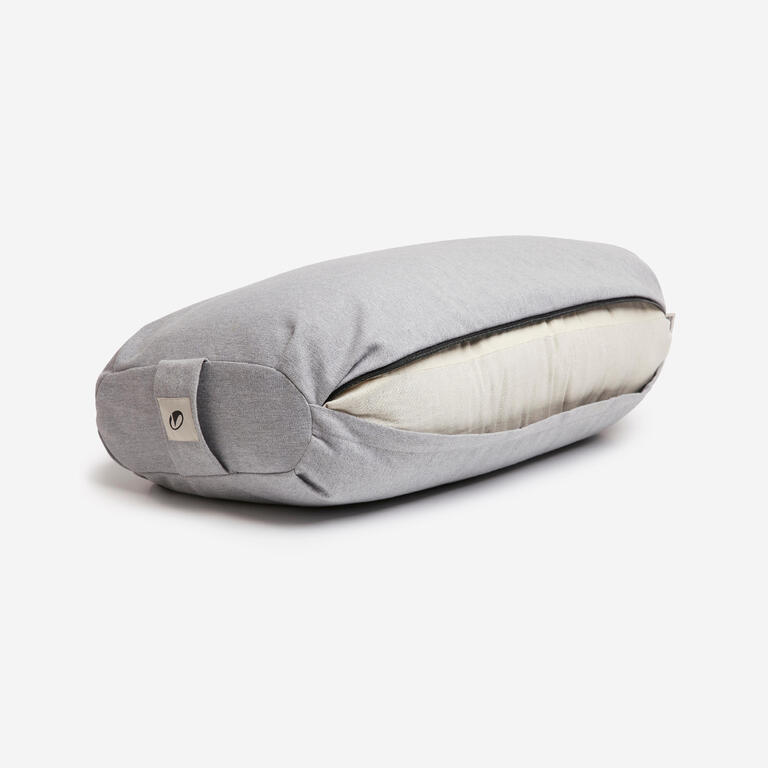
Different bolster shapes provide support in different ways. Rectangular or flatter bolsters create a broad, stable surface beneath the torso, hips or legs, while cylindrical designs provide more concentrated lift and curved support. Think about the restorative poses and stretches you practise most often, then choose a shape that supports those positions comfortably.
Firmness
A yoga bolster should provide enough resistance to support your body without collapsing too quickly, particularly during poses you'll hold for several minutes. Firmer designs maintain more height and structure, while softer bolsters mould more readily around the body. Look for a level of firmness that lets you relax comfortably while maintaining the support your position requires.
Size and Practicality
Check the bolster's length and width to make sure it provides enough surface area for the way you plan to use it. Longer designs can provide more support beneath the torso or legs, while compact bolsters are easier to move and store. Also check if the cover is removable and washable if you expect to use your bolster regularly.
Filling
The filling influences the bolster's weight, feel and ability to maintain its shape. Different fibres, foam and other fillings can create anything from structured support to softer cushioning, so check what's inside when comparing options rather than choosing on appearance alone.
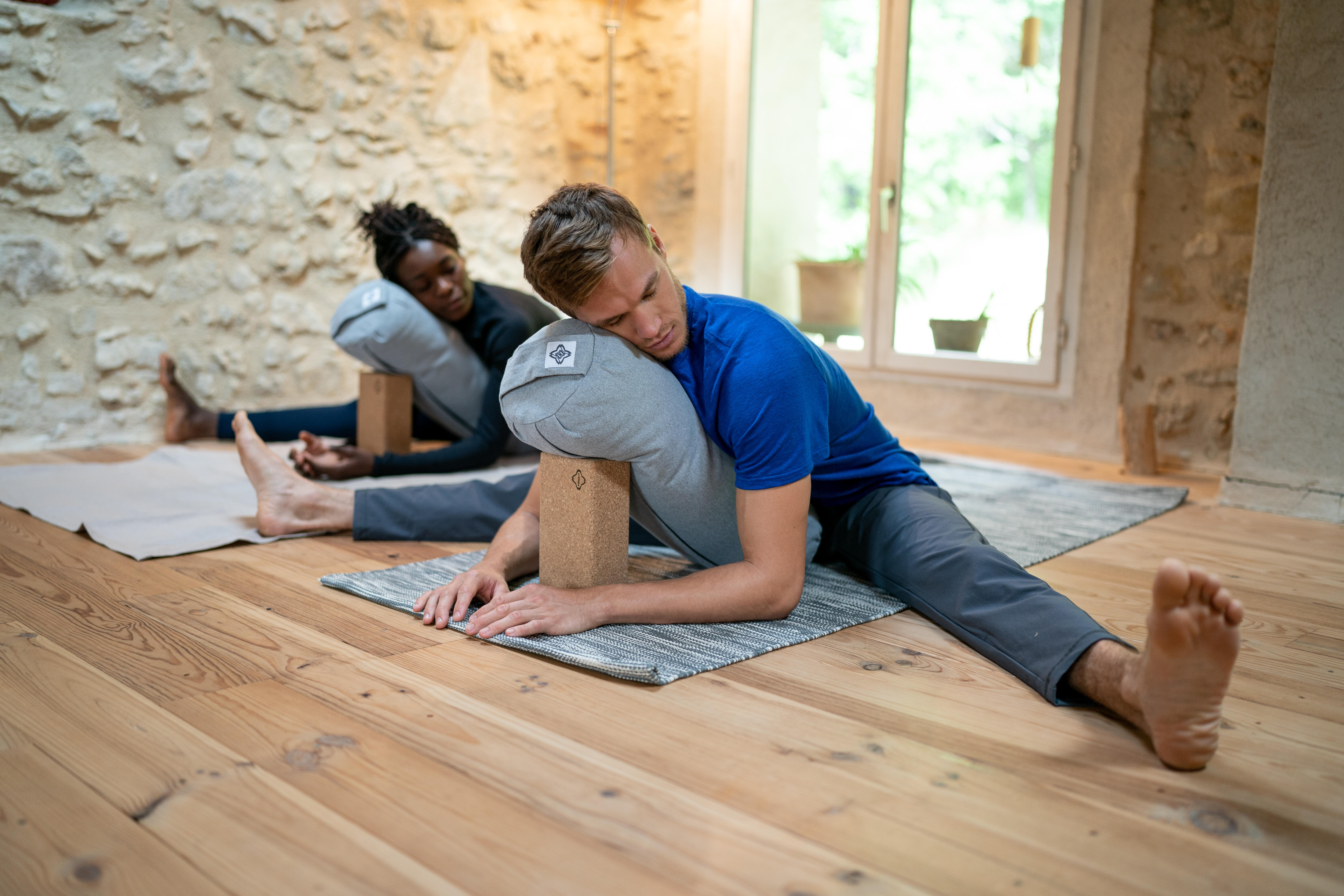
Restorative and yin yoga practitioners. Long, slow holds are easier to settle into when your body is properly supported. A yoga bolster can support your back, hips, chest or legs, helping you relax into restorative positions more comfortably.
Practitioners working on gentle mobility. If you're gradually opening the hips, chest or back, a bolster gives your body somewhere comfortable to rest as you stretch. It helps you ease into movement rather than forcing extra range.
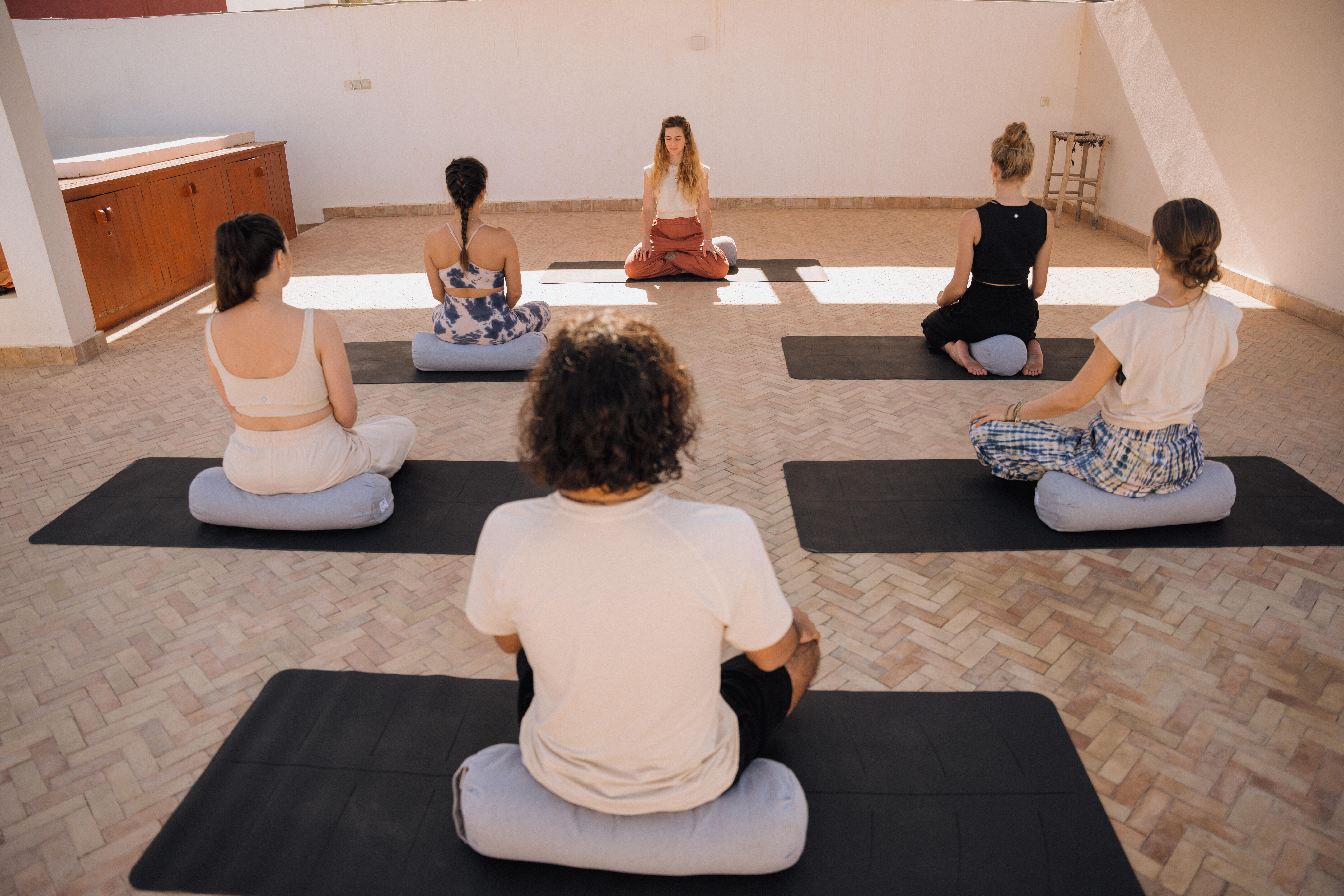
Meditation and relaxation seekers. A yoga bolster can be just as useful when you're sitting still. Use it beneath your seat for meditation, during breathing exercises or to support the body while relaxing after a session.
Looking After the Filling and Cover
Spot clean your yoga bolster when needed, or remove and wash the cover according to its care label if it's made to come off. Make sure the cover is completely dry before replacing it, and give the bolster time to air after use so moisture doesn't remain trapped in the fabric. Store it somewhere dry without heavy items pressing on top, as prolonged compression can affect the shape and supportive feel of the filling.
Yoga bolsters by type
Type
Best for
Flat bolsters
Restorative yoga, reclining poses and broad support for the back or torso.
Yin yoga, targeted support and positioning beneath the knees or back.
Cylindrical bolsters
Longer holds, supported poses and practitioners wanting less compression.
Firm bolsters
Full-body support, lying poses and anyone wanting more surface area.
A yoga bolster provides cushioned support during restorative yoga, yin, stretching and meditation. It can support areas such as your back, hips, chest or legs, helping you settle comfortably into positions held for longer.
What's the difference between a rectangular and cylindrical yoga bolster?
Rectangular bolsters provide a broad, stable surface that works well beneath the torso or back. Cylindrical bolsters create more concentrated lift, making them useful beneath areas such as the knees, back or neck.
How firm should a yoga bolster be?
Do I need a yoga bolster for regular yoga or just restorative yoga?
Can I use a yoga bolster for meditation?
A yoga bolster should be firm enough to hold its shape when you rest against it without feeling uncomfortable. Firmer options provide more structured support, while softer bolsters mould more readily around your body.
Yoga bolsters are especially useful for restorative and yin yoga, where poses are often held for longer. You can also use one for stretching, supported poses or whenever you want additional comfort during a slower practice.
Yes. A yoga bolster can raise your hips during seated meditation, helping you find a comfortable position for longer periods. It can also support your knees or legs during breathing exercises and relaxation.
Make Space to Slow Down
Not every yoga session needs to be about reaching further or moving faster. A yoga bolster gives your body somewhere to settle during restorative poses, gentle stretches, meditation and those quieter moments at the end of practice. Add the support you need, get comfortable and give yourself time to stay there.
 All SportsMenWomenKidsAccessoriesEquipment and LeisureHealth & NutritionBest DealsNew ArrivalsMarketplace
 Hiking & Trekking
 Swimming
 Cycling
 Fitness (Yoga/Pilates)
 Camping
 Running