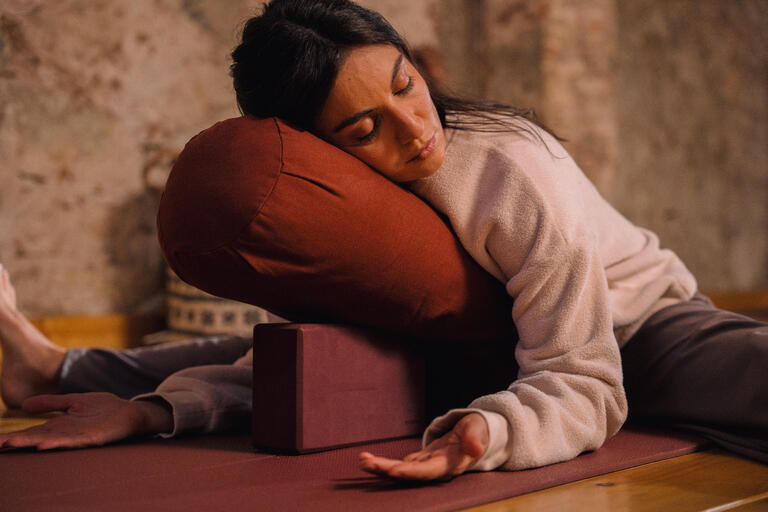
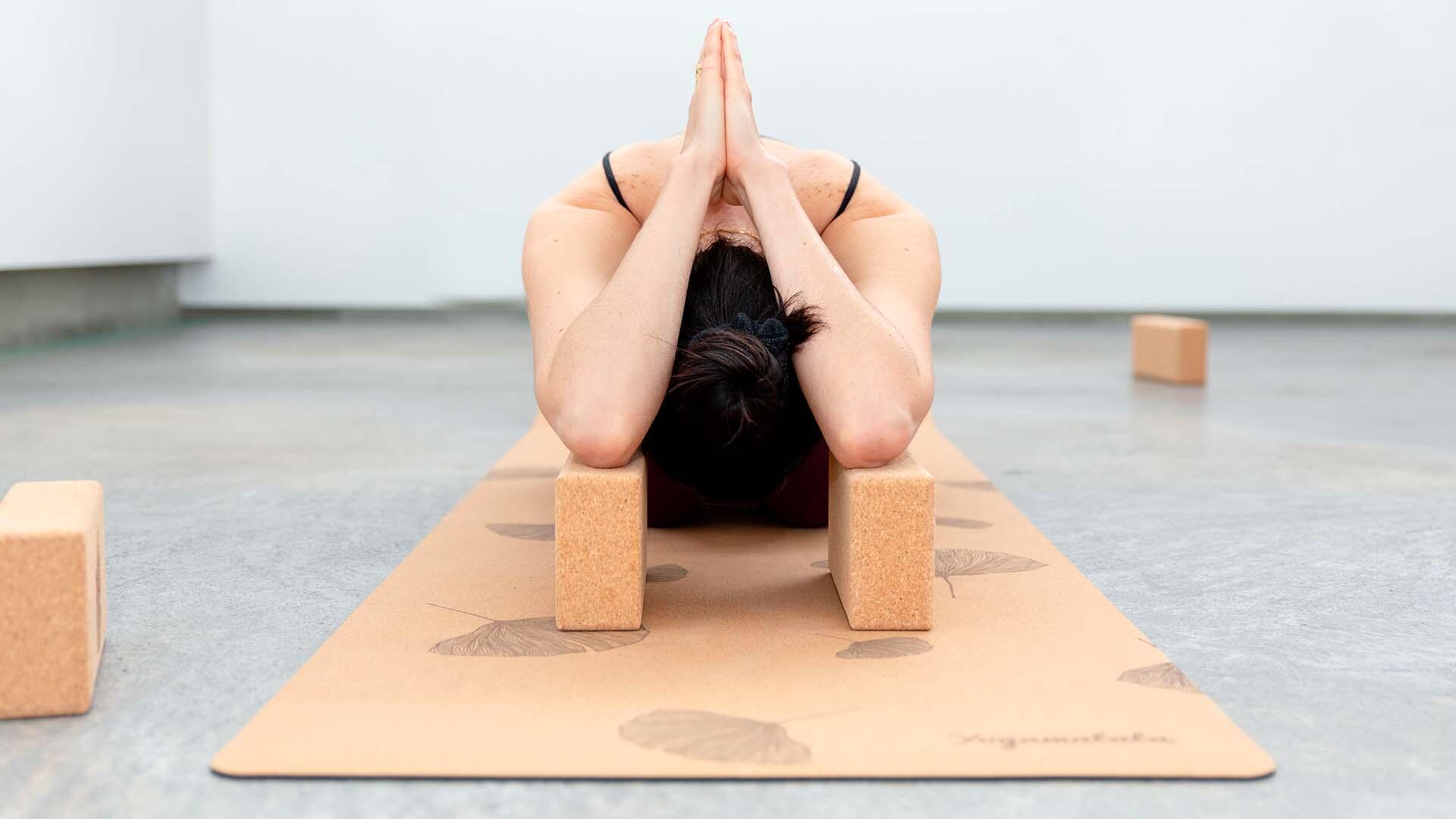
Bring more support and confidence to every pose with a yoga block. Working towards a deeper stretch, improving your balance or making the floor easier to reach, it gives you the extra stability to move comfortably through your practice. Beginners finding their footing and experienced yogis refining familiar poses can both feel the difference the right support makes.
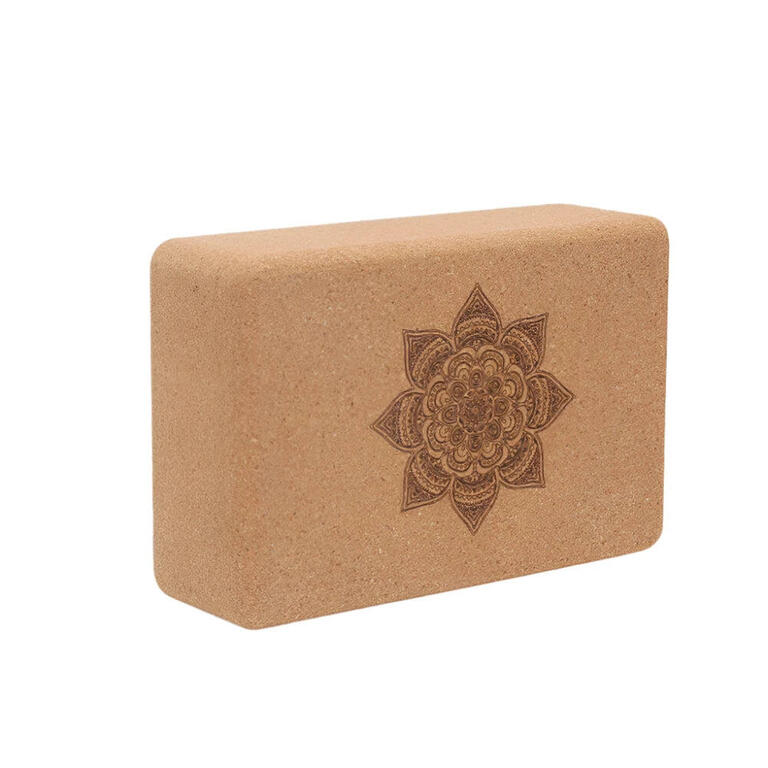
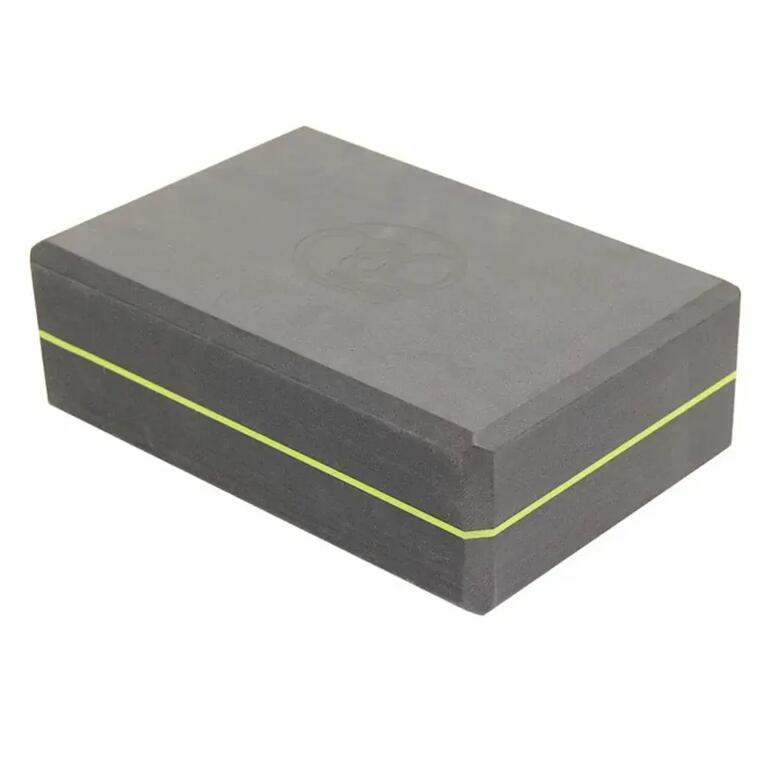
Start with the material, as it affects how firm, heavy and comfortable a yoga block feels during your practice. Foam blocks are generally lightweight and provide more cushioning against the hands or body, while cork blocks offer a firmer, more substantial surface. Think about what you prefer: softer support, a more solid feel, or a lighter block that's easy to carry between home and classes.
Size
Check the dimensions rather than assuming every yoga block provides the same amount of support. Standard-sized blocks suit a wide range of poses, while larger designs can provide a broader surface and additional support for seated positions or poses where you want more lift. Most blocks can also be turned onto different sides, giving you several height options as your flexibility and positioning change.
Grip and Edges
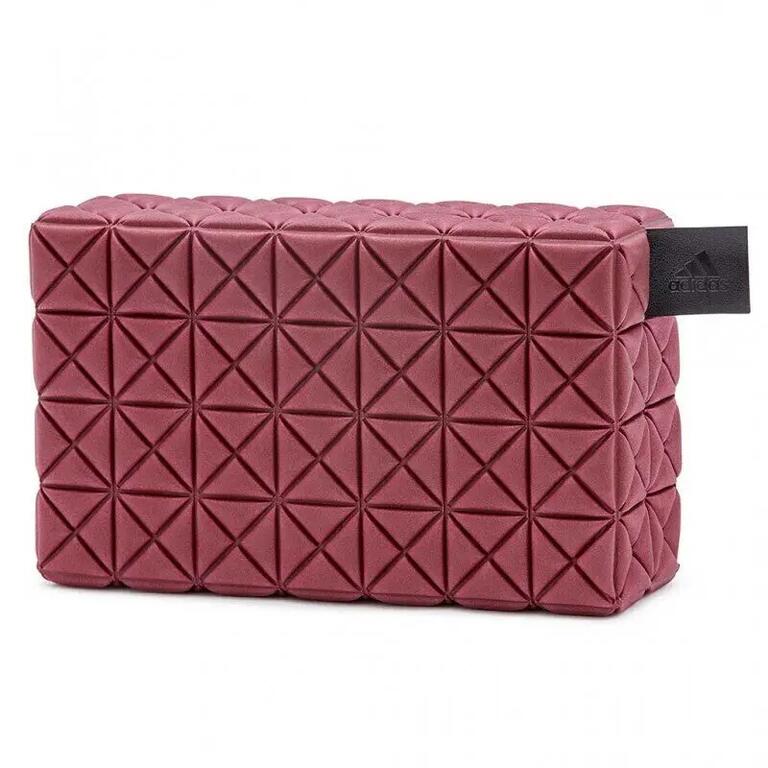
Look for a surface that feels secure beneath your hands and stays steady against your mat. Textured finishes can improve grip, while rounded or bevelled edges can make the block more comfortable to hold, lean against and reposition between poses.
Firmness
A yoga block should stay stable when you lean or press into it without compressing more than you're comfortable with. Firmer blocks provide a solid base for supported poses and balance work, while softer foam can offer more cushioning when the block is positioned against the body.
Beginners building flexibility. If the floor still feels too far away in certain poses, a yoga block brings support within reach. It adds height for stretches, folds and standing poses, helping you work comfortably within your current range of motion.
Practitioners refining alignment and balance. A yoga block provides a stable point of contact when you're working on positioning or control. Place it beneath your hands, feet or seat to adjust a pose and focus on form without forcing a deeper stretch.
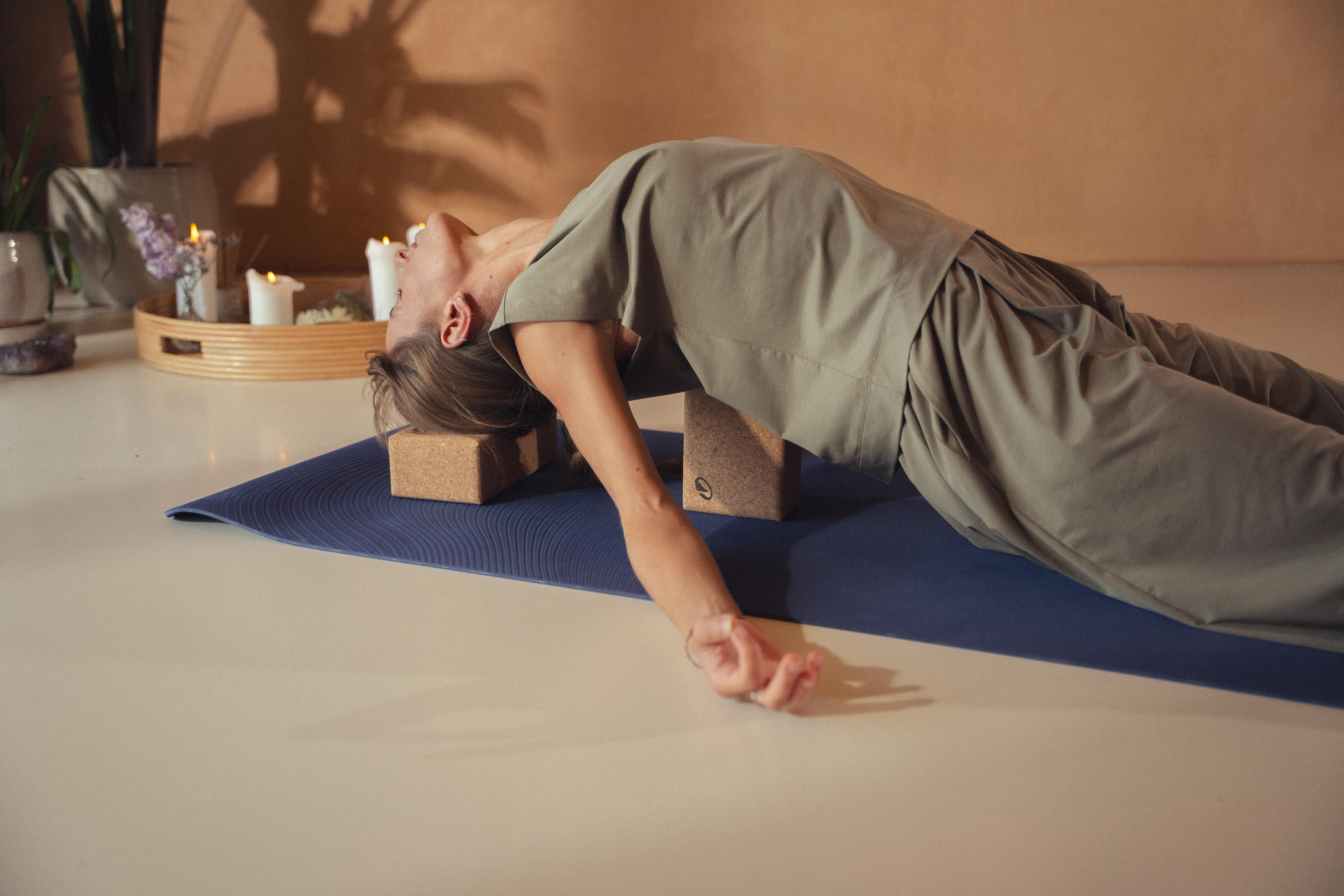
Anyone wanting more comfort in seated or supported poses. A block can raise your hips when sitting, support parts of the body during longer holds or make certain floor-based positions more comfortable when you need extra lift.
Keeping Your Yoga Block in Good Shape
Wipe your yoga block with a damp cloth and mild soap when needed, paying particular attention after sweaty sessions when moisture and oils can collect on the surface. Avoid soaking foam or cork blocks, and let them air dry completely before stacking or storing them away. Keep your block away from prolonged heat and direct sunlight, and follow any material-specific care instructions to help maintain its shape, surface and grip.
Yoga blocks by type
Type
Best for
Foam yoga blocks
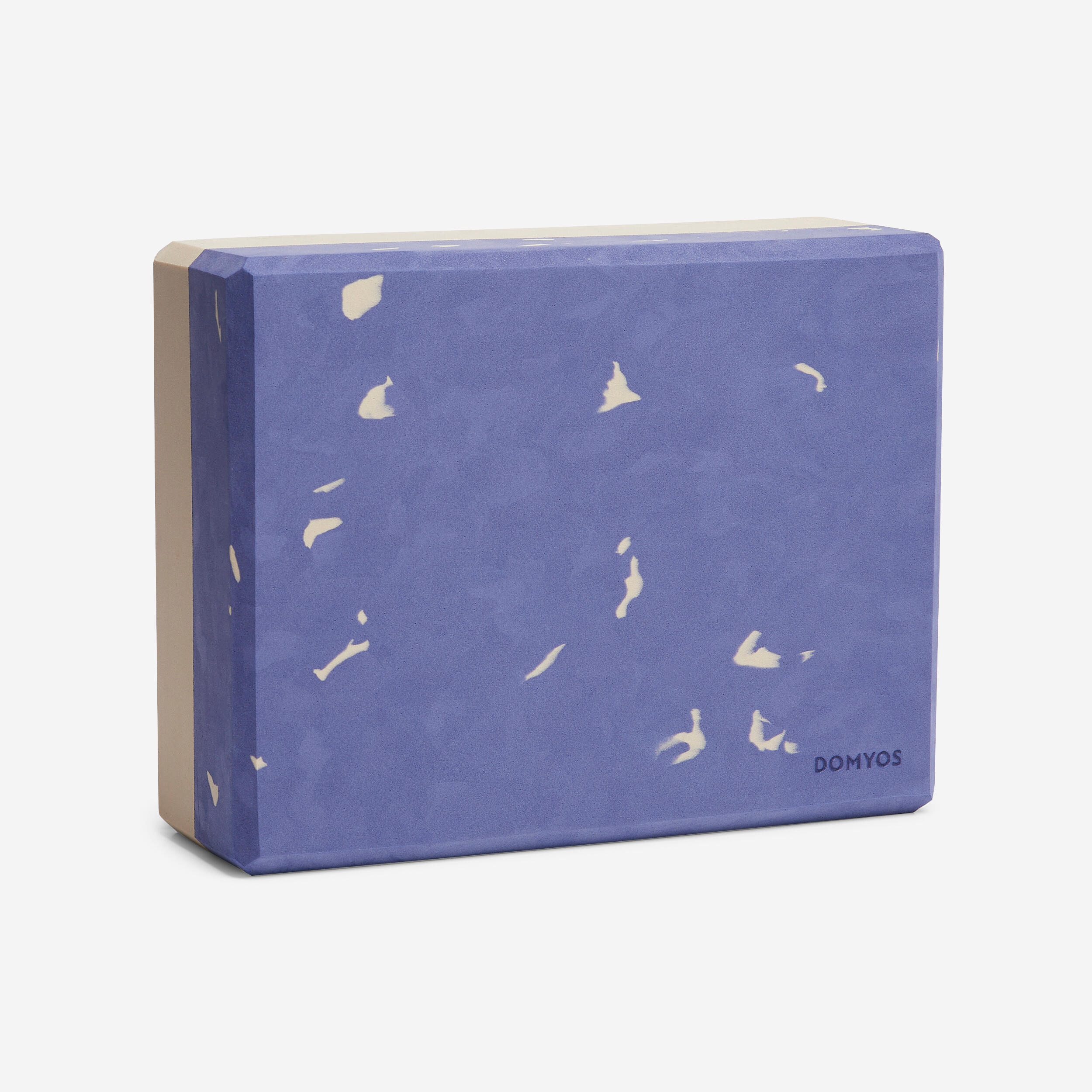
Beginners, everyday practice and comfortable support during stretches.
Firmer support, added stability and practitioners who prefer a more grounded feel.
Cork yoga blocks
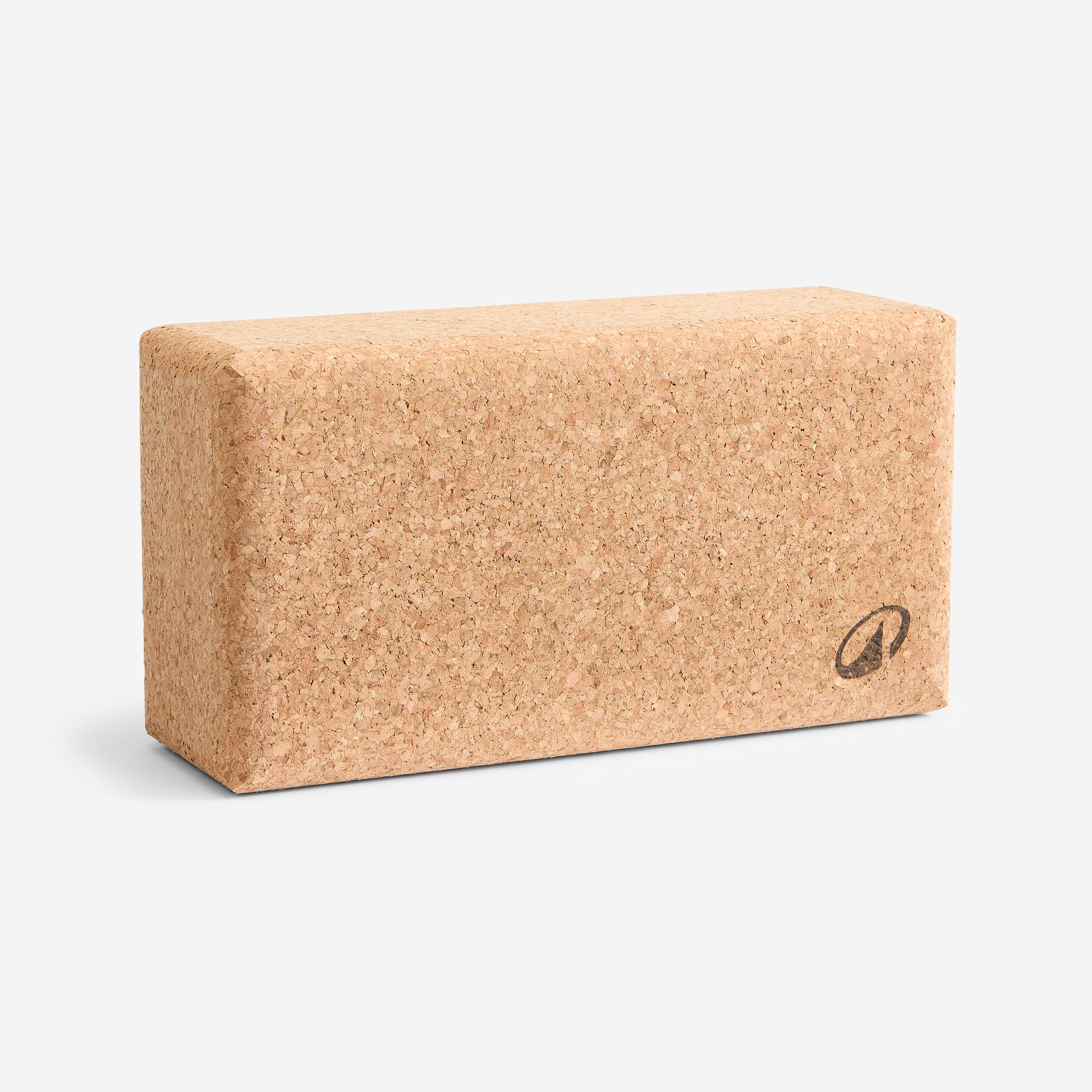
All-round practice, alignment work and adding moderate height to poses.
Standard yoga blocks
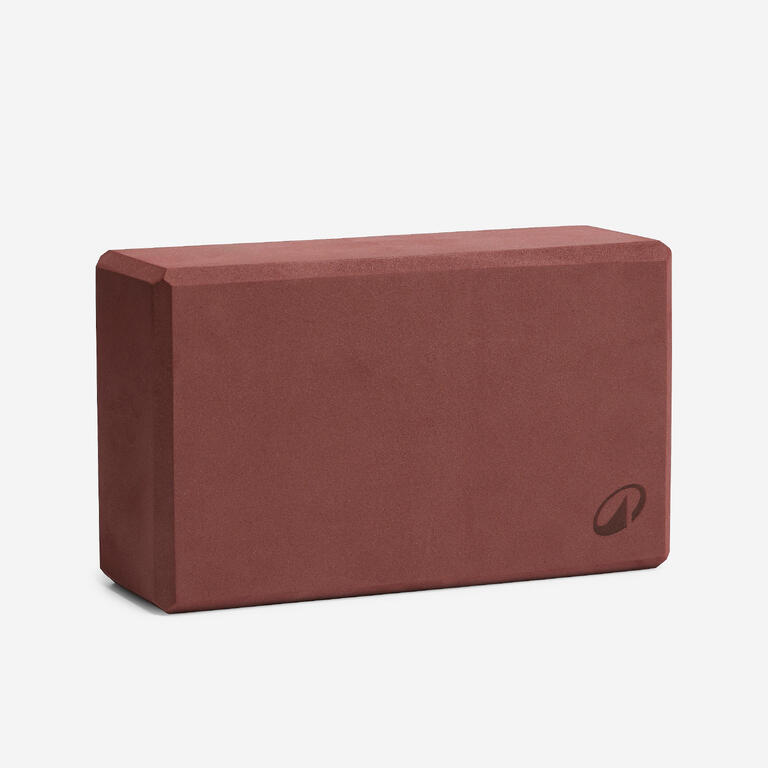
Extra height, seated poses and anyone wanting a broader support surface.
Foam blocks are lightweight, comfortable and easy to carry, making them a good all-round choice for yoga. Cork blocks are heavier and firmer, offering a more grounded feel and plenty of stability during supported poses.
What size yoga block do I need?
A standard yoga block suits most people and everyday poses. A larger or XL block provides extra height and surface area, which can help if you need more support when reaching the floor or sitting comfortably.
Can beginners use a yoga block?
Should I buy one or two yoga blocks?
How firm should a yoga block be?
Yes. A yoga block can bring the floor closer while you're developing flexibility, helping you find a comfortable position without forcing a stretch. It's also useful for experienced yogis working on alignment, balance or new poses.
One yoga block is enough for many stretches and supported poses, but two give you more options. A pair is useful when you need even support beneath both hands, knees or on either side of your body.
Your yoga block should feel firm enough to stay stable when you place weight on it. Softer foam can feel more comfortable against the body, while denser foam or cork provides firmer support for balance and alignment work.
A Little Support Goes a Long Way
A yoga block can meet you wherever your flexibility and mobility are today, then stay useful as your practice develops. Use it to make the floor more accessible, add support where you need it or approach familiar poses in a different way. Keep a block within reach and you've got a simple prop that can add more possibilities to almost any session.
 All SportsMenWomenKidsAccessoriesEquipment and LeisureHealth & NutritionBest DealsNew ArrivalsMarketplace

 Hiking & Trekking
 Swimming
 Cycling
 Fitness (Yoga/Pilates)
 Camping
 Running