Beginners
A mat, a block and a strap are enough to follow most beginner yoga and pilates videos at home.
You do not need a spare room to practise at home, just a clear patch of floor and a few well-chosen pieces. Here is how we would set up a home studio that is quick to roll out and easy to pack away.
The pieces we would gather first, starting with the one you will use every session.
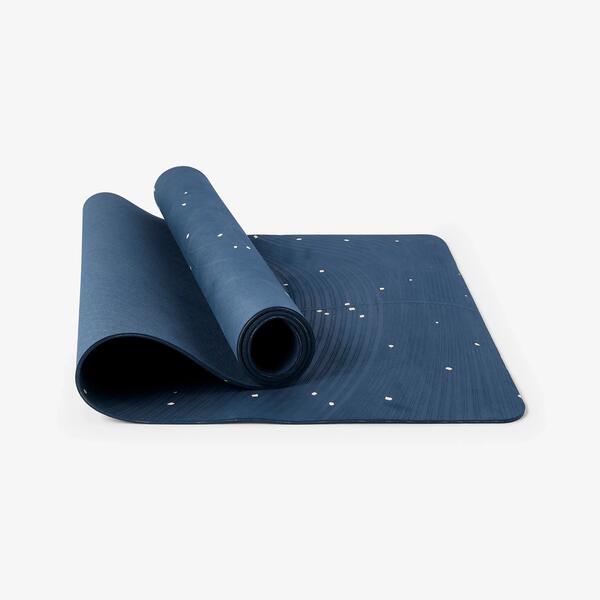
Yoga and pilates mats in several thicknesses, plus mat bags.
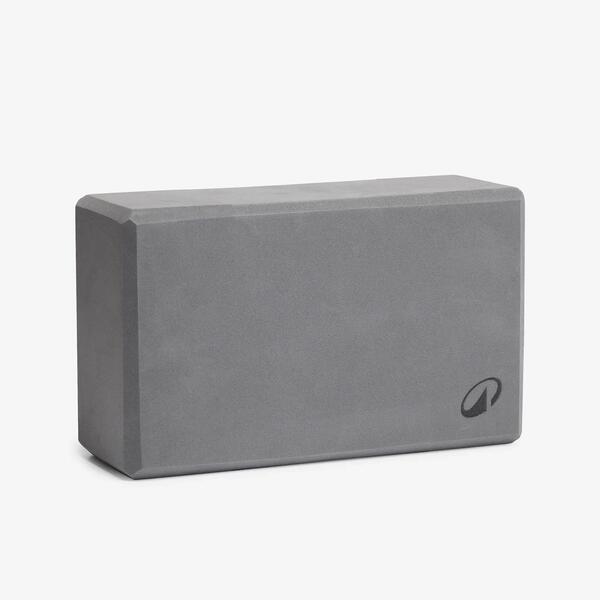
Foam and cork blocks, straps and bolsters for support.
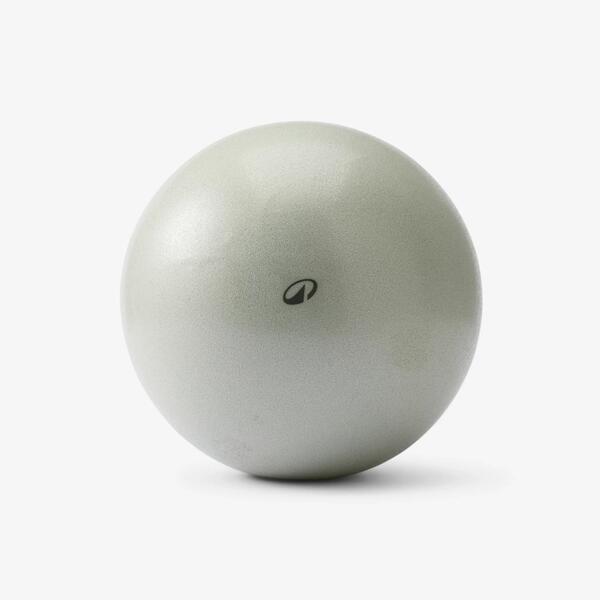
Balance boards, rollers, pilates balls and rings, plus mats.
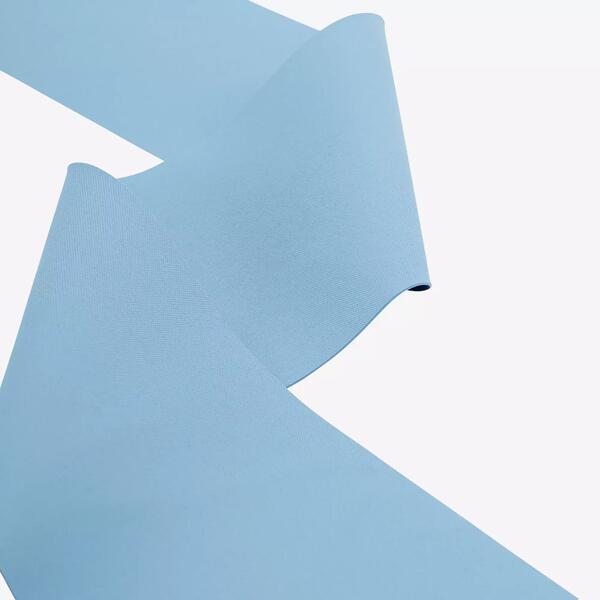
Flat pilates bands, loop bands and fabric glute bands.
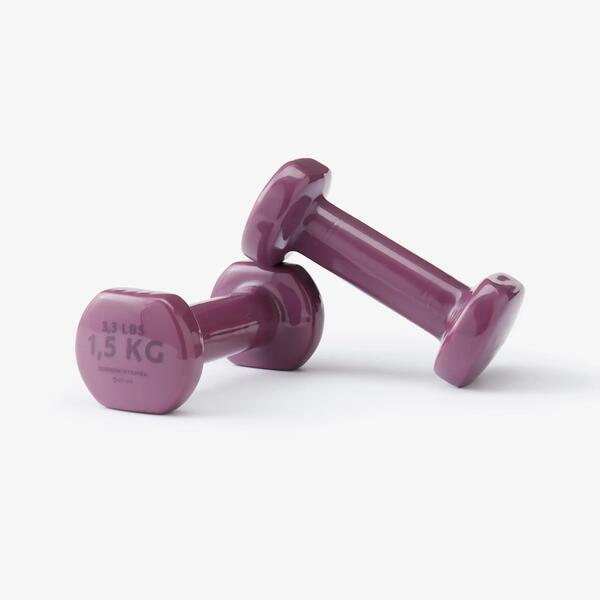
Light dumbbell pairs and small sets for pilates arm work.
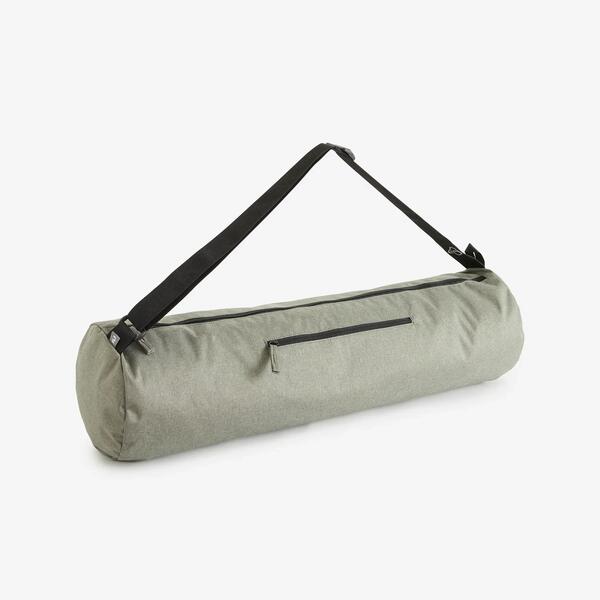
Sports bags and yoga mat bags to store your kit.
Clear a patch of floor a little longer and wider than your mat, with room to stretch your arms out. A spot near a wall is handy for balance work and storing props.
Thinner mats feel stable for standing yoga poses, while thicker ones are kinder on knees and spine during pilates floor work. If you do both, a mid-thickness mat is a sensible place to start.
Pilates is usually about control rather than heavy load. Start with light bands and small dumbbells, keep good form and add resistance only when every rep feels steady.
A studio you can pack away in a minute is one you will set up again tomorrow. A mat bag or sports bag keeps blocks, straps and bands together and off the floor.
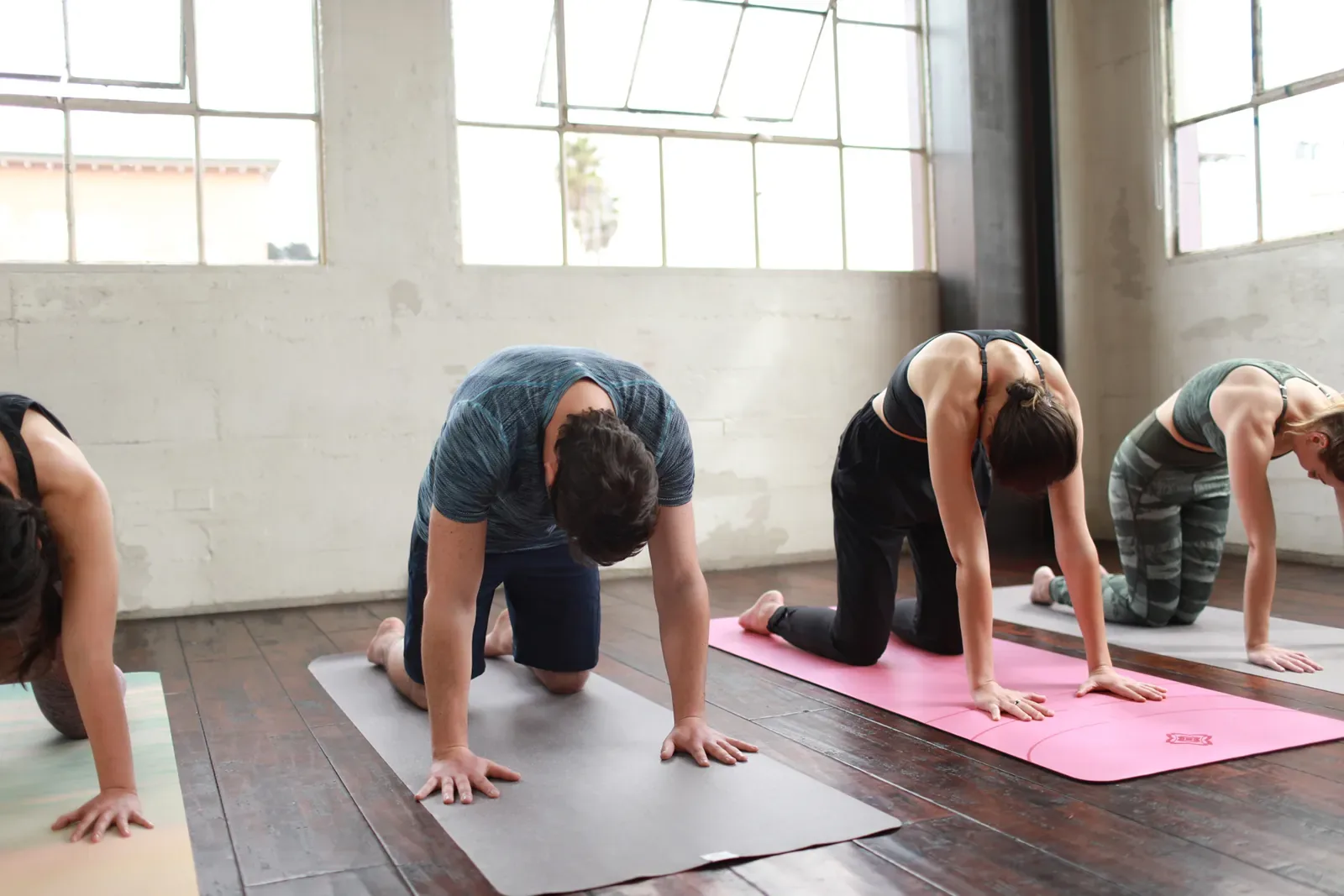
A mat, a block and a strap are enough to follow most beginner yoga and pilates videos at home.
Practising at home between classes is easier when your favourite props are close at hand.
Everything here rolls, stacks or packs into a bag, so a home studio can share a living room.
| Item | Why it matters | Tip |
|---|---|---|
| Yoga mat | Grip and cushioning for every session | Match thickness to the style you do most |
| Blocks and strap | Bring the floor closer in tricky poses | Start with two blocks and one strap |
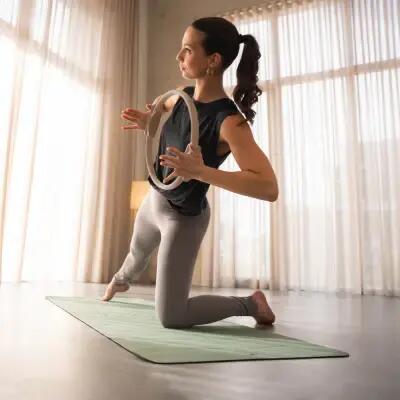
| Pilates ball or ring | Adds focus to core and inner thigh work | Squeeze gently and keep breathing |
| Resistance band | Light resistance for arms and legs | Check for nicks before each session |
| Light dumbbells | A little extra load for arm work | Choose a weight you can control slowly |
| Mat bag | Keeps your studio tidy between sessions | Store props inside so nothing goes missing |
Enough floor for your mat plus a little room on each side is a good guide, so you can stretch your arms and legs out without touching furniture. Check overhead too if you plan to raise your arms in standing poses. Everything on this page packs away, so the space can go back to normal afterwards.
Pilates mats tend to be thicker and softer because much of the work happens lying down or rolling on your spine. Yoga mats are often thinner and grippier so you feel stable in standing and balancing poses. If you do both, a mid-thickness mat with good grip covers most sessions.
We would start with a mat, two blocks and a strap, which cover most beginner classes. Add a small pilates ball or ring and a light resistance band once you know you enjoy pilates. Light dumbbells and a mat bag can come later as your routine settles.
Mat pilates with a ball, ring and bands covers many of the same muscle groups and is a good place to start. If you want the full reformer experience, we also stock foldable home reformers, which need more space and some setup. Many people try mat work first, then decide.
For most people, beginner sessions at home are a comfortable way to start, as long as you move slowly and stop if anything hurts. If you are pregnant, recovering from an injury or have a health condition, check with your GP or physio before you begin. A few classes with a qualified instructor can also help you learn safe technique.
A small, tidy home studio makes it easier to practise little and often. When you want to add more, our full fitness range is here.
Free delivery on orders over $150. Members get our lifetime warranty.