Winter socks add a warmer layer where cold weather often makes itself felt first. Worn inside your everyday shoes, hiking footwear or winter boots, they help keep your feet comfortably covered through chilly days outdoors. From cold mornings around town to weekends in the snow, they're an easy addition when temperatures start to drop.
Choose the level of warmth based on the conditions you'll be in and how long you expect to spend outdoors. Thicker or thermal socks can provide more insulation for colder temperatures, while lighter options may feel more comfortable during active pursuits or milder winter weather. Choose a thickness that gives you the warmth you need while leaving enough room for your feet to sit comfortably.
Material
Material affects how warm your winter socks feel and how well they handle moisture throughout the day. Merino wool is a popular option for its warmth and temperature regulation, while synthetic fibres can provide quick-drying performance and durability for regular outdoor use. Blended fabrics can offer a balance of warmth, breathability and easy care across different winter activities.
Cushioning and Reinforcement
Extra cushioning can improve comfort around areas that experience repeated pressure or friction, particularly during hiking, skiing and other winter activities. Look for targeted padding around the heel, toe or sole if you'll be spending long periods on your feet. Reinforced high-wear areas can also help the socks withstand regular use throughout the colder months.
Fit and Thickness
Winter socks should fit closely without bunching, slipping or creating folds inside your shoes or boots. Thicker socks provide more cushioning and insulation, but they also take up more space and can affect the fit of your footwear. Choose a thickness that gives you the warmth you need while leaving enough room for your feet to sit comfortably.
Everyday cold-weather users. You want warmer feet for commuting, travelling or spending time outdoors through winter. A comfortable pair with good insulation and a secure fit covers the essentials for regular cold-weather wear.
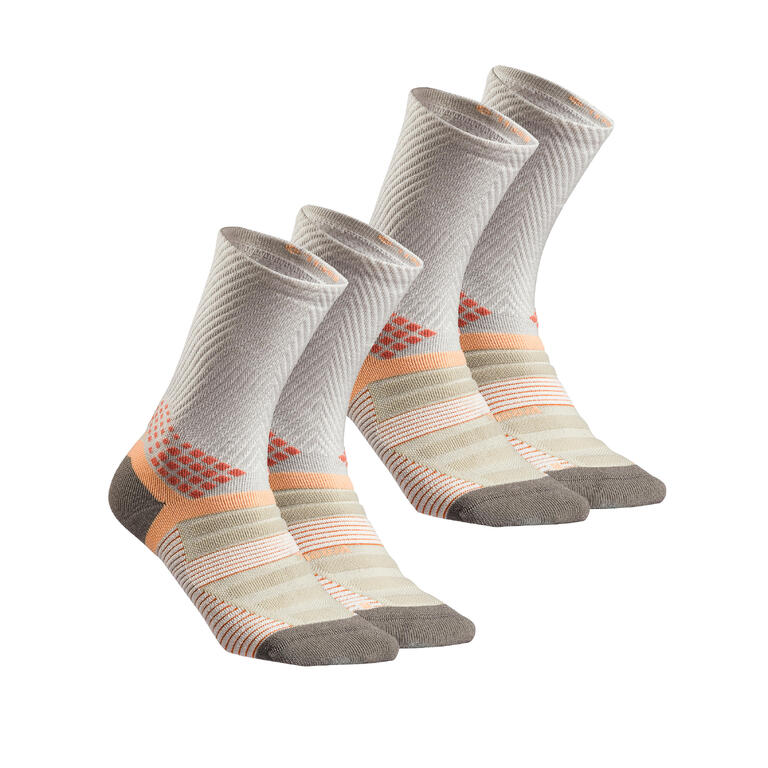
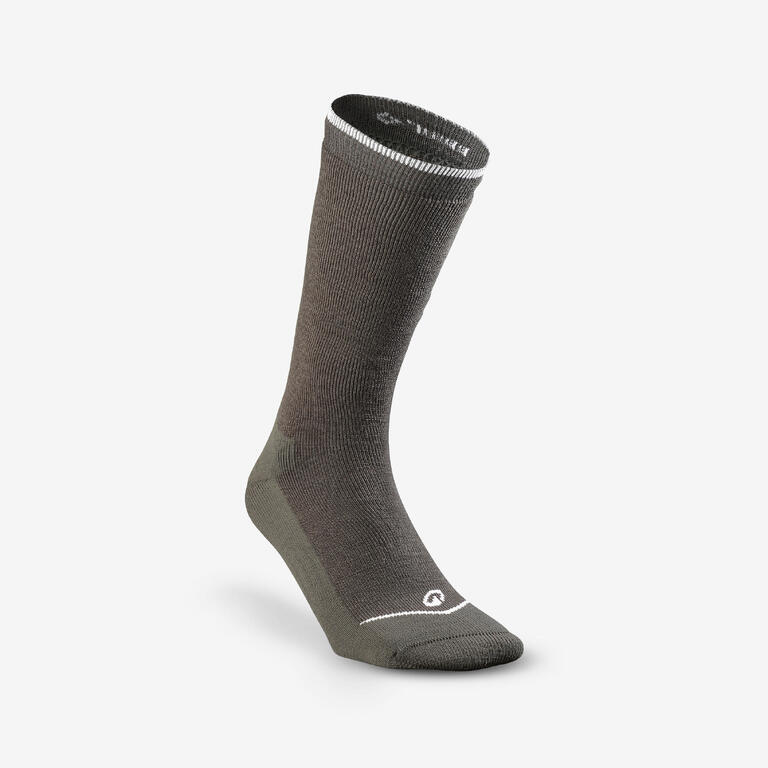
Winter hikers and trekkers. You spend longer periods walking outdoors and need socks that balance warmth with breathability. Look for moisture-managing fabric, cushioning and a close fit that stays comfortable inside hiking boots over distance.
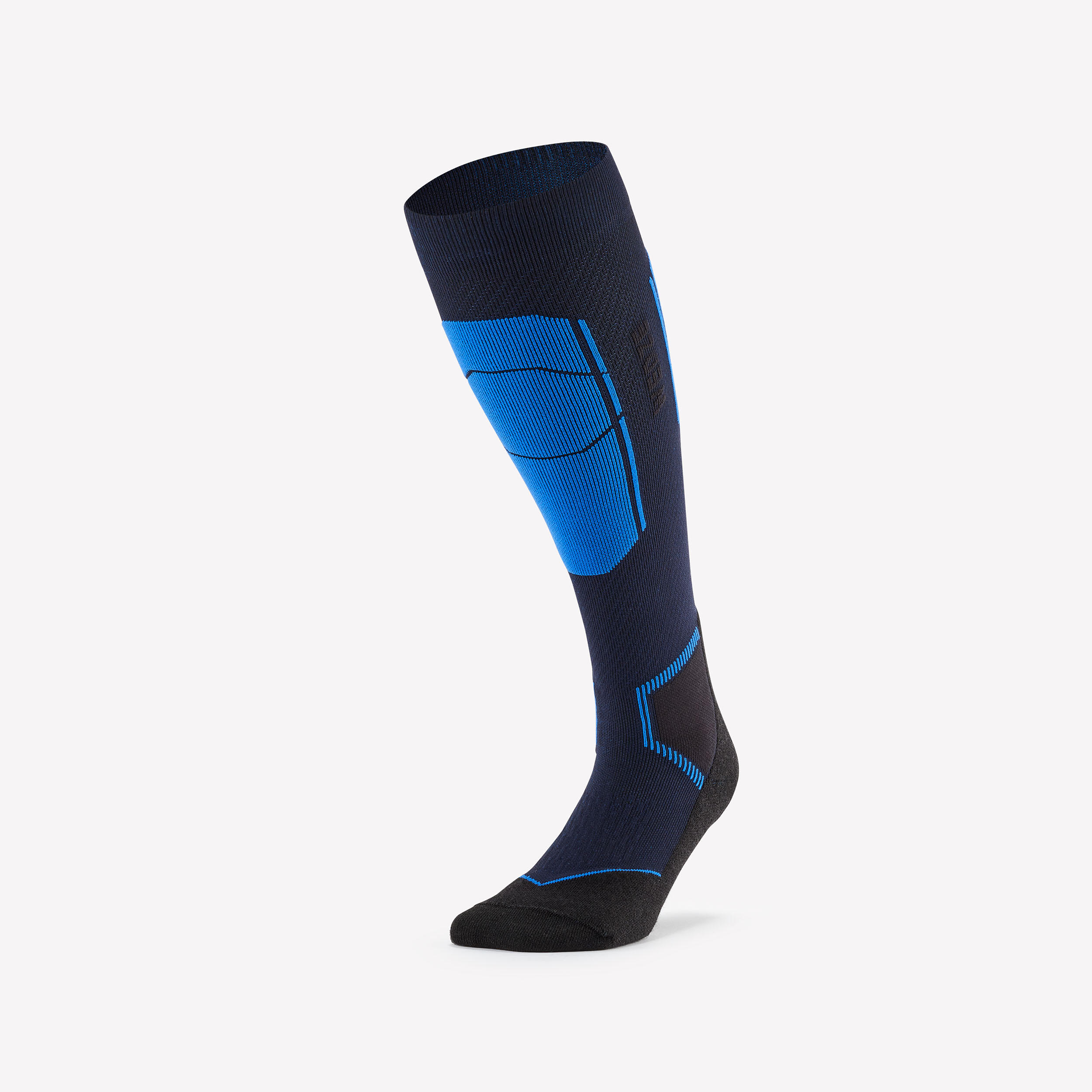
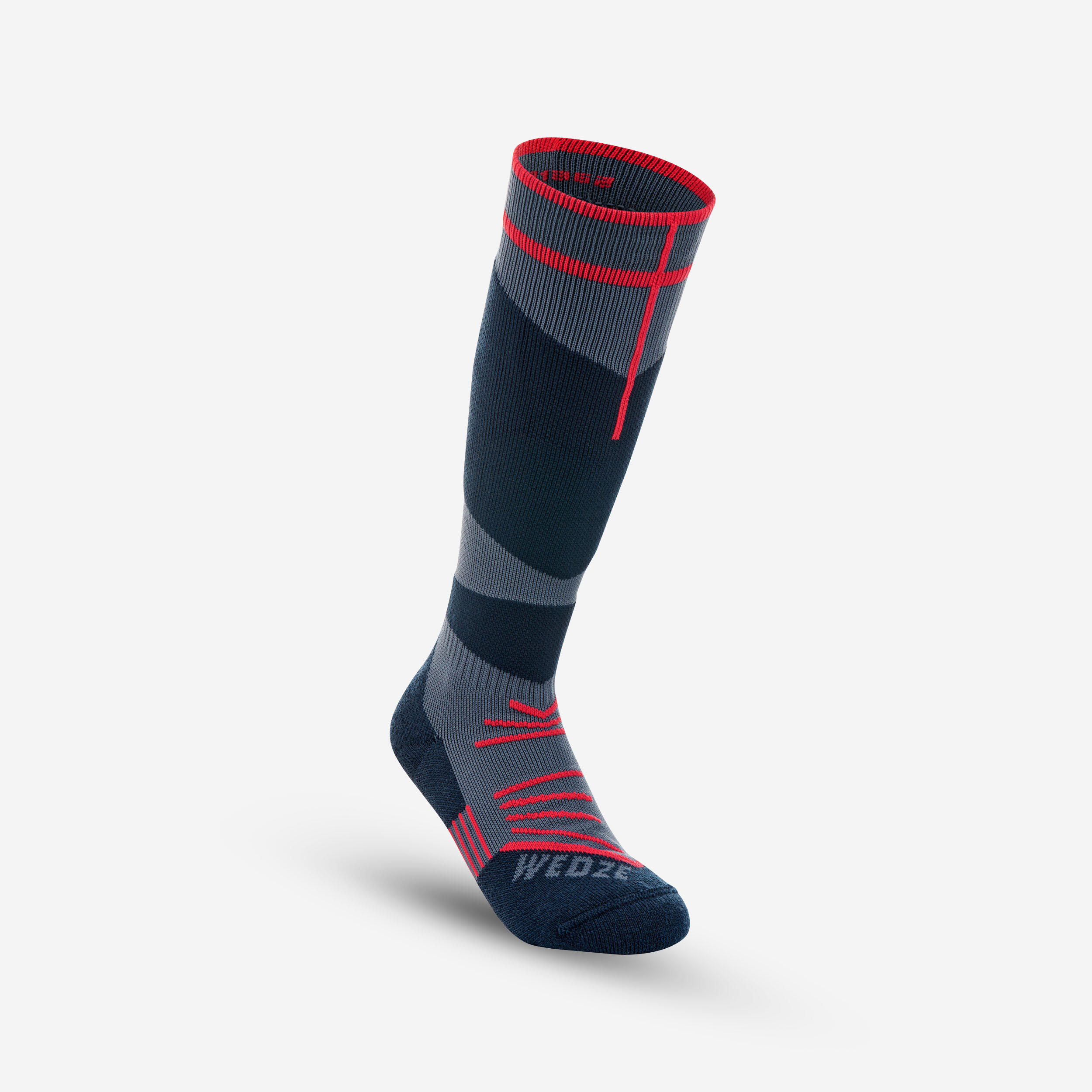
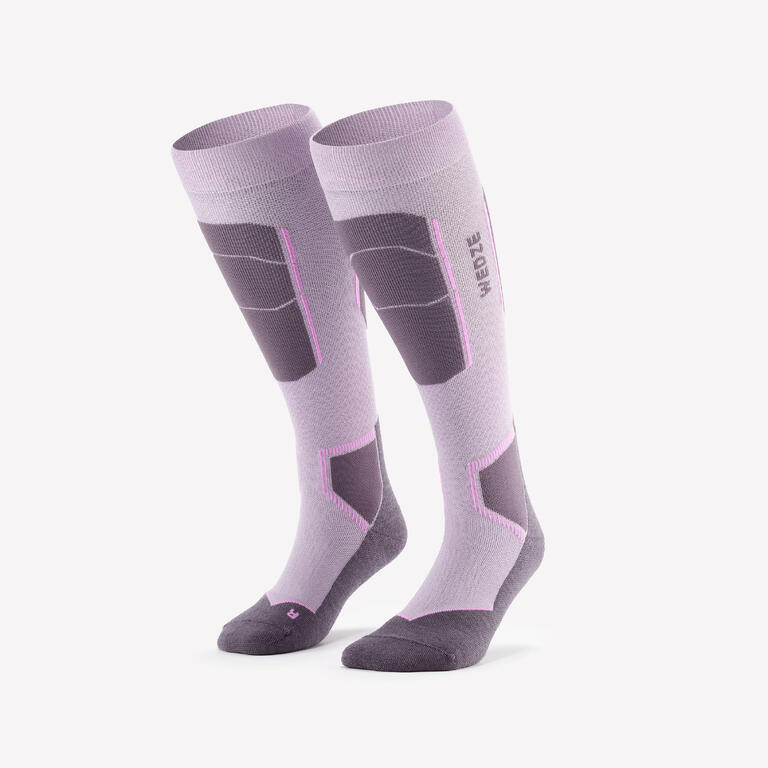
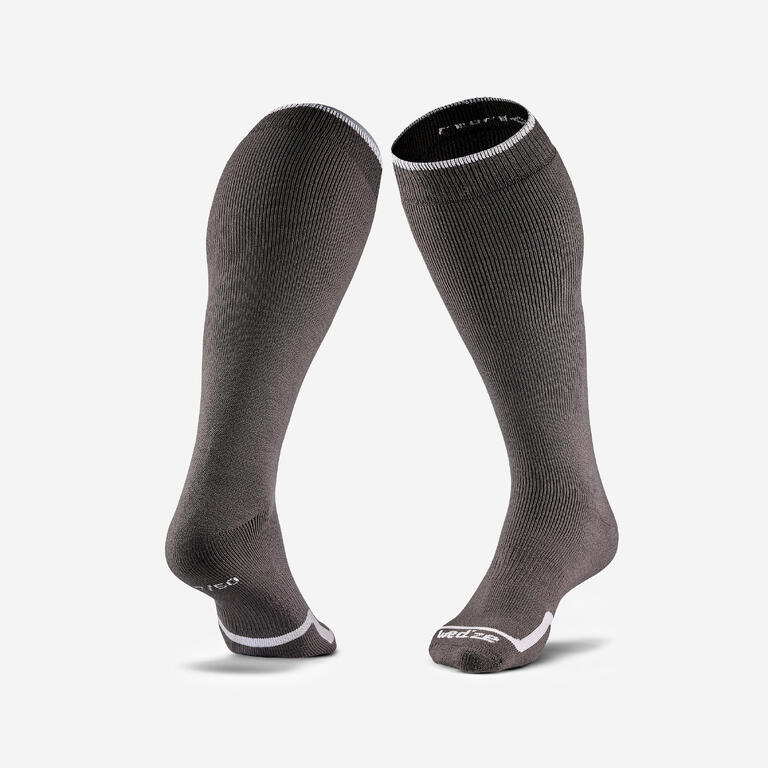
Skiers and snow-sports enthusiasts. You spend hours in fitted winter boots where warmth, moisture management and pressure protection all matter. Choose socks with targeted cushioning and enough insulation to stay comfortable without adding unnecessary bulk.
Caring for Your Winter Socks
Wash winter socks according to the care label, particularly wool or merino blends that may require gentler temperatures. Avoid excessive heat when drying, as some fibres can shrink and elastic sections may lose their shape. Let the socks dry completely rather than leaving damp pairs inside winter boots, where moisture and odour can build up. Proper care helps maintain their warmth, softness and fit through repeated wear.
Winter socks by type
Type
Best for
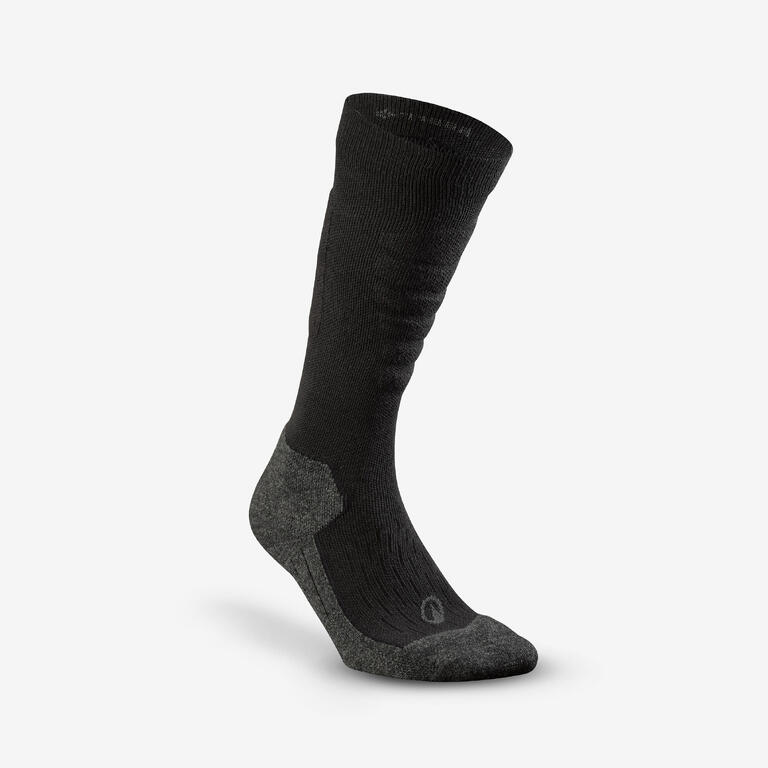
Wool winter socks
Everyday cold weather where warmth and temperature regulation matter.
Colder conditions where additional insulation is the priority.
Thermal winter socks
Active winter days where warmth without excessive bulk matters.
Lightweight winter socks
Boots and longer days outdoors where underfoot comfort is useful.
What type of socks are best for keeping feet warm in winter?
Look for socks that provide insulation whilst still managing moisture around your feet. Wool and wool blends are popular for cold conditions, whilst technical synthetic fibres can add durability and quicker drying. The best option also needs to fit comfortably inside your usual winter footwear.
Can I layer two pairs of socks for extra warmth?
You can, but two pairs aren't always warmer if they make your footwear too tight. Compressing your feet inside a boot can reduce comfort and create extra friction. One well-fitting winter sock that suits the temperature and footwear is often the better option.
Are wool or synthetic winter socks better?
Can winter socks make shoes or boots too tight?
Do I need different socks for skiing and everyday winter wear?
Both have advantages. Wool provides natural warmth and helps regulate temperature, whilst synthetic fibres can offer quick drying and durability. Many winter socks combine the two to balance warmth, moisture management and regular wear.
Yes. A thick winter sock takes up more room inside your footwear, which can create pressure if your shoes or boots already fit closely. Choose a thickness that adds the warmth you need without making your toes feel cramped or restricting comfortable movement.
Usually, yes. Ski socks are shaped for close-fitting ski boots and often include targeted cushioning around pressure points, while everyday winter socks focus more on general warmth and comfort. For casual cold-weather use, you usually don't need the specialised construction of a ski sock.
Keep Cold Feet Out of the Day
A cold morning, long winter walk or full day in the snow feels very different when your feet stay comfortable. Winter socks give you an extra layer where it counts, helping your footwear feel ready for lower temperatures and longer hours outdoors. With warm, dry feet taken care of, there's one less reason to cut a winter day short.
 All SportsMenWomenKidsAccessoriesEquipment and LeisureHealth & NutritionBest DealsNew ArrivalsMarketplace


 Hiking & Trekking
 Swimming
 Cycling
 Fitness (Yoga/Pilates)
 Camping
 Running