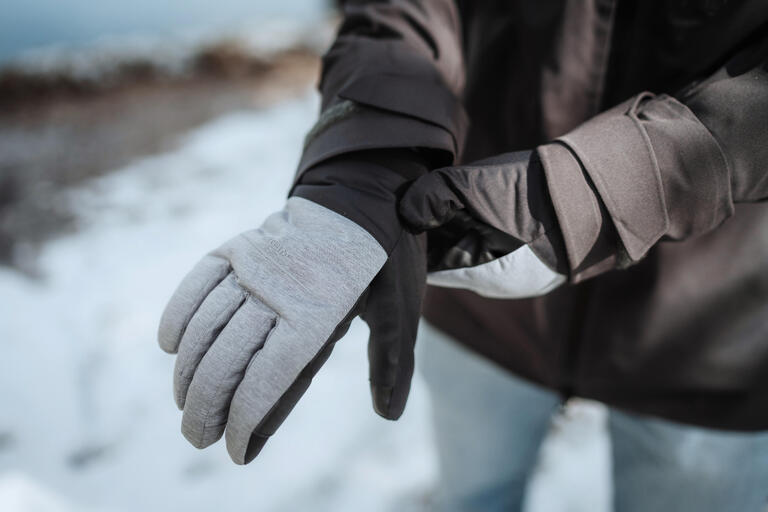
Cold mornings, winter walks, bike rides and days in the snow can all put your hands in chilly conditions. Winter gloves add the coverage you need to spend more time outside comfortably, with styles suited to different activities and weather. Keep a pair close when temperatures fall and make the most of wherever winter takes you.
Start with how and where you plan to use your winter gloves, as different activities call for different features. Cycling gloves benefit from wind protection and enough flexibility to operate controls, while hiking gloves need a balance of warmth, durability and dexterity for longer days outdoors. For skiing or other snow activities, waterproofing and insulation become more important because your hands are more likely to spend extended periods in cold, wet conditions.
Warmth
The amount of warmth you need depends on the temperature, how long you'll be outside and how active you'll be. Thicker insulation can suit colder conditions or activities with periods of low movement, while lighter gloves may feel more comfortable during active pursuits or milder winter weather. Aim for enough insulation to keep your hands comfortable without adding more bulk than your activity requires.
Fit and Dexterity
Winter gloves should fit securely without feeling tight or leaving too much empty space around your fingers. A closer, more flexible fit makes it easier to grip equipment, adjust clothing and handle everyday items, while thicker insulation can reduce some finger movement in exchange for extra warmth. Choose a fit that gives you enough dexterity for your activity without compromising the protection you need.
Weather Protection
Wind and moisture can make cold conditions feel considerably harsher, so insulation isn't the only protection to consider. Wind-resistant gloves can be useful for cycling and exposed walks, while waterproof or water-resistant designs are better suited to rain, wet snow and other damp conditions. Match the level of protection to the weather you're most likely to encounter.
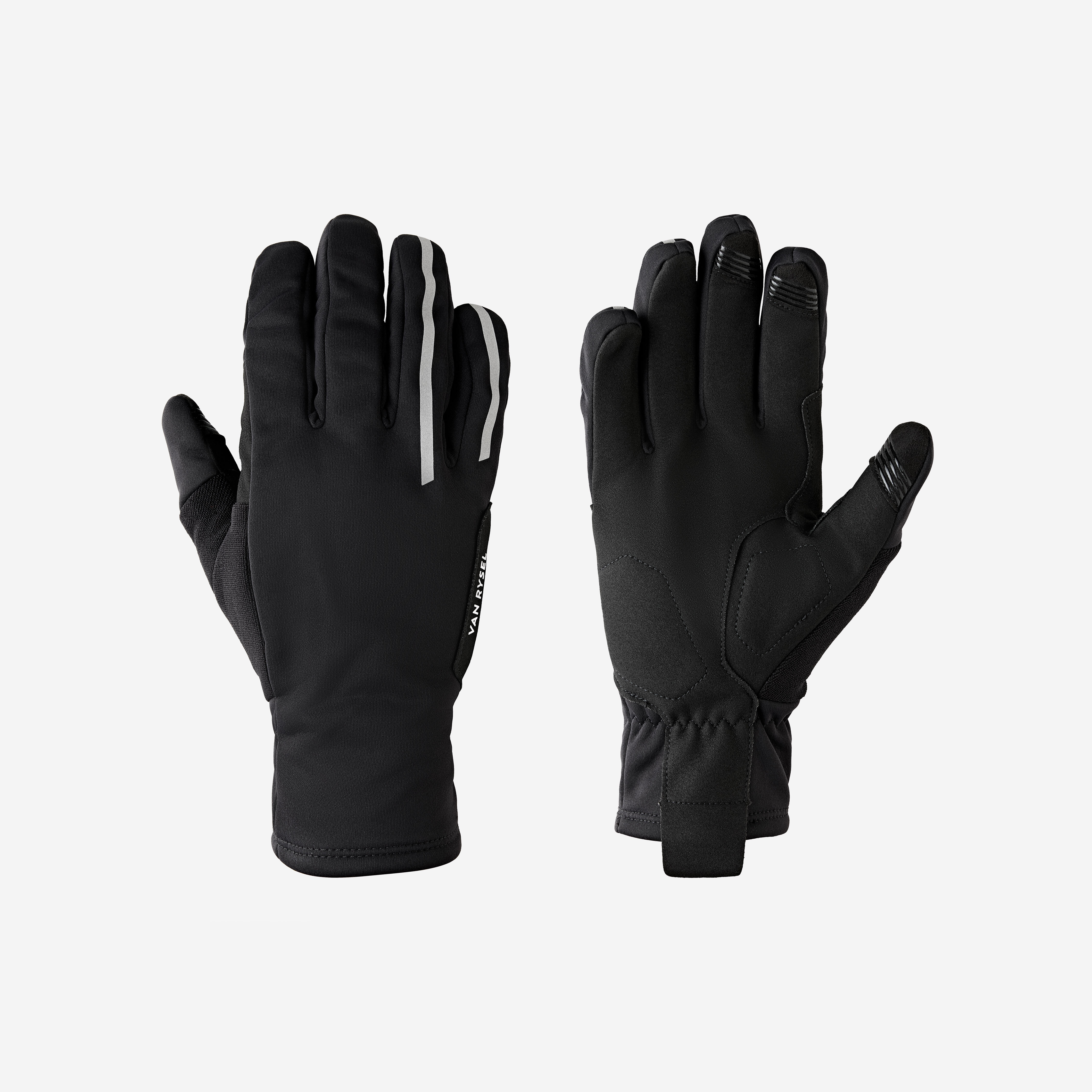
Cold-weather cyclists. You ride through winter for commuting, training or weekend trips and need your hands to stay comfortable and functional. Look for wind protection, warmth and enough dexterity to operate brakes and gears easily.
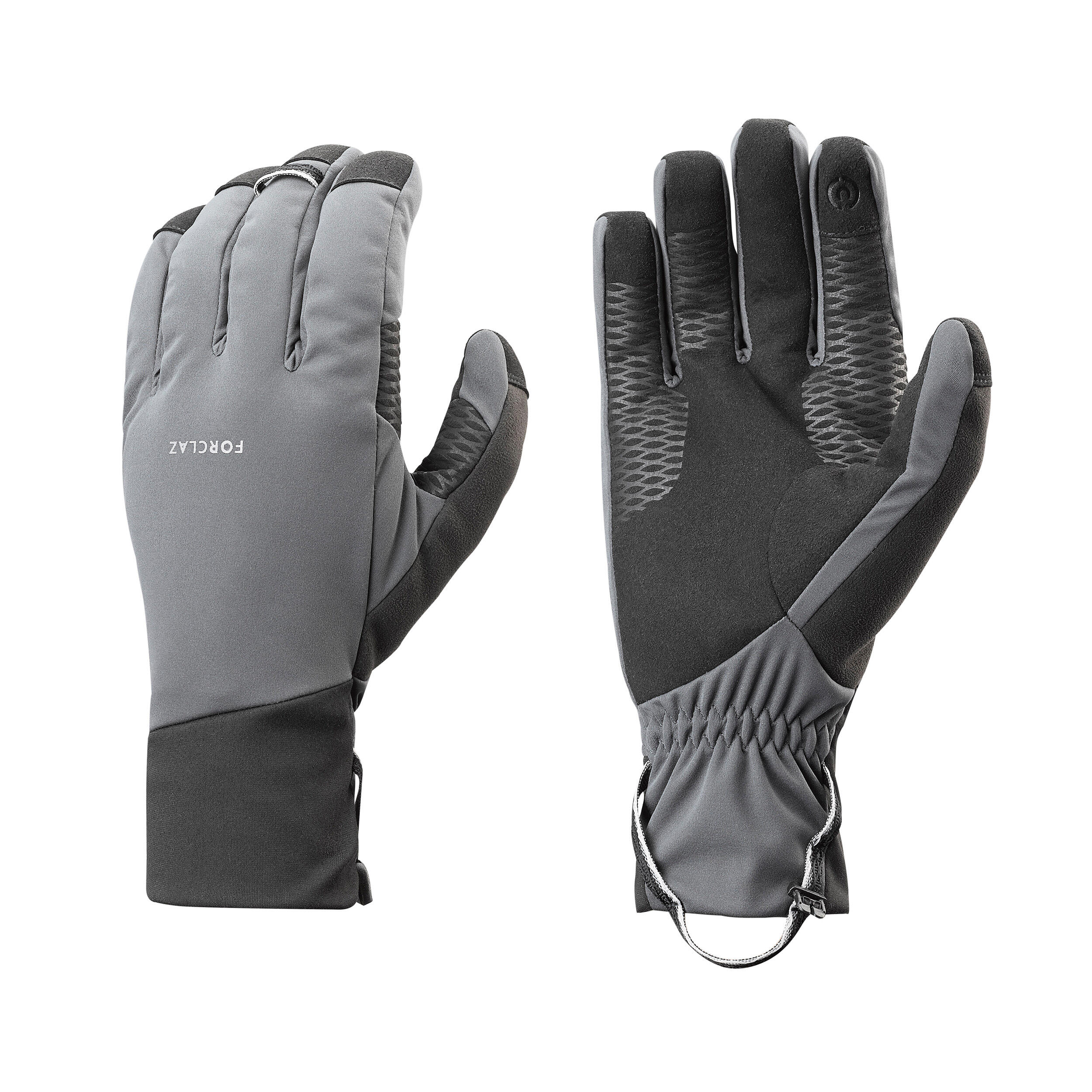
Hikers and trekkers. You spend long stretches outdoors where changing temperatures, wind and repeated use put gloves to the test. A warm, wind-resistant pair with good durability and enough flexibility to handle your gear works well on winter trails.
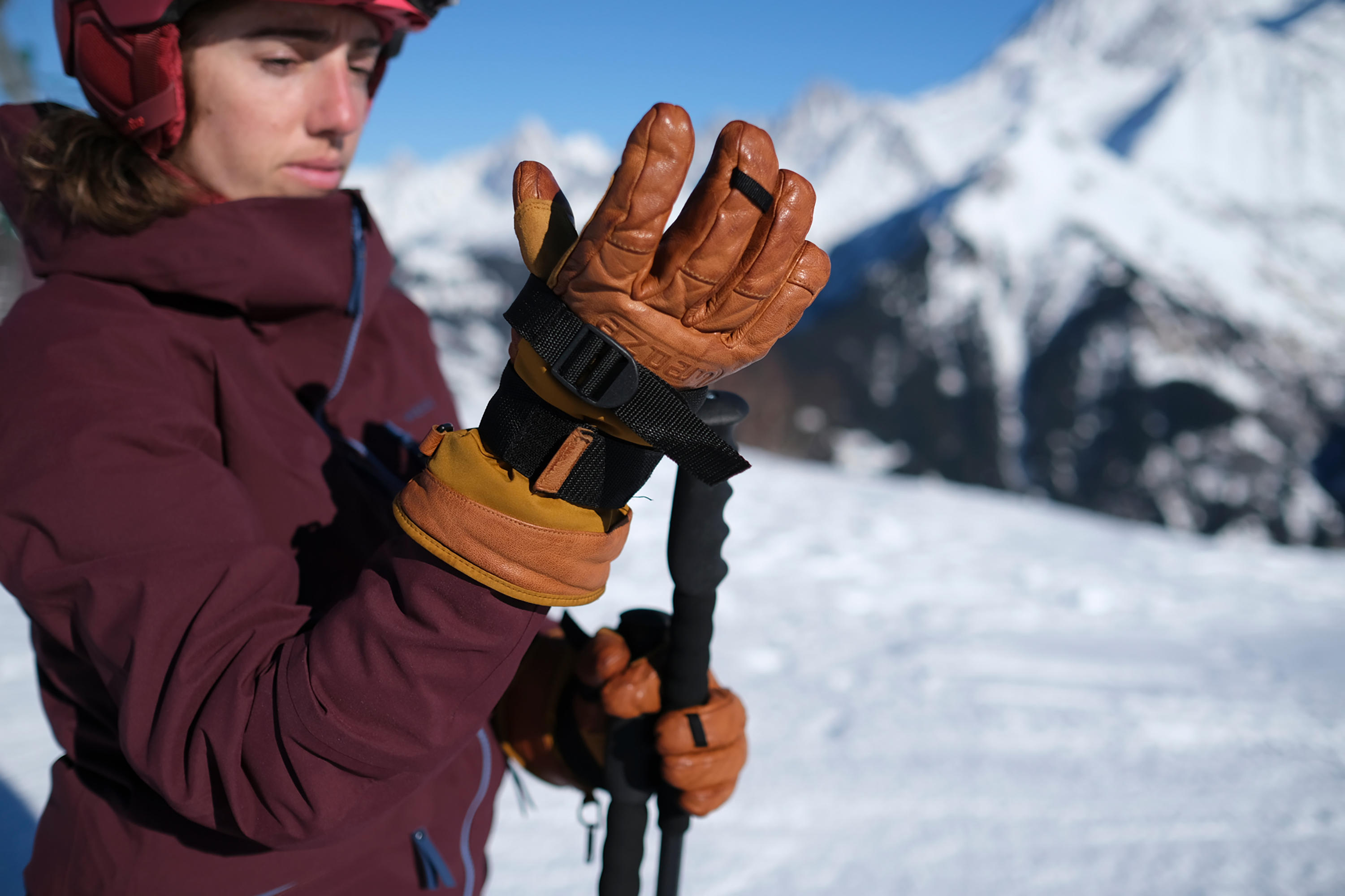
Skiers and snow-sports enthusiasts. You spend hours around snow and moisture, making waterproofing and insulation bigger priorities. Look for solid waterproof protection, secure cuffs and enough warmth to keep your hands comfortable through a full day outside.
How to Care for Winter Gloves
Brush away surface dirt, snow and moisture after use and let winter gloves dry fully before storing them. Keep them away from radiators or other direct heat sources, particularly if they contain insulation, waterproof membranes or leather components. Follow the care label when deeper cleaning is needed, as different materials require different treatment. Make sure the lining is dry as well as the outer fabric before putting the gloves away.
Winter gloves by type
Type
Best for
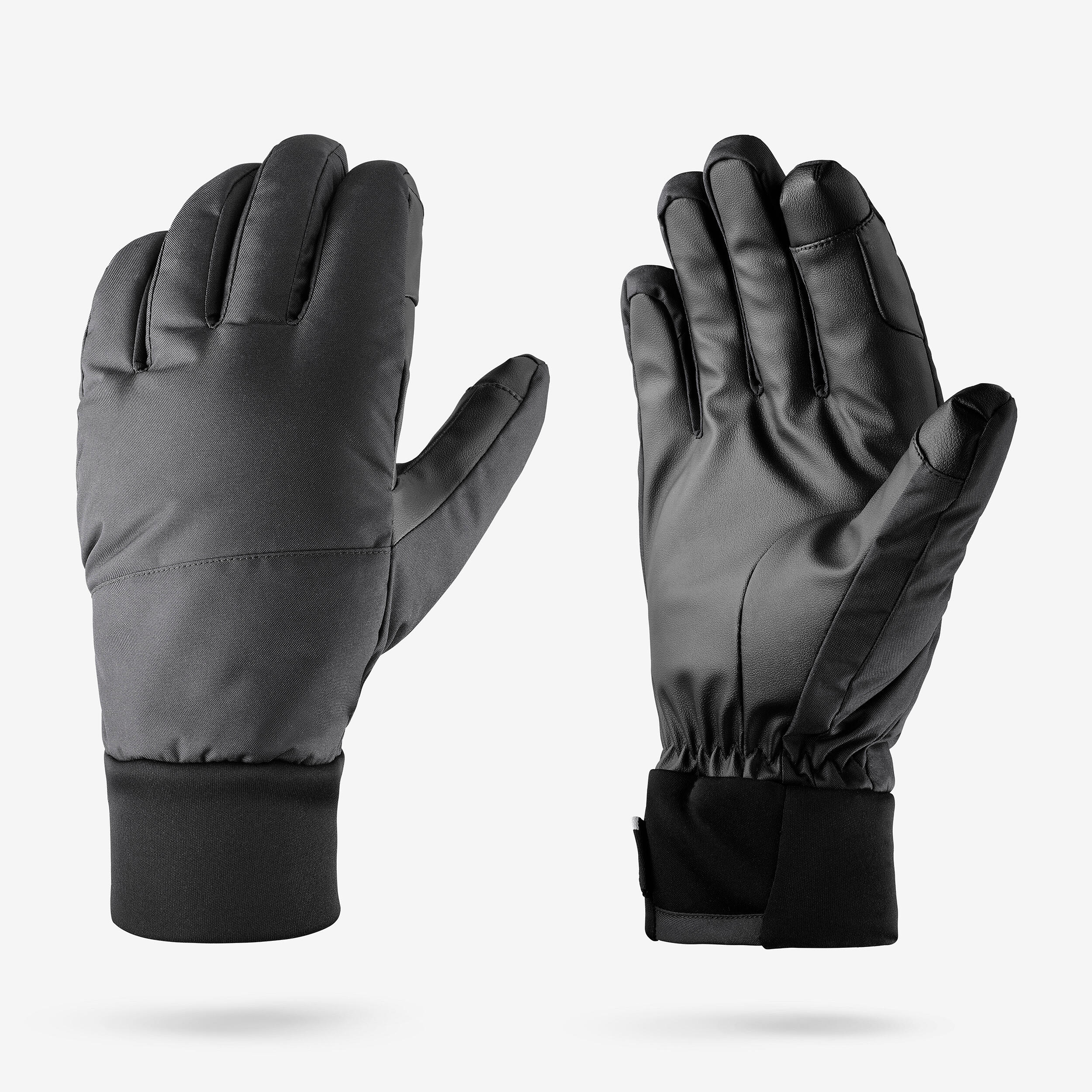
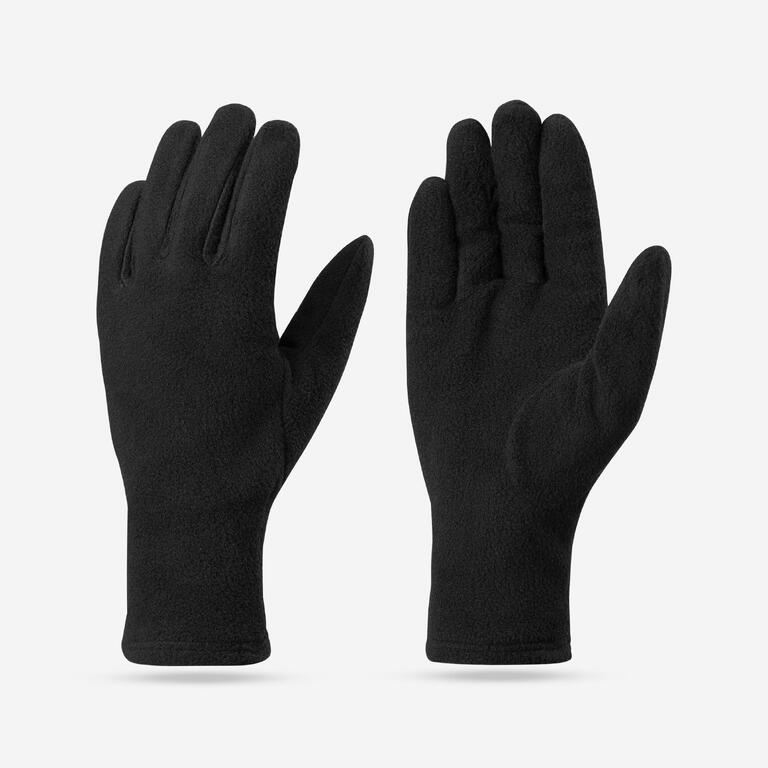
Insulated winter gloves
Everyday cold-weather use where warmth is the main priority.
Cycling and hiking where protection from cold wind matters.
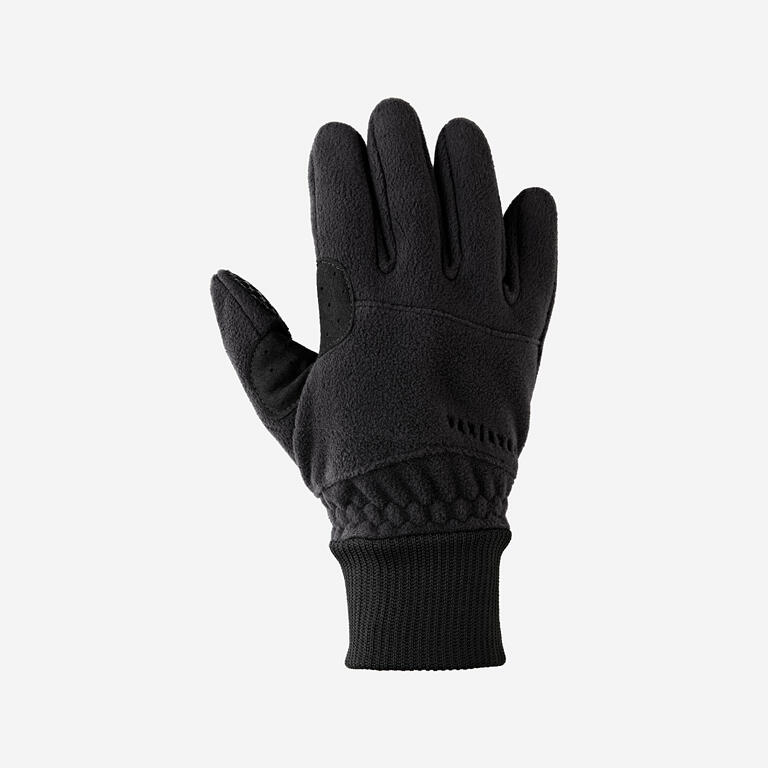
Windproof winter gloves
Rain and wet snow where keeping moisture out is important.
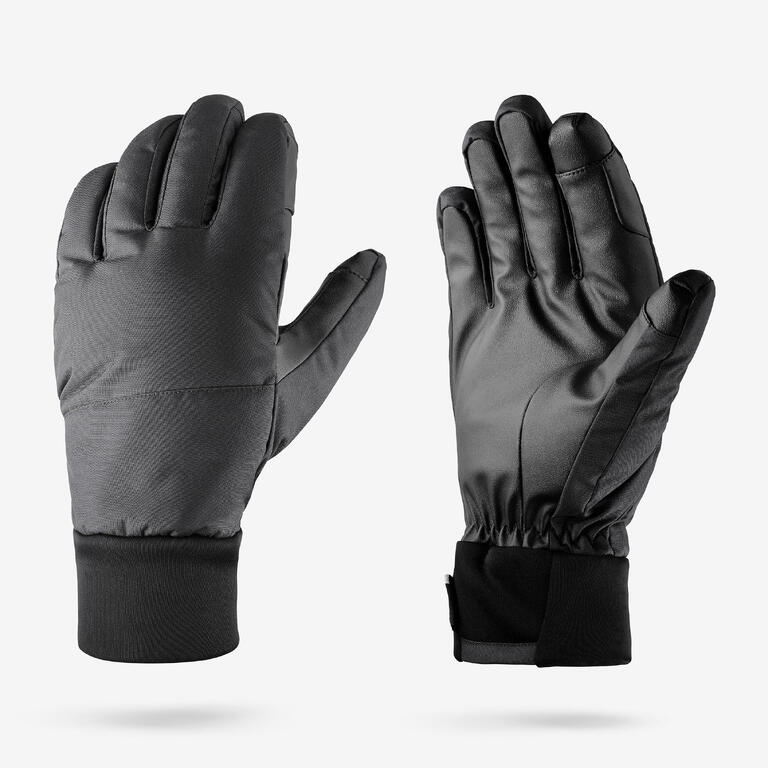
Waterproof winter gloves
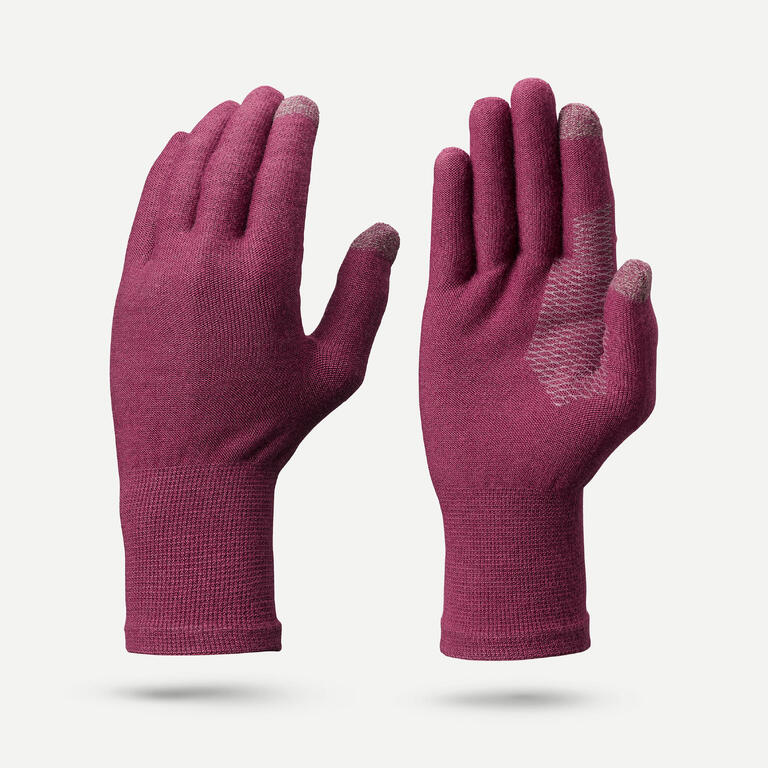
Everyday use when you need to operate a phone outdoors.
Warmth depends on insulation as well as protection from cold wind and moisture. A well-insulated glove with good weather protection can keep your hands warmer than simply choosing the thickest pair available. Consider how cold the conditions are and how active you'll be when deciding how much insulation you need.
How should winter gloves fit?
Winter gloves should feel secure without squeezing your hands or restricting finger movement. A fit that's too tight can compress the insulation, whilst an overly loose glove can make gripping and handling things more difficult. Check the product's hand measurements or size guide to find the closest fit.
Do winter gloves need to be waterproof?
Do I need different winter gloves for different activities?
Are touchscreen winter gloves worth it?
Not always. Waterproof gloves are particularly useful for wet snow, rain or activities where your hands may be exposed to moisture for longer periods. For cold but dry conditions, wind protection and insulation may matter more than full waterproofing.
It can be worthwhile because different activities place different demands on your gloves. Cycling generally calls for dexterity and wind protection, hiking benefits from flexibility and durability, whilst skiing requires stronger protection from snow and moisture. For everyday winter use, a versatile insulated pair may be enough.
They can be if you regularly check your phone, maps or other touchscreen devices whilst outdoors. Touchscreen-compatible fingertips let you perform basic tasks without removing your gloves and exposing your hands to the cold. Responsiveness can vary between different gloves and devices.
Keep Cold Hands From Slowing You Down
A winter commute, exposed hike and day in the snow can all call for different levels of hand protection. What matters is having enough warmth and weather protection for the conditions without giving up the movement you need. Choose winter gloves around the way you spend time outdoors and keep your hands comfortable when temperatures drop.
 All SportsMenWomenKidsAccessoriesEquipment and LeisureHealth & NutritionBest DealsNew ArrivalsMarketplace

 Hiking & Trekking
 Swimming
 Cycling
 Fitness (Yoga/Pilates)
 Camping
 Running