A whistle does one job: be heard. Starting play, leading a training session or gathering a group outdoors, clear communication matters. A whistle with reliable sound, durable construction and a comfortable design helps every signal carry clearly, so you can stay focused on the activity instead of repeating yourself.
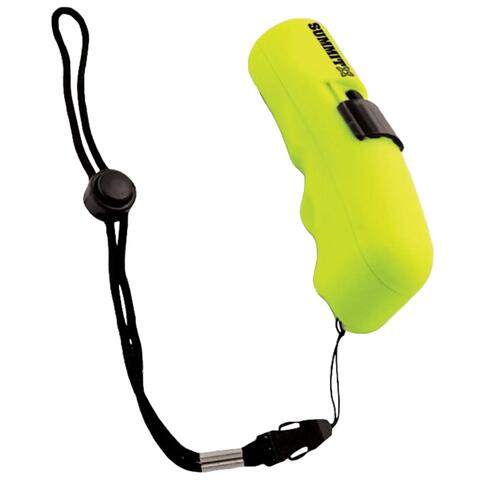
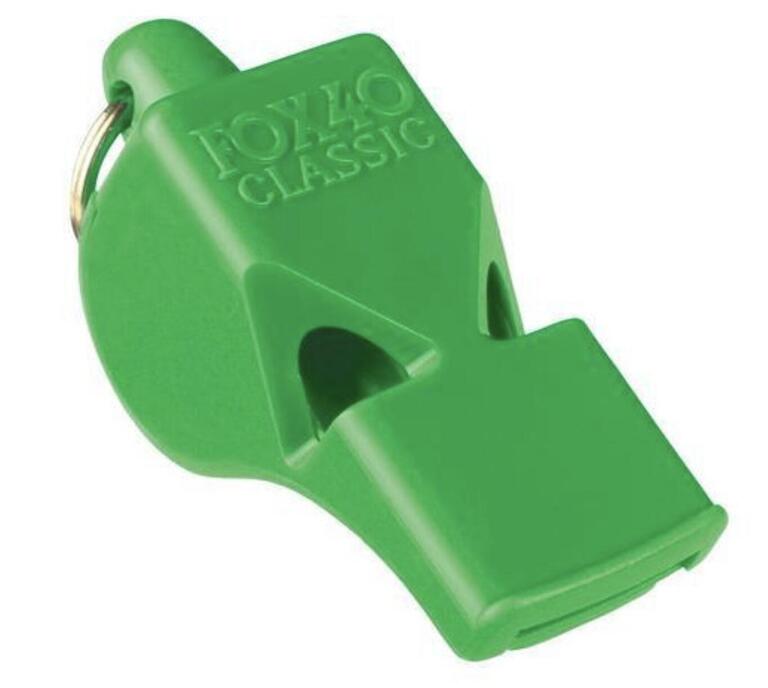
The design of a whistle affects how it performs in different conditions. Traditional pea whistles produce the classic whistle sound, while pealess designs provide consistent performance even in wet weather and are less likely to jam. If you'll be using your whistle outdoors or in all weather conditions, a pealess design is often the more reliable choice.
Material
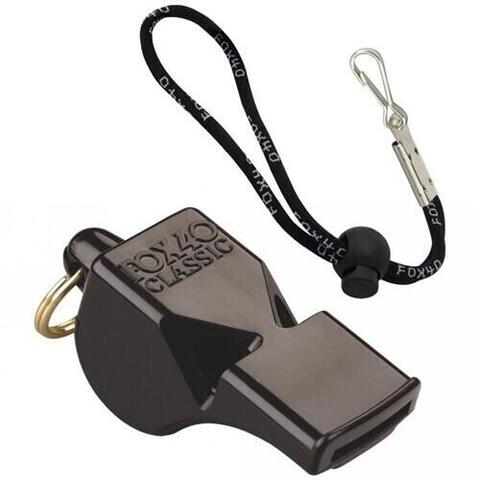
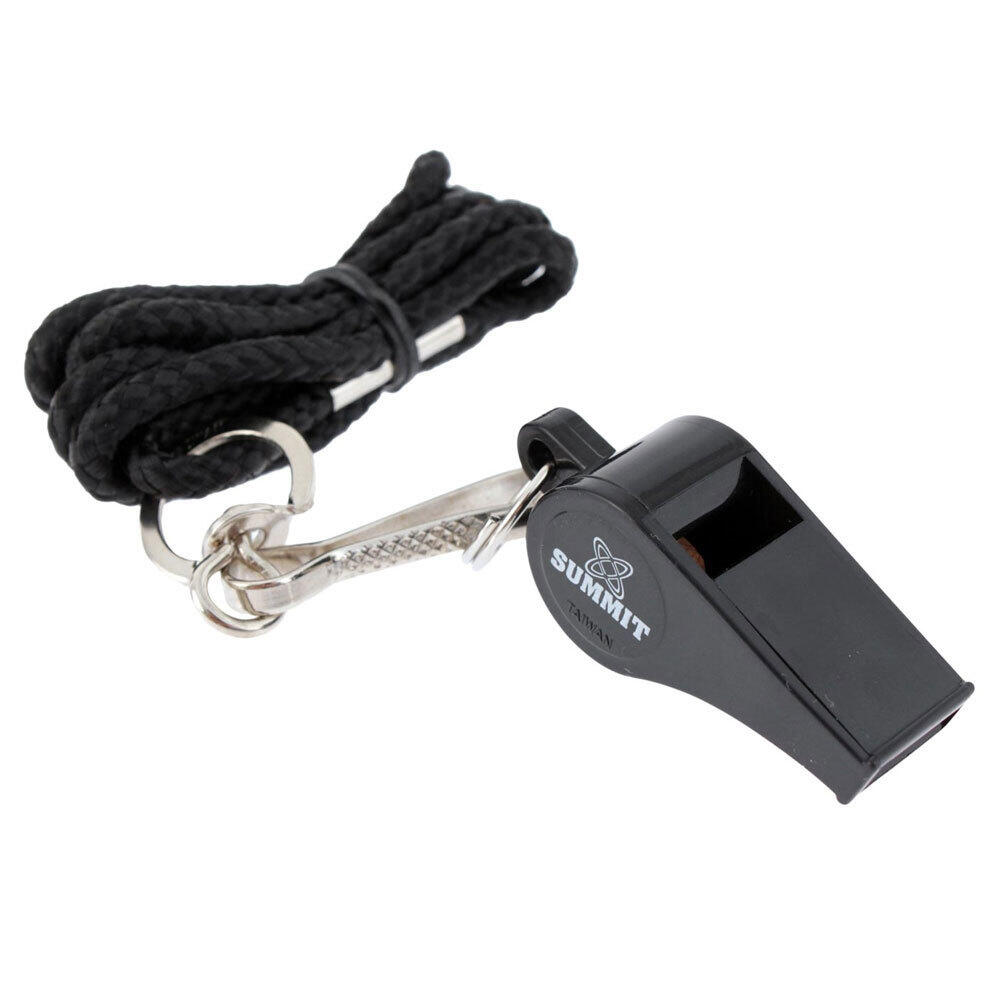
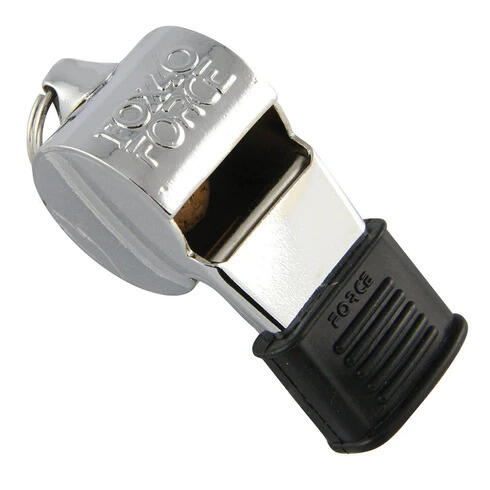
Whistles are commonly made from plastic or metal, with each offering different advantages. Plastic whistles are lightweight and practical for everyday coaching, training and school sports, while metal whistles are durable and often produce a sharper, more powerful sound. Consider how often you'll use the whistle and the environment you'll be using it in.
Grip and Comfort
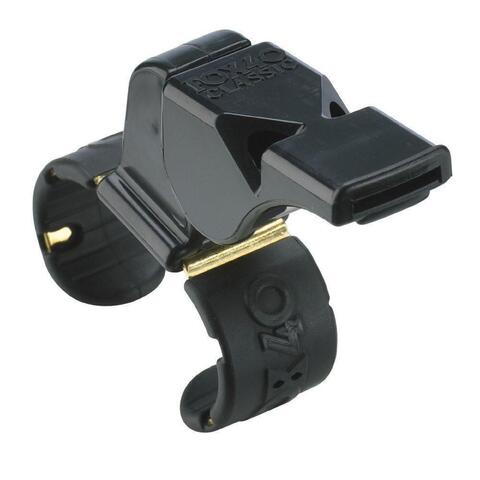
A whistle should be comfortable to use throughout training sessions or matches. Lightweight designs help reduce fatigue, while features such as finger grips or lanyards make the whistle quicker and easier to access when you need it. Choosing a comfortable design helps you stay focused on the game rather than your equipment.
Sound Output
A whistle should produce a clear, consistent sound that's easy to hear over players, crowds or background noise. Louder whistles are better suited to large outdoor fields, while a moderate sound level may be suitable for smaller indoor spaces. Choosing the right sound output helps ensure your signals are heard when they matter most.
Coaches and referees. You use a whistle regularly during training or matches. You need reliable sound that cuts through noise and lasts through intense use.
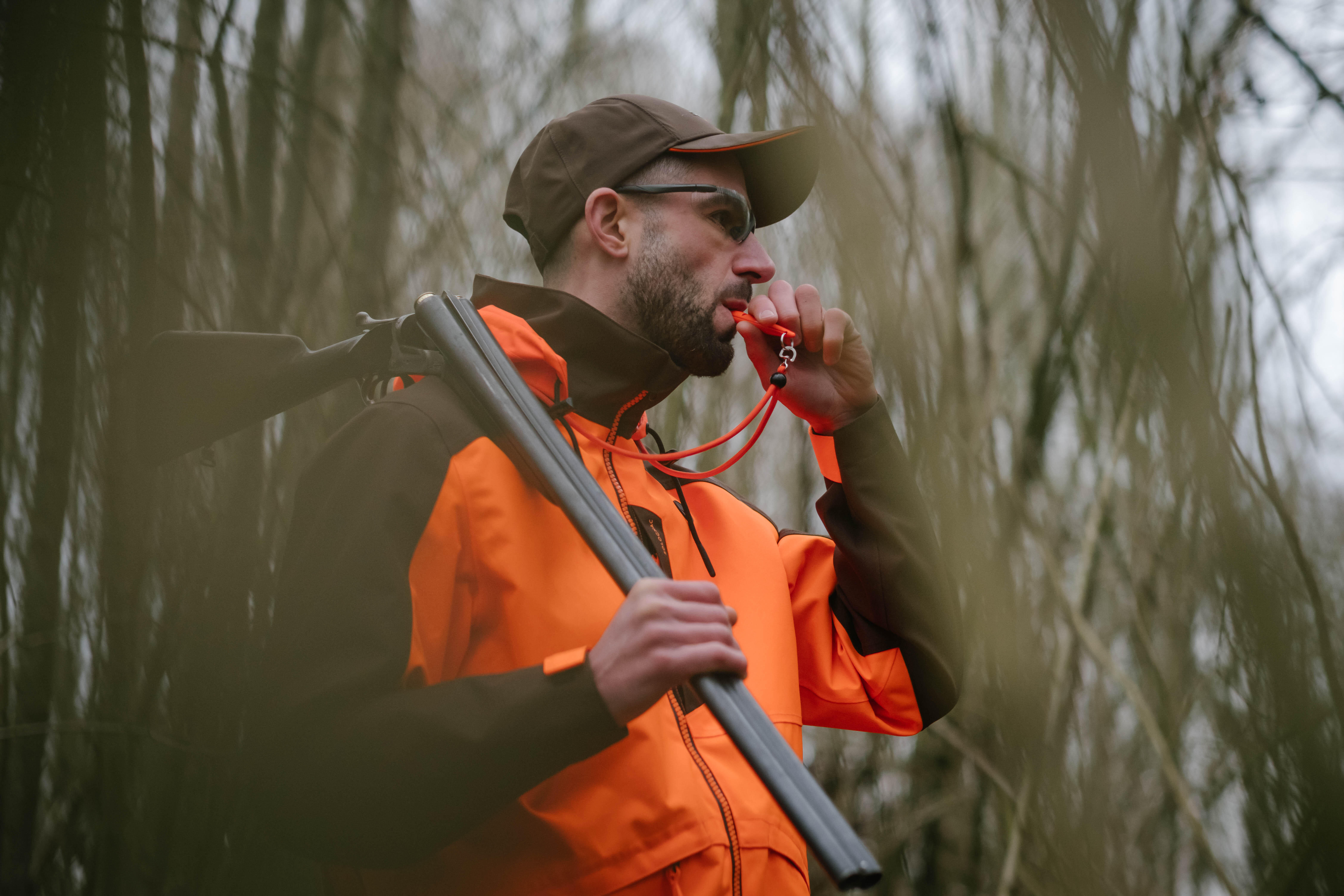
Outdoor leaders and instructors. You need a whistle that works in all weather and carries long distances. Durability and consistent tone in wet conditions are essential.
Safety and emergency use. You need a whistle that's heard in emergencies and works reliably every time. Sound projection and durability aren't optional.
How to care for your whistle
Rinse with fresh water after use in salt water or sandy conditions, as salt causes rapid corrosion. Dry completely before storing to prevent tone degradation and material breakdown. If your whistle sounds muffled or weak, clean the inside carefully or have it professionally serviced rather than replacing it. Store on a lanyard or in a protective case so it's accessible when needed and less likely to get lost or damaged. Test regularly during off-season to ensure it still works reliably when you need it.
Whistles by type
Type
Best for
Plastic whistles
School sport, casual coaching and everyday signalling.
Regular coaching, refereeing and long-term durability.
Metal whistles
Wet weather, outdoor sports and consistent performance.
Pealess whistles
Large playing fields, busy environments and long-distance communication.
The best whistle depends on the sport and your environment. Many coaches and referees prefer whistles that produce a clear, consistent sound and are comfortable to use throughout training sessions and matches.
Does whistle material make a difference?
Yes. Plastic whistles are lightweight and practical for everyday use, while metal whistles are often chosen for their durability and distinct sound. The right material depends on where and how you'll use your whistle.
How loud should a whistle be?
Can I use the same whistle for different activities?
What's the difference between a pea and pealess whistle?
A whistle should be loud enough to be heard clearly over background noise without causing unnecessary strain. The right volume depends on your environment, with larger outdoor spaces typically requiring a more powerful sound.
Yes. Many whistles are suitable for coaching, refereeing, school sport and outdoor activities. Choosing a durable, easy-to-use whistle makes it a versatile option for a range of situations.
Pea whistles produce a traditional trilling sound using a small moving ball inside, while pealess whistles create a consistent tone without moving parts. Pealess whistles are often preferred for outdoor sports because they perform reliably in different weather conditions.
Be Ready When Every Signal Matters
A reliable whistle does more than capture attention. It helps every instruction, call and signal carry clearly, on the field, in the classroom or outdoors. Explore the range to find a whistle that delivers the performance and reliability you can count on.
 All SportsMenWomenKidsAccessoriesEquipment and LeisureHealth & NutritionBest DealsNew ArrivalsMarketplace

 Hiking & Trekking
 Swimming
 Cycling
 Fitness (Yoga/Pilates)
 Camping
 Running
