Beginner surfers
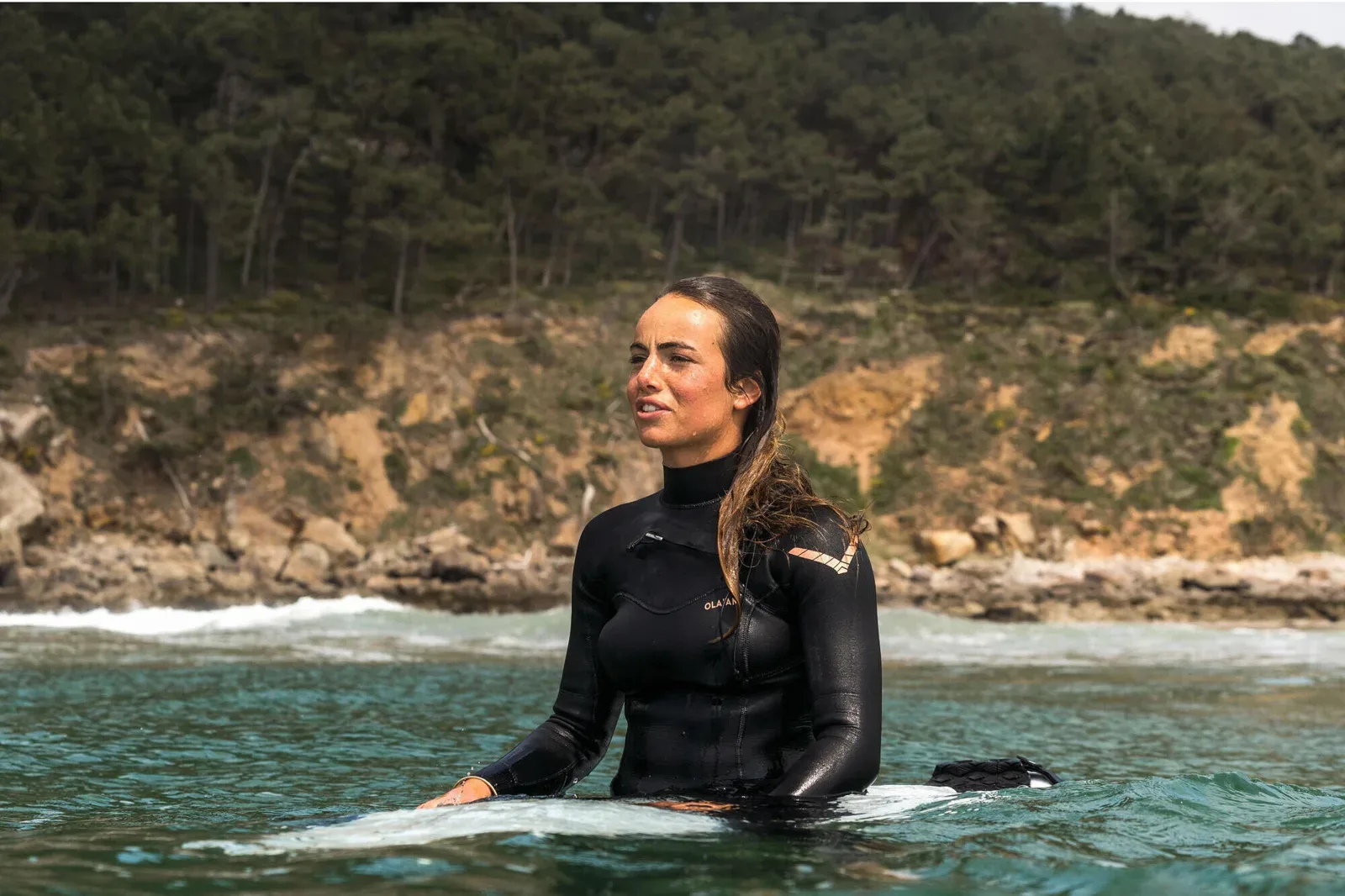
A back-zip shorty for summer or a 3/2 steamer for cooler months keeps things simple while you learn.
The right wetsuit depends mostly on the water you surf or swim in. We'll walk you through shorties, springsuits and full steamers by water temperature, so you stay warm and can still move freely.
Options from our women's wetsuit range, plus UV wear for warm days.
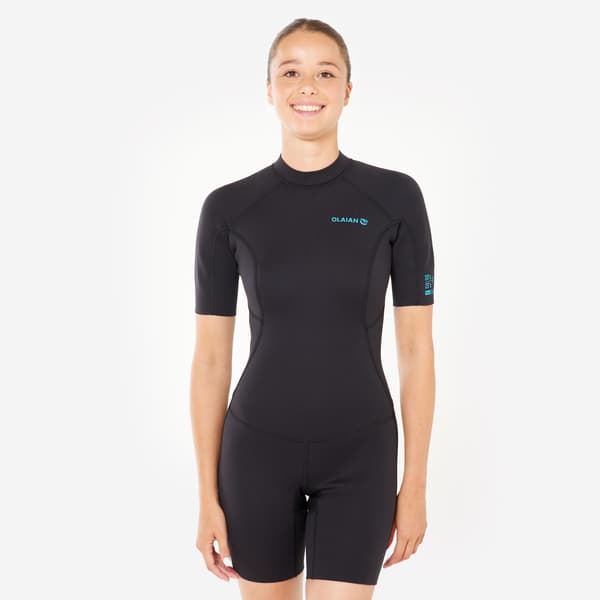
Short-sleeved shorties for warm-water surf and swims.
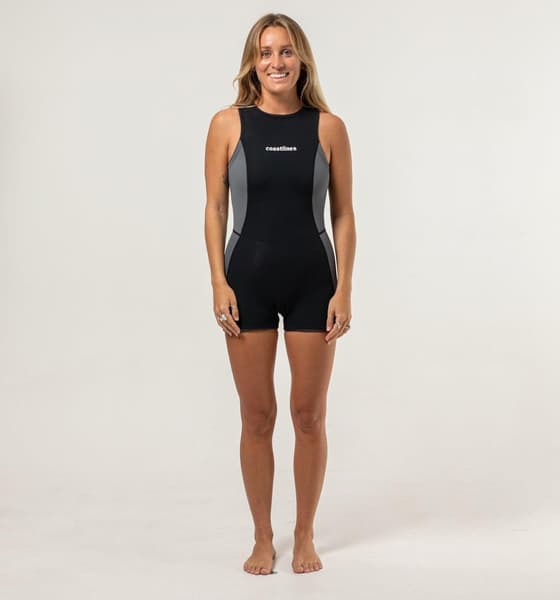
Springsuits that keep your core warm on milder days.
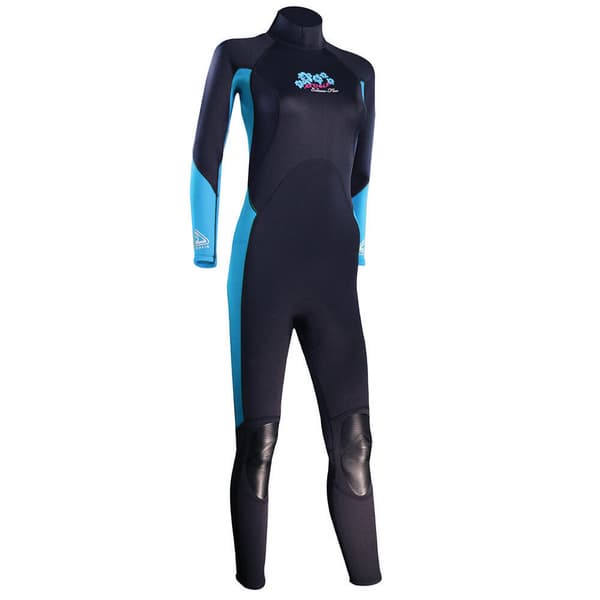
Full 3/2 steamers for cooler water and longer sessions.
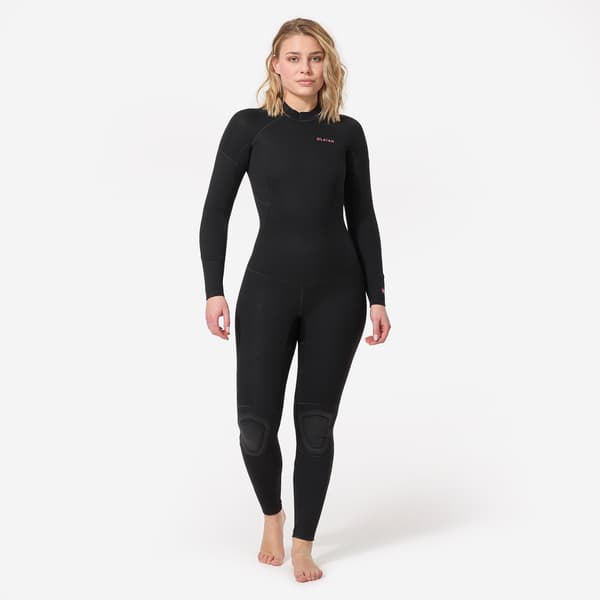
Thicker 4/3 suits for water around 12 to 17°C.
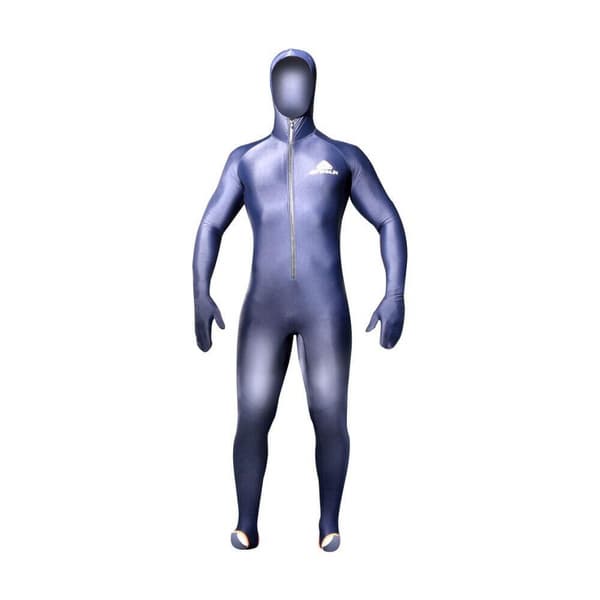
Lycra suits that cover skin from sun and stingers.
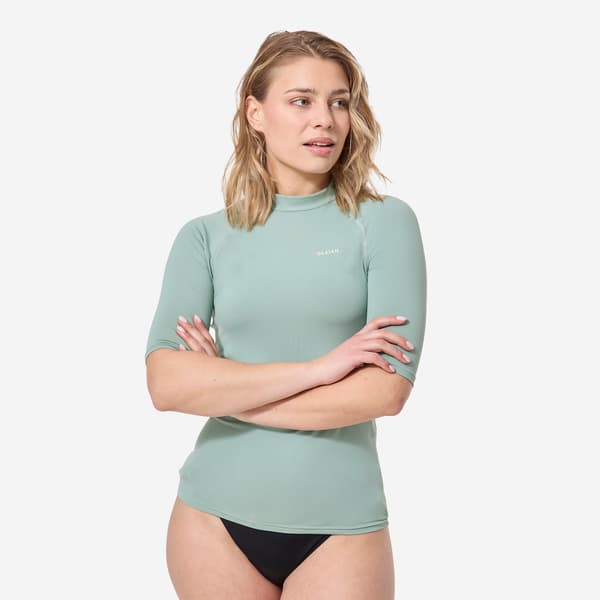
UV tops, swim shorts and leggings for sun-safe sessions.
Temperature matters more than anything else. As a guide from our OLAIAN range, a shorty suits water above 22°C, a 2/2 full suit around 17 to 22°C and a 4/3 around 12 to 17°C. If you feel the cold, go a little thicker.
Two numbers like 3/2mm show neoprene thickness: 3mm on your core for warmth, and 2mm on your arms and legs for easy paddling.
Women's suits are generally shaped for a narrower shoulder and a different chest and hip profile, which means fewer gaps for cold water to flush through. Check the size guide and try two sizes if you're in between.
Back zips are easier to get in and out of, which helps when you're starting out. Chest zips usually seal better against flushing, though they take a little more practice to put on.
A back-zip shorty for summer or a 3/2 steamer for cooler months keeps things simple while you learn.
A full suit adds warmth and some float for early-morning swims along the coast.
A lycra stinger suit or springsuit covers skin in warm water where a thick suit would be too hot.
| Suit | Water | Best for |
|---|---|---|
| Shorty | Warm, above 22°C | Summer surf and swims |
| Springsuit | Warm to mild | Spring and summer days |
| 3/2 steamer | Mild to cool | Longer sessions and cooler mornings |
| 4/3 steamer | Cool, around 12 to 17°C | Winter and southern coasts |
| Lycra stinger suit | Warm and tropical | Sun and stinger cover, not warmth |
| UV surf top | Warm | Sun cover over swimwear |
It depends on where and when you get in the water. Northern waters are often warm enough for a shorty or lycra suit for much of the year, while southern coasts can call for a 3/2 or 4/3 in winter. Check local water temperatures before you buy, and if you feel the cold, go thicker.
Snug all over, like a second skin, with no baggy spots at the lower back, armpits or knees where water can pool. It should feel tight when dry but still let you raise your arms overhead. Neoprene relaxes a little in the water, so a suit that feels firm on land is usually right.
Both are short-legged wetsuits for warmer water. A shorty usually has short sleeves. A springsuit can be sleeveless or long-sleeved, which gives you more choice over how much of your arms stay covered while your legs stay free.
Yes, for casual swims and snorkelling it will keep you warmer and add a little float. Surf suits tend to have more neoprene around the shoulders than swim-specific suits, so long swims can tire your arms sooner. If you're training for triathlon or open water races, a swim-specific wetsuit is worth considering.
A full lycra suit covers your skin, which helps reduce contact with marine stingers and blocks the sun. It isn't a guarantee. In northern Australia during stinger season, swim at patrolled beaches, inside stinger nets where they're provided, and follow local signs and lifeguard advice.
Match your suit to the water temperature, then choose the cut that feels right. Surf, swim and UV gear is all in our water sports range.
Free delivery on orders over $150. Members get our lifetime warranty.