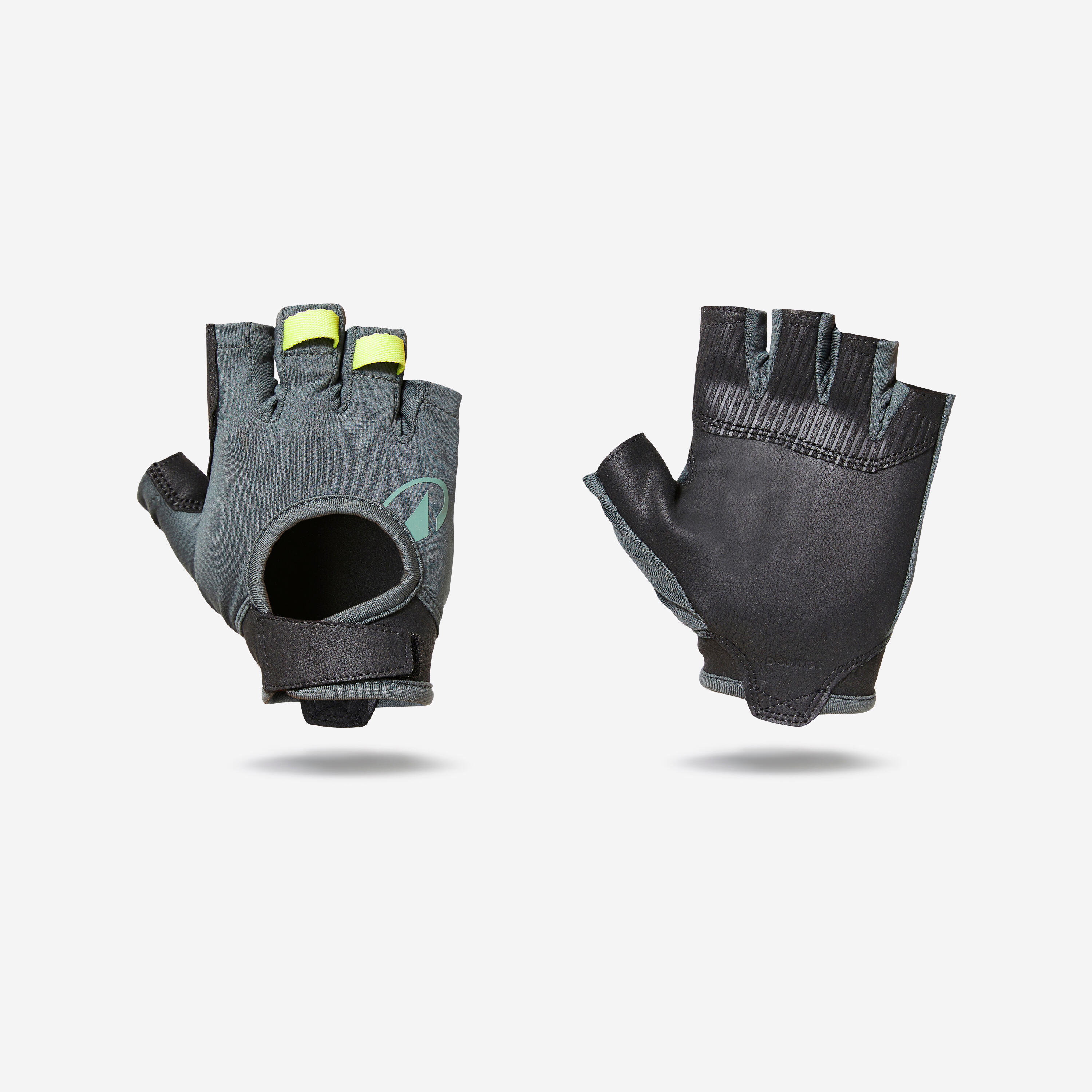
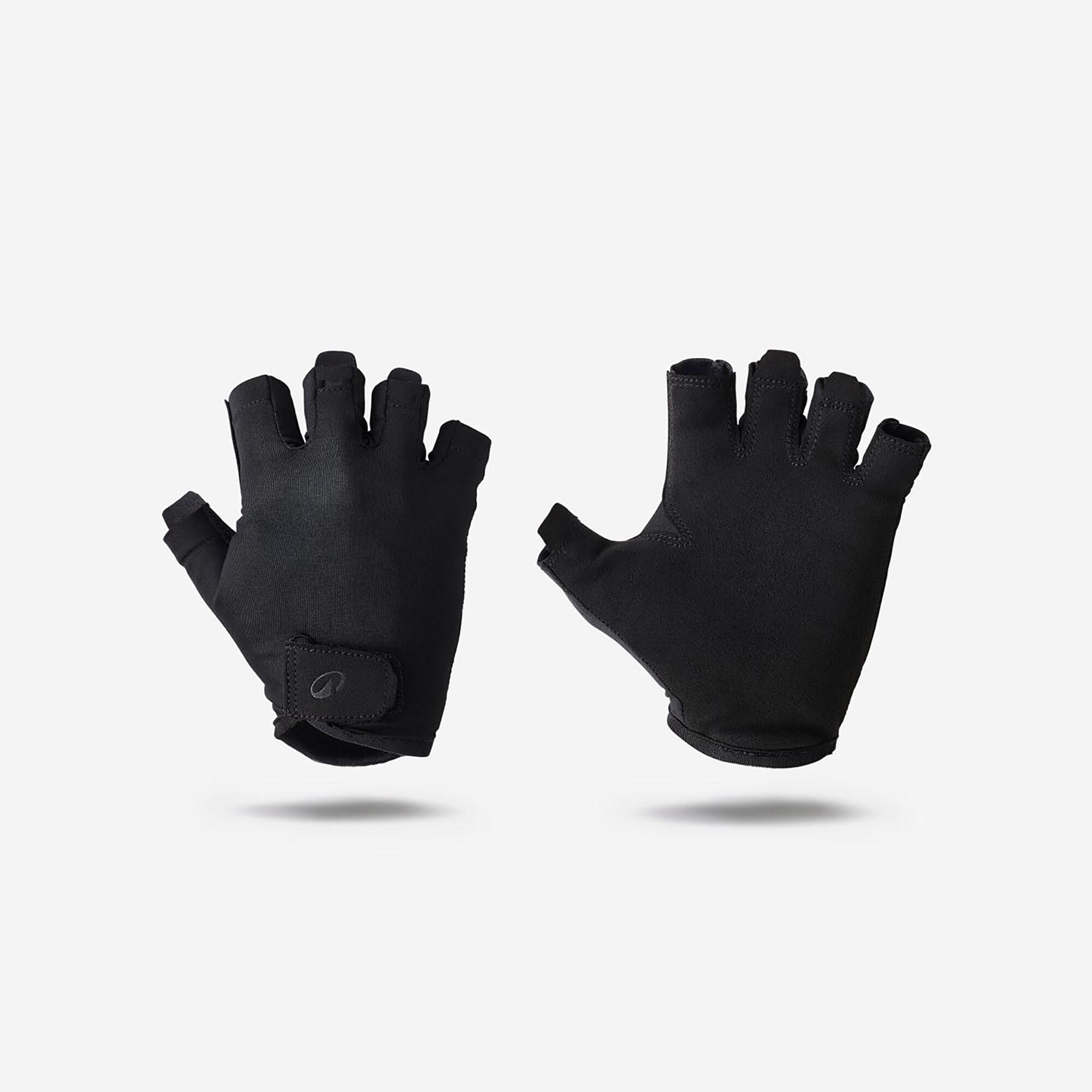
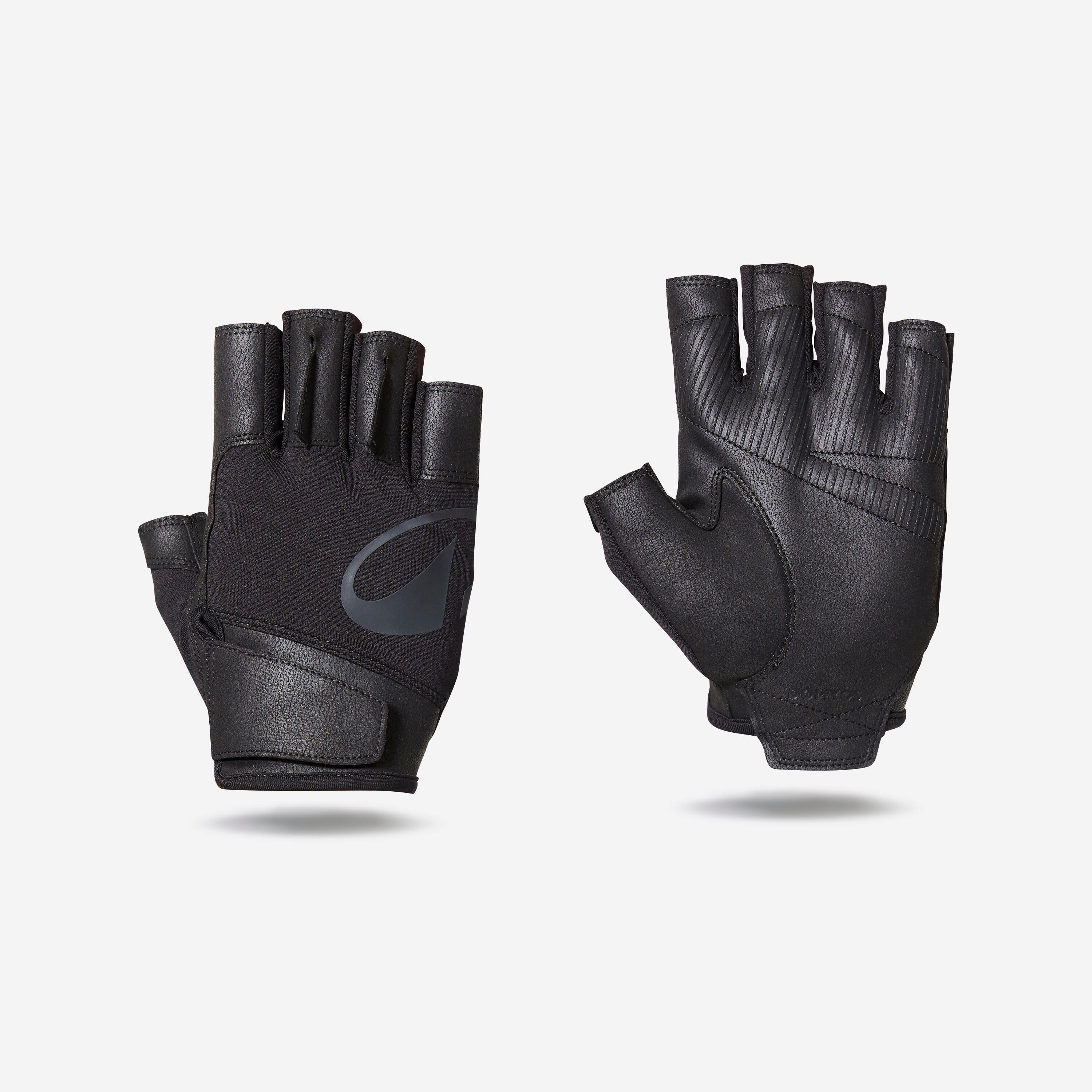
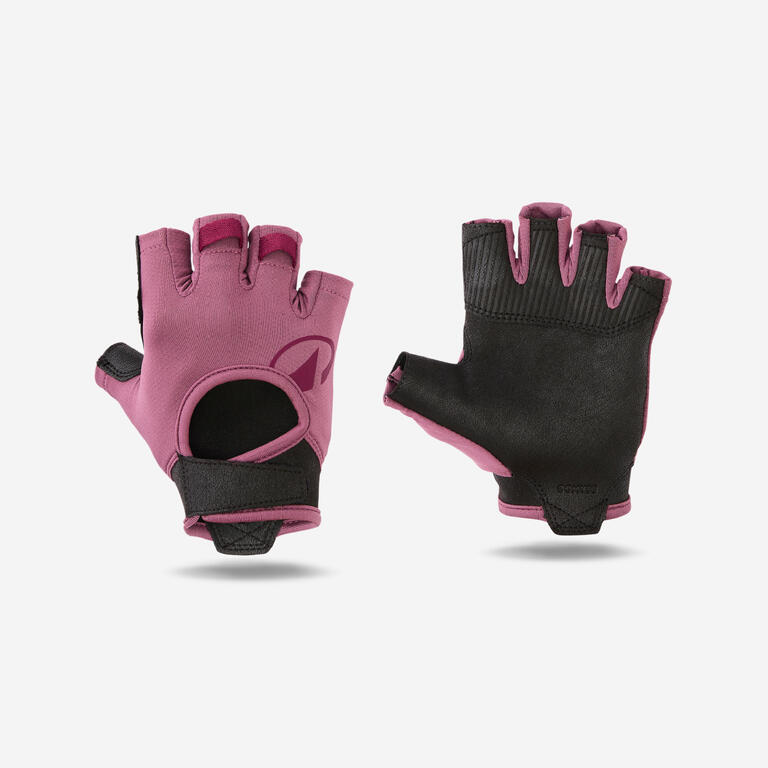
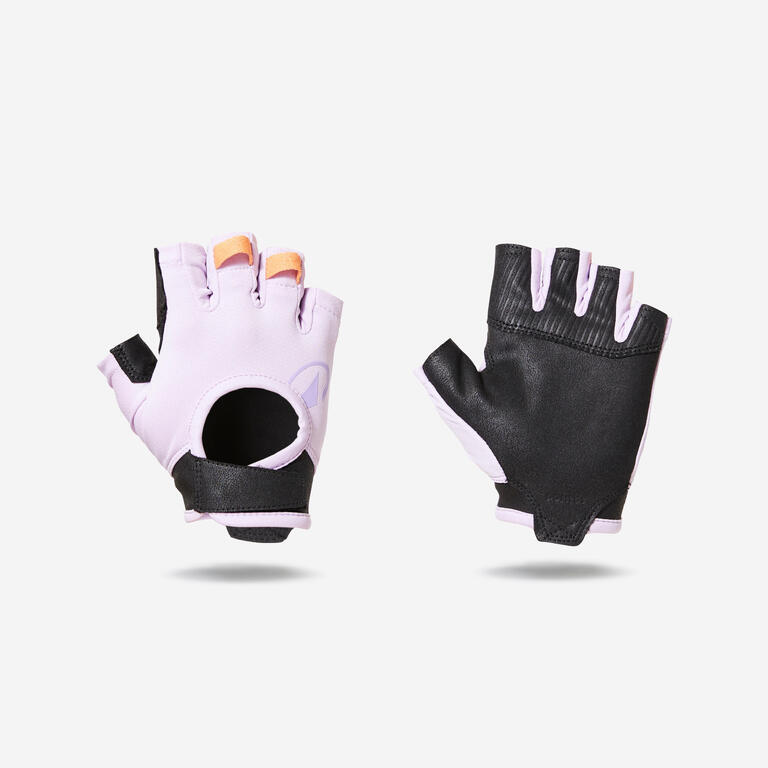
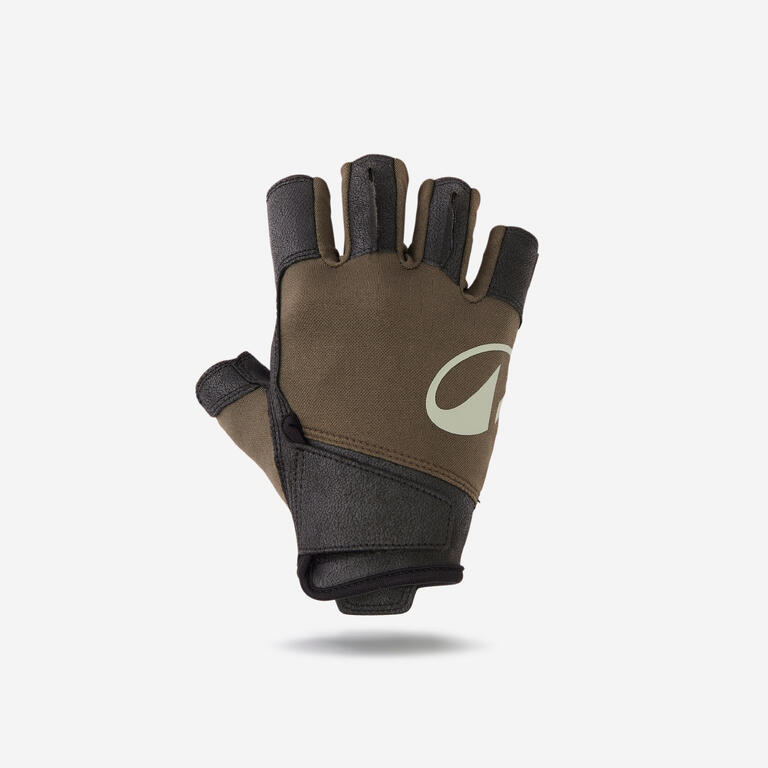
Barbells, dumbbells and machine handles put your hands directly into every strength session. Weight lifting gloves add a layer of coverage between your palms and the equipment while keeping your fingers free to grip naturally. From regular gym sessions to heavier lifting days, they're a practical addition when your hands are putting in plenty of work too.
A secure grip helps you maintain control of barbells, dumbbells and other equipment as your hands start to sweat. Textured materials, suede panels or strategically placed padding can improve contact with the bar while also protecting your palms from repeated friction. Look for enough grip and cushioning to feel secure without adding so much bulk that you lose your natural feel for the equipment.
Breathability
Hands can get hot and sweaty quickly during repeated sets, which can make gloves less comfortable and affect how securely you hold the bar. Perforated materials, mesh panels or ventilated sections allow more airflow and can help manage moisture through longer workouts. Breathability is particularly useful if you train at higher intensities or tend to sweat heavily through your hands.
Durability
Repeated contact with bars, dumbbells and gym equipment puts plenty of wear on weight lifting gloves over time. Look for sturdy construction around high-friction areas such as the palm and fingers, where the material is most likely to wear down. If you lift regularly, reinforced panels and strong stitching can help the gloves hold up through repeated training.
Fit and Sizing
Weight lifting gloves should fit closely around your hands without bunching, slipping or restricting your fingers as you grip the bar. A loose glove can shift during lifts, while an overly tight one may create uncomfortable pressure around the fingers and palm. Check the sizing guide carefully rather than assuming your usual glove size will provide the right training fit.
New and casual lifters. You're building strength or lifting a few times a week and want more comfort when handling weights. Light palm protection and a secure fit can help reduce friction while keeping the gloves comfortable for general training.
Regular strength trainers. You lift consistently and need gloves that can handle repeated contact with bars, dumbbells and machines. Look for solid grip, breathable materials and reinforced palms that hold up through frequent sessions.
Heavy and high-volume lifters. You work through heavier loads or plenty of repetitions where grip and palm protection become more important. Prioritise durable construction, well-positioned padding and a close fit that keeps the gloves secure throughout demanding sets.
Looking After Your Weight Lifting Gloves
Take weight lifting gloves out of your gym bag after each session so sweat can dry rather than remaining trapped around the palms and padding. Wipe or wash them according to the care label, paying particular attention to grip surfaces and other high-contact areas. Avoid machine washing unless the manufacturer allows it, and keep them away from direct heat while drying. Make sure they're completely dry before your next workout.
Weight lifting gloves by type
Type
Best for
Grip-focused lifting gloves
General strength training where a secure hold is the priority.
Higher-volume sessions where palm comfort and protection matter.
Padded lifting gloves
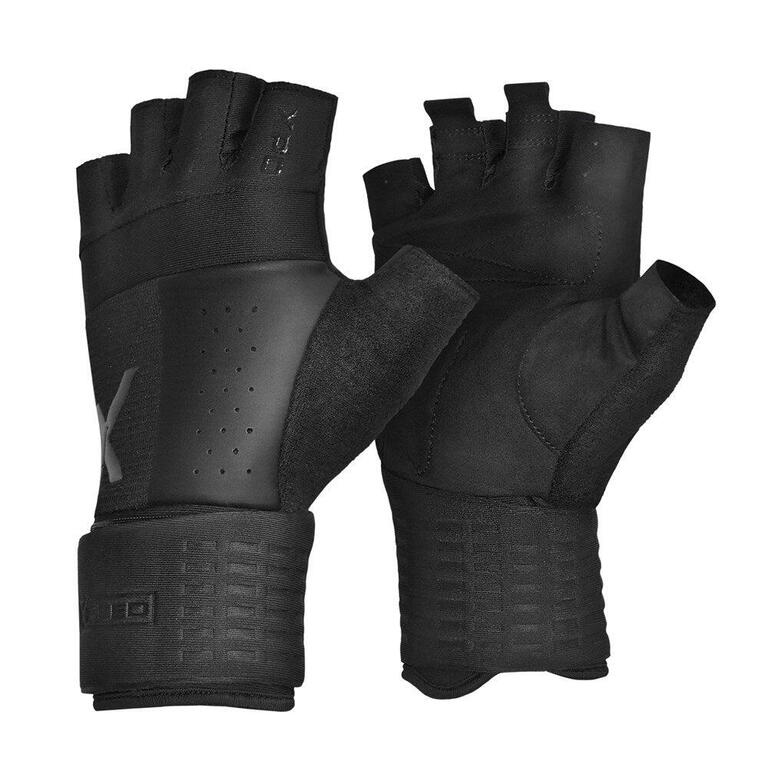
Heavier lifting when you prefer additional support around the wrist.
Wrist-support lifting gloves
Palm protection with a more direct feel on the bar.
They can provide a more secure feel on bars, dumbbells and other gym equipment, particularly when your hands become sweaty. Textured or grippy palm materials add another contact surface between your hands and the equipment, although good lifting technique and grip strength still matter.
Are weight lifting gloves necessary for beginners?
No, you can start weight training without them. Gloves can be useful if you want extra grip or a layer of protection between your palms and the equipment while you build confidence with different lifts. Using them comes down to comfort and personal preference.
Do weight lifting gloves help prevent calluses?
Should weight lifting gloves have wrist support?
How should weight lifting gloves fit?
They can help reduce the direct friction between your palms and the bar that contributes to calluses. They may not prevent them completely, particularly if you lift frequently or use heavier weights, but the extra layer can make repeated gripping more comfortable.
It depends on the type of support you want. Some gloves focus mainly on grip and palm protection, whilst others include extended straps that wrap around the wrist for a more supportive feel. If wrist support matters to you, check the glove design rather than assuming every pair includes it.
They should fit snugly without restricting your fingers or bunching across your palm when you grip a bar. Gloves that are too loose can shift during a lift, whilst an overly tight pair may restrict movement or feel uncomfortable. Check the product's hand measurements or size guide to find the closest fit.
Keep Your Focus on the Next Rep
Repeated contact with bars, dumbbells and machines can be demanding on your hands, particularly as the weight or number of reps increases. Weight lifting gloves add a practical layer between your palms and the equipment whilst helping you maintain a secure feel through the session. Choose the level of coverage and support that suits your lifting and keep your attention on the set.
 All SportsMenWomenKidsAccessoriesEquipment and LeisureHealth & NutritionBest DealsNew ArrivalsMarketplace


 Hiking & Trekking
 Swimming
 Cycling
 Fitness (Yoga/Pilates)
 Camping
 Running
