Beach and pool days
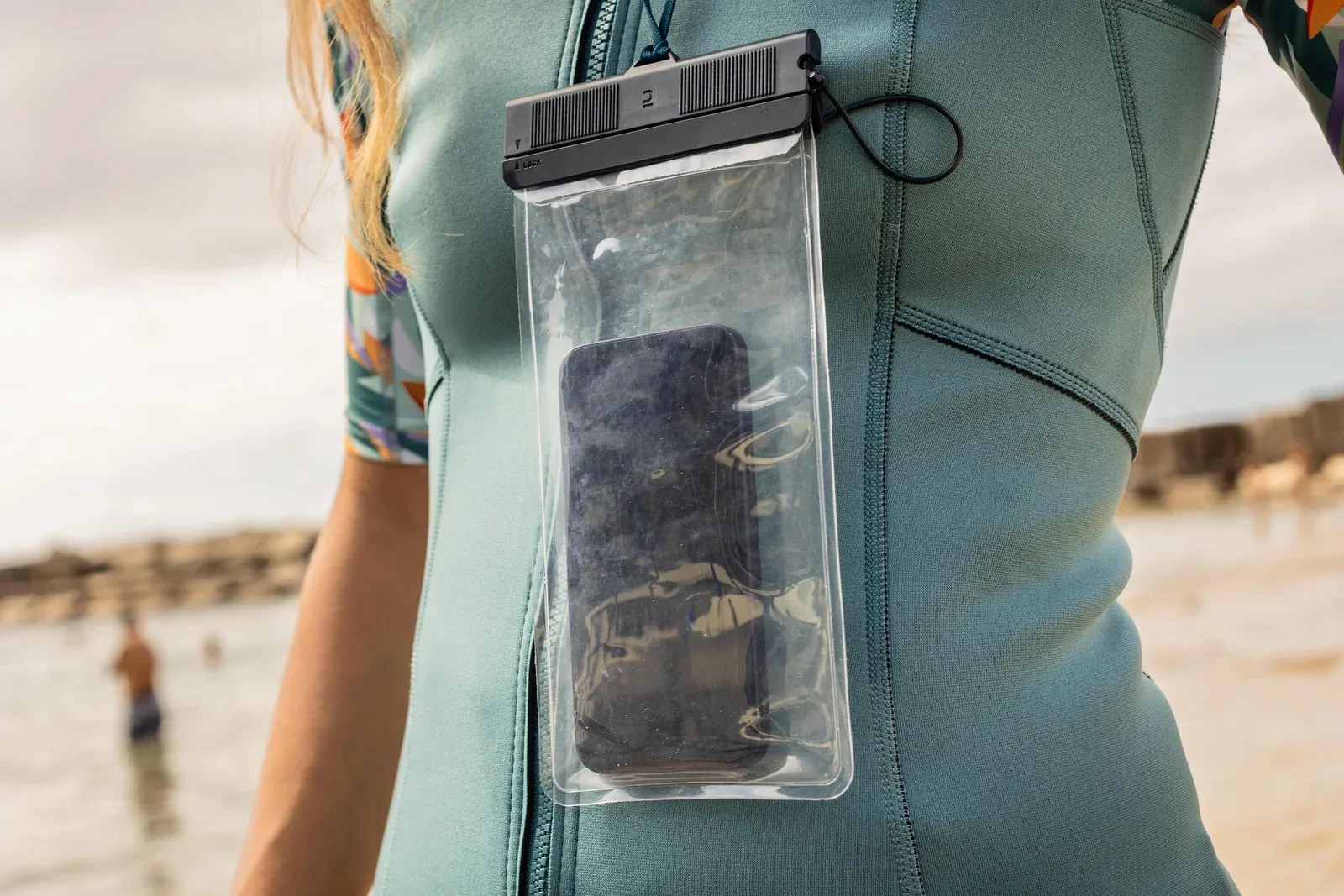
A large pouch on a neck strap keeps your phone dry and handy for photos.
A good waterproof pouch lets you take your phone to the beach, the kayak or the boat ramp without the worry. We'll explain IPX ratings, sizing and the extras that keep it afloat and close at hand.
Phone pouch options from our waterproof bags range, plus pouches for everything else.
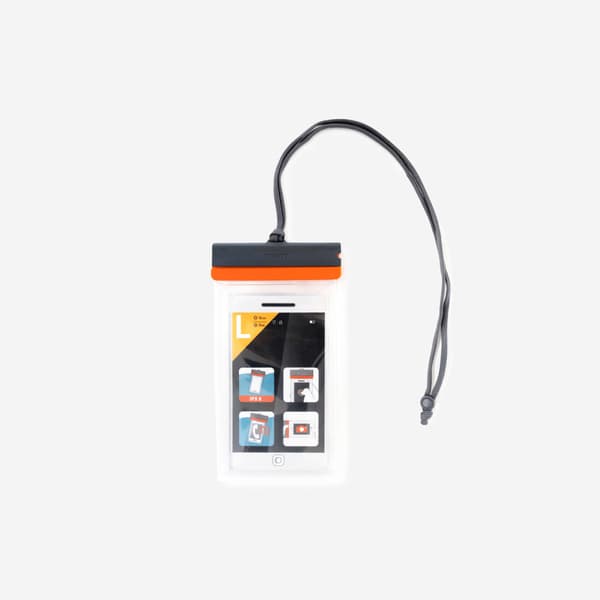
Large phone pouches with a strap and touchscreen use.
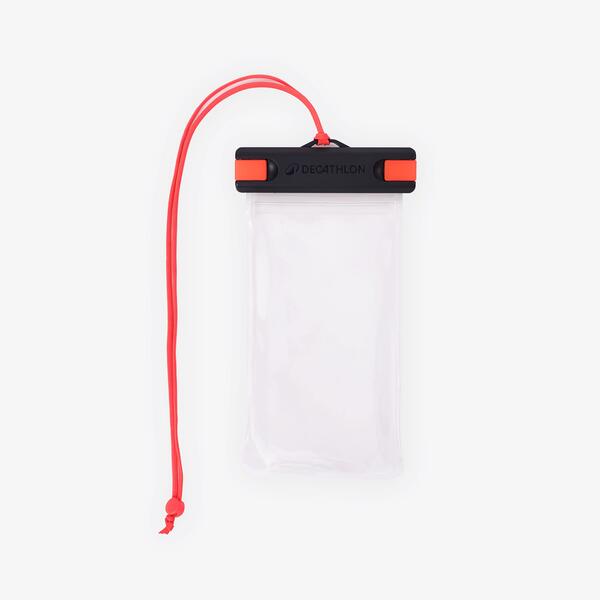
XL pouches for big phones, worn across the body.
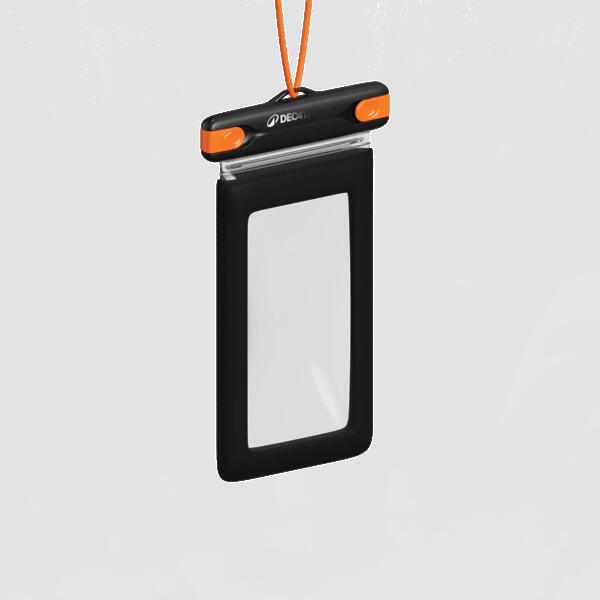
Floating pouches that stay up if your phone drops.
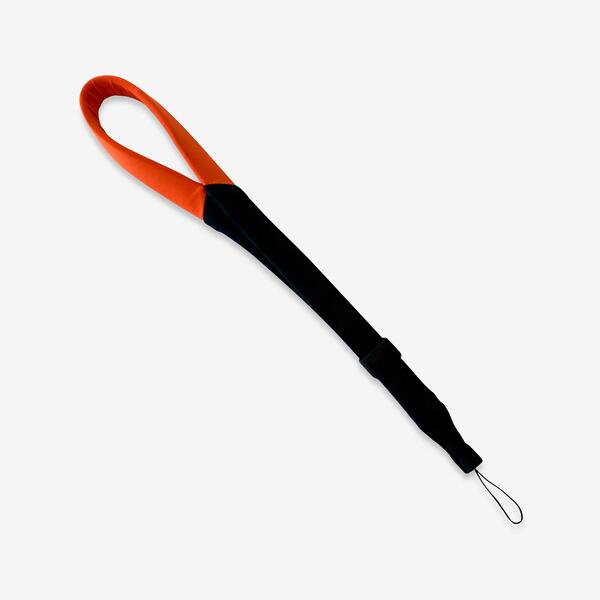
Floating cords that keep a pouch or keys afloat.
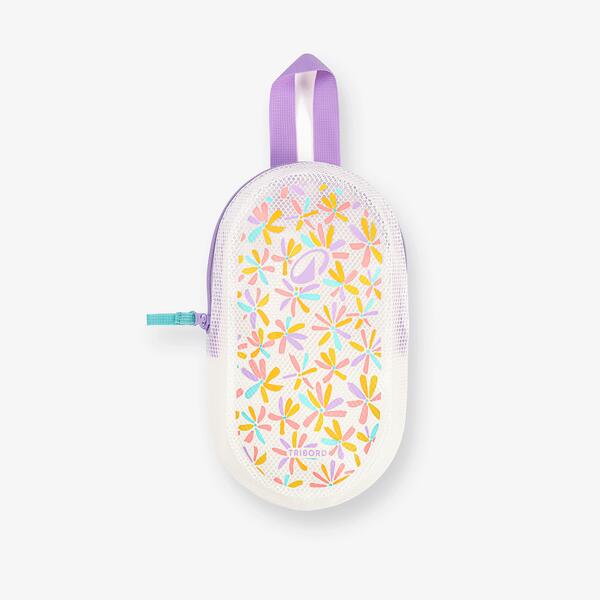
Zip pouches that keep wet swimmers away from dry gear.
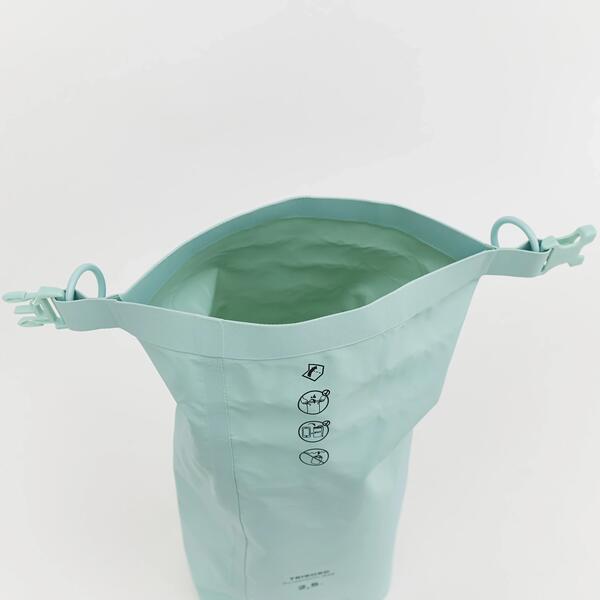
Small dry bags with a window for keys and wallet.
IPX7 and IPX8 are the ratings to look for when a phone might go under. Both cover immersion, and IPX8 means the maker rates it for more than IPX7's test. Check the depth and time limits stated for your pouch before you swim with it.
Measure your phone with its case on and compare it with the pouch's inside size. Leave some room so the closure seals flat, and check you can use the touchscreen through the window.
Most pouches sink in deep water with a phone inside. A floating pouch or a floating cord keeps it at the surface so you can grab it. A neck or shoulder strap keeps it with you.
Clip and slide closures need to sit perfectly flat to seal. Brush sand and grit off the closure before you close it, and test the empty pouch in a sink before trusting it with your phone.
A large pouch on a neck strap keeps your phone dry and handy for photos.
A floating pouch, or any pouch with a floating cord, gives you a second chance if it slips overboard.
Pair a phone pouch with a small dry bag or swim pouch for keys, wallets and wet swimmers.
| Option | Best for | Good to know |
|---|---|---|
| Large phone pouch | Beach days and photos at the water's edge | Check your phone fits with its case on |
| XL phone pouch | Big phones, worn across the body | More room lets the seal close without strain |
| Floating phone pouch | Boats, boards and kayaks | Stays at the surface if dropped |
| Floating cord | Adding buoyancy to a pouch or keys | Clip it on before you head out |
| Swim pouch | Wet swimmers, towels and pool gear | Made for splashes, not for going underwater |
| Small dry bag | Keys, wallet and snacks | A window lets you see what's inside |
Many pouches are rated for immersion, but check the depth and time limits the maker gives before you swim with one. Test the pouch empty first, keep it near the surface and limit your time in the water. Even a good pouch can leak if grit gets in the seal, so treat it as protection, not a guarantee.
Both are ratings for immersion in water. IPX7 is tested to about one metre for 30 minutes, while IPX8 means the maker rates it beyond that, with the exact depth and time given for each product. For boating or snorkelling, an IPX8 pouch with a stated depth gives you clearer guidance.
Usually, yes. Most clear pouches let you tap and swipe through the window, though wet fingers and a wet window make it less responsive. Face and fingerprint recognition may not work through plastic, so a passcode helps. Underwater, touchscreens generally stop responding, so use a volume button as the shutter if your phone allows it.
Not always. A standard pouch with a heavy phone inside often sinks. Choose a floating pouch, or clip a floating cord to the pouch so it stays at the surface. On boats and kayaks, also attach the pouch to yourself or your gear with its strap.
Before you trust it with your phone, put a dry tissue inside, seal it and hold it under water in a sink or bucket for a few minutes. Dry the outside, open it and check the tissue. If it's dry, the seal is working. Repeat the test at the start of each summer or if the pouch has had a knock.
Choose the pouch that fits your phone and your plans. Dry bags and beach bags are in our range too.
Free delivery on orders over $150. Members get our lifetime warranty.