Beginners and social players
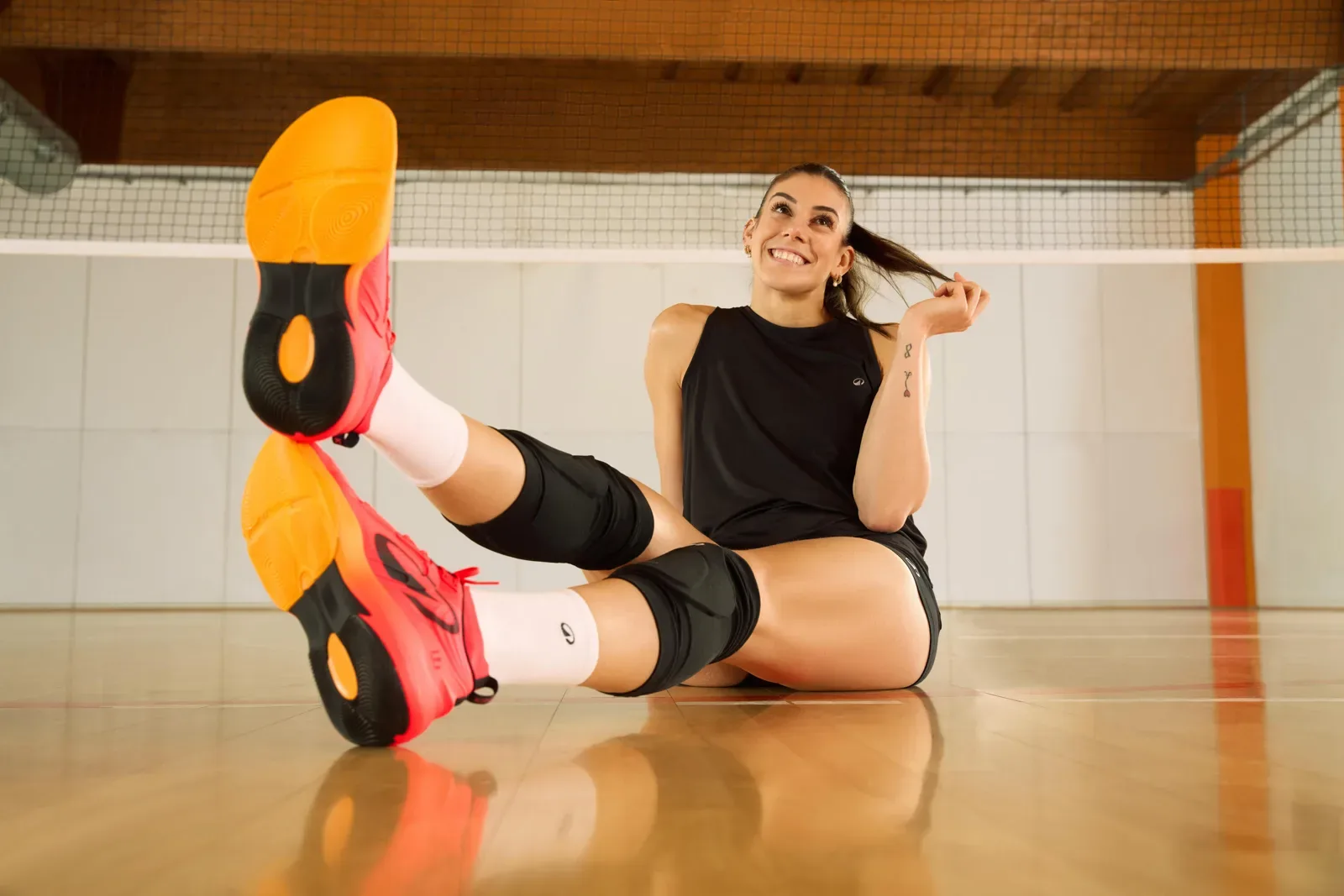
A comfortable foam-padded sleeve gives you confidence to get low while you learn to dig and pass.
Good knee pads let you dig, dive and drop to the floor without flinching. We'll walk you through padding, fit, junior sizes and care so you can pick the right pair for indoor volleyball.
Options from our volleyball kneepad range, plus a ball to train with.
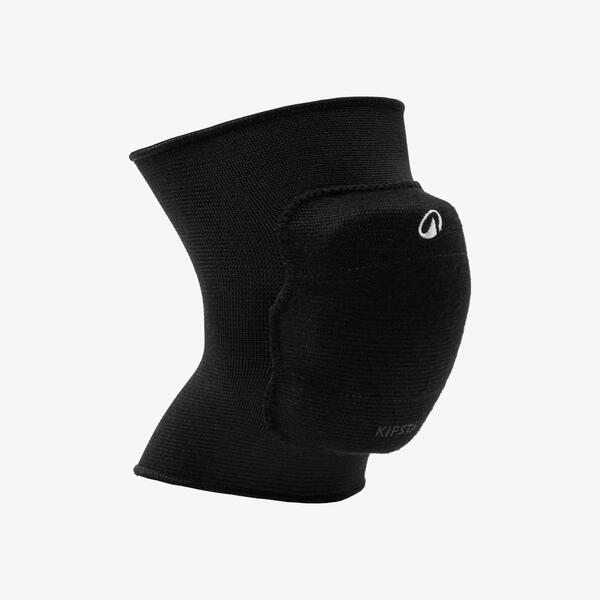
Foam-padded pads for learning your first digs.
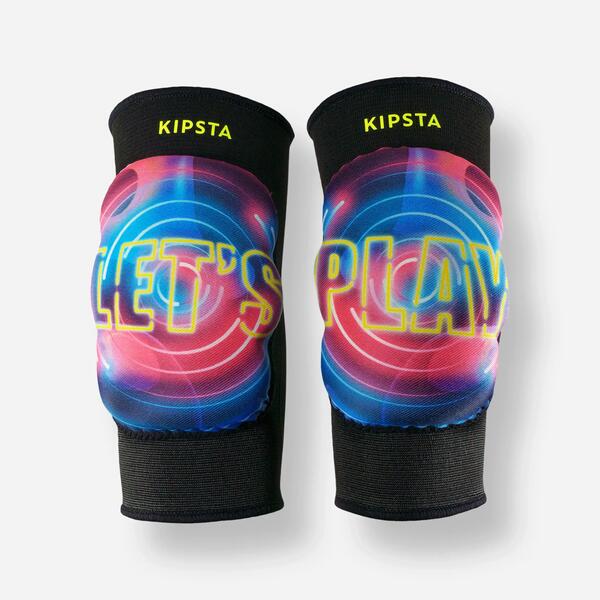
KIPSTA pads sized by your thigh measurement.
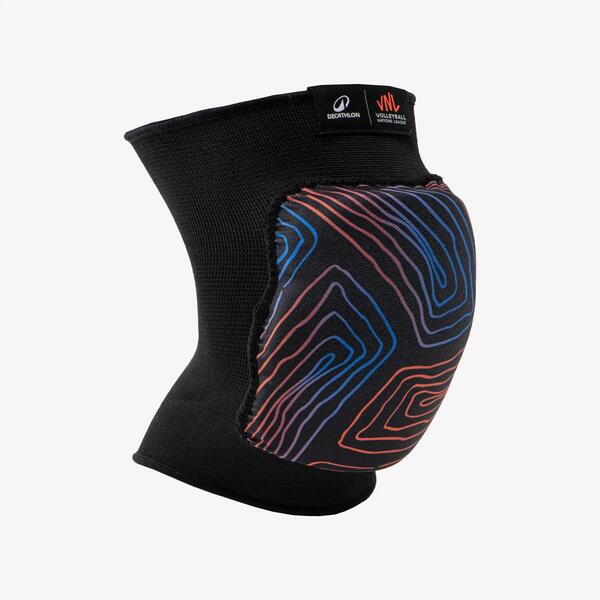
Official Volleyball Nations League pads with foam padding.
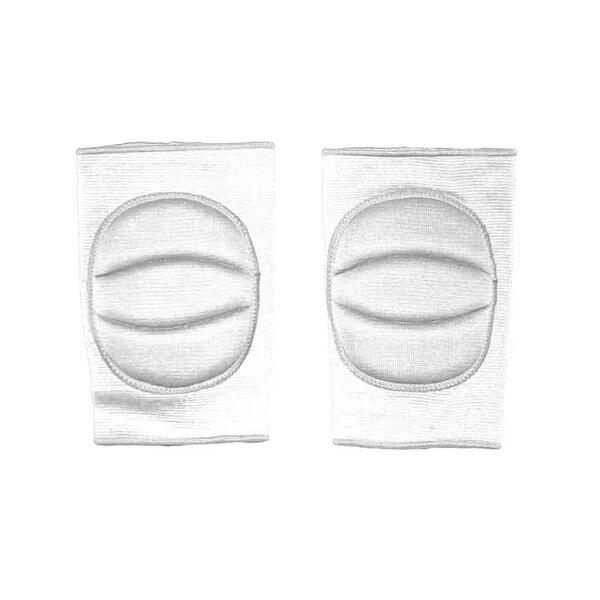
Thick three-section padding for regular club matches.
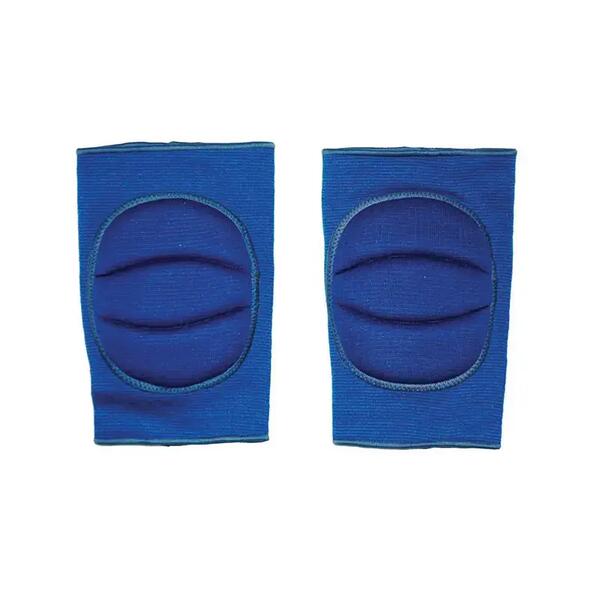
Junior-sized pads for younger players on court.
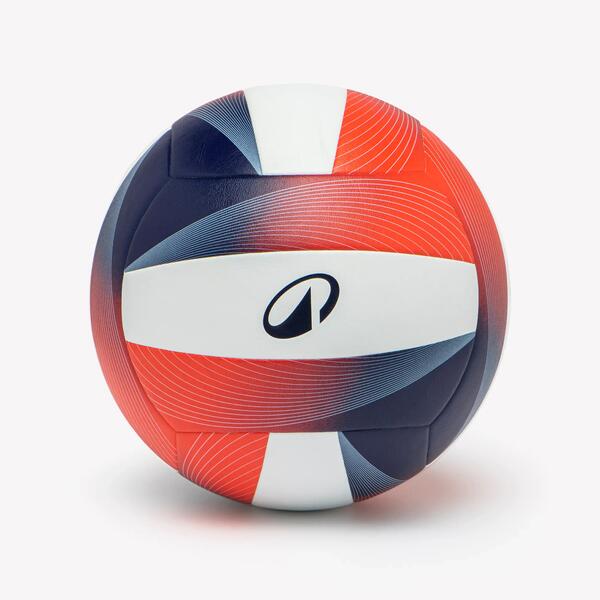
Indoor volleyballs for drills, club training and matches.
Foam padding over the kneecap softens the hit when you drop or dive. Our KIPSTA VKP100 pads use 20 mm foam and meet the European standard for indoor sports knee protection. Players who hit the floor often may prefer thicker, multi-section padding.
Measure around your thigh, 8 cm above the knee, and match it to the size guide on the product page. A pad that's too loose slides down mid-rally. One that's too tight can feel uncomfortable over a long session.
Look for a stretchy sleeve that holds the pad over the kneecap when you bend and lunge. Try a few low, side-to-side moves when you first put them on. The pad should stay centred without bunching behind the knee.
Kids and teens need pads that fit their smaller legs, or the padding won't sit where it's needed. We carry junior sizes, and the smallest KIPSTA size suits slimmer thighs. Measure again as they grow.
A comfortable foam-padded sleeve gives you confidence to get low while you learn to dig and pass.
Thicker, multi-section padding suits players who dive and slide across the court every week.
Junior-sized pads stay in place on smaller legs, so young players can enjoy the game.
| Option | Best for | Tip |
|---|---|---|
| Beginner foam pads | First sessions and social games | Measure your thigh before choosing a size |
| Competition pads | Regular matches with lots of diving | Check the pad stays centred when you lunge |
| Junior pads | Kids and teens learning the game | Re-measure as they grow |
| Indoor volleyball | Drills, training and matches | Pick a ball that suits your level |
| Kids' volleyball gear | Young players building their kit | Look for pads and balls sized for them |
Most indoor players wear them. Volleyball involves a lot of dropping, digging and diving onto a hard court, and pads soften those impacts. They also give you the confidence to get low for the ball instead of holding back. Beach volleyball is different, as sand is much softer, so pads are rarely worn there.
They should feel snug but comfortable, with the padding sitting right over your kneecap. Measure around your thigh, 8 cm above the knee, and use the size guide on the product page. Bend, lunge and drop to one knee when you try them: they shouldn't slide down or bunch behind the knee.
It depends on how often you hit the floor. Standard foam pads, like our 20 mm VKP100, suit beginners and social players. If you dive and slide every session, thicker or multi-section padding gives extra cushioning, though it can feel bulkier. Try a few moves in them to see what feels natural.
Only if the adult size fits their thigh measurement. Pads that are too big slip and leave the knee exposed, so junior sizes are usually the better choice. Measure your child's thigh and check the size guide, then measure again each season as they grow.
Check the care label first. Our KIPSTA VKP100 pads are machine washable at up to 30°C on a normal cycle. Let them dry flat away from direct heat so the foam and elastic keep their shape. Airing them out after each session between washes helps keep them fresh.
Find pads that fit and you'll stop worrying about the floor. Balls, nets and more are in our volleyball range.
Free delivery on orders over $150. Members get our lifetime warranty.