Step outside with confidence in UV protection sunglasses that help shield your eyes from harmful ultraviolet rays. Hiking, cycling, travelling or simply spending the day outdoors, there are comfortable styles made for bright conditions and active days. Choose the protection and fit that suit the way you get outside.
Start by checking how much ultraviolet radiation the lenses block. Look for UV protection sunglasses that give full protection from harmful UVA and UVB rays, particularly if you regularly spend extended periods outdoors. Lens darkness alone does not indicate the level of UV protection, so always check the stated product specifications to understand the protection offered before choosing a pair.
Lens Category
Lens category indicates how much visible light passes through the lenses and helps you choose sunglasses suited to different brightness levels. Some categories suit everyday sunlight, while darker categories are intended for brighter outdoor conditions and stronger glare. Consider where and when you expect to wear your sunglasses most often so you can choose a category suited to the conditions you regularly encounter.
Polarisation and Lens Features
Polarised lenses can help reduce reflected glare from surfaces such as water and roads, while different lens tints can improve visual comfort in particular light conditions. Polarisation and UV protection serve different purposes, so check the stated UV protection separately when choosing your sunglasses.
Coverage and Frame Shape
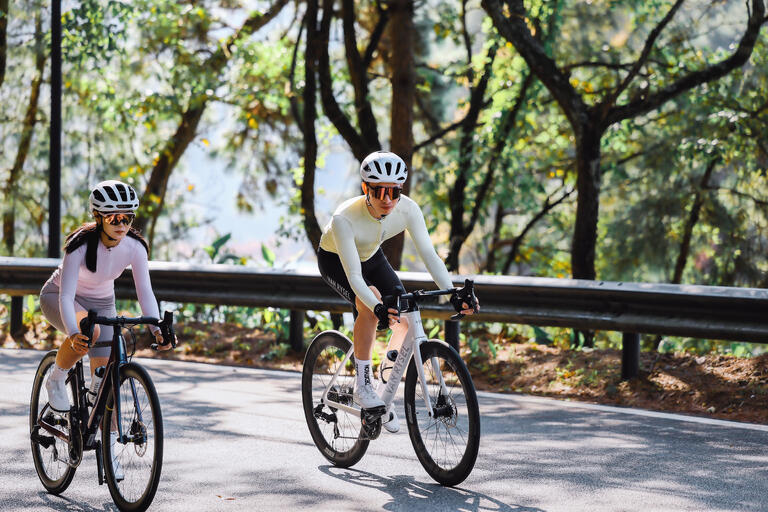
Good coverage can help reduce the amount of sunlight reaching your eyes from different angles. Larger lenses and wraparound frames generally provide broader coverage around the eye area, particularly during longer periods outdoors. Choose a frame shape that combines suitable coverage with a comfortable fit and clear field of vision.
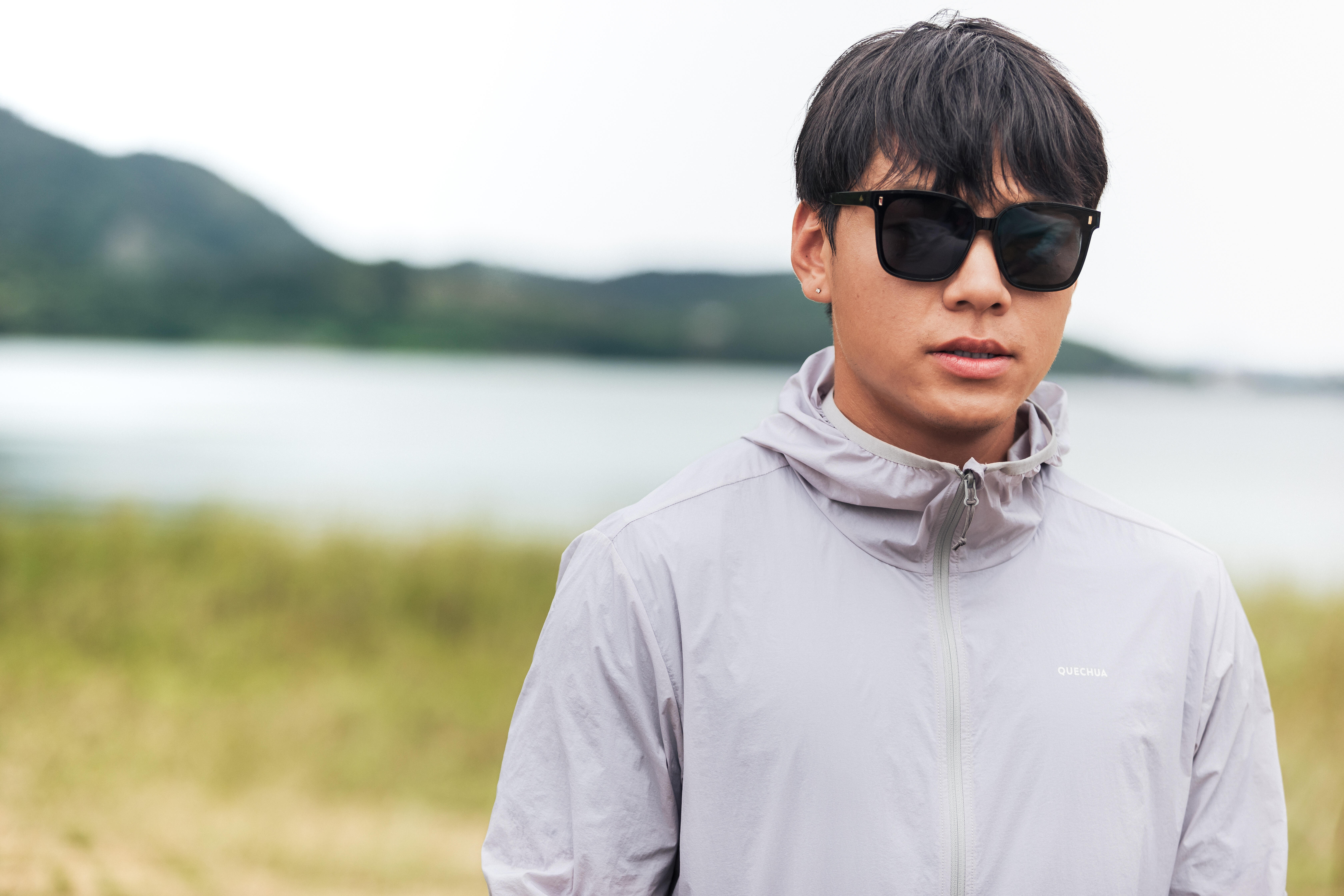
Everyday outdoor wearers. Walking, commuting, running errands and spending time outside all add up to regular sun exposure. UV protection sunglasses make it easy to add eye protection to your everyday routine.
People spending long days outdoors. Hiking, travelling, sightseeing and days by the water can mean hours in bright conditions. Strong UV protection and good coverage help shield your eyes while keeping outdoor time more comfortable.
People dealing with reflected glare. Water, roads and other reflective surfaces can make bright conditions feel harsher. Full UV protection still matters most, while polarised lenses can also help cut reflected glare.
Looking After Your UV Protection Sunglasses
Keep UV protection sunglasses in good condition by rinsing away dust and grit before gently wiping the lenses with a clean microfibre cloth. Avoid abrasive materials and harsh cleaning products that could damage the lenses or protective coatings. Store your sunglasses in a protective case away from excessive heat and direct sunlight when not in use, and check the lenses and frames regularly for scratches, cracks or other signs of damage.
UV protection sunglasses by type
Type
Best for
Category 3 sunglasses
Everyday sunshine, general outdoor activities and regular daytime wear
Very bright conditions, high-altitude activities and strong glare reduction
Category 4 sunglasses
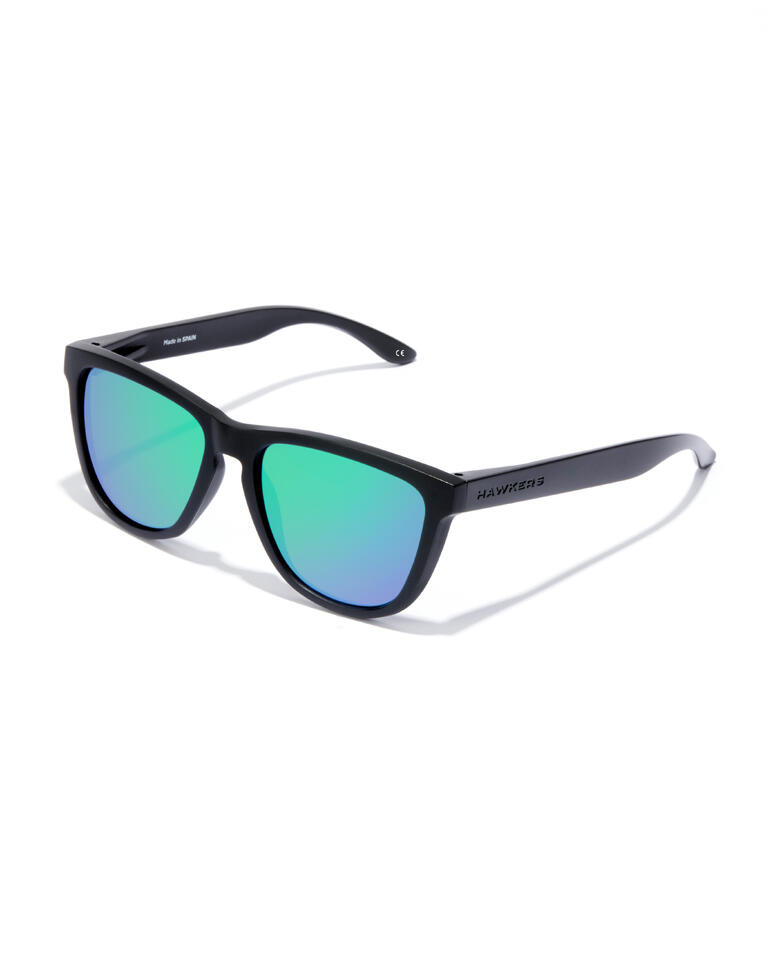
Water, roads and other reflective environments where glare reduction improves visual comfort
Polarised sunglasses
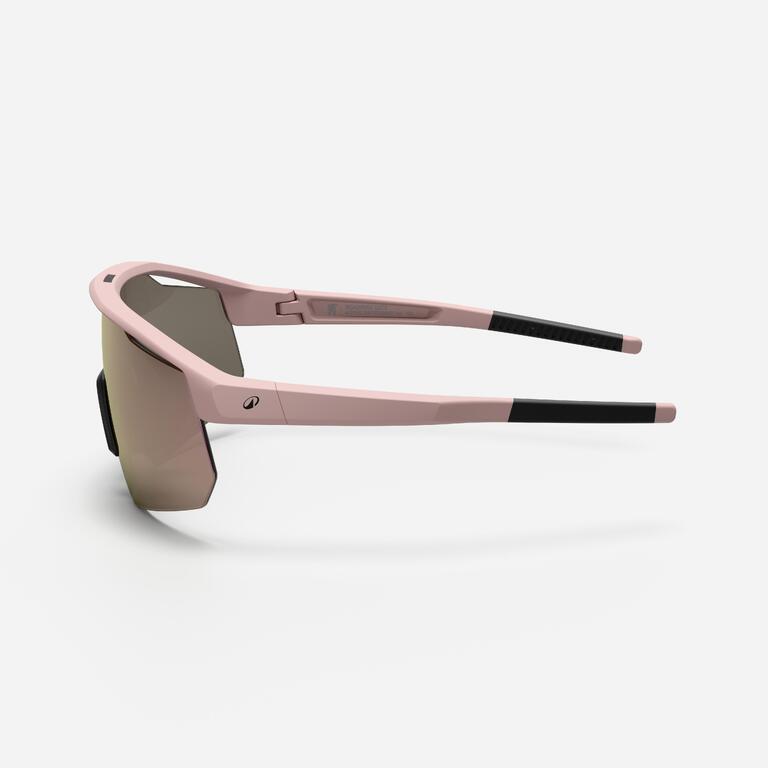
Sports and active outdoor use where extra coverage around the sides of the eyes is useful
What level of UV protection should sunglasses have?
Look for sunglasses that block 100% of harmful UVA and UVB rays. Check the stated UV protection on the product rather than relying on how dark or coloured the lenses appear.
What do the lens categories on sunglasses mean?
Lens categories indicate how much visible light passes through the lenses. Category 3 suits many bright everyday conditions, while Category 4 is intended for exceptionally bright environments and carries specific usage restrictions, including not being suitable for driving.
Do darker sunglasses provide better UV protection?
What is the difference between polarised and UV protection sunglasses?
When should I wear UV protection sunglasses?
Not necessarily. Lens darkness and UV protection are different, so darker lenses do not automatically provide greater protection from ultraviolet radiation. Always check the stated UV protection when comparing sunglasses.
UV protection helps filter ultraviolet radiation, while polarised lenses help reduce reflected glare from surfaces such as water and roads. Sunglasses can offer both, so check the product specifications if you want both features.
UV protection sunglasses are useful whenever you spend time outdoors in sunny or high-UV conditions, including everyday walks, commuting, sport, travel and longer days outside. Consider both the UV conditions and your activity when choosing when to wear them.
Step Outside with Protection in Sight
Sunny commutes, weekend walks, holidays and long days outdoors all add up to real UV exposure. UV protection sunglasses make it simple to add proper eye protection whenever you head outside. Choose the coverage and lens features that suit your day, and make protecting your eyes part of getting outdoors.
 All SportsMenWomenKidsAccessoriesEquipment and LeisureHealth & NutritionBest DealsNew ArrivalsMarketplace

 Hiking & Trekking
 Swimming
 Cycling
 Fitness (Yoga/Pilates)
 Camping
 Running
