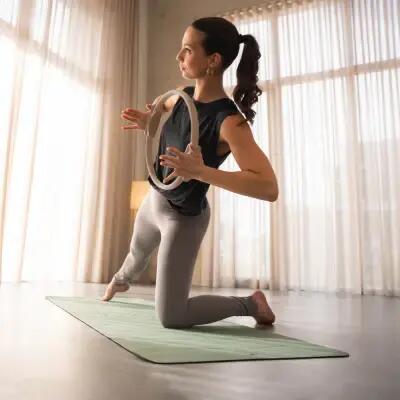
Time-poor riders
Fit in a focused session before work, whatever the weather or the light.
A turbo trainer turns your bike into an indoor training tool, ready for rainy days, dark evenings and focused sessions. Here is how we choose the right type for your space and goals.
Four types in our range, plus the extras that finish a home set-up.
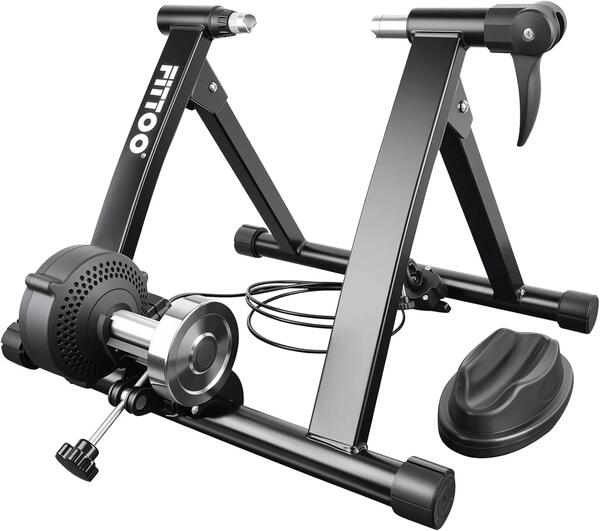
Resistance stand options that suit most wheel sizes.
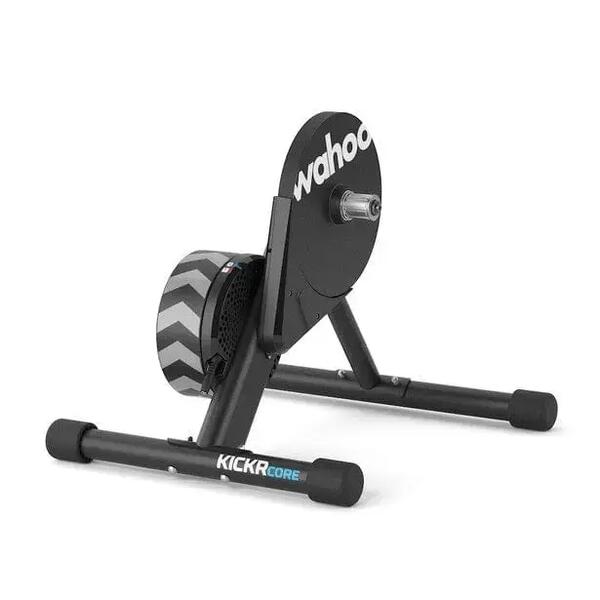
Direct-drive smart trainers that replace your rear wheel.
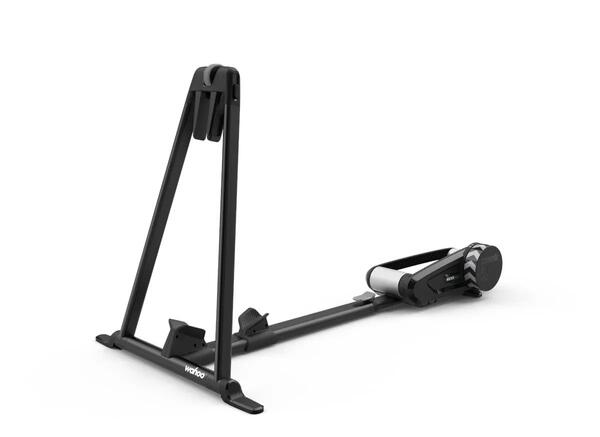
A smart option that keeps your rear wheel on.
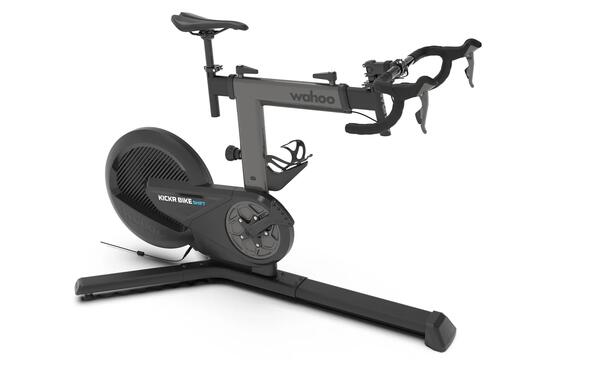
A dedicated indoor smart bike, no swapping bikes.
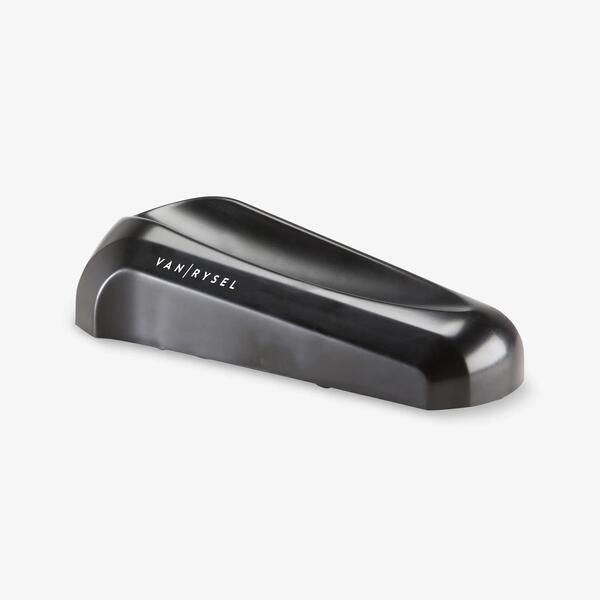
Trainers alongside riser blocks and a trainer mat.
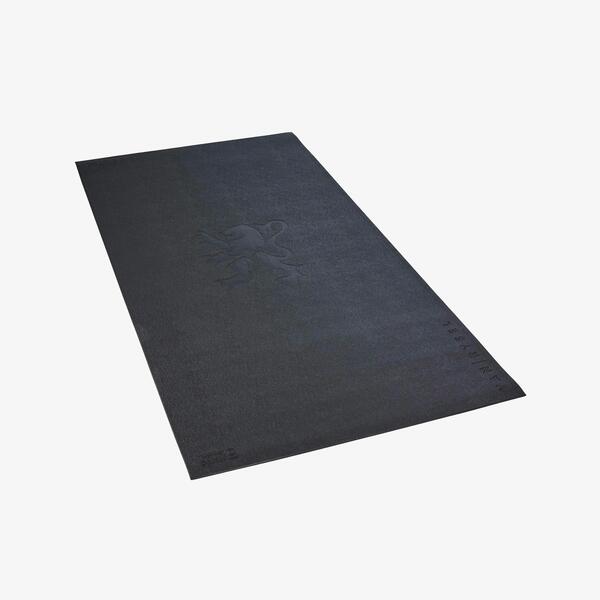
Trainers, a floor mat and bike computers for road riders.
Wheel-on trainers hold your bike and press a roller against the rear tyre, so set-up is quick. Direct-drive trainers replace the rear wheel and connect to your chain through a cassette, which usually feels smoother. Check whether a direct-drive model comes with a cassette or needs one fitted.
Smart trainers connect to training apps and can change resistance automatically to match a route or workout. Basic stands use manual resistance and work without any app. If you enjoy structured sessions or virtual rides, smart is worth it.
Check your axle type, wheel size and number of gears before you buy. Quick-release and thru-axle bikes can need different adapters. Each product page lists what that trainer supports.
Direct-drive trainers and smart bikes are generally quieter than wheel-on stands, which matters in apartments. Think about where it will live and whether it needs to fold away. A trainer mat helps dampen vibration and protects the floor.
Fit in a focused session before work, whatever the weather or the light.
Structured workouts on a smart trainer help you build fitness with purpose.
A quieter direct-drive trainer on a mat keeps indoor riding neighbour-friendly.
| Option | Best for | Tip |
|---|---|---|
| Wheel-on stand | Getting started indoors | Check tyre pressure before each ride |
| Direct-drive smart trainer | Structured training and virtual rides | Check whether a cassette is included |
| Wheel-on smart trainer | Smart features without removing a wheel | Keep the set-up the same each time |
| Indoor smart bike | Households sharing one set-up | Leave room to get on and off safely |
| Riser block | Levelling your bike on a trainer | Match the front height to the trainer |
| Trainer mat | Protecting floors and cutting vibration | Lay it down before setting up |
A turbo trainer is a stand that holds your bike steady so you can ride it indoors. The rear wheel or drivetrain connects to a resistance unit that makes pedalling feel like riding on the road. It lets you train in any weather, at any time of day.
If you want an app to control your resistance automatically, yes, you'll need a smart trainer. Some riders pair a basic trainer with speed or cadence sensors to log rides in an app, but the resistance won't change on its own. Check the app's list of compatible devices before you buy.
Used correctly, a trainer is fine for most bikes. The main things to watch are a securely fitted axle, sweat building up on the frame and headset, and extra tyre wear on wheel-on trainers. If you ride a carbon frame, check the bike maker's guidance on trainer use.
It depends on the type. Wheel-on trainers make more noise because the tyre spins against a roller, while direct-drive trainers and smart bikes tend to be quieter. A trainer mat helps reduce vibration through the floor, which neighbours below will appreciate.
Many riders find 30 to 60 minutes indoors is plenty, because there's no coasting and the effort is constant. Start shorter and build up, and keep cool with a fan and plenty of water. If you have any health concerns, check with your doctor before starting a training plan.
Set it up once and your next session is always ready. Explore our full cycling range for the bike, kit and extras to go with it.
Free delivery on orders over $150. Members get our lifetime warranty.