 All SportsMenWomenKidsAccessoriesEquipment and LeisureHealth & NutritionBest DealsNew ArrivalsMarketplace
Trekking Poles Built to Make Climbing Easier
Getting the most from trekking poles depends on the terrain you're tackling. Day hikers benefit from lightweight construction and easy adjustment. Steep terrain calls for serious stability and shock absorption to save your knees. Long-distance expeditions need durability and proper weight distribution support. Pick the right pair and climb easier.
Conquer the Heights
Which trekking poles work best for you?
Choose poles for the terrain you're tackling.
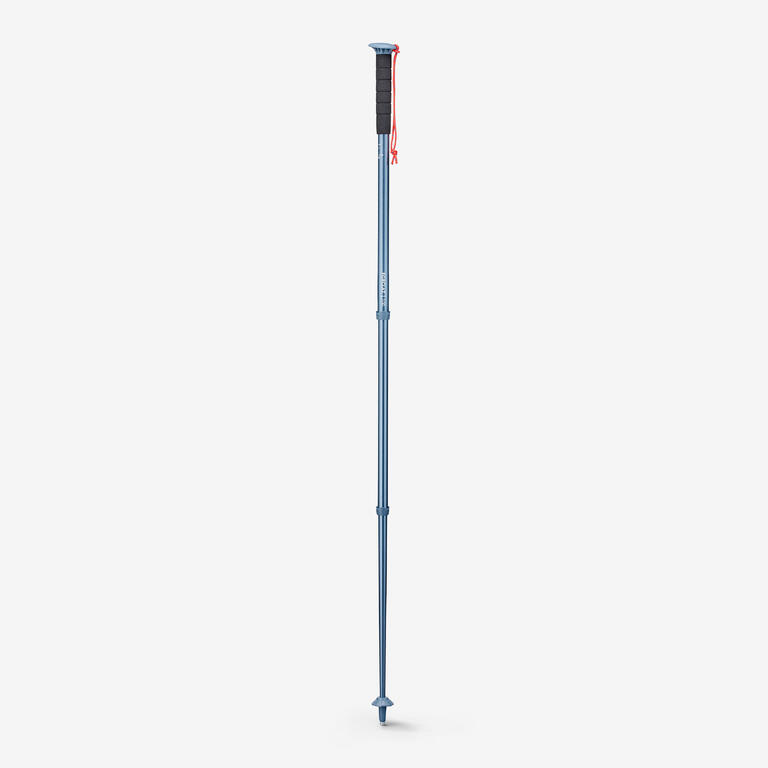
BASIC TREK SUPPORT
Light assistance for walking trails
What to prioritise
Comfort and grip
Hiking Pole
Check it Out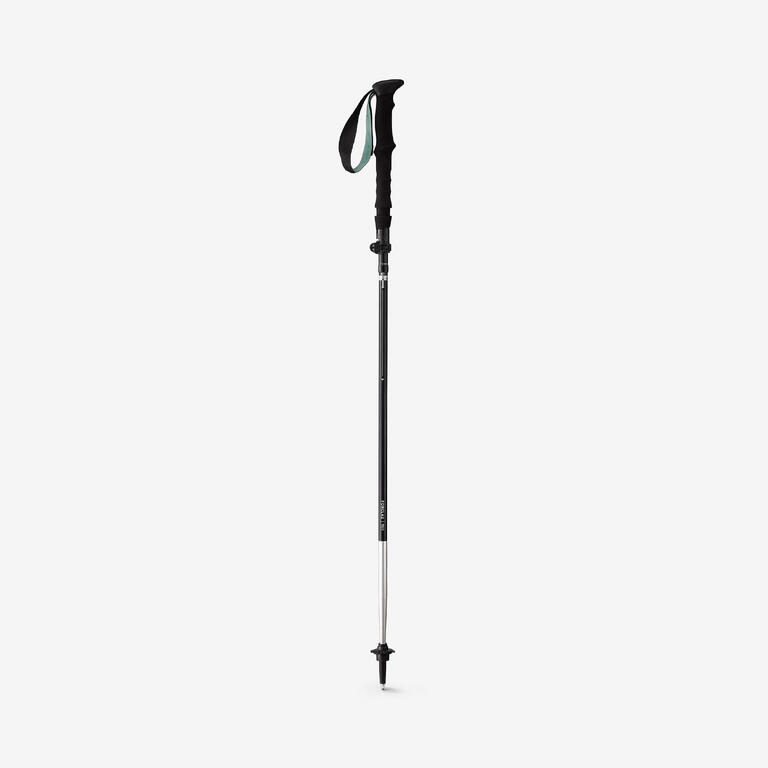
ULTRALIGHT TREKKING
Compact design for efficient trail movement
What to prioritise
Packability and durability
Ultra Compact Trekking Pole
Check it Out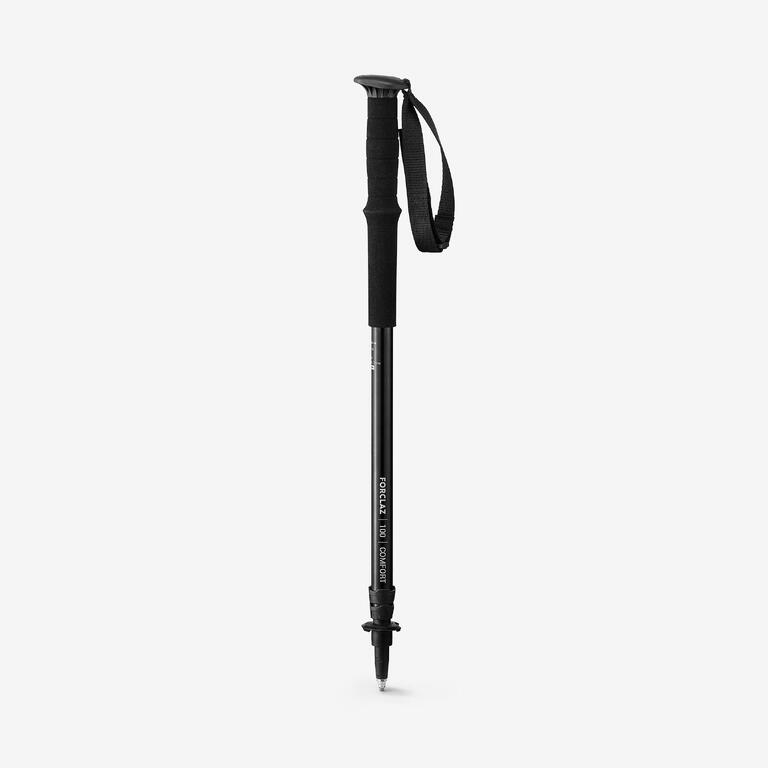
ADJUSTABLE SUPPORT
Comfort-focused setup for longer treks
What to prioritise
Stability and ease
Adjustable Hiking Pole
Check it Out
Check All Trekking Poles
What to look for in trekking poles
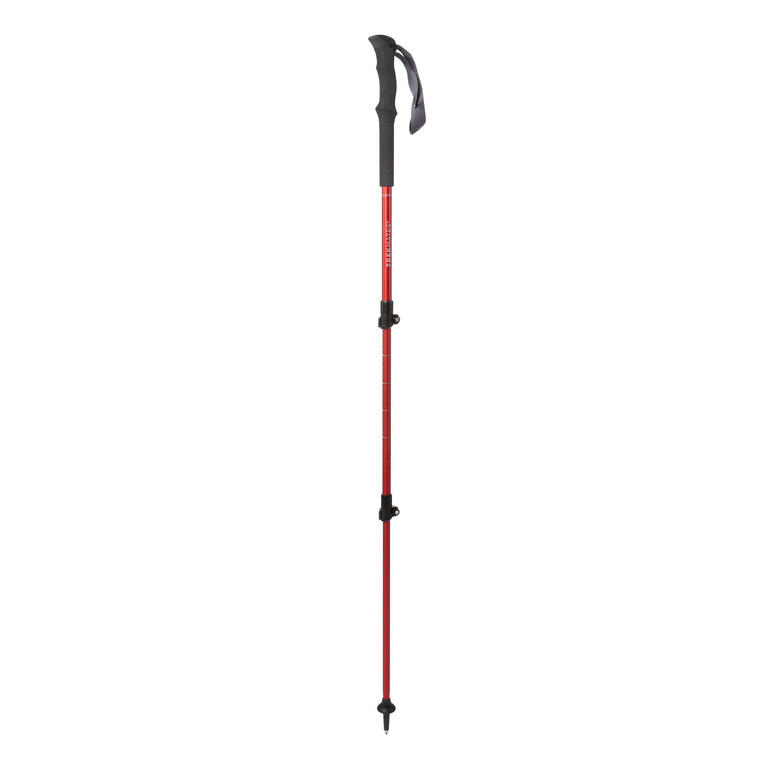
Weight
Weight matters when you're carrying them for hours. Lighter poles reduce fatigue during long hikes, which helps you go further without wearing out. Heavier poles give better stability and shock absorption when you're handling steep descents or tricky terrain where you need extra support. Beginners usually do fine with mid-range weight. Serious distance? Go lighter. Technical terrain? Heavier gives more support.
Material
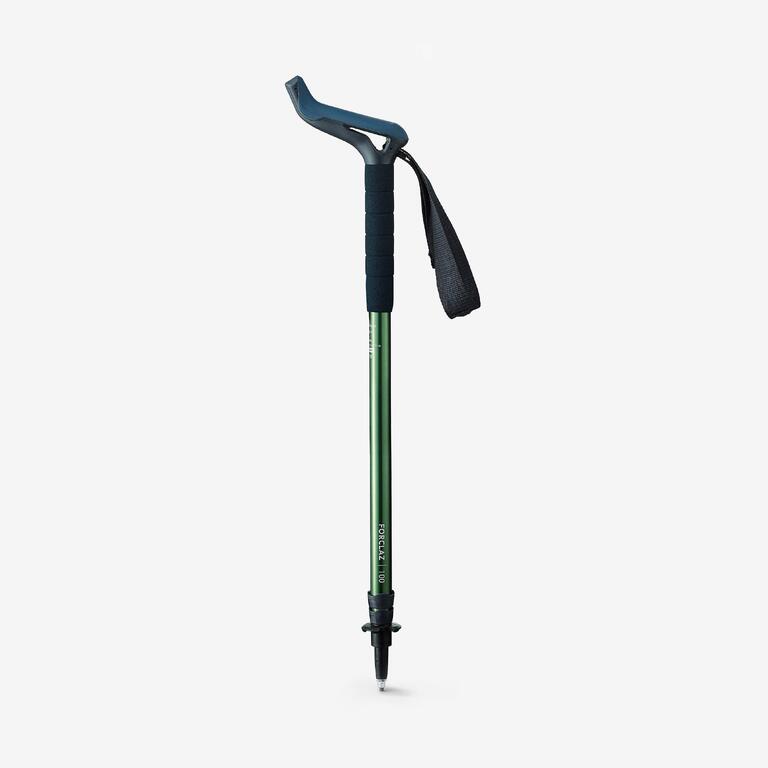
Material determines durability, weight and shock absorption on the trail. Aluminium is lightweight, affordable and dependable. Carbon fibre is lighter and absorbs vibration better but costs more and needs careful handling. Composite blends offer balance across different terrain types. Most trekking poles use aluminium alloy that delivers solid performance for everything from casual day hikes to serious mountain trekking.
Grip
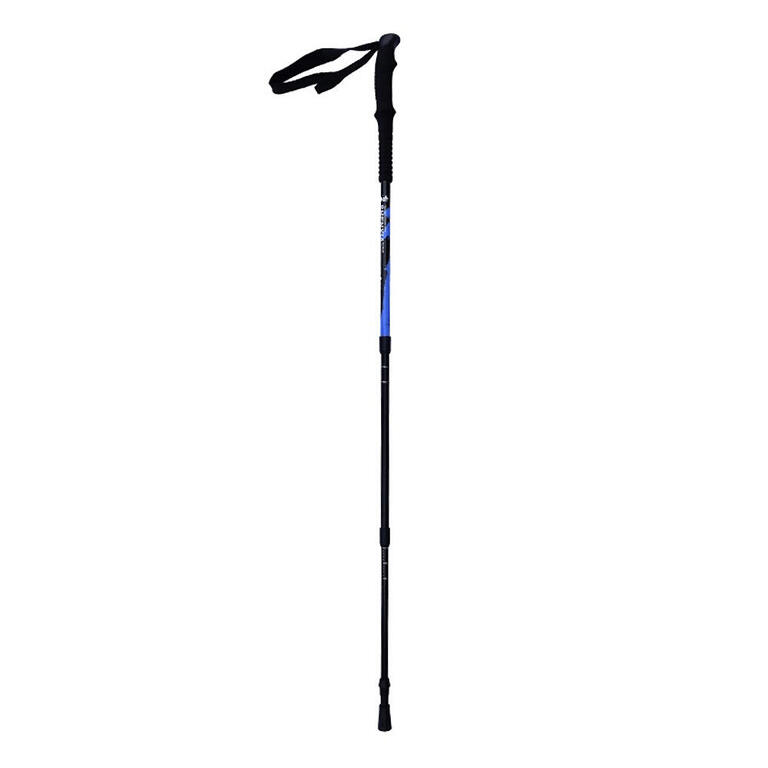
Look for comfortable handles that fit your hand during extended use. The wrist strap should distribute weight evenly and stay secure without cutting off circulation. Cork or foam grips bed in over a few sessions and improve grip. Adjust strap tension before heading out for optimal support.
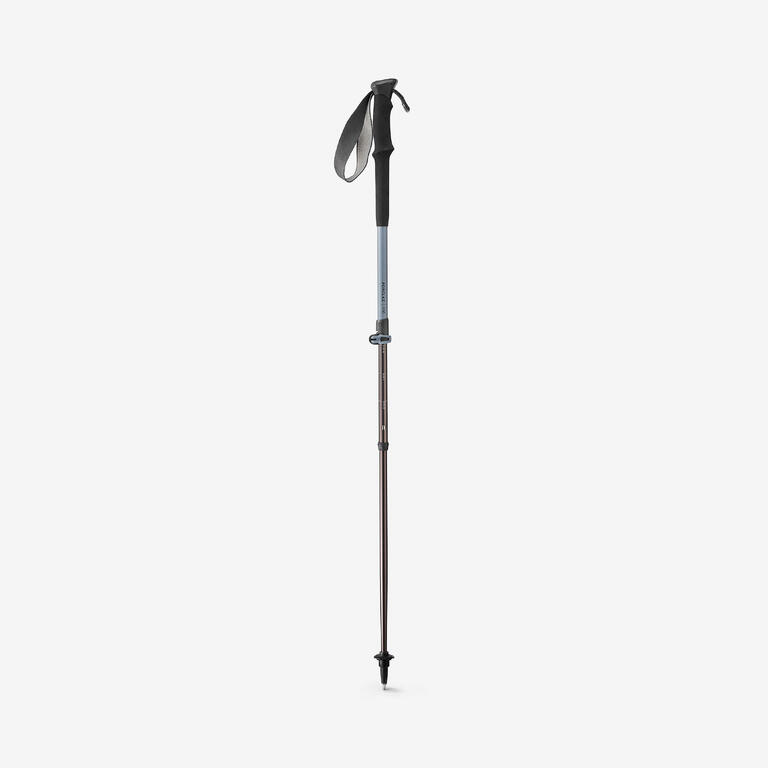
Adjustability
Fixed-length poles work fine for straightforward day hikes. But if you're tackling steep descents or varied terrain, adjustable poles really shine. They pack smaller too if you carry them regularly. Think about the type of terrain you'll tackle most often.
Check All Trekking Poles
Who is this for?
First-time trekkers. These beginner trekking poles are perfect for casual day hikes and general trail walking. Simple to adjust, lightweight enough, and reliable without fuss.
Regular trail hikers. These comfort trekking poles support sustained hiking and reduce joint strain during regular outings. Enhanced grip and shock absorption help you go further comfortably.
Serious trekkers and mountaineers. These performance trekking poles are built for steep terrain and long-distance expeditions. Lightweight construction and superior stability perform where standard poles fall short.

Maintaining your trekking poles
Dry them off after each hike to prevent moisture buildup. IInspect the locking mechanisms and wrist straps before storage, as storing damp poles causes corrosion over time. Extended sunlight weakens the materials, so keep them out of harsh sun. Rinse with fresh water occasionally and dry thoroughly, then air dry completely. Store them upright or flat in a cool, dry place. All trekking poles come with a 2-year warranty through Decathlon.

Trekking poles by type
Type
Best for
Lightweight and adjustable poles
First-time users, casual day hikes, occasional trail use.
Versatile all-terrain poles, regular hiking, varied trail conditions.
Shock-absorbing poles
Long-distance trekking, mountaineering, weight-conscious adventurers.
Carbon fibre lightweight poles
Downhill hiking, joint sensitivity, steep descents.
Premium and specialist poles
Check All Trekking Poles
Explore our Top Sports
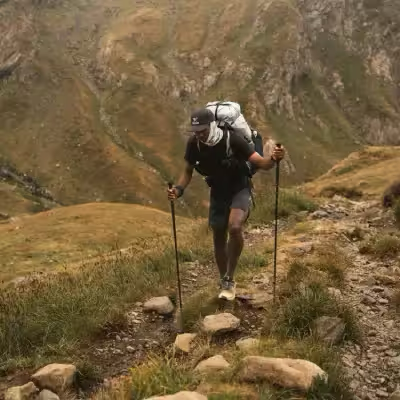 Hiking & Trekking
 Swimming
 Cycling
 Fitness (Yoga/Pilates)
 Camping
 Running
Frequently asked questions
What length should trekking poles be for beginners?
Aim for mid-length poles where your elbows bend at roughly 90 degrees. This is the standard starting point and gives you good leverage and control on most trails.
Are fixed-length poles suitable for all trekking?
For flat terrain, yes. Fixed-length poles work well on consistent ground. For steep descents, varied elevation or mountaineering, adjustable poles are more appropriate as they adapt to changing conditions and reduce strain on longer treks.
What are the best trekking poles for steep terrain?
How long do trekking poles last?
What are the best trekking poles for wet conditions?
Shock-absorbing poles are essential for steep terrain. They provide good stability and reduce impact on downhill sections, rocky paths and challenging descents.
Quality trekking poles last many years with proper care. Replace them if you notice bent shafts, loose locking mechanisms or worn grips.
Cork or foam grips stay grippy in wet conditions. These materials hold their grip as moisture builds up, making them perfect for rainy hikes or stream crossings.
Trekking Poles That Make Every Step Count
The right trekking poles improve balance, reduce strain and help you move more confidently across different terrain. Whether you're heading out for casual hikes or long-distance treks, lightweight construction and reliable grip make every step feel more comfortable. Choose trekking poles that help make every climb feel more controlled.
Check All Trekking Poles
About Us
> Who We are> Membership> Sustainability> Sustainable product conception> Innovation> Price Drop> EventsCUSTOMER SERVICE
> Contact Us> Return Policy> Terms of Service> Privacy Policy> Warranty Information> Promotional Terms & ConditionsJOIN US
> CareersSERVICES
> Our services> Maintenance and Repair> Product Personalisation> Raquet Stringing> Rentals> Buy backSHOP AT DECATHLON
> Our Stores> Decathlon Marketplace> Second Life> Click & Collect> Delivery> Sports AdviceMedia & Press
> media.australia@decathlon.com