Road runners trying trails
A grippy shoe and a light pack are usually all you need to make the switch.
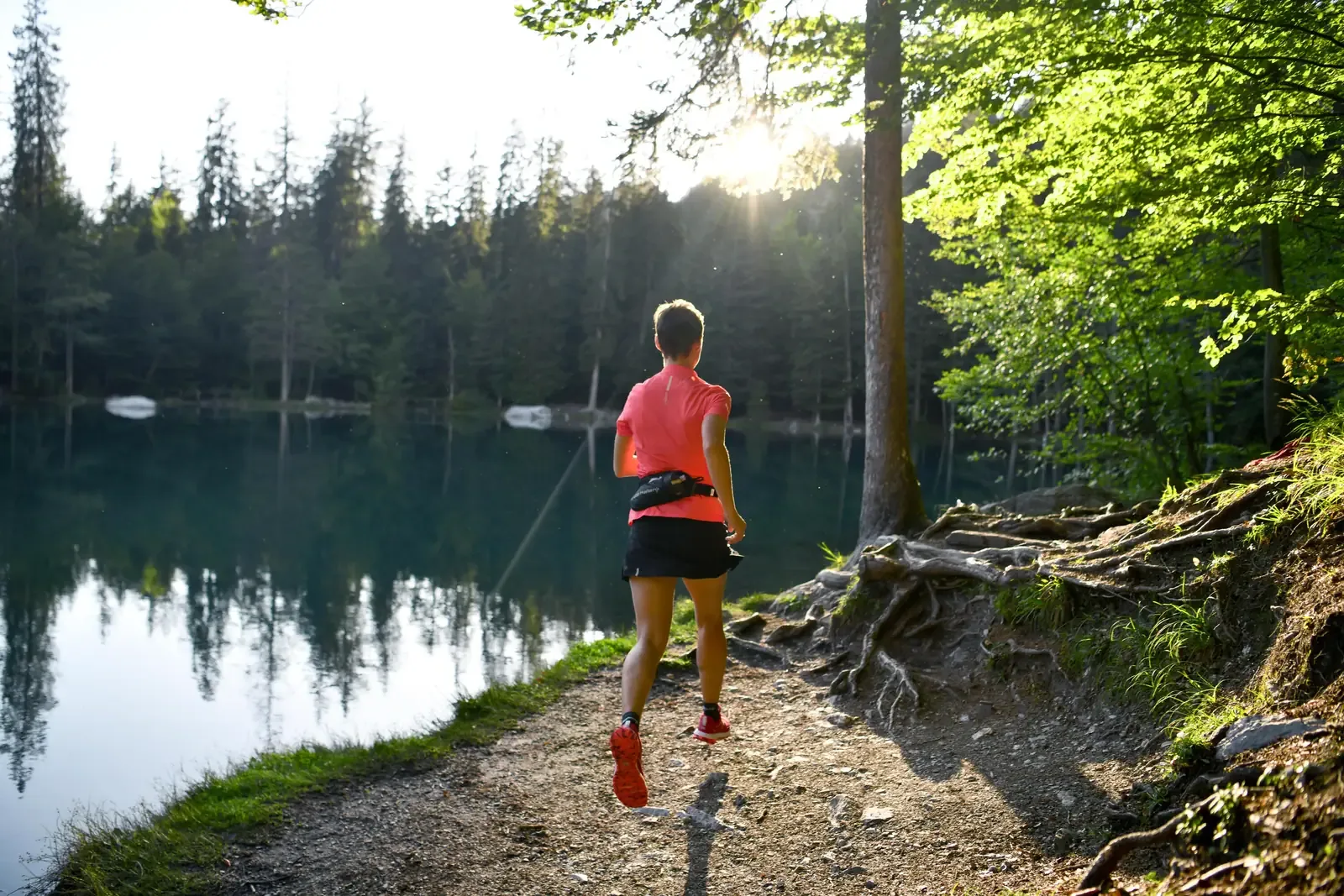
Moving from footpaths to dirt tracks is one of the best things a runner can do. You do not need much to start, and we would put grip, water and a light layer ahead of everything else.
The gear we would buy first for off-road runs, in order of importance.
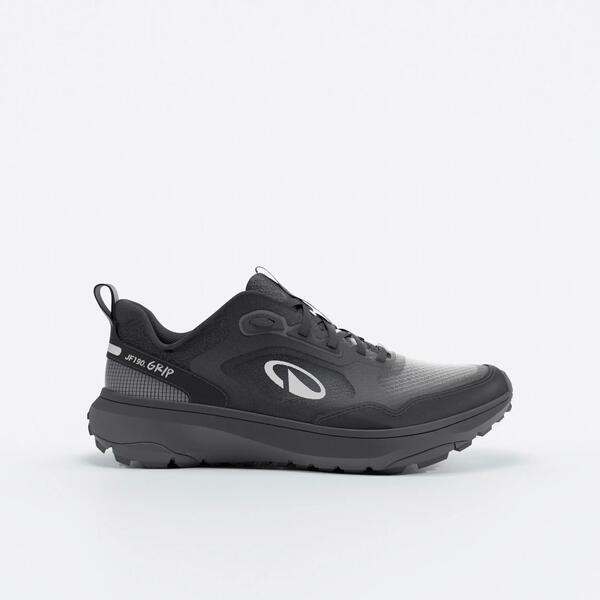
Trail shoes built for grip on dirt and gravel.
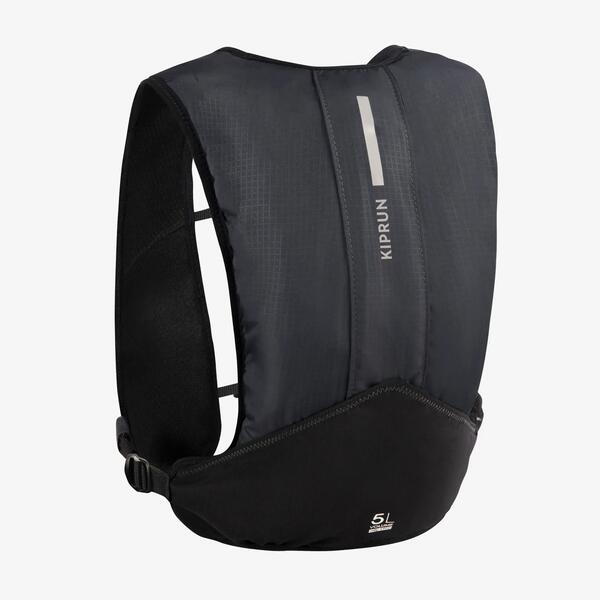
Light packs, bottle belts and flasks for the trail.
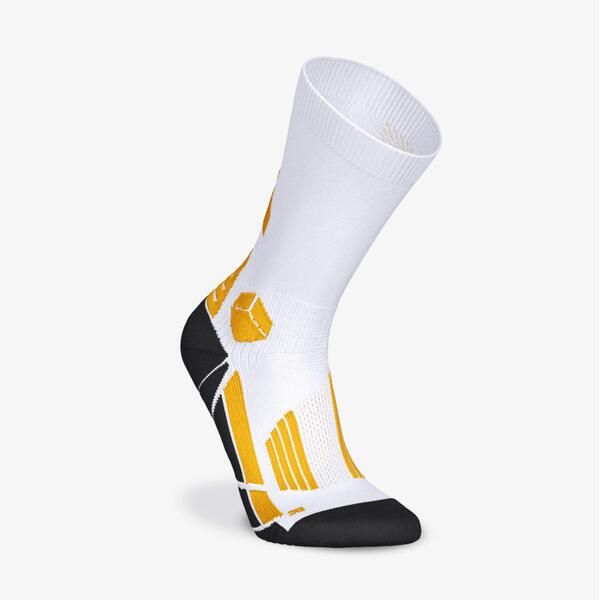
Running socks, including compression styles, from several brands.

T-shirts, tanks and long sleeves for the trail.
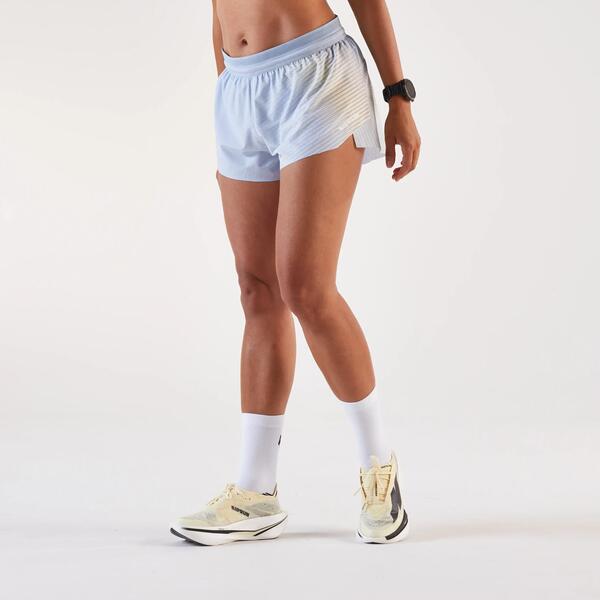
Shorts, tights and running briefs for trail days.
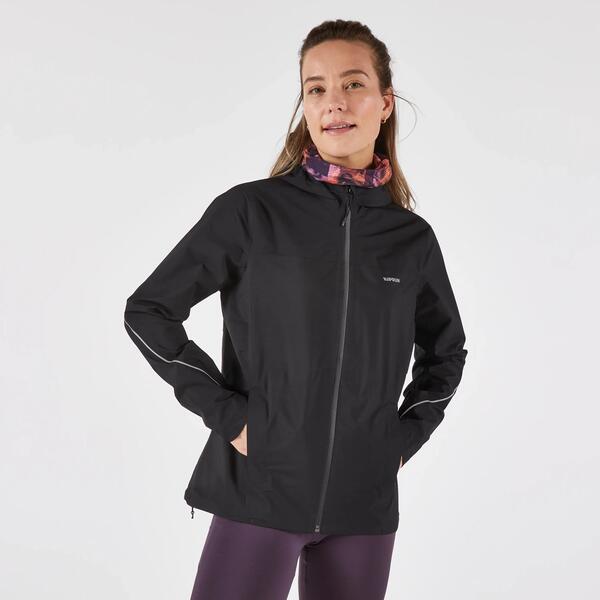
Rain and wind jackets for changeable trail weather.
Trail shoes have deeper lugs for loose ground and tougher uppers for rocks and roots. If your trails are mostly smooth gravel, a lighter, more road-like trail shoe often works well.
A small pack or belt should sit close and stay put when you run downhill. Try it with water inside, since that is when movement shows up.
Weather can turn quickly in the hills and bush. A light jacket you can stuff in a pack is worth carrying on most runs.
Trails are slower than roads, so run by feel and walk the steep climbs. Most new trail runners find that is part of the fun.
A grippy shoe and a light pack are usually all you need to make the switch.
If you already know the tracks, running them is a natural next step.
Many local trails are a short step up from your weekend run.
| Item | Why it matters | Tip |
|---|---|---|
| Trail running shoes | Grip on loose and uneven ground | Match the lugs to your local trails |
| Running pack or belt | Carries water, snacks and a layer | Fill it before you test the fit |
| Running socks | Help keep feet comfortable | Pick a height that keeps grit out |
| Trail top | Light and quick to dry | Bright colours are easier to spot |
| Shorts or tights | Freedom on climbs and descents | Choose pockets for keys and snacks |
| Rain jacket | Shelter if the weather turns | Pack it even when the sky is clear |
| Cap or visor | Shade on exposed trails | Pick one that dries quickly |
On smooth, dry gravel paths, road shoes can be fine for a while. Once you hit mud, loose rock or steep descents, trail shoes give noticeably better grip and protection underfoot. They are the first piece of trail kit we would buy.
For short runs, water, your phone and a light layer are a good start. On longer or more remote runs, add snacks, basic first aid and a rain jacket. Always check the conditions and let someone know your plans.
It usually feels harder because of hills, uneven ground and slower pace. Run by effort rather than pace, walk the steep bits and build distance gradually. Many runners find trails gentler on the body because the ground varies with every step.
Choose short, popular, well-marked trails, carry your phone and tell someone your route. Check the weather and any track closures before you leave. Watch your footing on descents and turn back if conditions change.
Light, quick-drying tops and shorts suit most conditions, with a jacket packed for wind and rain. A cap helps in the sun, and socks that reach above the shoe can help keep grit out. In cooler months or in the mountains, add a long-sleeved layer.
Good grip, water and a light layer will take you a long way off-road. When you are ready for more, our full running range is here.
Free delivery on orders over $150. Members get our lifetime warranty.