Social and club players
Synthetic gut or multifilament gives a comfortable, easy feel.
Strings shape how your racket feels on every shot. We'll help you compare the main string types, make sense of gauge and tension, and know when it's time to restring.
Options from our tennis strings, plus rackets ready for them.
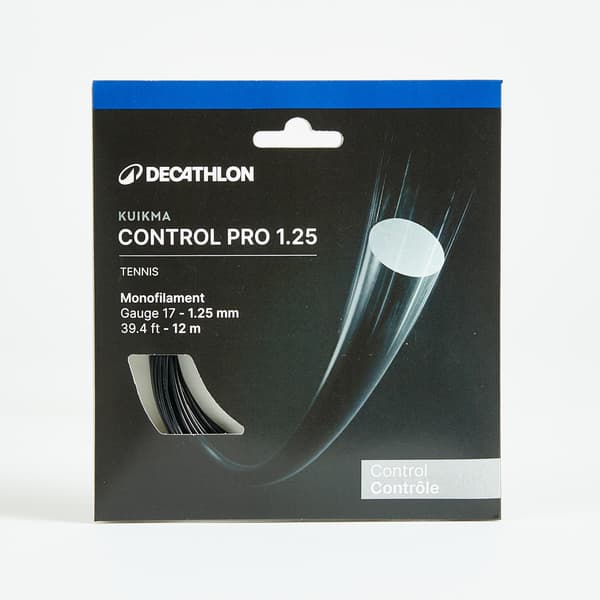
Firm monofilament strings for control and durability.
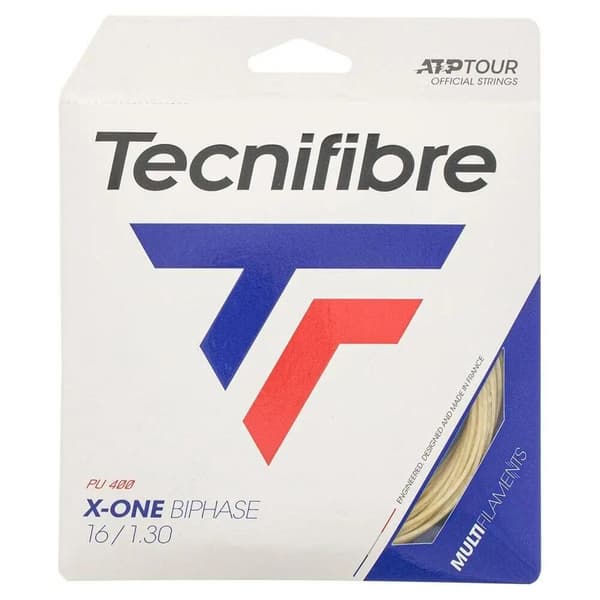
Multifilament strings for a softer, more forgiving feel.
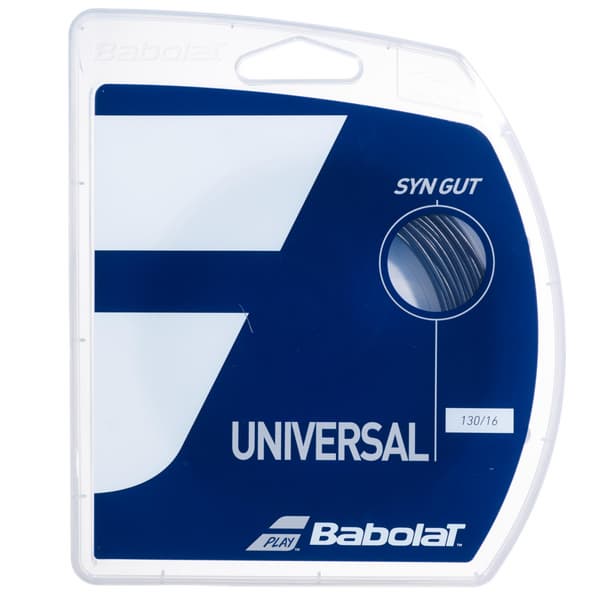
All-round synthetic gut strings for club players.
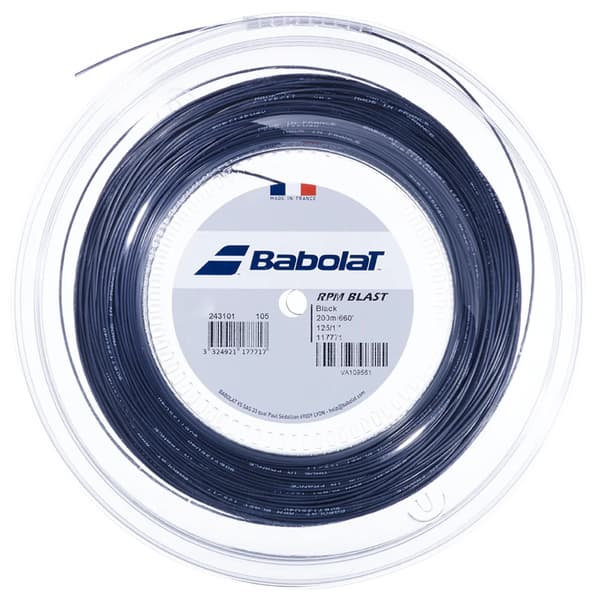
200 m reels for players who restring often.
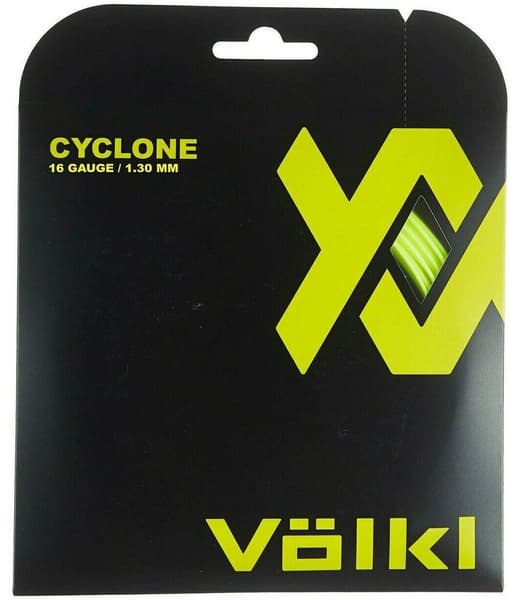
Bright string colours to make your racket stand out.
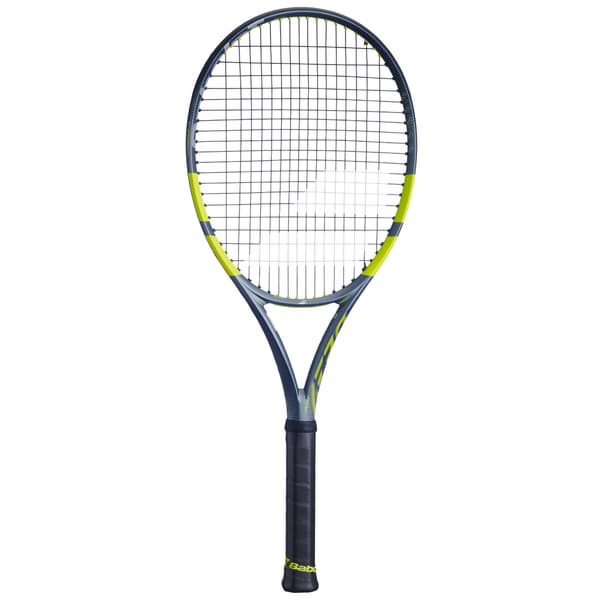
Strung rackets and unstrung frames for every level.
Monofilament strings feel firm and controlled, multifilament feel softer, and synthetic gut sits in between. Your playing style and comfort matter more than what the pros use.
Gauge is the string's thickness, shown in millimetres. Thinner strings give more feel and bite on the ball, while thicker strings usually last longer.
Your racket frame shows a recommended tension range, so start in the middle of it. Lower tension tends to feel more powerful, higher tension more controlled.
Strings lose tension over time even if they don't break. A common rule of thumb is to restring as many times a year as you play each week.
Synthetic gut or multifilament gives a comfortable, easy feel.
Monofilament or a thicker gauge holds up better to heavy topspin.
A 200 m reel saves trips and keeps your favourite string on hand.
| Option | Feels like | Good to know |
|---|---|---|
| Monofilament | Firm and controlled | Often chosen by players with big swings |
| Multifilament | Soft and forgiving | A popular choice for comfort |
| Synthetic gut | Balanced all-round feel | A solid first choice |
| Thinner gauge (1.20 to 1.25 mm) | More feel and bite | Tends to wear faster |
| Thicker gauge (1.30 mm and up) | Firmer and longer lasting | Good if you break strings often |
| 200 m reel | The same string, many restrings | For regular players and stringers |
A common rule of thumb is to restring as many times a year as you play each week, so twice a week means about twice a year. Strings slowly lose tension even when they don't break. If your shots feel dead or less controlled than usual, it's probably time.
Start in the middle of the range printed on your racket frame. Lower tension usually feels more powerful and comfortable, while higher tension gives more control. Adjust a little at a time until it feels right.
Monofilament strings are a single solid strand that feels firm and holds up well to big swings. Multifilament strings are made from many fine fibres and feel softer and more forgiving. Many club players prefer the comfort of multifilament or synthetic gut.
Thinner strings, around 1.20 to 1.25 mm, give more feel and grip on the ball but tend to wear faster. Thicker strings, around 1.30 mm and up, last longer. If you break strings often, try a thicker gauge.
Usually, yes. Strings lose tension and liveliness over time, which changes how the ball comes off the racket. Restringing before they snap keeps your racket feeling consistent.
Pick strings that suit your game, set a sensible tension and enjoy a racket that feels lively again. Everything else for tennis is in our tennis range.
Free delivery on orders over $150. Members get our lifetime warranty.