Swimming Caps for Speed, Warmth or Hair Protection
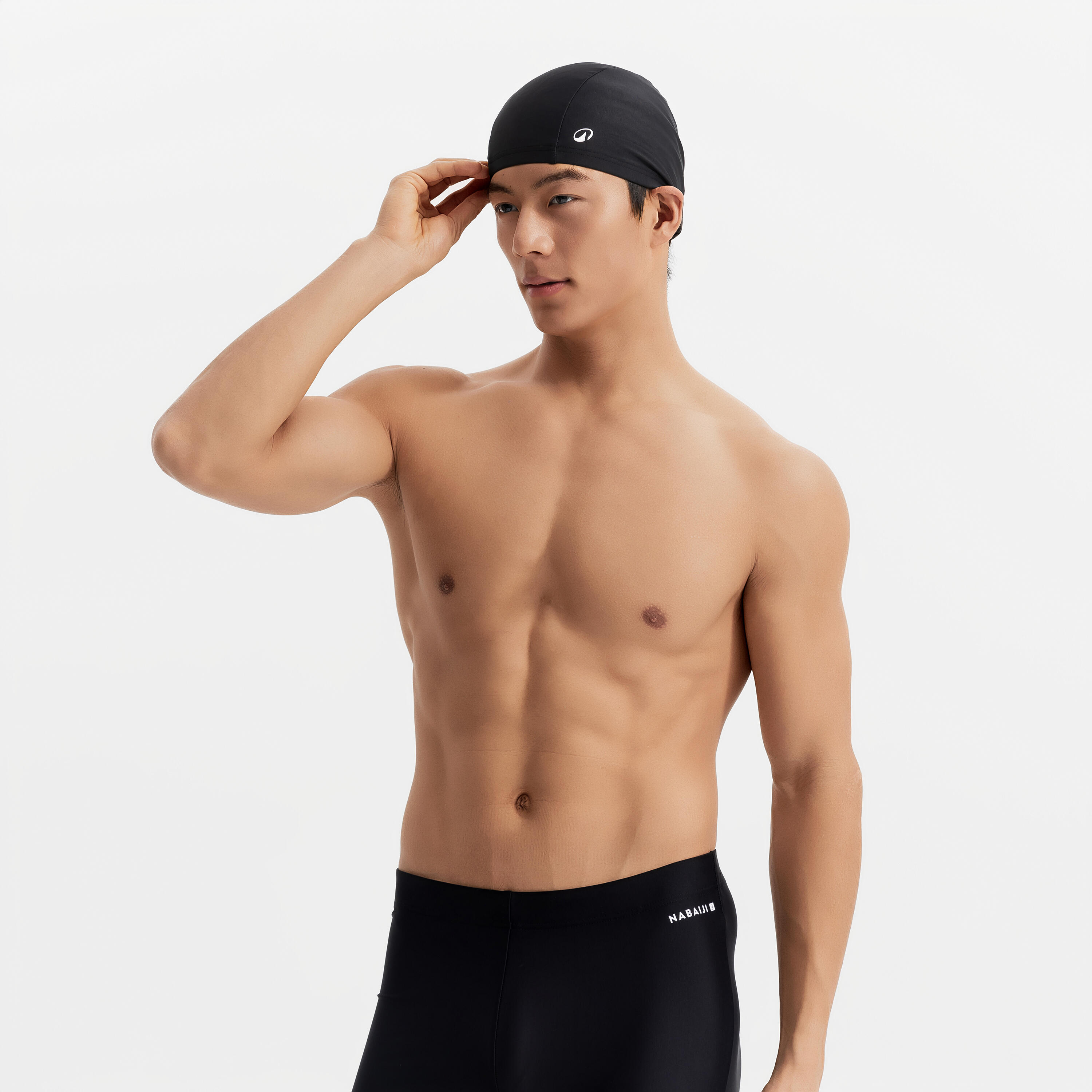
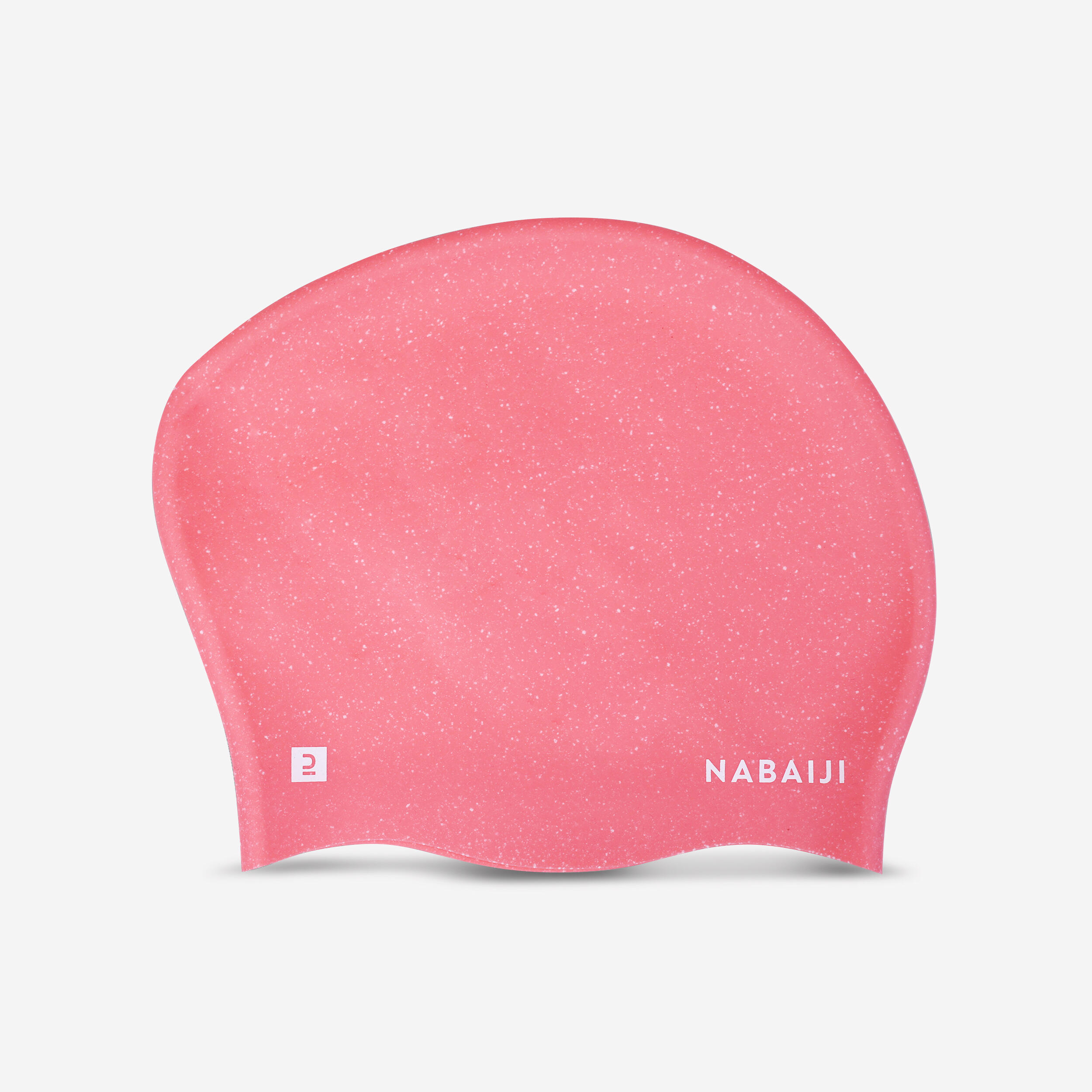
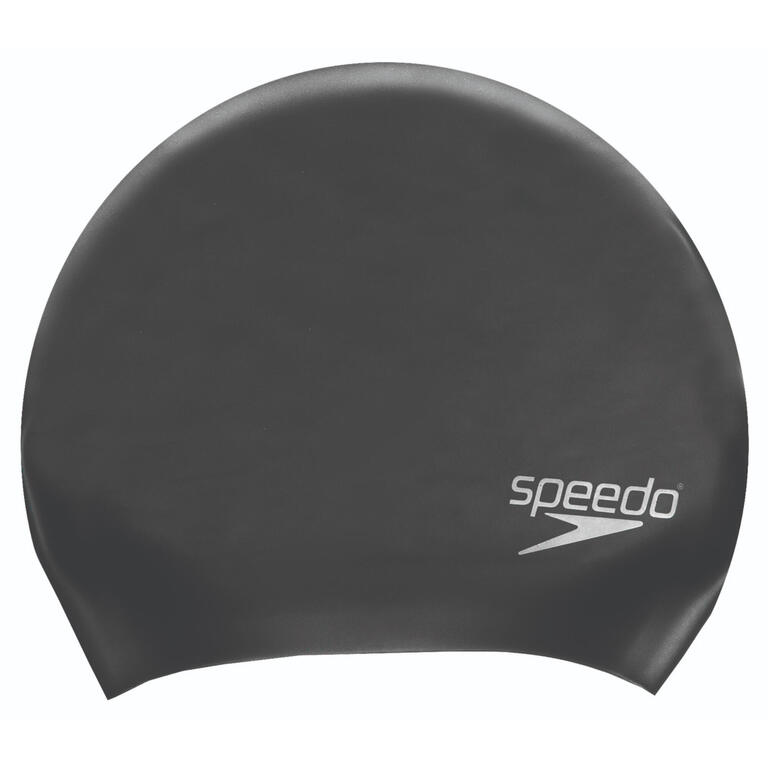
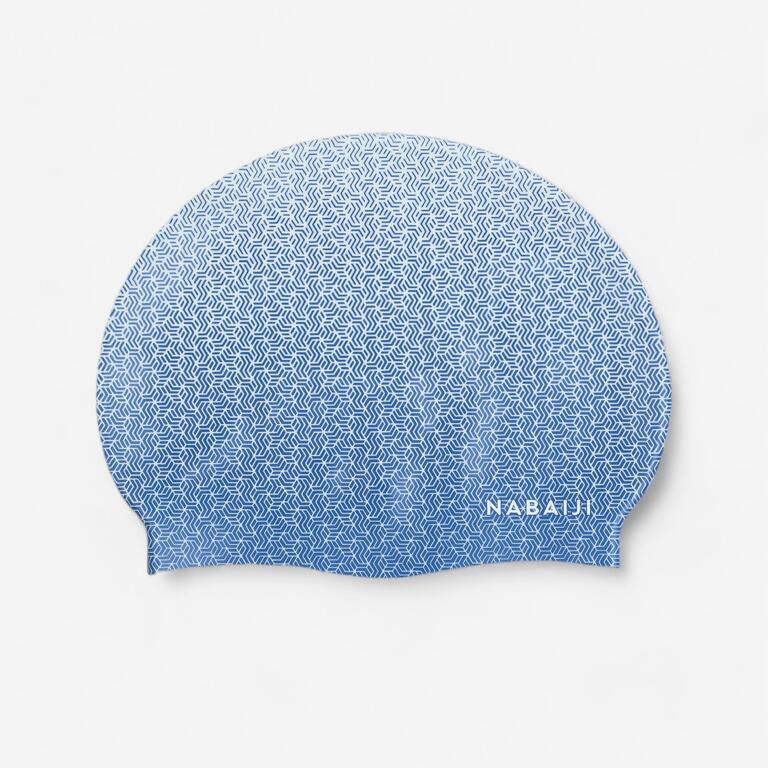
A cap keeps hair out of your face, cuts drag and takes some chlorine off your hair. We make a soft fabric cap that pulls on gently for children and anyone who finds silicone a struggle, a silicone-coated mesh cap that grips properly for training, and a roomier shape for long hair that doesn't drag it all to one side. Fit matters more than material.
A cap that fits snugly stays in place during swimming without slipping off, but shouldn't cause headaches or pinch your head. Most caps come in sizes to match different head shapes, and a proper fit is worth getting right. Silicone caps often have a slightly stretchier fit than latex, which matters if you find typical caps uncomfortable on first use.
Material choice
Silicone is durable, long-lasting and easy to clean, making it the best all-round choice for most swimmers. Latex is lighter and provides a snugger fit, but it's less durable and not suitable if you have a latex sensitivity. Neoprene offers warmth for cold water swimming. Your choice depends on how often you swim and what conditions you'll be training in.
Hair protection level
A well-fitted cap protects your hair from chlorine and salt water damage, though no cap keeps hair completely dry. If protecting your hair is a priority, a snug fit minimises water contact. Regular swimmers notice the difference in hair quality over a season. For competitive swimmers, a cap reduces drag in the water and keeps hair from distracting during training.
Ease of putting on
A cap that's difficult or frustrating to put on gets left in your bag. Look for designs with a wider opening that stretch easily without pinching. Silicone caps are generally easier to stretch than latex ones. If you're new to caps, a stretchy silicone in your size is your safest bet for actually wearing it consistently.
Casual pool visitors. A simple swimming cap for occasional pool time. Easy to put on and take off, straightforward to dry and store. No unnecessary features, just practical hair and ear coverage.
Swimmers training twice weekly or more. A durable swimming cap built for frequent pool sessions. Quality material withstands regular use and repeated rinsing without degrading, so you're not replacing it constantly.
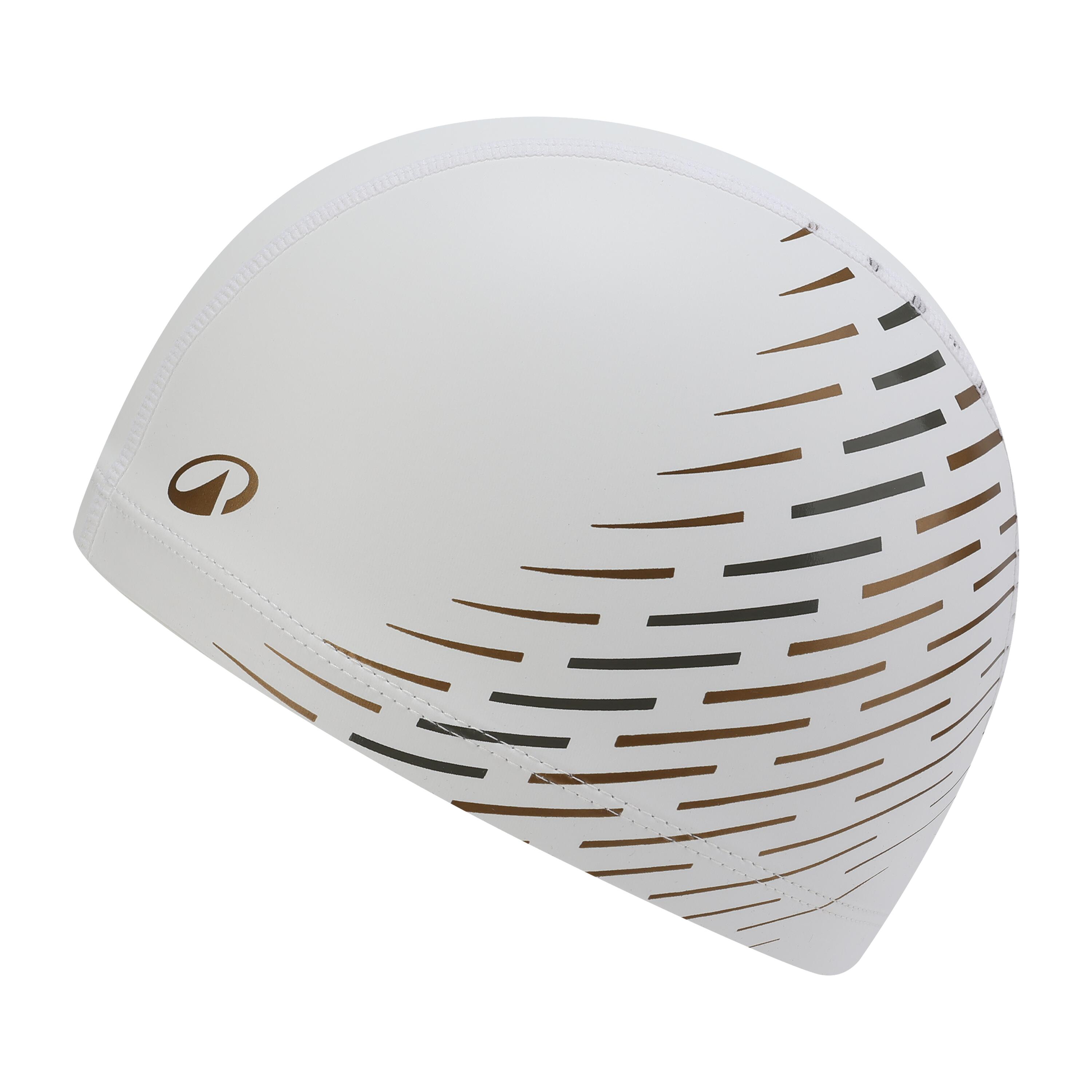
Competitive and distance swimmers. A performance swimming cap engineered for speed. Streamlined design minimises drag and stays secure during intense training, long-distance sets and racing.
Caring for your swimming cap
Immediately after each swim, rinse to remove chlorine and salt, which degrade materials and cause odour. Hang or lay flat to air dry completely before storing, as moisture trapped in a damp cap causes mildew. Avoid wringing hard as this damages elasticity. Keep out of direct sunlight, which breaks down the material and fades colours. Store in a dry place away from heat and humidity. Check the edge and around the ears regularly for cracks or hardening, which indicate material degradation. If the cap feels noticeably tighter or uncomfortable, the material may have hardened.
Swimming caps by type
Type
Best for
Silicone Swimming Caps
Regular swimming, training and a secure, durable fit.
Frequent swimming with a lightweight, flexible fit.
Latex Swimming Caps
Casual swimming, water aerobics and comfortable everyday wear.
Fabric Swimming Caps
Recreational swimming and swimmers who prefer a soft, comfortable fit.
A swimming cap is helpful if you want to protect your hair from chlorine and salt water, reduce drag during competitive swimming, or keep hair out of your face. They're not essential for casual swimming, but many swimmers find them useful for comfort, hygiene and performance.
What's the difference between silicone and latex swimming caps?
Silicone caps are more durable, comfortable and offer better waterproofing. Latex caps are thinner and lighter, often preferred by competitive swimmers. Silicone is gentler on hair and easier to put on, making it better for beginners and recreational swimmers. Latex works well if you prioritise performance and minimal bulk.
How do I find the right size swimming cap?
Will a swimming cap keep my hair completely dry?
What should I look for when choosing a swimming cap?
Most swimming caps come in small, medium and large sizes. The cap should fit snugly without causing headaches or discomfort. A proper fit keeps the cap secure during swimming while staying comfortable for extended wear. Check the manufacturer's sizing guide and read reviews for fit feedback.
A well-fitted silicone cap minimises water exposure significantly, but won't keep hair completely dry in most cases. The goal is to reduce the amount of water and chlorine your hair absorbs. For maximum protection, some swimmers apply conditioning products before wearing a cap.
Choose a swimming cap based on your swimming activity, hair length and preferred material. Consider features such as a comfortable fit, durable construction and a design that's easy to put on and remove for an enjoyable swimming experience.
Streamline Your Swim With The Right Cap
A cap streamlines your head in the water, cuts drag and keeps hair out of your face so you can think about technique instead. Fabric pulls on gently, silicone grips and lasts, and a roomier cut stops long hair pulling to one side. The right one stays put without giving you a headache, which is when you stop noticing it at all.
 All SportsMenWomenKidsAccessoriesEquipment and LeisureHealth & NutritionBest DealsNew ArrivalsMarketplace


 Hiking & Trekking
 Swimming
 Cycling
 Fitness (Yoga/Pilates)
 Camping
 Running