Surfing on the Gold Coast: where to paddle out

The southern Gold Coast packs world-famous right-hand points into a few short kilometres, with gentle learner waves right beside them. Here is which spot suits you, how to surf safely and what to bring.

What to pack for a Gold Coast surf

A board, fins and leash first, then a light suit and sun cover.

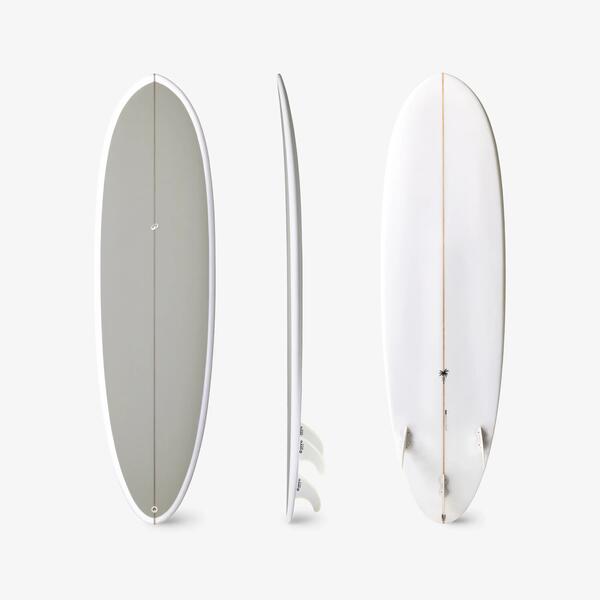
Khaki hybrid surfboard with three fins
BOARDS

Foam, hybrid and hard boards, plus bodyboards.

What to prioritise
Find your board

Surfboards

Shop the Range
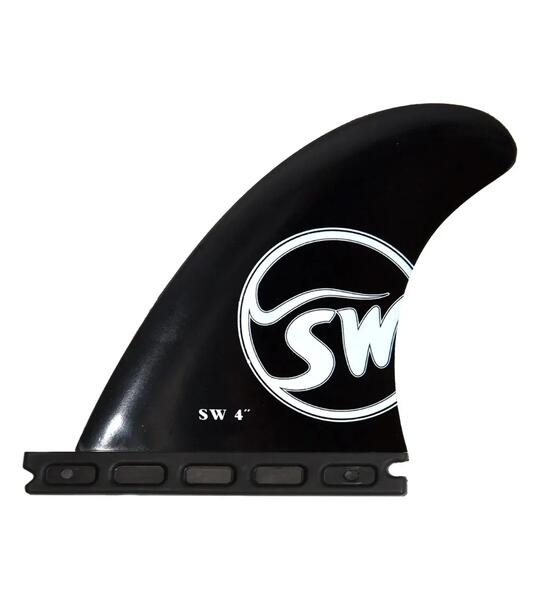
Set of three thruster surfboard fins
FINS

Thruster, twin, quad and single fins to tune your board.

What to prioritise
Hold your line

Surfboard Fins

Shop the Range
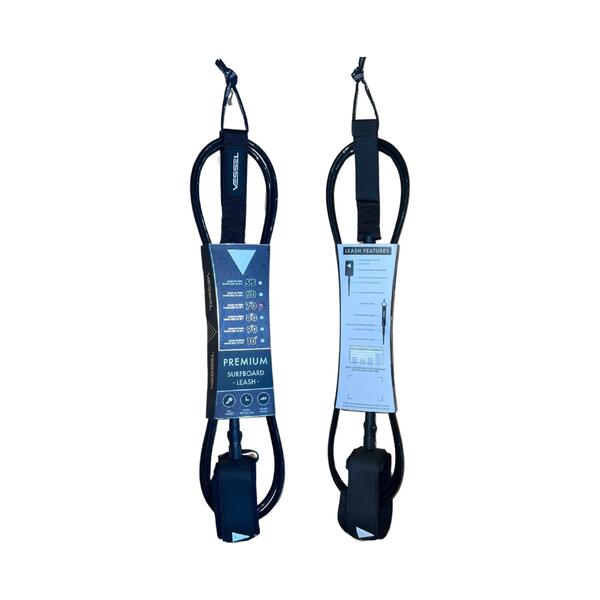
Eight-foot surfboard leg rope
LEASHES

Surfboard and bodyboard leashes, plus straps for the car.

What to prioritise
Stay connected

Leashes & Leg Ropes

Shop the Range
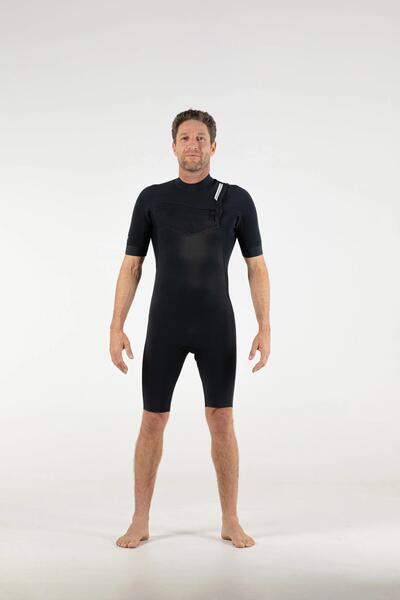
Men's long-sleeved chest-zip springsuit
WETSUITS

Shorties, springsuits and steamers for adults and kids.

What to prioritise
Stay warm

Wetsuits

Shop the Range
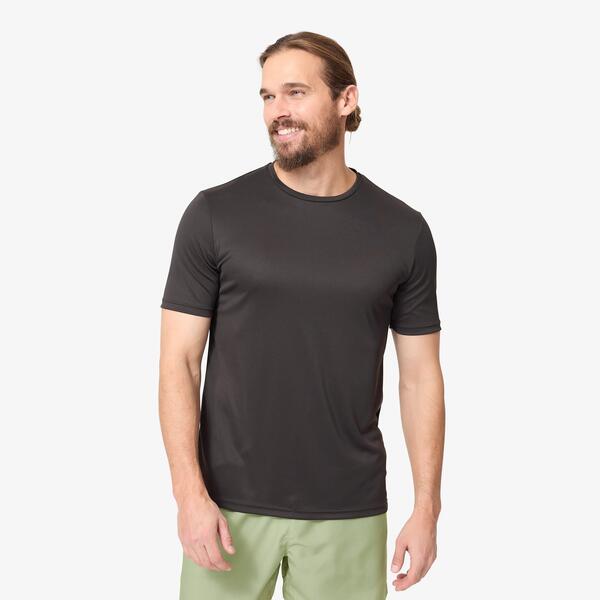
Black short-sleeved men's UV surf top
SUN COVER

UV tops, rash vests and leggings for all ages.

What to prioritise
Cover up

Rash Vests & UV Swimwear

Shop the Range
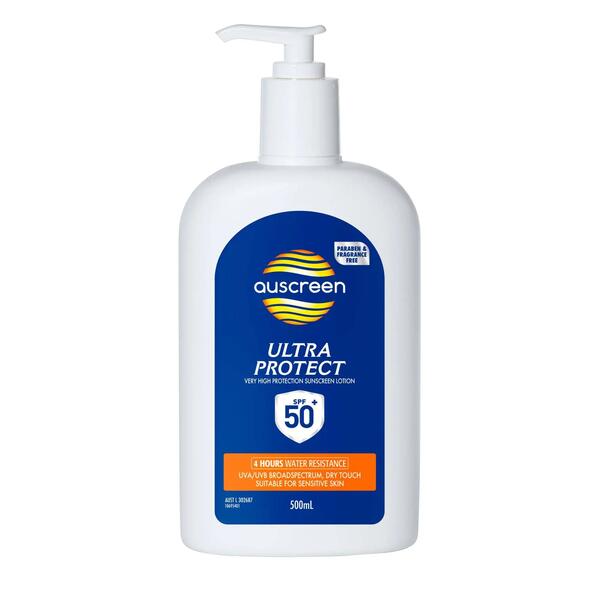
Pump bottle of SPF50+ sunscreen
SPF

SPF50 and SPF50+ lotions, sticks and zinc.

What to prioritise
Sun safe

Sunscreen

Shop the Range

Gold Coast breaks worth knowing

From Coolangatta's sheltered bays up to the Burleigh headland.

Beginner friendly

Rainbow Bay

Tucked inside Snapper Rocks at the southern end of the coast, Rainbow Bay has a gentle wave that runs in from the Snapper line-up. Surfing reserve guides call it ideal for learners and swimmers.

Good to knowIt is a popular family beach, so give swimmers plenty of room and stay out of the flagged area. Surf lessons are available locally along this stretch.

Point break

Snapper Rocks

The start of the famous Superbank, Snapper is a consistent right-hand point with a barrelling take-off and a long, clean line-up inside. It is one of the best-known waves in the world.

Good to knowExpect a busy line-up of skilled surfers and strong currents running along the point. Watch from the rocks first, and leave it until you can handle a crowd and a fast wave.

Softer waves

Greenmount and Coolangatta

Around the corner from Rainbow Bay, Greenmount and Coolangatta offer softer, rolling lefts and rights over sand. They help spread the crowds when the points are packed.

Good to knowA good option for improvers who want longer rides without the intensity of Snapper. Conditions change with the sand, so check before you go.

Point break

Kirra

Kirra is more open to south-easterly swell, so the waves get bigger as the swell builds. The groyne and sand bank can line up long tubes across the point.

Good to knowThis is a wave for experienced surfers, especially when it is big. Beginners are better off at Rainbow Bay or Greenmount.

Point break

Currumbin

A right-hand point that can be world class in the right conditions, running towards the Currumbin Creek mouth over sand. Surfing reserve guides say it is at its best from January to June.

Good to knowIn bigger swells the rip near the creek mouth gets strong. If you are unsure, watch the water for a while and surf only when it is small.

Headland

Burleigh Heads

Burleigh has several breaks along the headland, from the heavy, shallow Sharkies at the top to the Point and the End Section near the beach. The End Section is where many beginners and intermediates start.

Good to knowThe upper sections break over shallow rock and are for very experienced surfers only. The rocky bottom shows at low tide, so pick your entry and exit points carefully.
What to look for in Gold Coast kit

A board for the wave

The points run fast, so many locals ride shortboards or hybrids there. If you are still learning, a foam board at Rainbow Bay or Greenmount is far more fun.

Fins that match your box

Check which fin system your board takes, such as single tab or twin tab, before you buy. A thruster set suits most everyday boards.

A suit for the season

Many surfers wear boardshorts or a UV top in the warmer months and switch to a springsuit or thin steamer when the water cools. Pick a suit that lets you paddle freely.

Serious sun cover

Queensland sun is strong, and long sessions add up quickly. Use SPF50+ sunscreen on your face and hands, and cover up with a UV top.

First-session tips

Pick the right spot

Learn at Rainbow Bay, Greenmount or the End Section at Burleigh, and leave Snapper and Kirra for when you can handle crowds and speed.

Respect the line-up

The points are crowded and fast. Wait your turn, never drop in, and paddle wide around the people riding waves.

Check conditions first

Look at the Beachsafe app for patrols and hazards, and watch the water for rips and currents before you paddle out.

Your Gold Coast kit at a glance

ItemWhy it mattersTip
SurfboardYour ride on the points and banksStart on foam if you are learning
FinsGrip and drive on fast wallsCheck your fin box type
LeashKeeps your board from hitting othersMatch it to your board length
Springsuit or steamerWarmth when the water coolsRinse in fresh water after use
Rash vestSun cover and less wax rashLong sleeves cover more skin
SunscreenStrong Queensland sunReapply between sessions
Surf waxGrip on the deckPick wax for the water temperature

Look after your kit

  • Rinse your board, fins and wetsuit in fresh water after each surf.
  • Store your board in a bag or in the shade, as heat and sun damage foam and resin.
  • Dry your wetsuit inside out in the shade, then flip it once the inside is dry.
  • Check fin screws and leash strings regularly so nothing comes loose mid-wave.

Frequently asked questions

Where is the best place to learn to surf on the Gold Coast?

The sheltered bays at the southern end are the easiest place to start. Rainbow Bay has a gentle wave that surfing reserve guides call ideal for learners, and Greenmount and Coolangatta have softer, rolling waves over sand. Further north, the End Section at Burleigh is where many beginners and intermediates start. Lessons are available locally if you want a coach.

What are the most famous surf breaks on the Gold Coast?

The southern points are the big names: Snapper Rocks and the Superbank, Kirra, Currumbin and Burleigh Heads. They are recognised as part of a surfing reserve that protects these waves. They are crowded, fast waves best suited to experienced surfers.

When is the best time to surf the Gold Coast?

There are waves all year, but the points need swell wrapping in from the south-east to come alive. Australia's National Surfing Reserves guide says Currumbin is at its best from January to June. Check a surf forecast before you go, as conditions change daily.

Do I need a wetsuit on the Gold Coast?

In the warmer months many surfers wear boardshorts or a UV top, mainly for sun protection. When the water cools, a springsuit or a thin full steamer keeps you comfortable. If you feel the cold, err on the warmer side for longer sessions.

How do I stay safe surfing on the Gold Coast?

Surf at patrolled beaches where you can, keep out of the flagged swimming areas, and check the Beachsafe app for conditions before you go. Rips are common, particularly around creek mouths and points, so watch the water first and know your limits. Never surf alone, and if you get into trouble, stay with your board and raise an arm to signal for help.

Ready to paddle out?

Start in the sheltered bays, read the line-up and pack for strong sun. We have the kit to get you in the water.

Free delivery on orders over $150. Members get our lifetime warranty.

Explore Water Sports
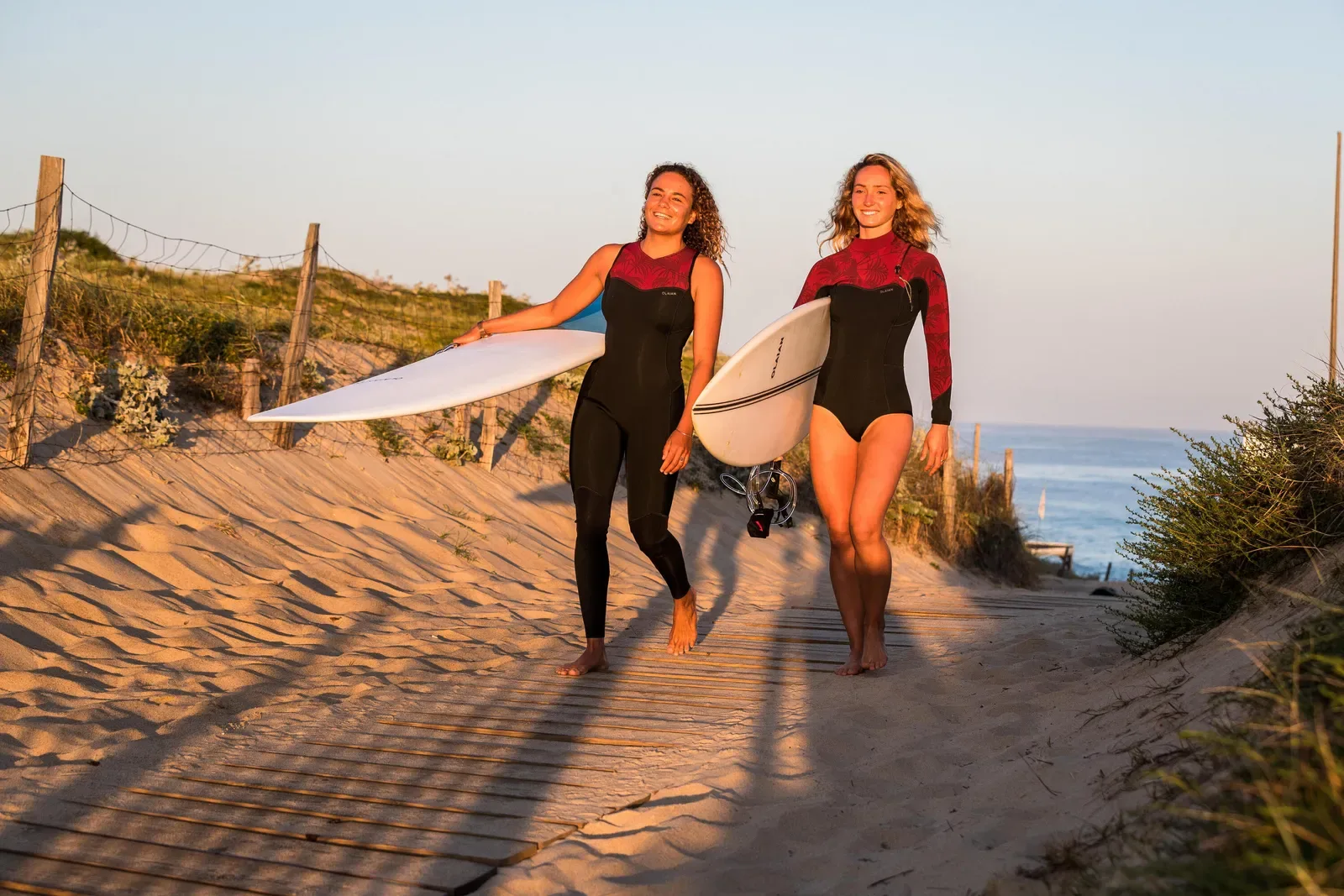
Two women in wetsuits carrying surfboards through sand dunes towards the beach