Surfing Noosa: points, bays and beginner waves

Noosa's long, peeling points have made it one of Australia's best-loved longboard towns. Here is where the waves suit learners, where the experienced crew goes, how to stay safe and what to pack.

What to pack for a Noosa surf

A board that suits the points, then the bits that keep you comfortable.

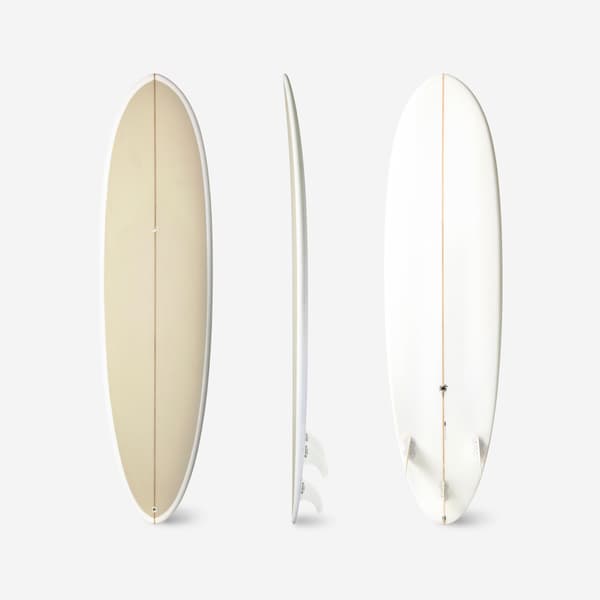
Beige seven-foot hybrid surfboard with three fins
BOARDS

Foam, hybrid and hard boards, plus bodyboards.

What to prioritise
Find your board

Surfboards

Shop the Range
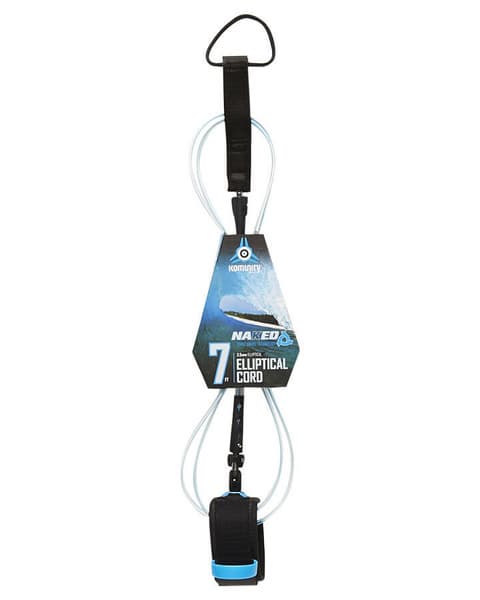
Seven-foot surfboard leg rope
LEASHES

Surfboard and bodyboard leashes, plus straps for the car.

What to prioritise
Stay connected

Leashes & Leg Ropes

Shop the Range
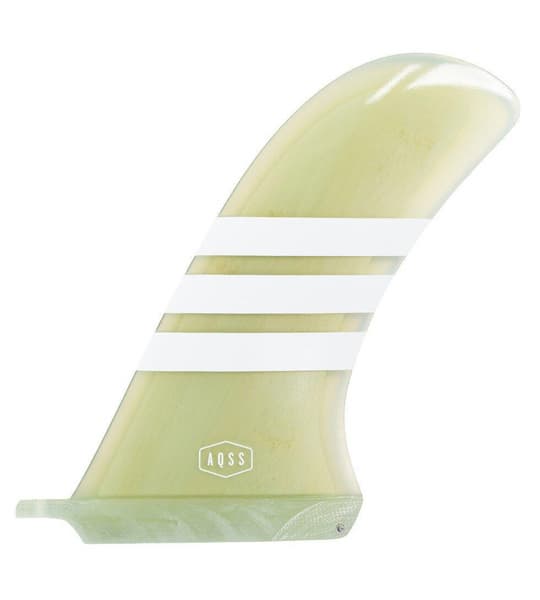
Nine-inch longboard single fin
FINS

Single, twin, thruster and quad fins to tune your board.

What to prioritise
Tune your ride

Surfboard Fins

Shop the Range
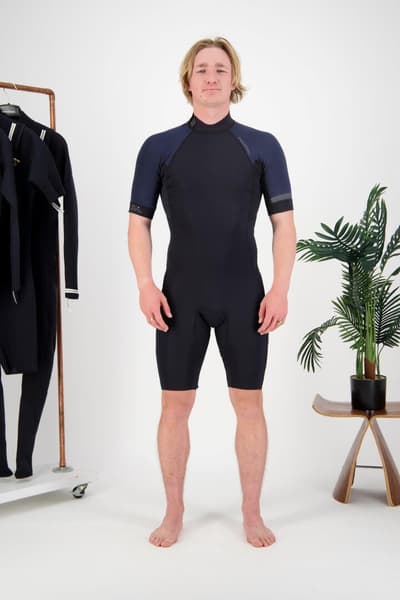
Navy short-sleeved men's springsuit
WETSUITS

Shorties, springsuits and steamers for adults and kids.

What to prioritise
Stay warm

Wetsuits

Shop the Range
Women's long-sleeved undyed UV surf top
SUN COVER

UV tops, rash vests and leggings for all ages.

What to prioritise
Cover up

Rash Vests & UV Swimwear

Shop the Range
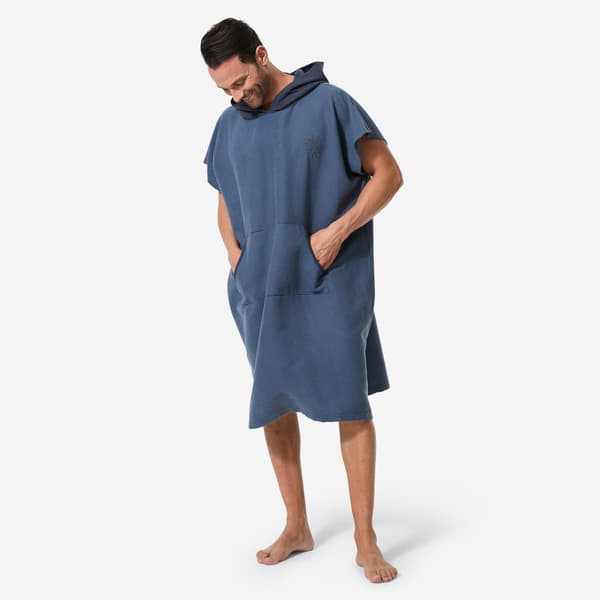
Blue hooded microfibre surf poncho
CHANGE

Microfibre towels, surf ponchos and changing robes.

What to prioritise
Change easily

Towels & Ponchos

Shop the Range

Noosa surf spots worth knowing

From sheltered learner waves to the points inside Noosa National Park.

Beginner friendly

Noosa Main Beach and the Groyne

Main Beach faces north and is sheltered by the national park headland, so the waves are usually small and clean. Visit Noosa calls the groyne end the go-to spot for learning to surf.

Good to knowMain Beach is patrolled all year, so stay between the flags if you are swimming and surf outside them. Surf lessons run here, or bring your own board and practise.

Point break

First Point

The first of Noosa's points and the one closest to town, with waves that break along a rocky point over sand. Local surfers rate the Noosa points among the best longboard waves in the world.

Good to knowWhen it is on, it gets busy. Respect the line-up, wait your turn and read the Noosa World Surfing Reserve's Surfer Code before you paddle out.

National park point

Tea Tree Bay

A white sand bay inside Noosa National Park and one of the famous Noosa points. You reach it on foot along the coastal track from the park entrance.

Good to knowThe points are for confident surfers, with rocks close by. The bay is not on the council's list of patrolled beaches, so never surf alone.

National park point

Granite Bay

Further along the coastal track, Granite Bay is another of the Noosa points, with long rides when the swell wraps around the headland.

Good to knowIt is a longer walk, so carry water and sunscreen and keep your board on the track. Check the surf from the headland before you commit.

Beach break

Sunshine Beach

Over the headland from Noosa Heads, Sunshine Beach is an open, east-facing stretch with punchier peaks and gutters. Visit Noosa describes the northern end as a favourite with experienced local surfers.

Good to knowThe council notes the eastern beaches get more powerful surf than Main Beach. Sunshine Beach is patrolled all year, so check the flags and the Beachsafe app first.

Day trip

Double Island Point

North of Noosa along the beach, Double Island Point has a long, sandy point break that can run for a very long way on good days. It is often less crowded than the Noosa points.

Good to knowYou need a 4WD to get there along the North Shore beach, plus any vehicle permit required. Plan around the tides and tell someone your route.
What to look for in Noosa kit

A board with glide

Noosa's points reward a board that paddles easily and trims along the wave face. A longboard, mini mal or a roomy hybrid gets you into the soft, running walls early.

The right leash length

Match your leash to the length of your board, or a little longer. Longboarders often use a calf leash so it stays out of the way when walking the board.

Sun cover for long sessions

Point sessions can stretch for hours, and the walk out adds more time in the sun. A long-sleeved UV top and water-resistant sunscreen help a lot.

A light suit or none

Noosa's water is mild for much of the year, so many surfers wear boardshorts or a spring suit. A thin steamer helps on cooler mornings and through winter.

First-session tips

Start at Main Beach

Learn the basics on the small, sheltered waves at Main Beach before you try the points. A lesson is the quickest way to get going.

Know the Surfer Code

Noosa's points are part of a World Surfing Reserve with a Surfer Code for sharing waves. Read it, and surf within your ability.

Check before you paddle

Look at the Beachsafe app for patrols, hazards and conditions, and watch the water for a while before you go in.

Your Noosa kit at a glance

ItemWhy it mattersTip
Longboard or hybridCatches the soft point waves earlyFoam boards are best for learning
Single finClassic drive and trim on a logCheck your fin box type first
LeashKeeps your board close in a crowdMatch it to your board length
SpringsuitWarmth on cooler morningsRinse in fresh water after use
UV topSun cover through long sessionsLong sleeves cover more skin
Surf waxGrip on the deckPick wax for the water temperature
PonchoEasy changing in the car parkHang it to dry between surfs

Look after your kit

  • Rinse your board, leash and wetsuit in fresh water after every surf.
  • Keep your board out of the sun and out of a hot car when you can.
  • Dry your wetsuit inside out in the shade, never in direct sun.
  • Check your leash cord and rail saver for nicks and replace it if it looks worn.

Frequently asked questions

Is Noosa good for beginner surfers?

Yes, Noosa is one of the friendlier places in Australia to learn. Main Beach faces north and is sheltered by the headland, so the waves are usually small, and the groyne end is a popular learning spot. Surf schools run lessons here, and the beach is patrolled all year. Leave the points for when you can catch and ride waves on your own.

Where are the best surf spots in Noosa?

The famous waves are the points: First Point, Little Cove, Boiling Pot, Tea Tree Bay and Granite Bay, which run along Noosa National Park. Sunshine Beach offers a more powerful beach break on the eastern side. All of them sit within the Noosa World Surfing Reserve, which stretches from north Sunshine Beach to the Noosa River mouth.

Do I need a wetsuit to surf in Noosa?

For much of the year many surfers wear boardshorts or a light spring suit, as the water stays fairly mild. On cooler mornings and through winter, a 2 to 3 mm steamer keeps you comfortable for longer sessions. A long-sleeved UV top is a good option in summer when you mainly need sun cover.

How do I get to Noosa's surf beaches?

Noosa Heads is on the Sunshine Coast, a couple of hours' drive north of Brisbane, and the Sunshine Coast Airport is close by. Main Beach and First Point are right by Hastings Street, while Tea Tree Bay and Granite Bay are reached on foot along the coastal track in Noosa National Park. Double Island Point is a separate 4WD trip north along the beach.

How do I stay safe surfing in Noosa?

Surf at patrolled beaches where you can, stay out of the flagged swimming area and check the Beachsafe app for conditions before you go. The national park bays are not patrolled, sit close to rocks and can get crowded, so never surf alone and know your limits. Learn to spot rips, and if you are caught in one, stay calm, hold on to your board and signal for help.

Ready to paddle out?

Start small at Main Beach, work up to the points and pack for sun and salt. We have the kit to get you there.

Free delivery on orders over $150. Members get our lifetime warranty.

Explore Water Sports
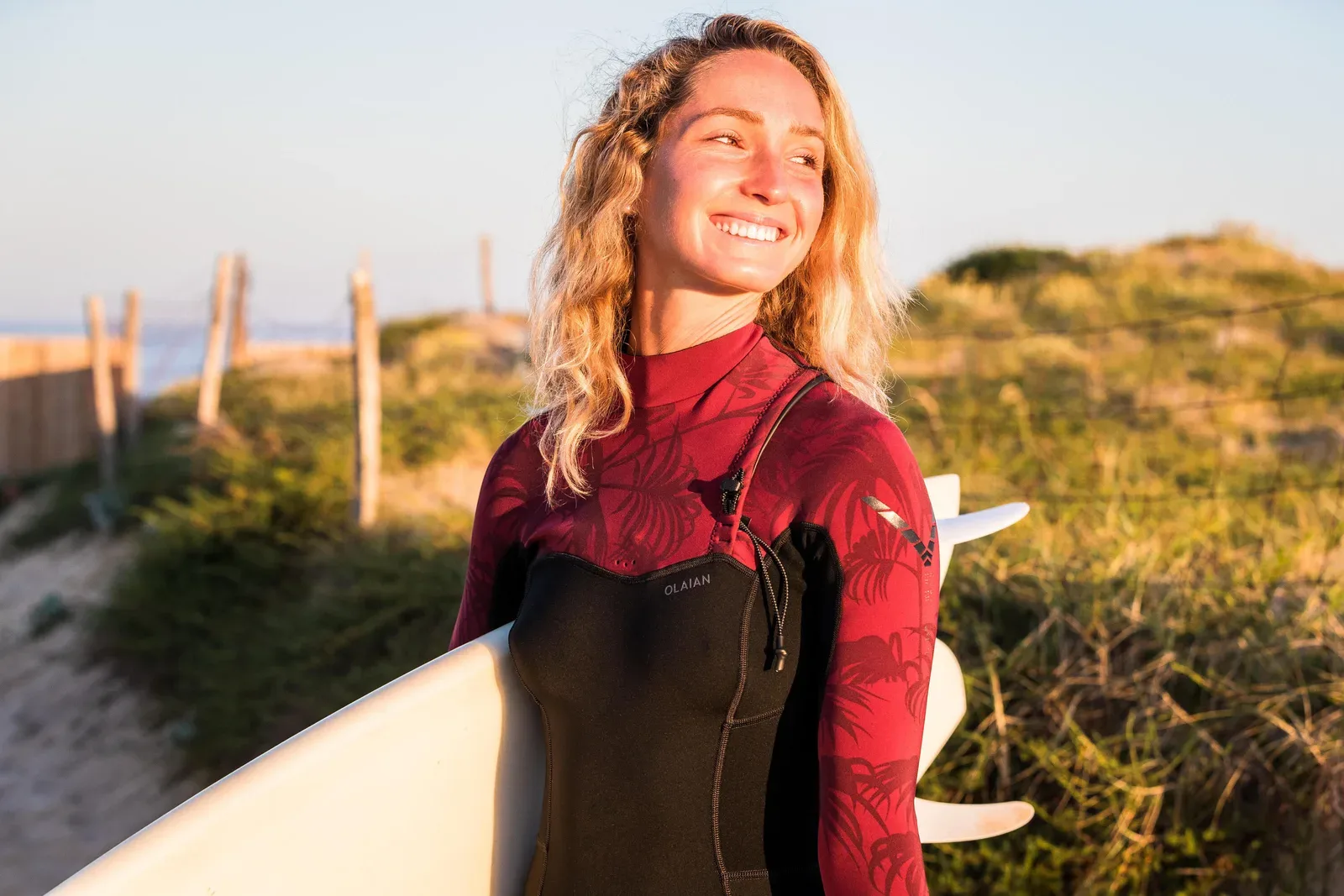
Smiling surfer in a wetsuit holding her board among the dunes