Starting out
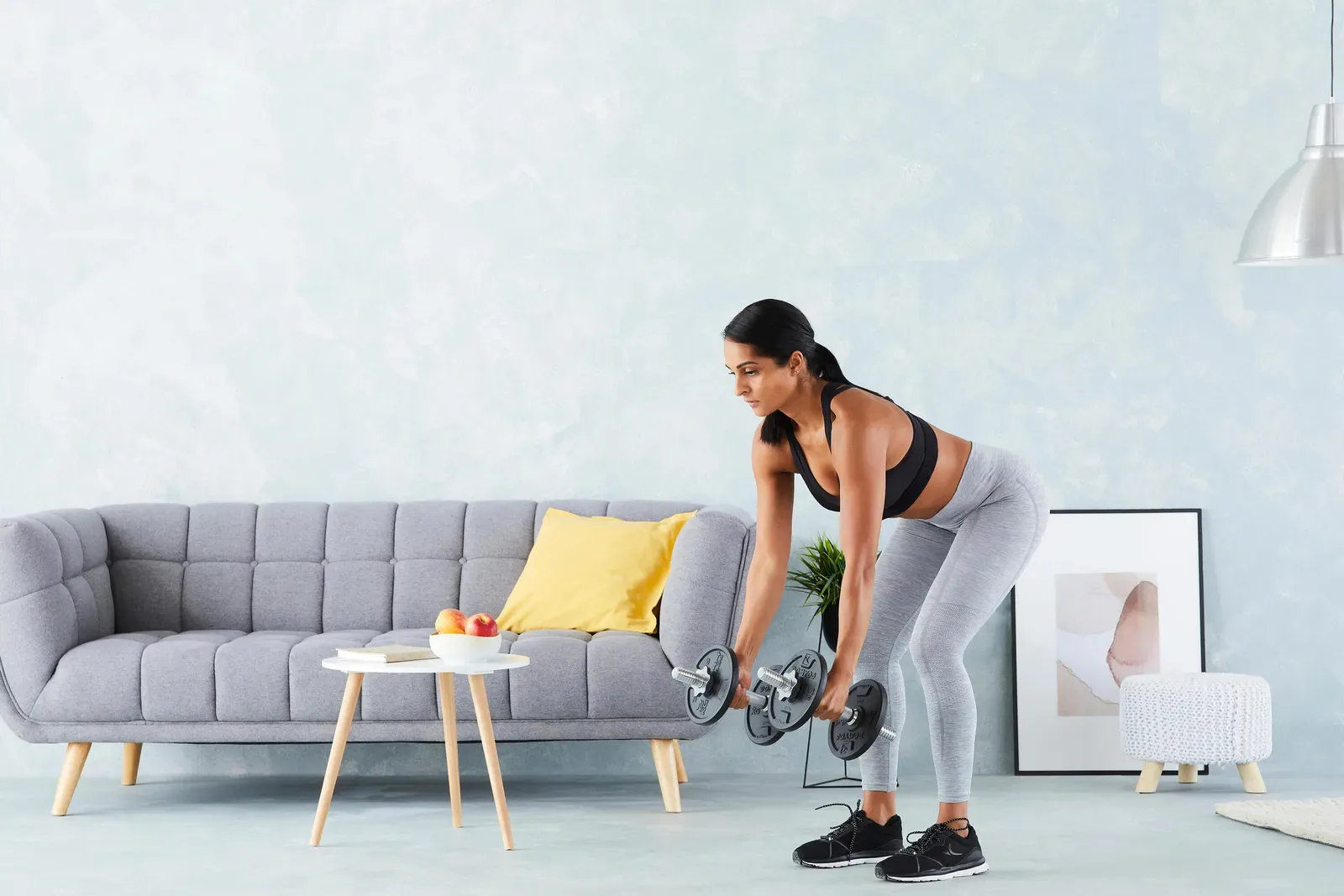
You are starting to lift and want a few pieces to learn the basics at home.
Strength training suits every body, and the right gear makes it easier to start and keep going. Here is what we suggest for lifting at home or in the gym, and how to build up steadily.
Six ranges to start with and grow into.
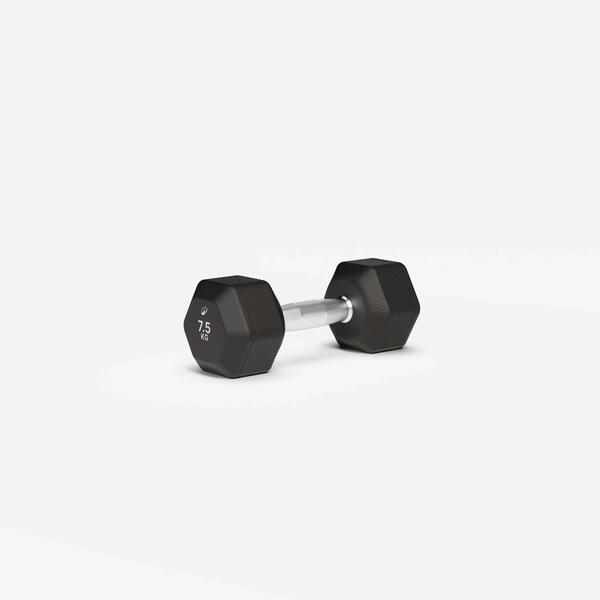
Fixed and adjustable dumbbells, sold singly, in pairs or sets.
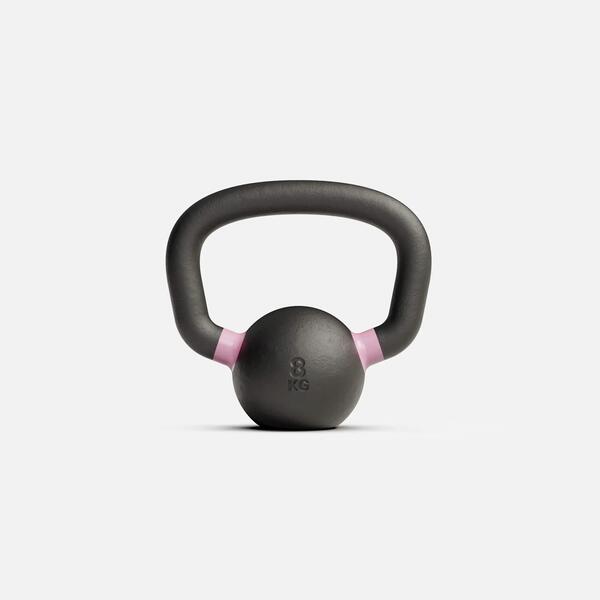
Kettlebells from light to heavy, including soft-shell options.
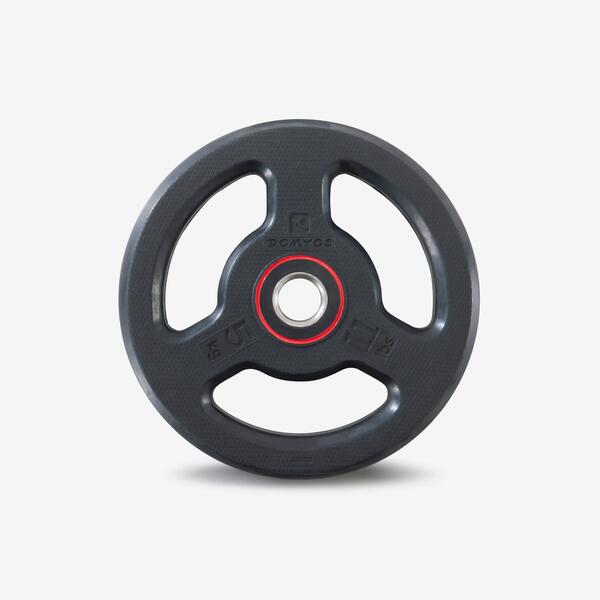
Plates and collars to load a bar as you progress.
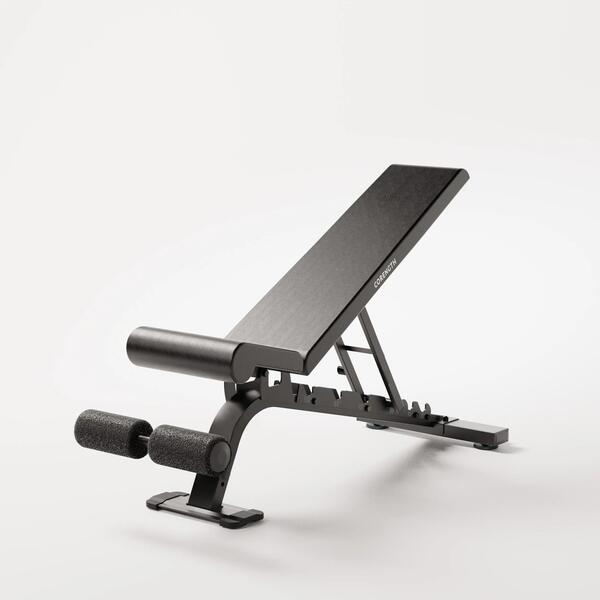
Flat and adjustable benches for presses, rows and step-ups.
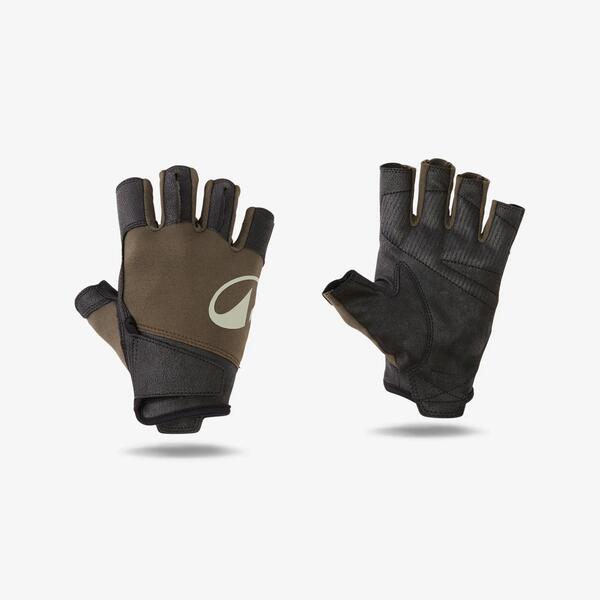
Gloves, wrist supports, straps and belts for grip and comfort.
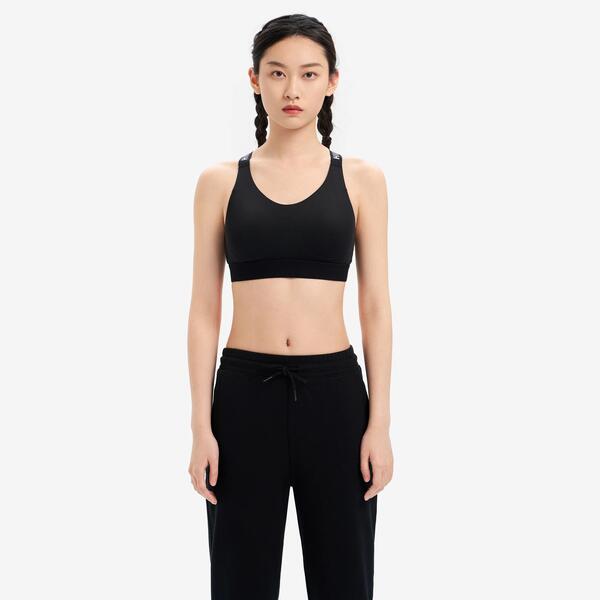
Sports bras with a range of support levels for training.
Start with a weight you can lift with good form for all your reps, then add a little when it feels manageable. Adjustable dumbbells and plates let you progress without buying another set each time. Small jumps are easier to handle than big ones.
A mirror, a phone video or a session with a coach helps you check your technique. Learn the main movements with light weight first. Strength builds steadily when the basics are solid.
Gloves add padding and can make bars and handles more comfortable. Lifting straps help when your grip tires before the muscles you are training. Neither is essential on day one, so add them when you feel the need.
Choose tops and leggings that let you squat and reach overhead without riding up. A well-fitted sports bra makes moving more comfortable. Flat, stable shoes help with lifts like squats and deadlifts.
You are starting to lift and want a few pieces to learn the basics at home.
You have a routine and want heavier options or a bench to try more lifts.
You train at the gym and want kit for extra sessions on busy days.
| Item | Why it matters | Tip |
|---|---|---|
| Dumbbells | Cover presses, rows, lunges and plenty more | Start lighter than you think and progress gradually |
| Kettlebell | Great for swings, squats and carries | Learn the hip hinge before you swing |
| Weight plates | Let you load a bar in small steps | Use collars every time you load a bar |
| Weight bench | Supports presses, rows and step-ups | Check the maximum user weight before you buy |
| Gloves or straps | Add comfort and help a tiring grip | Save straps for heavy pulls rather than every lift |
| Sports bra | Support and comfort while you move | Test the fit with a few squats and jumps |
| Resistance bands | A light, portable option for warm-ups and extra work | Pair a band with dumbbells for variety |
A pair or two of dumbbells is a flexible place to start, since they cover pushing, pulling and leg exercises. A kettlebell and a mat round out a simple home setup. Add a bench, plates or straps later as your training grows.
Choose a weight you can lift for all your planned reps with good form and a little left in reserve. Many people find they want a lighter pair for upper body work and a heavier pair for legs. Adjustable dumbbells are handy if you are not sure yet.
No, gloves are optional. Some people like the padding and grip, while others prefer to feel the bar directly. Lifting straps are a separate tool for heavy pulling exercises, useful when your grip gives out before the muscles you are working.
Australian physical activity guidelines suggest muscle-strengthening activity on at least two days each week. Leave time between sessions that work the same muscles so you can recover. If you are returning from injury, pregnant or postpartum, check with a health professional before you start.
Yes, with sensible precautions. Learn each movement with light weight, keep the floor clear and follow the setup and maximum user weight guidance for your bench or rack. If you are unsure about technique, a session with a qualified coach is well worth it.
Pick the pieces that suit how you like to train and add more as you progress. We are with you from the first rep.
Free delivery on orders over $150. Members get our lifetime warranty.