Complete beginners
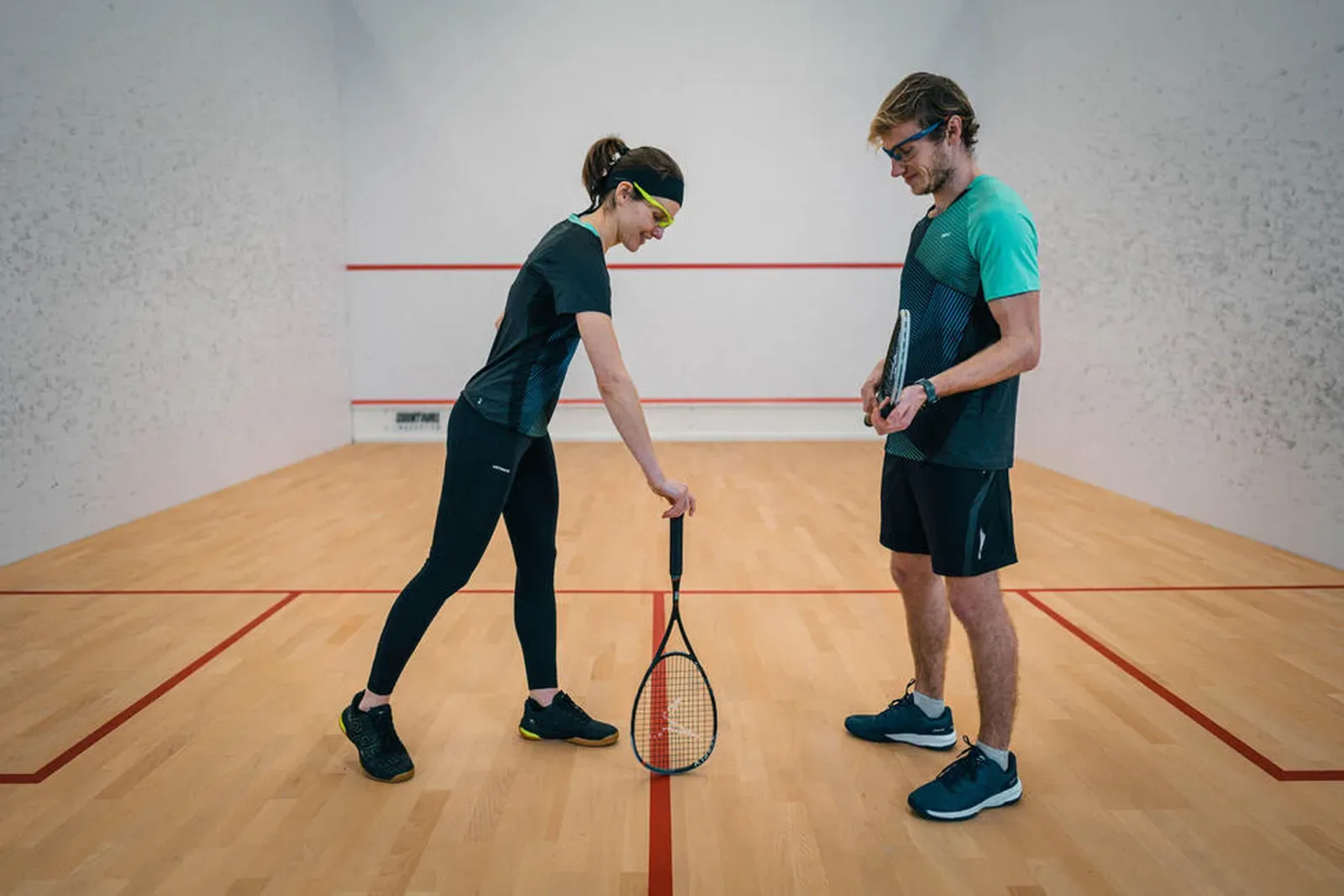
A racket, the right ball and indoor shoes are enough to book your first court.
Squash gives you a big workout in a short session, and you need surprisingly little to begin. Here is what we would pack in a beginner's bag, starting with the racket.
A small range, so we have kept to what genuinely matters.
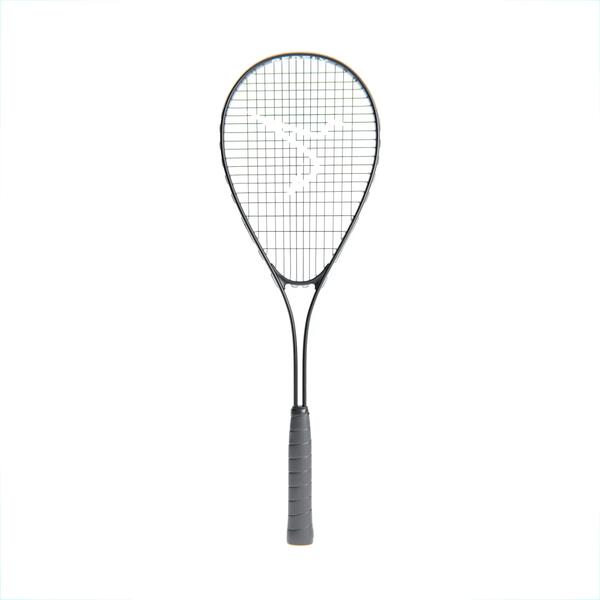
Squash rackets for beginners through to keen club players.
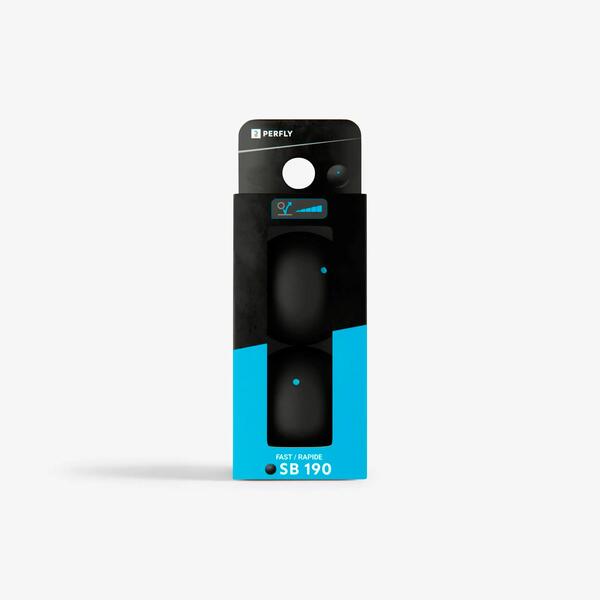
Balls from bouncy blue dot to double yellow dot.
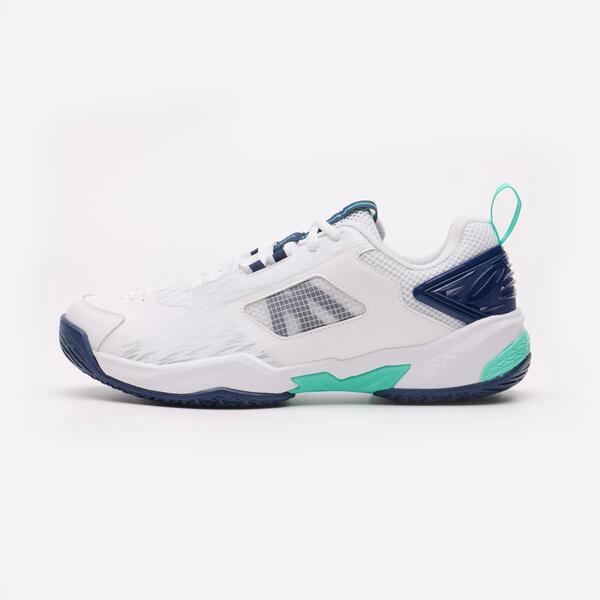
Indoor court shoes, plus a big range of sports socks.
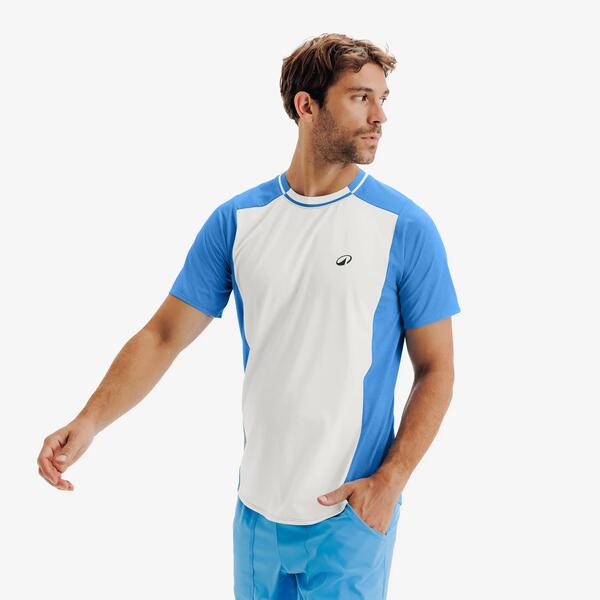
Breathable tees and polos that suit any indoor court.
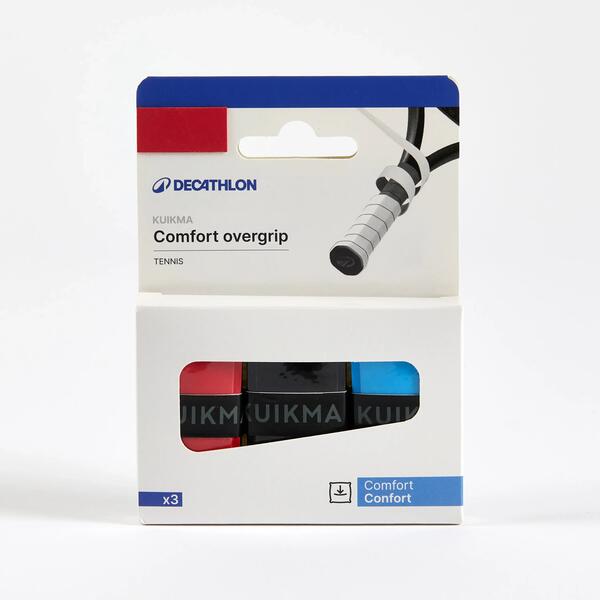
Overgrips and grips that stop your hand slipping.
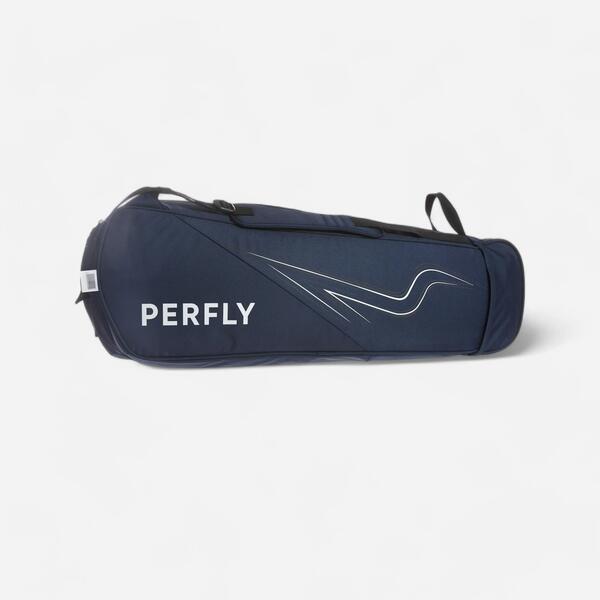
Bags and covers that protect your racket on the go.
Lighter, head-light rackets are quicker to swing and easier to manoeuvre near the walls. Heavier, head-heavy rackets add power but ask more of your wrist and shoulder.
The coloured dot shows how much a ball bounces. Beginners usually find blue or red dot balls far easier, because they stay lively long enough to reach.
Many courts ask for non-marking shoes, and indoor court soles grip polished timber better. Running shoes can slip and leave marks on the floor.
A squash ball is small enough to hit the eye directly. Many clubs recommend protective eyewear made for squash, and some require it for juniors, so check your club's rules.
A racket, the right ball and indoor shoes are enough to book your first court.
Squash adds sharp, stop-start fitness to a regular training routine.
A fresh grip and slower balls make it easier to find your touch again.
| Item | Why it matters | Tip |
|---|---|---|
| Squash racket | Your main tool on court | Start with a lighter, forgiving frame |
| Squash balls | The dot sets how much it bounces | Beginners usually start with blue or red dot |
| Indoor court shoes | Grip on timber without marking | Keep them for indoor courts only |
| Protective eyewear | Shields your eyes from fast balls | Look for eyewear designed for squash |
| Breathable top | Squash gets hot quickly indoors | Pack a spare for longer sessions |
| Overgrip | Stops the racket slipping when you sweat | Replace it when it feels smooth |
| Racket bag | Keeps your kit together and protected | Choose one with space for shoes |
A squash racket, a beginner-friendly ball and non-marking indoor court shoes are the real essentials. Add a breathable top, an overgrip and a bag once you are playing regularly. Many clubs also recommend protective eyewear, so it is worth checking before your first booking.
Start with a ball that bounces more, usually a blue or red dot. These stay lively on court, which gives you more time to reach the ball and build longer rallies. Single and double yellow dot balls bounce less and suit experienced players who hit hard enough to warm them up.
We recommend it, because a squash ball is small enough to fit into the eye socket and travels fast in a closed court. Many clubs and coaches encourage protective eyewear designed for squash, and some require it for juniors. Ordinary glasses or sunglasses are not a substitute, as they are not built for impact.
It is best not to. Running shoes are built for forward motion, often have raised heels that can roll on quick turns, and their soles may mark the court. Indoor court shoes sit lower, grip timber floors and support the sharp changes of direction squash asks for.
Squash is fast and stop-start, so spend a few minutes raising your heart rate with light movement and gentle stretches before you play. Hit the ball to warm it up too, then build intensity gradually. If you have been inactive for a while or have a health condition, check with a health professional before playing hard.
A good racket, the right ball and proper shoes will see you through your first months on court. When you want to try more, our racquet sports range is here.
Free delivery on orders over $150. Members get our lifetime warranty.