Complete beginners
A sturdy racket with a large head forgives early mishits and handles the odd brush with the wall.
Your first squash racket should be forgiving and comfortable to swing. We'll show you what weight, head size and balance mean on court, so you can pick one with confidence and enjoy your first games.
Options from our squash racquet range, plus the balls and bag to go with them.
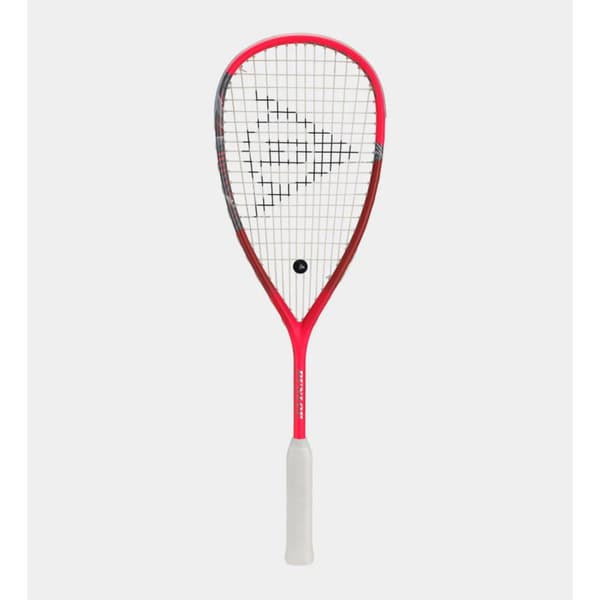
Sturdy, forgiving racquets made for getting started.
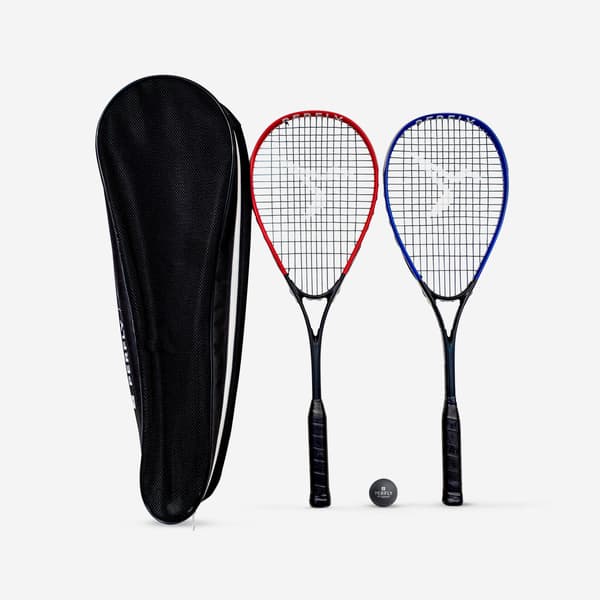
A two-racquet set with a ball and carry case.
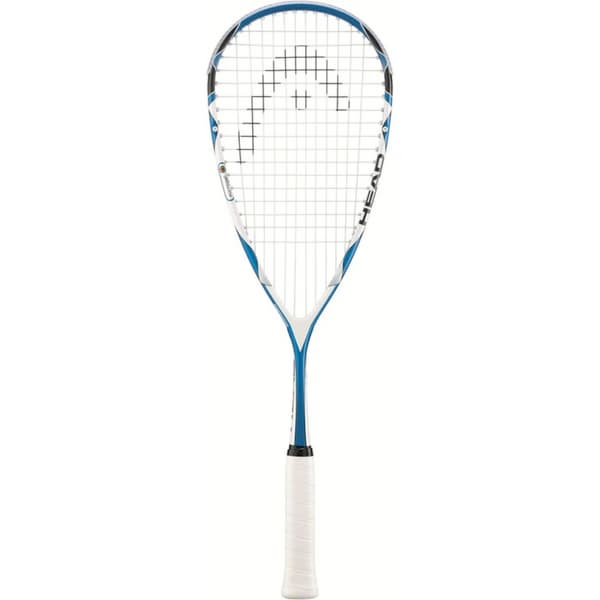
Lighter racquets that feel quick and easy to swing.
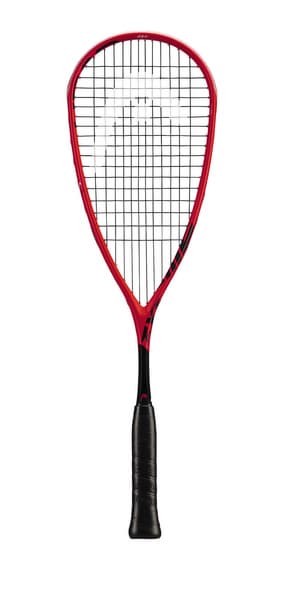
Racquets to grow into as your rallies get longer.
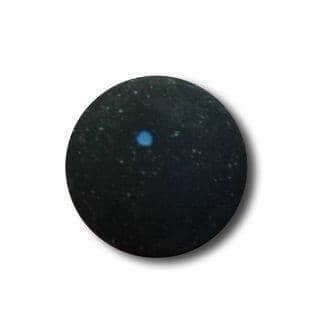
Blue and red dot balls that keep rallies going.
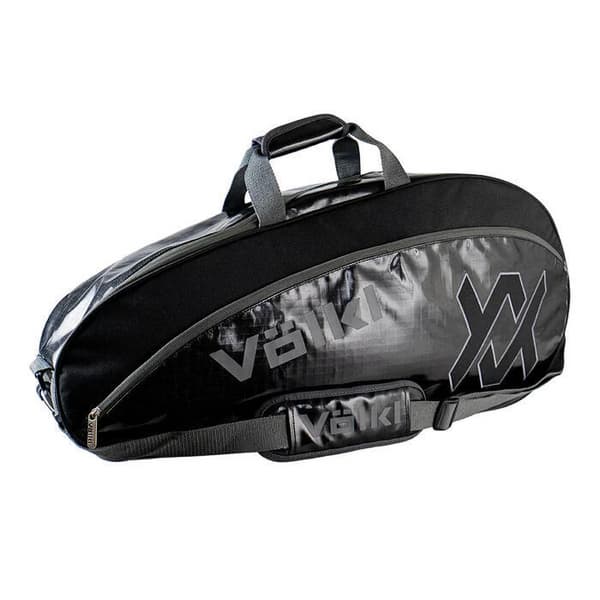
Bags with room for racquets, shoes and court kit.
Squash rackets range from very light to fairly solid. A lighter frame is quick to swing and easy on the arm, while a slightly heavier one feels more stable and adds power without much effort. Most beginners do well somewhere in the middle.
A large head gives you a bigger sweet spot, so off-centre hits still travel. Balance changes the feel: head-heavy frames add power, while neutral or head-light frames are easier to control near the front wall.
The grip should feel secure without squeezing hard, and a fresh grip or overgrip fixes a slippery handle. Most first rackets come strung and ready to play, so you can head straight to the court.
Stay with your first racket while you learn the basics. Once you play every week and want more control or a particular feel, that's a good time to try something new.
A sturdy racket with a large head forgives early mishits and handles the odd brush with the wall.
A two-racket set gets you both on court together with a ball and a case to carry it all.
Once your swing is grooved, a lighter or more precise racket helps you place the ball with more control.
| Option | Best for | Look for |
|---|---|---|
| Forgiving first racket | Complete beginners | Large head and a durable frame |
| Two-racket set | Learning with a partner | Two rackets, a ball and a case |
| Lighter racket | Quick handling | A low weight that feels easy to swing |
| Step-up racket | Regular club players | A balance that suits your style |
| Blue or red dot ball | First sessions | Extra bounce for longer rallies |
| Racquet bag | Getting to the court | Room for a racket, shoes and a towel |
Most beginners are comfortable with a racket in the middle of the weight range. Very light rackets are quick but give less help with power, while heavier ones feel stable but can wear your arm out in a long session. If you can, hold a few in store and choose the one that feels easy to swing without feeling flimsy.
A head-heavy racket puts more weight behind the ball, which helps if you're still building your swing. A neutral or head-light racket is easier to manoeuvre for volleys and quick shots near the front wall. Beginners often enjoy a little extra head weight, then move towards a more neutral feel as their technique improves.
Yes, usually. A larger head has a bigger sweet spot, so shots hit slightly off-centre still go where you want. That makes rallies easier to keep going while you learn, and it's why many first rackets have a generous head.
Older children and teenagers often manage a lighter adult racket well, especially once they're tall enough to swing it freely. Younger children usually find a shorter junior racket easier to control. Pair either with a bouncier ball, such as an orange junior ball or a blue dot, so they get more time to reach it.
Restring when a string breaks or the strings feel dead and the ball stops responding. Replace the racket if the frame cracks, since a damaged frame can fail during play. Many players stay with their first racket for a long time and only upgrade once they play regularly and know the feel they want.
Pick a racket that feels good in your hand and get on court. Balls, bags and more are waiting across our racquet sports range.
Free delivery on orders over $150. Members get our lifetime warranty.