Beginners and social players
Blue or red dot balls give you time to get to the ball and keep rallies going.
The dot on a squash ball tells you how much it bounces, and the right one makes rallies easier to keep going. We'll walk you through the dots, who each ball suits and how to get the best from it.
Options from our squash ball range, plus the racquet to go with them.
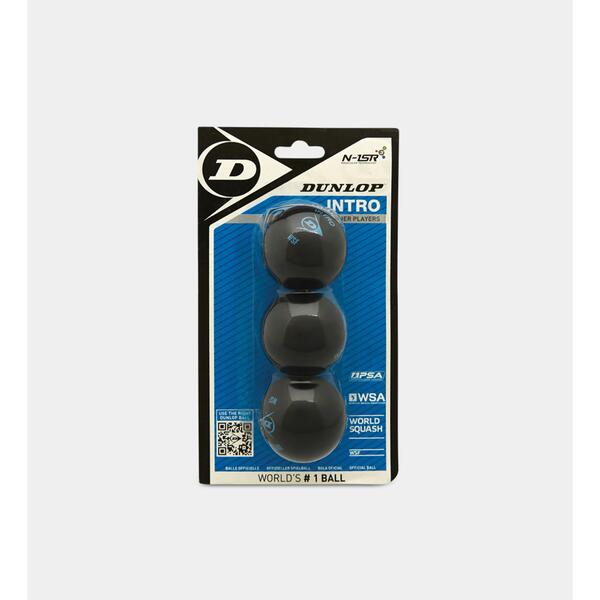
Blue dot balls with extra bounce for longer rallies.
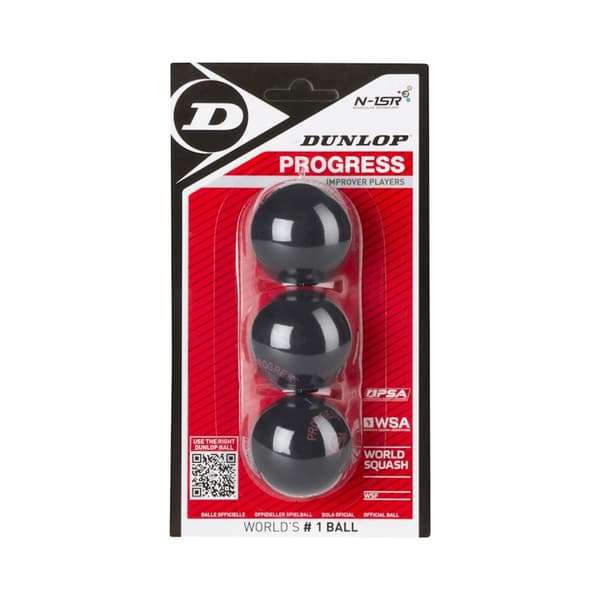
Red dot balls with a medium bounce as you improve.
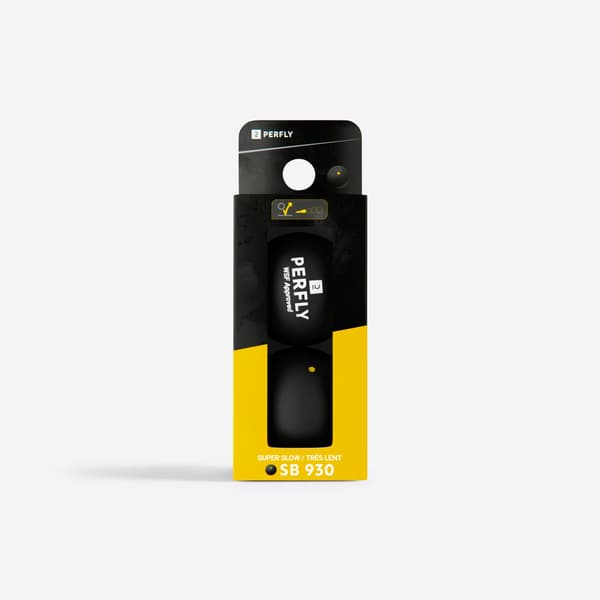
Single yellow dot balls for slower, lower-bounce training.
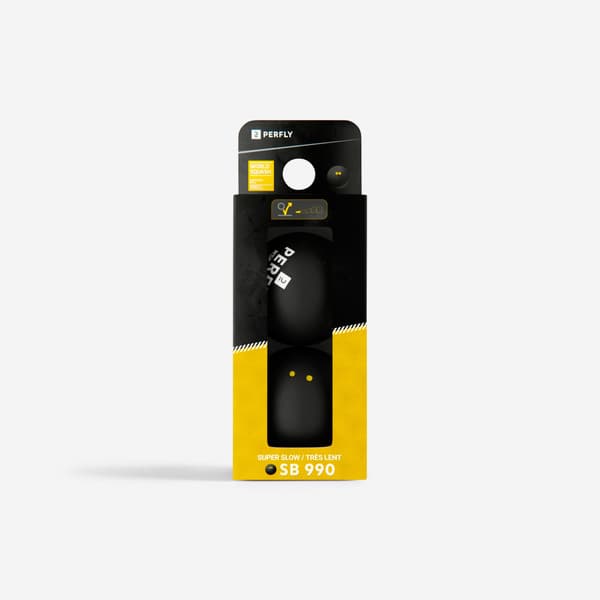
Double yellow dot balls, the standard for competition.
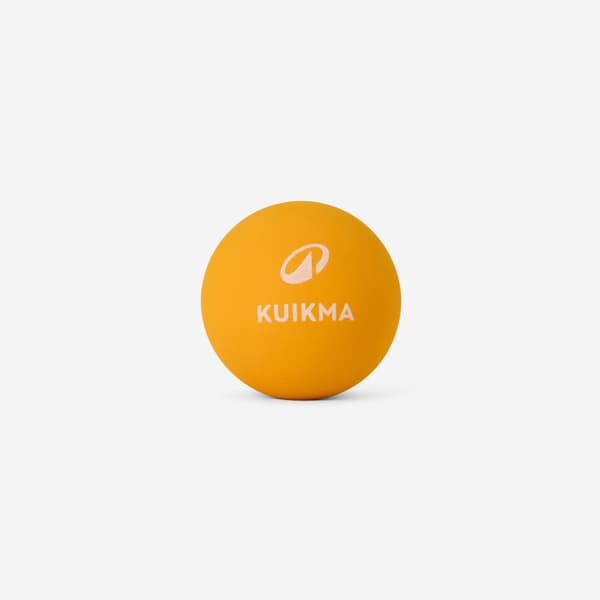
Larger, bouncier balls to help young players start.
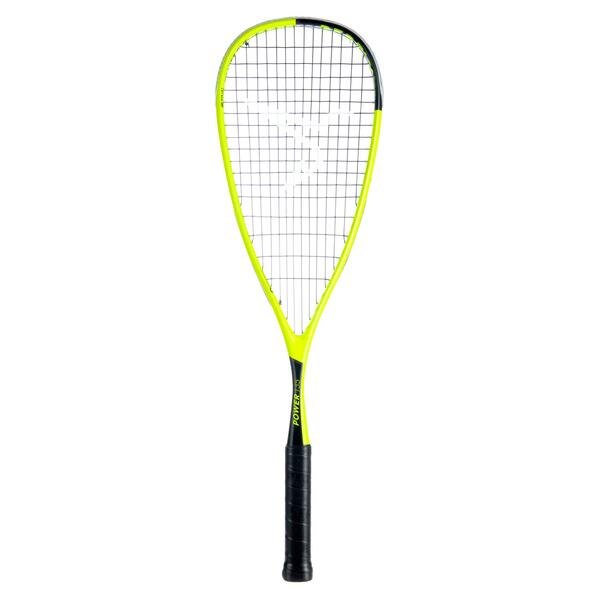
Racquets for first sessions through to regular club play.
The dot shows how much the ball bounces. Blue bounces most, then red, single yellow and double yellow, which bounces least. Start bouncier and step down as your rallies get longer.
Squash balls get bouncier as they warm up, and a cold court keeps them slow. On chilly days, a bouncier ball can make play more enjoyable.
Children do best with a larger, bouncier ball that gives them more time to reach it. Our orange initiation ball is made for ages 6 to 10.
A ball that splits, or still feels flat after a good warm-up, is ready to retire. Keep a spare in your bag so a broken ball doesn't end your session.
Blue or red dot balls give you time to get to the ball and keep rallies going.
Single and double yellow dot balls reward good technique and fitness with longer, tougher rallies.
A larger orange junior ball helps young players hit more and enjoy their first games.
| Ball | Bounce | Best for |
|---|---|---|
| Blue dot | Highest | Beginners and casual hits |
| Red dot | Medium | Improving players |
| Single yellow dot | Low | Club training |
| Double yellow dot | Lowest | Competition and advanced play |
| Orange junior ball | High, larger ball | Children aged 6 to 10 |
The dots show how much a ball bounces and how fast it plays. Blue bounces most, red is a step down, a single yellow dot is slower again and a double yellow dot is the slowest, used in competition. The less a ball bounces, the more skill and fitness it takes to keep a rally going.
Start with a blue or red dot ball. The extra bounce gives you more time to reach the ball, which keeps rallies going and makes learning more fun. Once you're hitting consistently and getting to the back corners, try a single yellow dot.
Squash balls are made of rubber that gets bouncier as it heats up. A cold ball can feel almost dead, especially a double yellow dot. Hit it firmly with your partner for a few minutes until it bounces properly, and keep it moving between games so it stays warm.
They can, but a slow adult ball makes it hard for young players to keep a rally going. A larger, bouncier junior ball, like our orange initiation ball for ages 6 to 10, gives them more time on the ball. As they grow and improve, they can move up to blue, then red.
It depends on how often and how hard you play. A ball is ready to replace when it cracks or splits, or when it no longer bounces well even after a proper warm-up. Regular players often keep a couple of balls on hand so a session isn't cut short.
Pick the dot that matches your game and enjoy longer rallies. Racquets, bags and more are in our squash range.
Free delivery on orders over $150. Members get our lifetime warranty.