Bright conditions shouldn't distract you from the activity ahead. Sports sunglasses combine protective lenses with lightweight, secure designs that suit movement across running, cycling, hiking and other outdoor pursuits. On steady training sessions and bigger days out alike, the right pair helps you see comfortably, stay focused and keep moving when the sun is out.
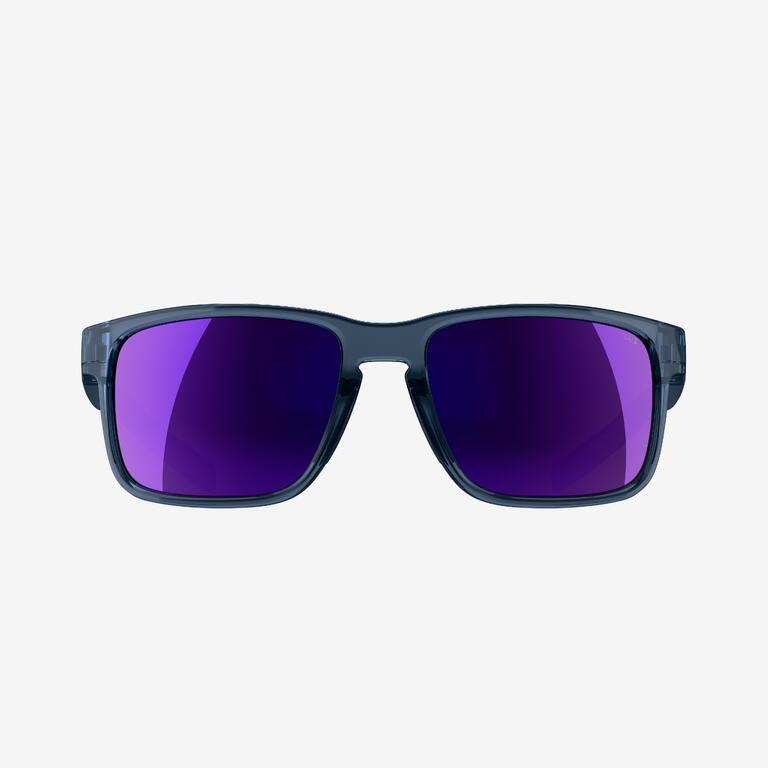
Choose a lens tint that suits the conditions in which you usually train, compete or explore. Darker tints can make bright, sunny conditions more comfortable, while lighter options may be better suited to lower or changing light. Consider your sport, environment and usual time outdoors, as choosing the right tint can help maintain comfortable, clear vision as conditions change throughout your activity.
Fit and Stability
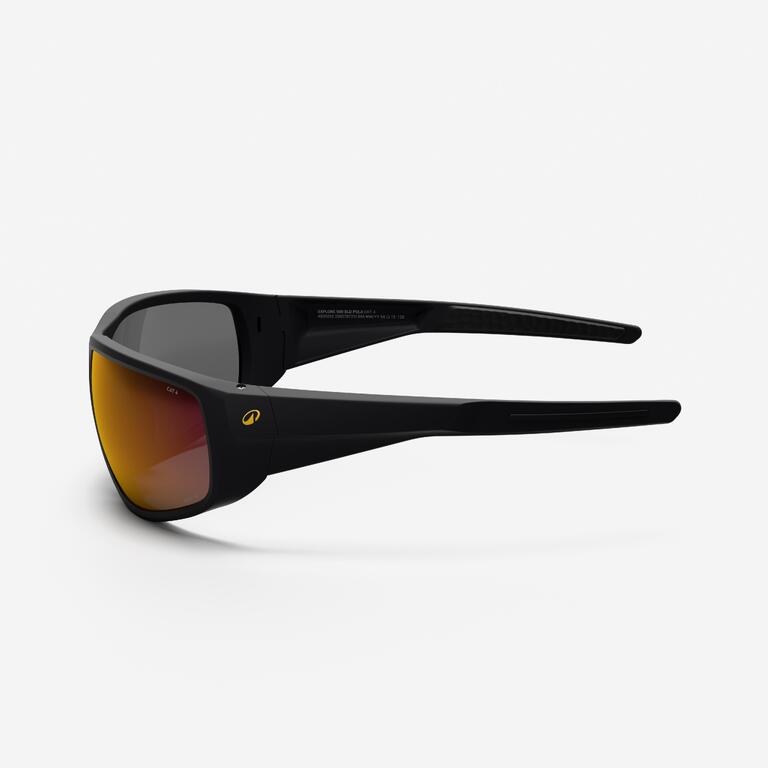
Sports sunglasses should stay securely in place as your pace, direction and terrain change. Look for a close, stable fit that limits bouncing or slipping during running, cycling and other active pursuits, without creating uncomfortable pressure points. Features such as grippy nose pads and temple tips can provide extra hold, helping your sunglasses stay positioned when movement and intensity increase.
Weight and Ventilation
Lightweight sunglasses can reduce pressure and feel more comfortable during longer training sessions or days outdoors. For higher-intensity activities, also consider how well air can circulate around the lenses. Good ventilation can help limit fogging as heat and perspiration build up, keeping your vision clearer while you move.
Coverage and Field of Vision
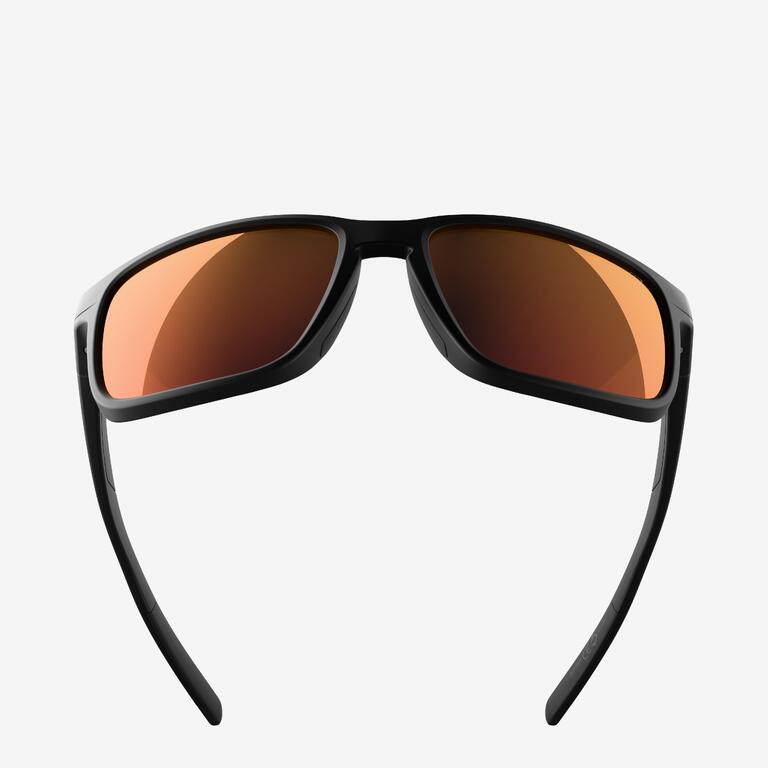
Consider how much protection the lenses provide without restricting what you can see around you. Larger or wraparound designs can offer broader coverage from sunlight, wind and airborne debris while maintaining a wide field of vision. This can be particularly useful for faster-paced activities such as cycling and running.
Runners and cyclists. Faster movement makes stability and clear vision particularly important. Lightweight, secure sports sunglasses with good coverage can help protect against bright light, wind and airborne debris without slipping as you move.
Outdoor athletes spending long sessions outside. Longer runs, rides and training sessions call for sunglasses that stay comfortable as the hours add up. Lightweight frames and good coverage help make extended time outdoors easier on your eyes.
Active people moving through changing conditions. Trail runs, hikes and longer rides can take you between exposed sunlight, shade and different terrain. Lenses suited to changing light can help maintain comfortable vision along the way.
Keeping Your Sports Sunglasses in Top Condition
Sweat, sunscreen and dust can build up quickly on sports sunglasses, so rinse the lenses and frames with clean water after active sessions and wipe them gently with a microfibre cloth. Pay extra attention to nose pads, temple grips and ventilation areas where residue can collect over time. Let the sunglasses dry fully before storing them in a protective case, and avoid leaving them in excessive heat that could affect the frames or lens coatings.
Sports sunglasses by type
Type
Best for
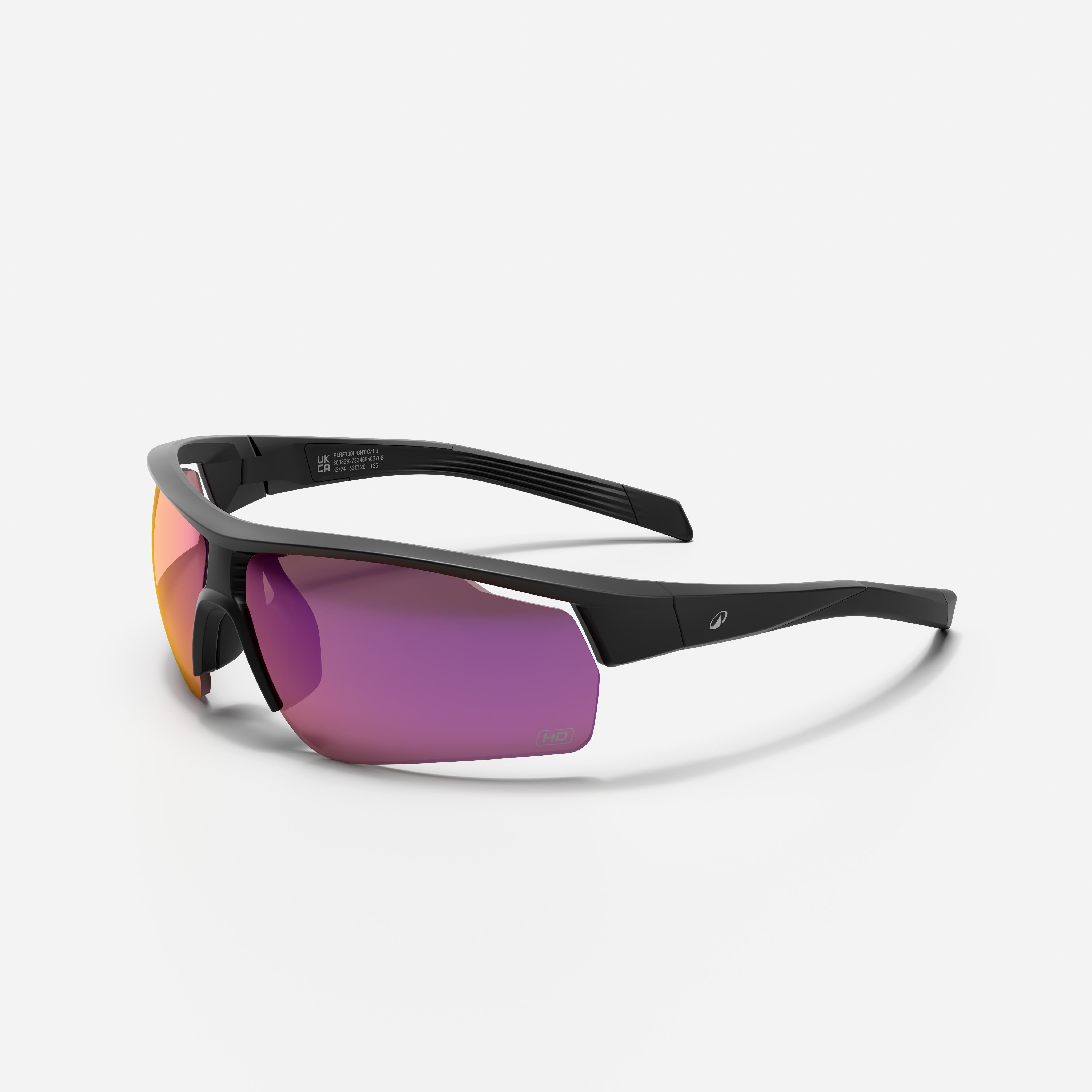
Running sunglasses
Running, training and other high-movement activities where a secure, lightweight fit matters
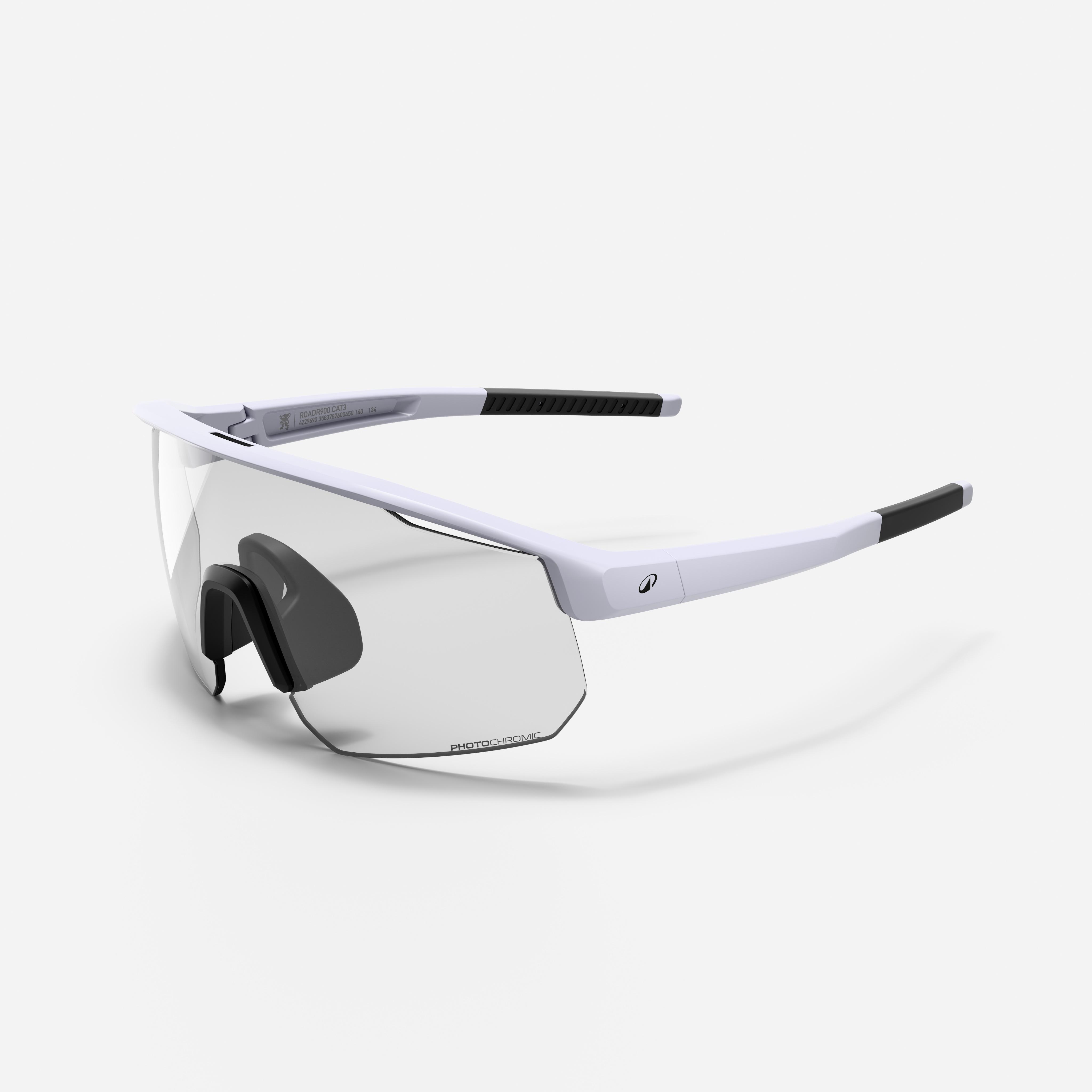
Road and trail cycling, wider coverage and a clear field of vision at speed
Cycling sunglasses
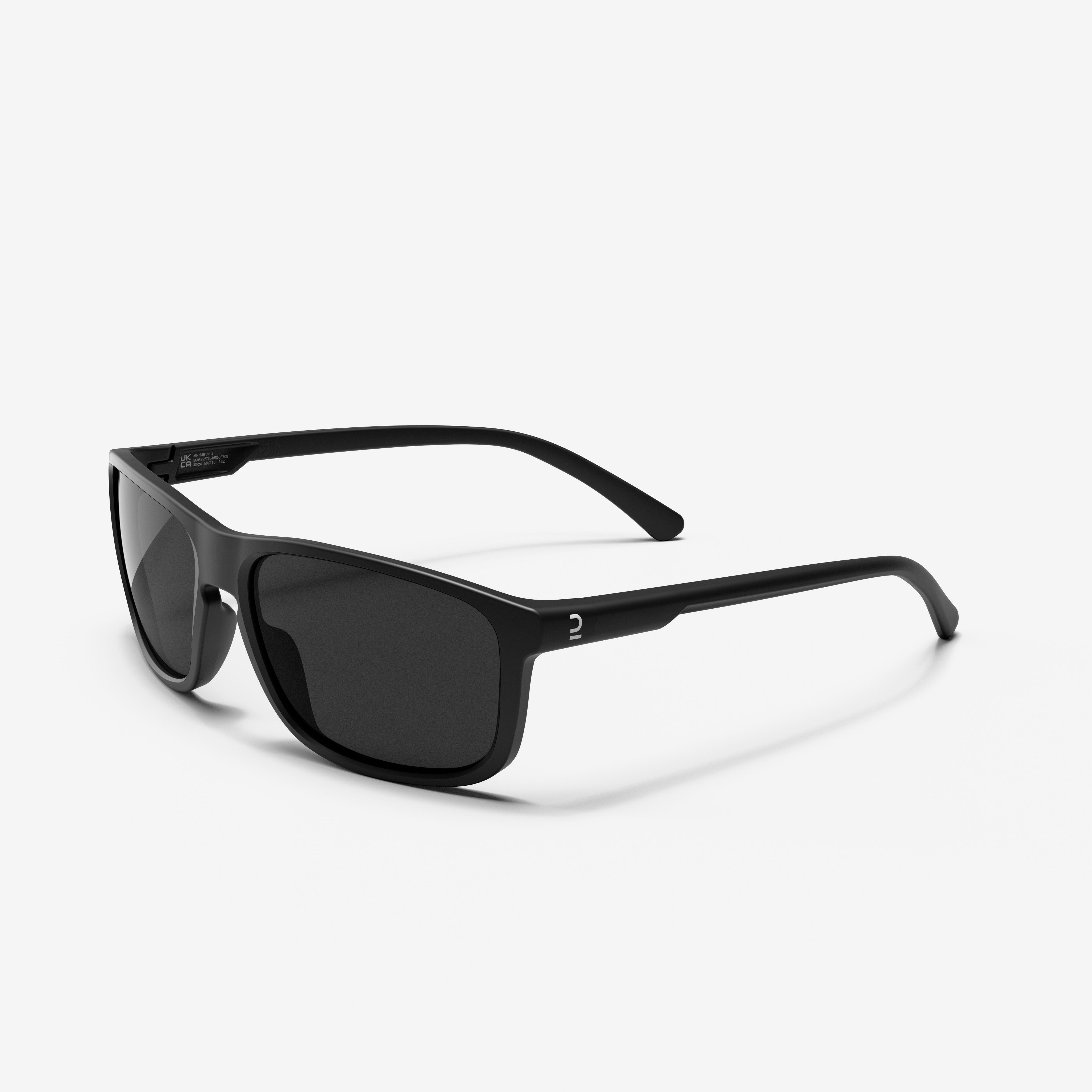
Walking, hiking and longer outdoor trips across varied terrain
Hiking sunglasses
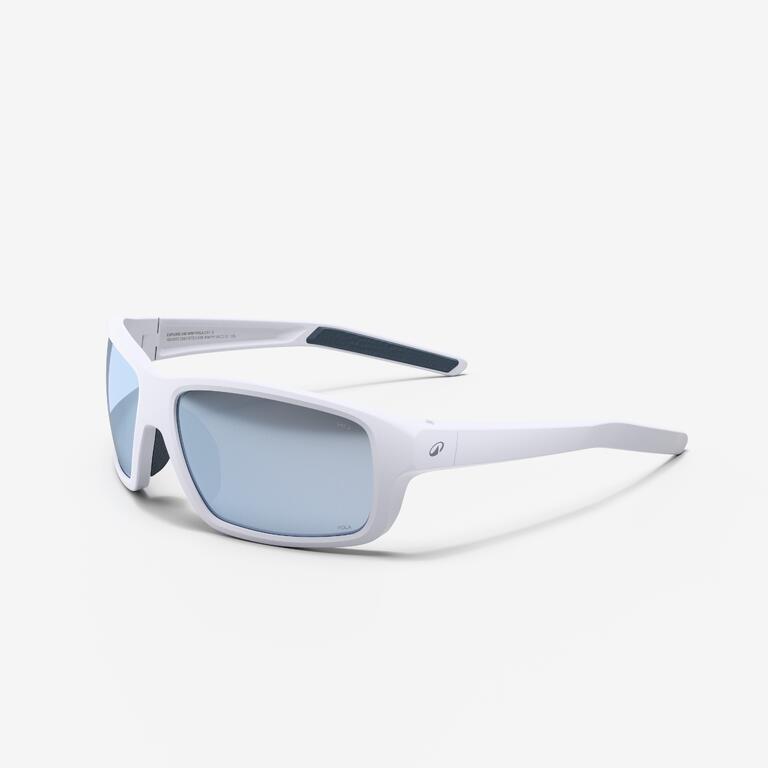
Water sports and bright, reflective environments where reducing glare is a priority
What is the difference between regular and sports sunglasses?
Sports sunglasses are made with active movement in mind, often combining lightweight frames, secure contact points and broader coverage. These features can make them more comfortable and stable than everyday sunglasses during running, cycling and other sports.
Can I use the same sports sunglasses for running, cycling and hiking?
Often, yes, particularly if the fit, coverage and lenses suit each activity. However, more specialised designs may prioritise features such as wider cycling coverage, extra stability for running or all-day comfort for hiking.
Are photochromic lenses useful for sports?
Do I need polarised sports sunglasses?
Can I wear sports sunglasses for everyday activities?
Photochromic lenses adjust as light conditions change, becoming darker or lighter depending on the environment. They can be particularly useful for cycling, hiking and other outdoor activities where you regularly move between sunlight and shade.
Polarised lenses help reduce reflected glare from surfaces such as water and wet roads. They can be useful for water sports and activities in reflective environments, but they are not essential for every sport.
Yes. Many sports sunglasses work well beyond training, particularly lightweight styles with comfortable frames and versatile lenses. More technical designs may be better suited to sport, so consider where you plan to wear them most.
Keep Moving with a Clear View
When your sunglasses stay secure and your vision feels comfortable, you can give more attention to the activity in front of you. Running, cycling, hiking or heading out on the water each ask something different of the fit, coverage and lens performance. Gear up and keep your focus where it belongs.
 All SportsMenWomenKidsAccessoriesEquipment and LeisureHealth & NutritionBest DealsNew ArrivalsMarketplace

 Hiking & Trekking
 Swimming
 Cycling
 Fitness (Yoga/Pilates)
 Camping
 Running
