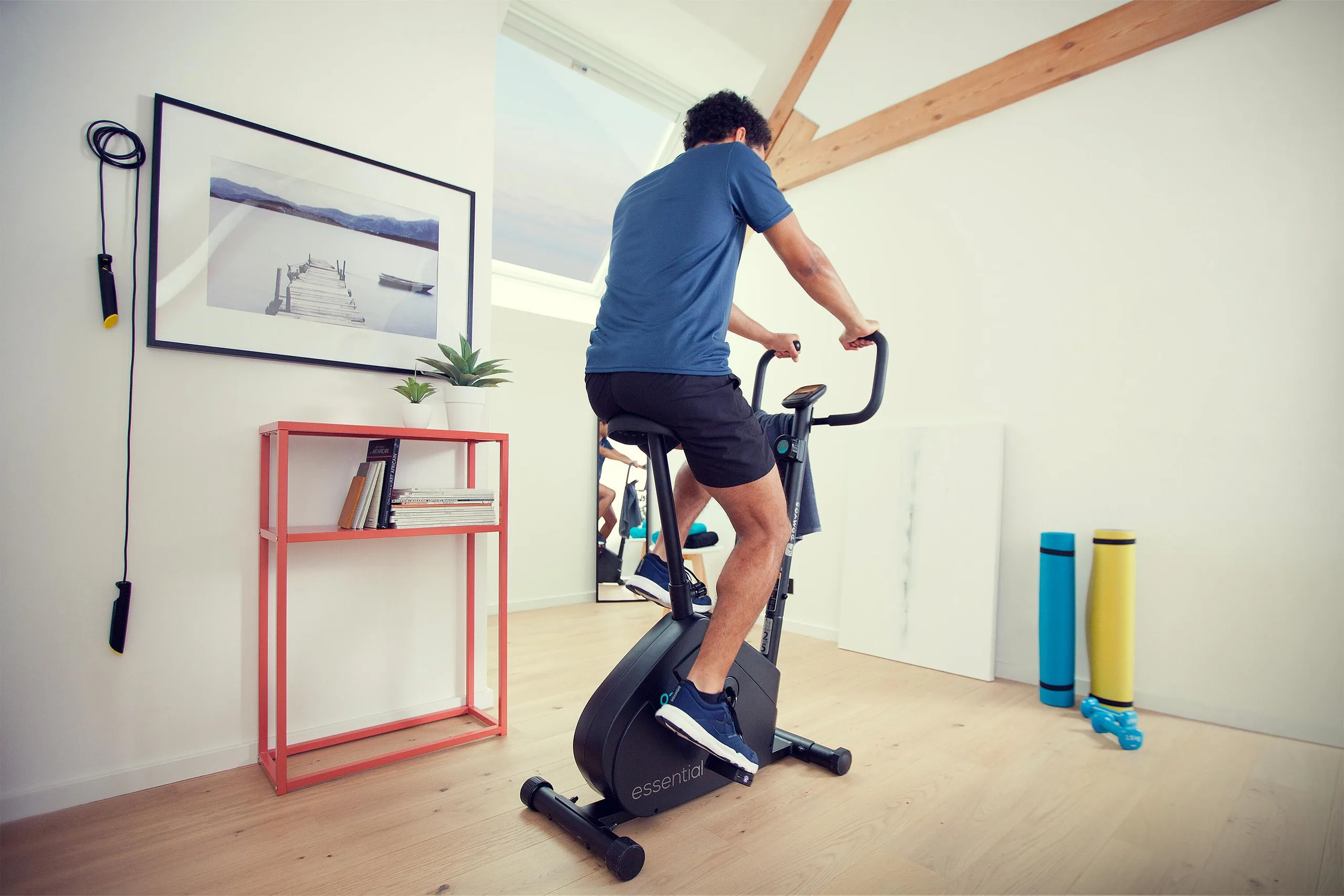
Skipping the fit check
A bike that can't adjust to your height leads to sore knees and a short-lived habit. Check the saddle and handlebar adjustment ranges before you buy.
A good spin bike gives you studio-style rides whenever it suits you, rain or shine. Here is what really matters, the mistakes worth avoiding, and the parts of our range that fit different homes and riders.
Start with how and where you ride, then pick the setup to match.
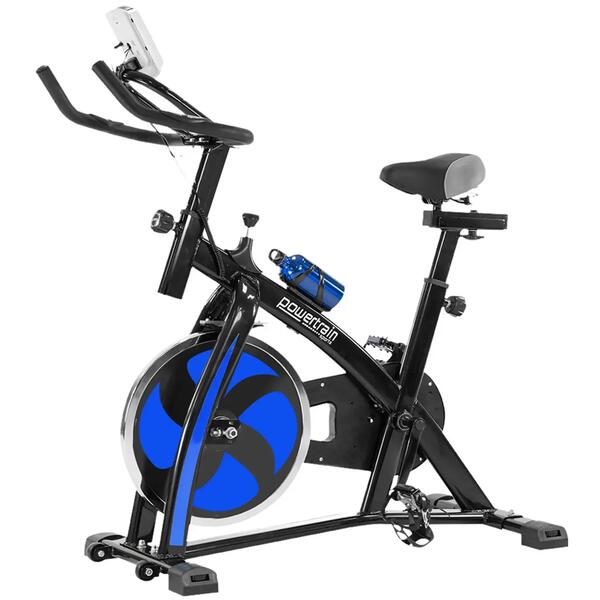
Home gym options for steady everyday indoor rides.
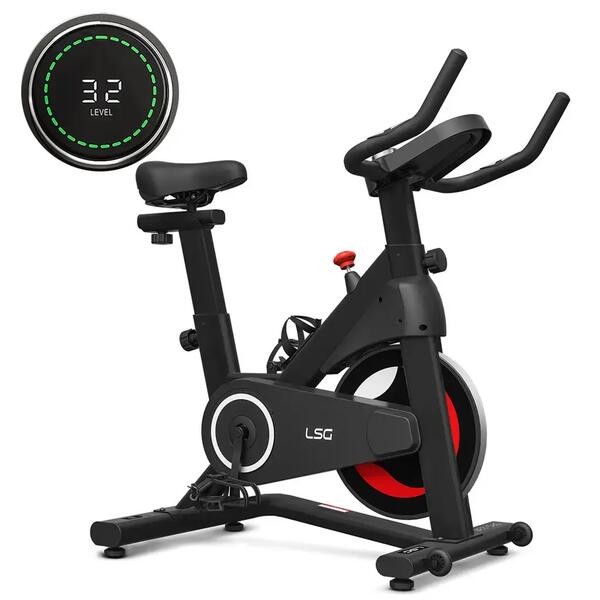
Magnetic options for quieter rides in shared spaces.
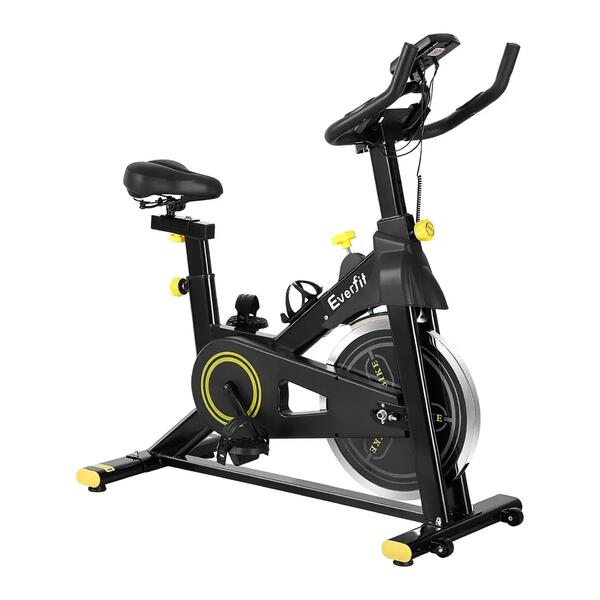
Bluetooth options that pair with your training apps.
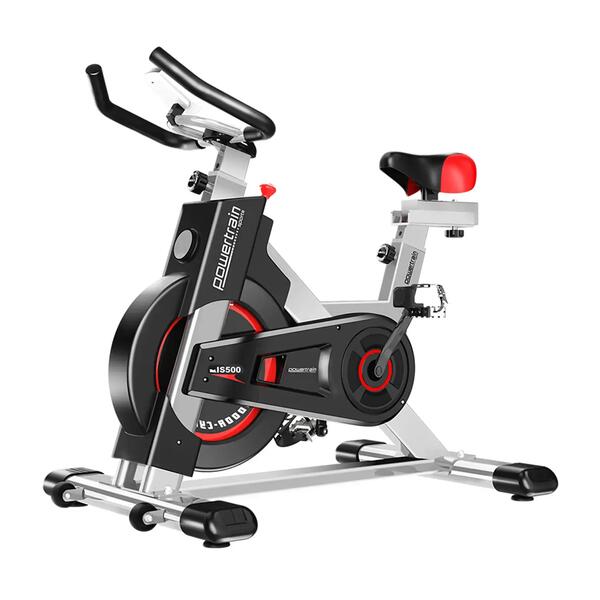
Heavy duty options with sturdy frames for harder efforts.
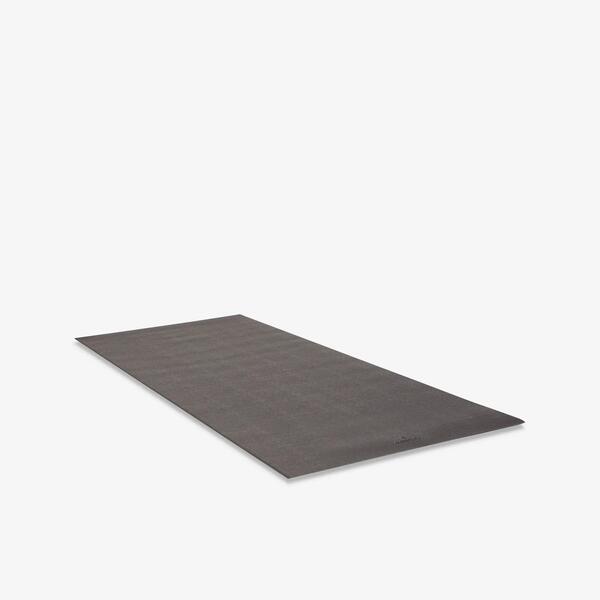
Equipment mats and rubber tiles to protect your floors.
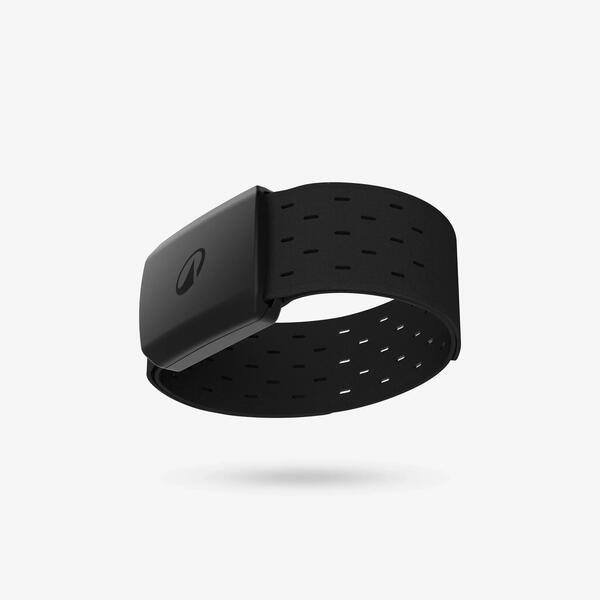
Heart rate straps and watches to pace each ride.
Most spin bikes use either a felt or friction pad pressing on the flywheel, or magnets that never touch it. Magnetic resistance tends to run quieter and needs less upkeep, while friction pads give a firm, familiar studio feel. Both work well, so choose based on noise and maintenance.
The flywheel keeps your pedal stroke flowing, so it should feel even rather than jerky. A heavier flywheel often feels smoother, but build quality and the drive matter too. If you can, read product details and reviews on ride feel rather than relying on the number alone.
Look for a saddle and handlebar that move up and down, and ideally forwards and back. That lets you set a comfortable reach and a slight bend in the knee at the bottom of each stroke. It also makes the bike easy to share with others in your home.
Check the listed maximum user weight and give yourself some headroom above it. A wide, solid base and adjustable feet keep the bike steady when you stand up and push. This matters more than extras when you ride hard.
A bike that can't adjust to your height leads to sore knees and a short-lived habit. Check the saddle and handlebar adjustment ranges before you buy.
Spin bikes are heavy and can transmit vibration, especially upstairs. A floor protection mat and a quieter resistance type make apartment riding far easier.
Screens and apps are great if they keep you riding, but they don't make the pedalling better. Put fit, stability and ride feel first, then add extras.
| Bike type | Best for | How it feels |
|---|---|---|
| Spin bike | Interval sessions, class-style rides and standing climbs | Sporty, forward riding position like a road bike |
| Upright exercise bike | Steady cardio and easy everyday sessions | More upright and relaxed, usually with a console |
| Recumbent bike | Riders who want back support or a gentler start | Seated low with a backrest, easy on balance |
| Air bike | Short, intense full body efforts | Fan resistance that rises the harder you push, with moving arms |
Yes, with a little planning. Magnetic resistance is usually the quietest choice because nothing rubs on the flywheel. Put the bike on a floor protection mat to soak up vibration and protect your floor, and level the feet so it doesn't rock. Standing sprints create the most movement, so save those for reasonable hours if you share walls or ceilings.
Measure the bike's listed footprint, then allow extra room around it to get on and off safely and to reach the adjustments. Leave headroom above you for standing climbs, especially under low ceilings or sloped roofs. Many spin bikes have front transport wheels, which makes it easy to roll the bike against a wall between sessions.
It depends on how you like to train. A spin bike puts you in a sportier, forward position and suits intervals, class-style workouts and riding out of the saddle. An upright exercise bike is more relaxed and usually comes with a console and programs, which suits steady cardio. If you want something gentler on your back, a recumbent bike is worth a look too.
Spin bikes suit people who enjoy energetic, structured workouts, cyclists who want to keep riding when the weather turns, and anyone who misses studio classes. They also work well for beginners, because you control the resistance and can start gently. If you have joint, heart or other health concerns, check with your doctor or physio before starting a fitness routine.
Wipe it down after each ride, because sweat is the main enemy of the frame and fittings. Every few weeks, check that bolts, pedals and the saddle clamp are tight, and listen for clicks or squeaks that hint something needs attention. Friction pad models need the pad checked and eventually replaced, while magnetic models need less. Always follow the maintenance steps in your bike's manual.
Pair your bike with the right accessories, or browse our wider cardio range to mix up your sessions.
Free delivery on orders over $150. Members get our lifetime warranty.