New spearos
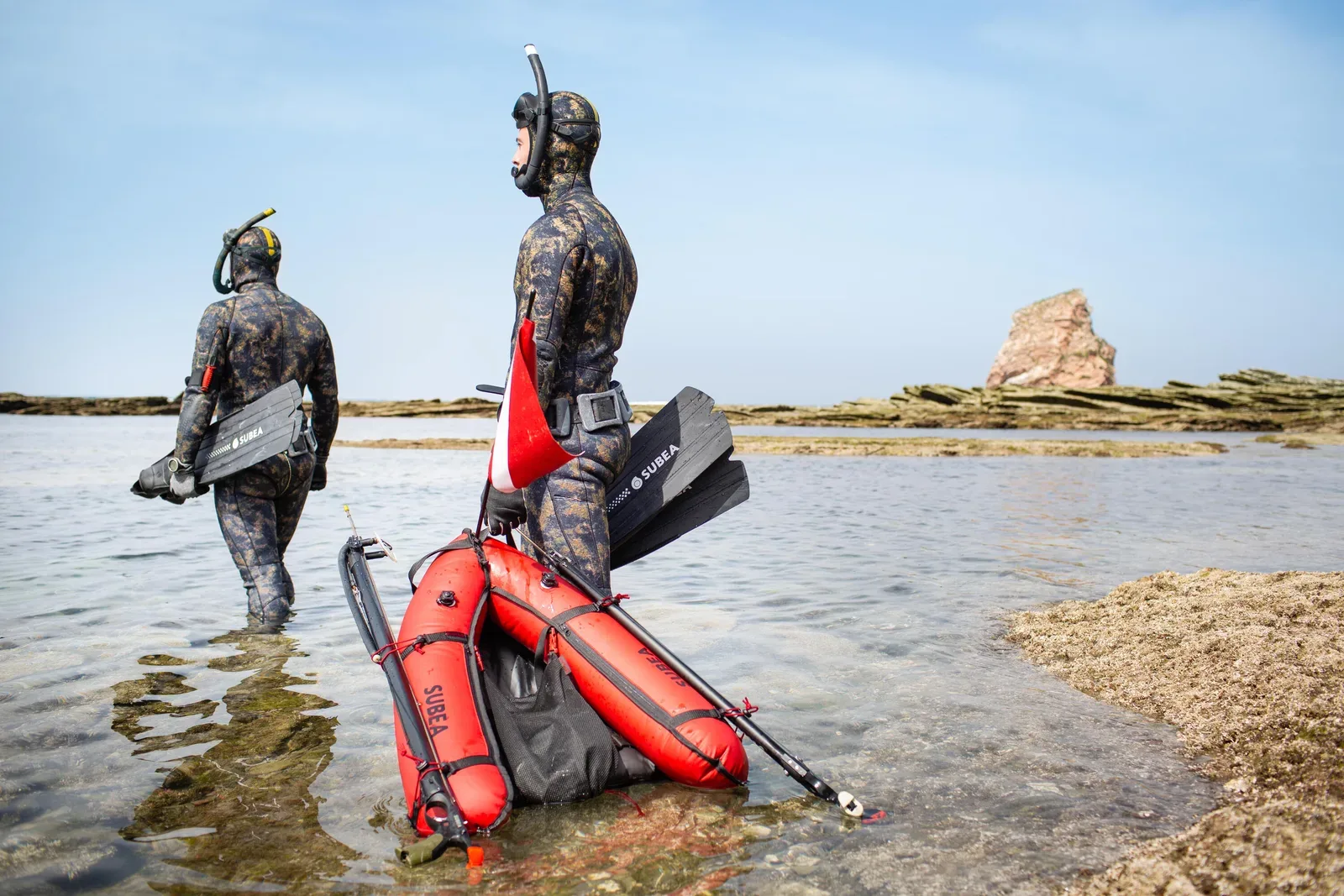
A pole spear, a well-fitting mask and a buddy are a sensible start on shallow, calm reefs.
Good spearfishing gear helps you dive comfortably, hunt selectively and come home safely. Here's how to choose a speargun or pole spear, a mask and the extras, and what to sort out first.
Options from our spearfishing ranges, from the gun to the gear around it.
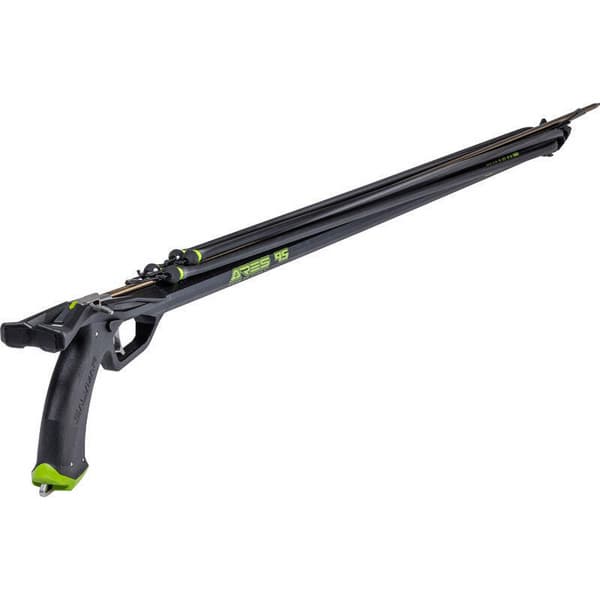
Railgun spearguns from specialist spearfishing brands.
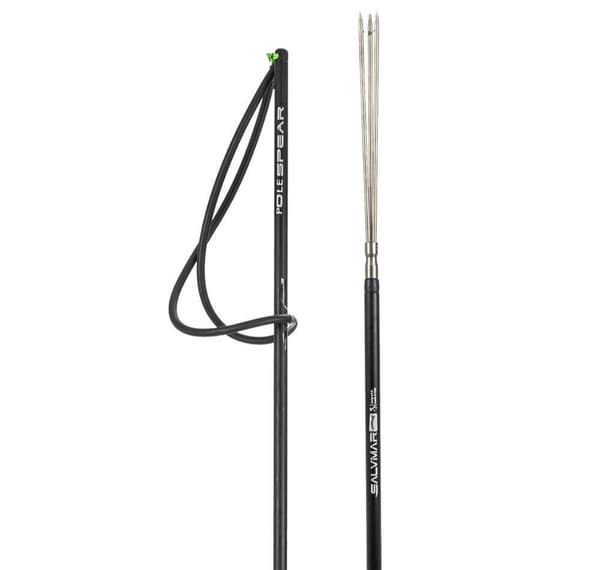
Two-piece pole spears, a simple way to start.
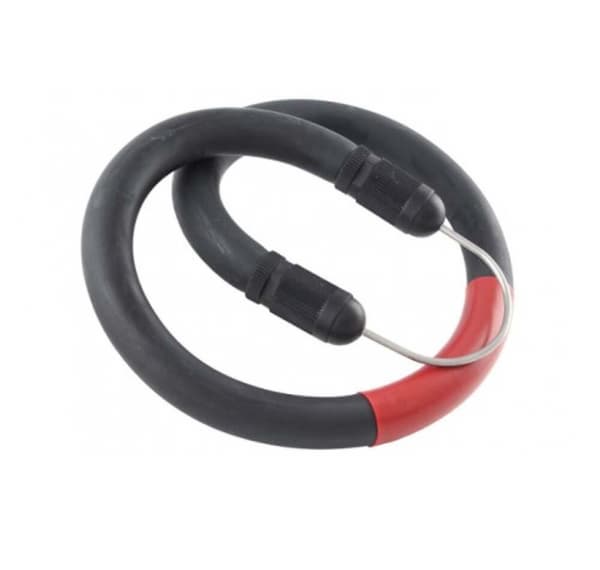
Spare rubbers and spear heads to keep you hunting.
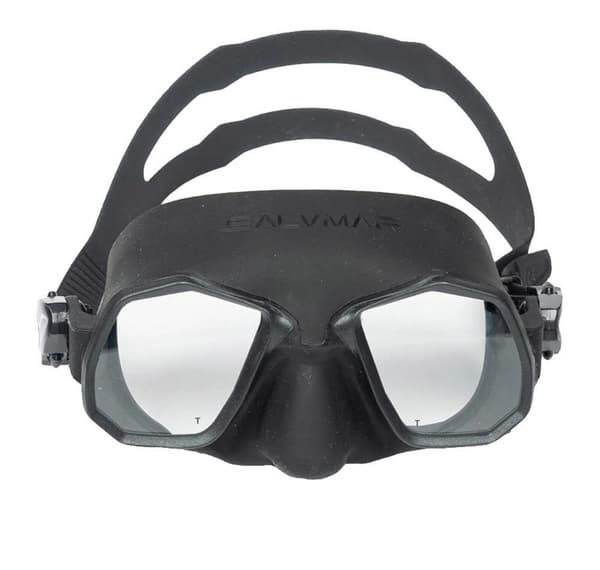
Low-volume masks made for breath-hold diving.
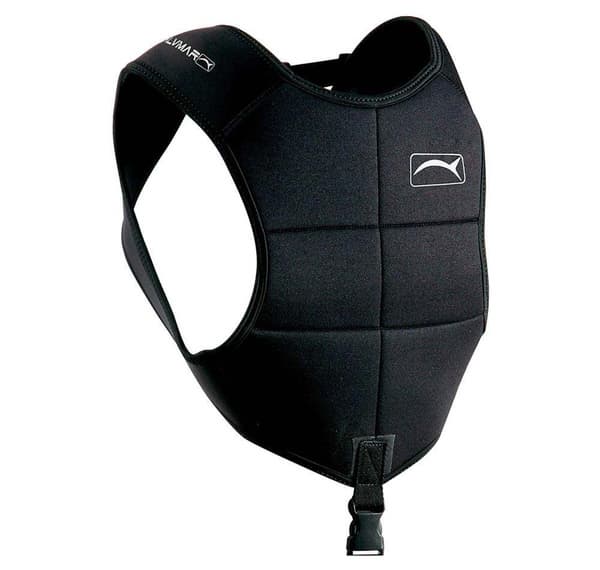
Weight vests that spread ballast across your back.
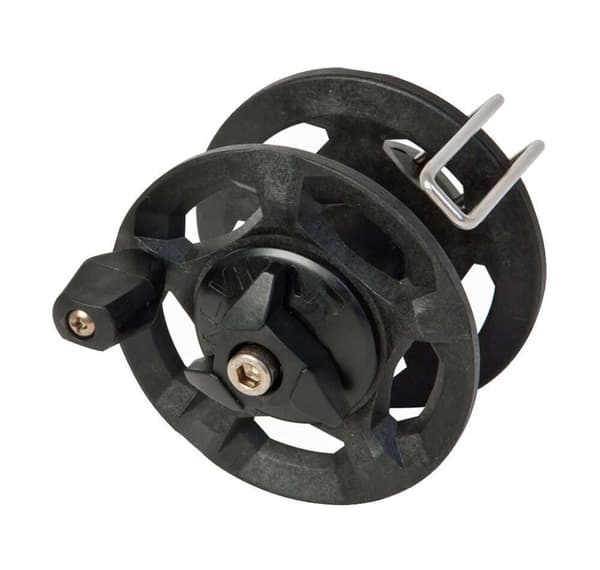
A gun reel and fin bag to finish your kit.
Shorter guns are easier to manoeuvre around reef and in murky water. Longer guns reach further in clear, open water but take more effort to swing and load.
A low-volume mask needs less air to equalise as you dive. Hold it to your face without the strap and breathe in gently through your nose: a good fit stays put.
Most spearos aim to be slightly buoyant at the surface, so they float up easily if they get into trouble. Any weight system should have a quick release, and an instructor can help you get it right.
Always dive with a buddy and tow a float with a dive flag so boats can see you. Treat a loaded gun like any weapon: point it away from people and load it only in the water.
A pole spear, a well-fitting mask and a buddy are a sensible start on shallow, calm reefs.
Add a low-volume mask and weight vest to the fins and wetsuit you already use, then take a freediving course.
A railgun with a reel gives you more reach and more control once a fish is speared.
| Gear | What it does | Tip |
|---|---|---|
| Railgun speargun | Your main hunting tool | Match the length to your usual visibility |
| Pole spear | A simple way to get started | Practise on small fish in shallow water |
| Spare rubbers and heads | Keep your gun or spear working | Replace rubbers that look cracked |
| Low-volume mask | Clear view and easier equalising | Check the seal before you buy |
| Weight vest | Balances your buoyancy | Make sure it has a quick release |
| Speargun reel | Gives a speared fish line to run | Rinse it after every dive |
The basics are a low-volume mask, snorkel, long fins, a wetsuit, weights with a quick release and a pole spear or speargun. Add gloves, a dive knife, a catch bag and a float with a dive flag. Just as important is training: a freediving course teaches you breath-hold safety before you start hunting.
Many people start with a pole spear because it is simple, light and has few parts to maintain. It also teaches you to get close to fish, which is the core skill of spearfishing. Once you're comfortable, a short railgun gives you more reach without being hard to manoeuvre.
Rules vary between states and territories. Some require a recreational fishing licence, and all set size and bag limits, protected species and areas where spearfishing is banned, such as some marine park zones. In most places you may only spearfish while breath-holding, not on scuba. Check your state fisheries website before every trip.
It can be, with the right habits. The biggest risk is blacking out on a breath-hold dive, so never dive alone: use a one up, one down system where your buddy watches every dive. Stay within your limits, rest well between dives and handle a loaded gun with the same care as any weapon.
It depends on where you dive. In murky water, caves and tight reef, a shorter gun is easier to aim and swing. In clear, open water, a longer gun lets you take fish from further away. If you're unsure, a mid-length gun is a versatile first choice, and staff at a local dive shop or club can help you decide.
Choose gear that suits your local waters, learn with a buddy and check the rules before you go. Wetsuits, fins and more are in our water sports range.
Free delivery on orders over $150. Members get our lifetime warranty.