Rigging the plastic crooked
Thread it slowly and check it swims straight beside the boat or bank before you cast.
Soft plastic lures catch everything from bream and flathead to snapper and barramundi. Here is how we choose a tail style, size and jig head, and how to rig them so they swim naturally.
Four tail styles to start with, plus the jig heads and leader to rig them.
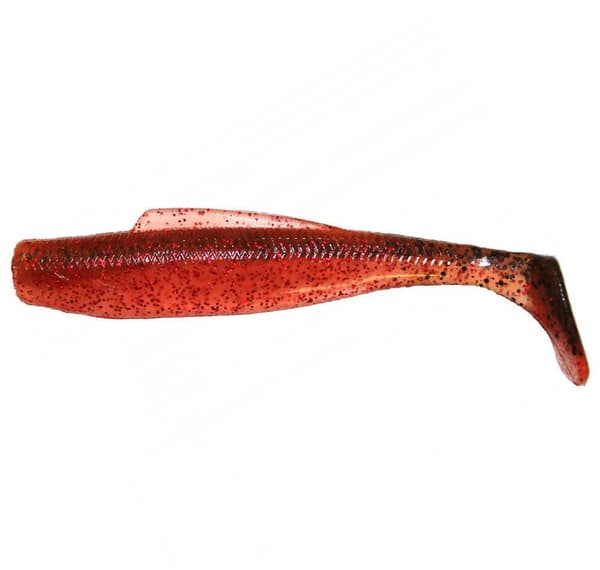
Paddle-tail soft plastics that swim on a steady wind.
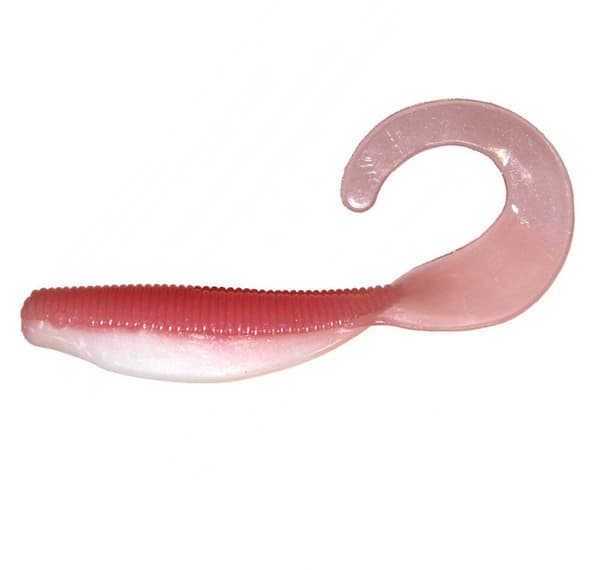
Curly-tail grubs that flutter even on a slow retrieve.
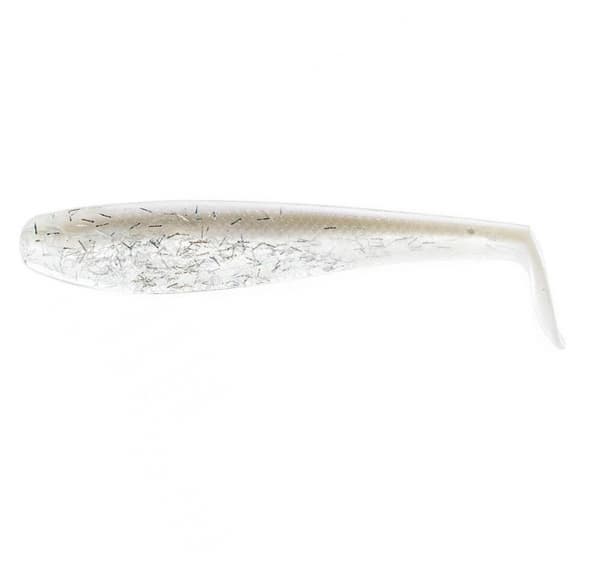
Larger soft swimbaits for bigger predatory fish.
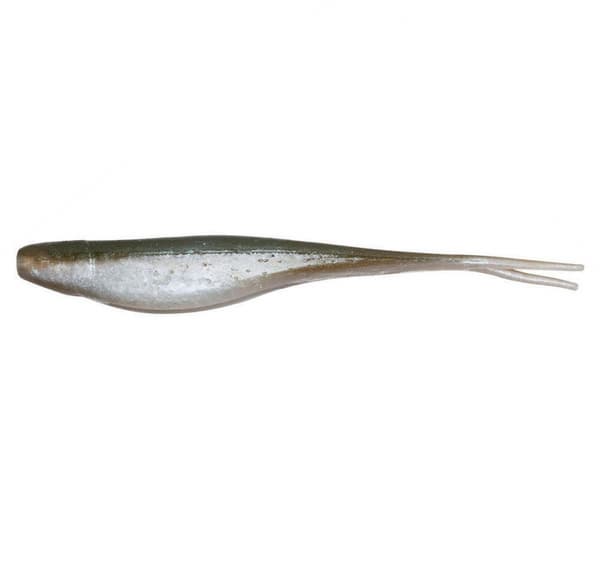
Scented soft plastics for slower, fussier bites.
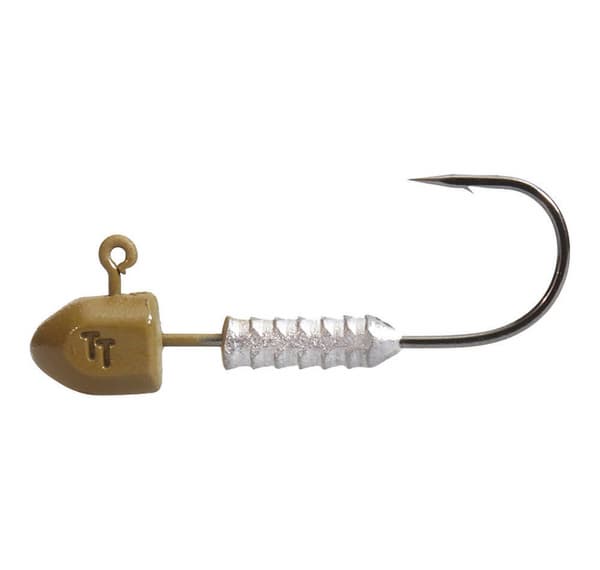
Jig heads in a spread of weights and hook sizes.
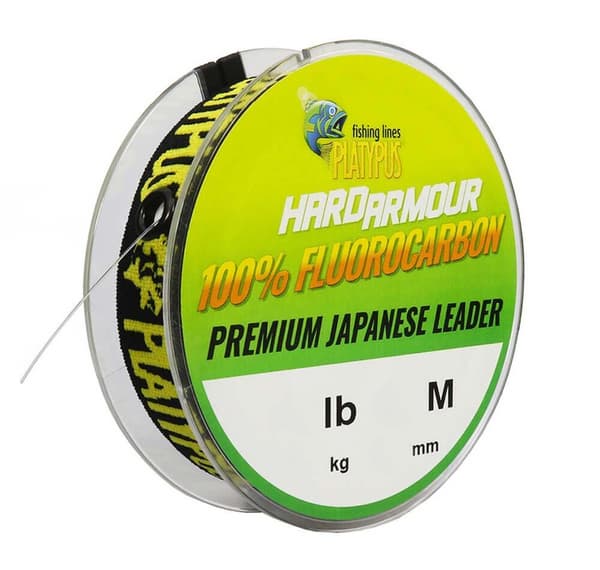
Fluorocarbon leader and braid, alongside hooks and tools.
Pick a size and shape close to what your target fish are eating, such as small prawns, baitfish or worms. Smaller plastics suit bream and whiting, while bigger ones suit flathead, mulloway and barramundi. Natural colours are a safe start in clear water.
Paddle tails kick on a steady retrieve, curly tails flutter even when you wind slowly, and slim jerkshads dart when you twitch the rod. Having one of each covers most situations. If one style is not working, change the action before you change the colour.
Use the lightest jig head that still reaches the bottom in the current and depth you are fishing. Too heavy and the plastic drops unnaturally and snags; too light and you lose contact. Carry a few weights so you can adjust as the tide changes.
The hook should come out of the plastic about a third of the way along the body, with the plastic sitting dead straight. A bent or bunched plastic spins on the retrieve and puts fish off. Match the hook size to the length of your plastic.
Thread it slowly and check it swims straight beside the boat or bank before you cast.
Many strikes come as the plastic sinks, so pause, let it fall and watch your line for a twitch.
Braid alone is easy for fish to see and cuts on rocks and oysters, so add a fluorocarbon leader.
| Style | Best for | Tip |
|---|---|---|
| Paddle tail | Flathead, snapper, mulloway, all-round use | A slow, steady wind is enough to make it swim |
| Curly tail | Bream, flathead and slow retrieves | Works well hopped along the bottom |
| Jerkshad | Surface feeders and active fish | Twitch the rod tip, then pause |
| Scented plastic | Fussy fish and slow bites | Reseal the pack so the scent lasts |
| Jig heads | Rigging any soft plastic | Carry several weights for changing tides |
| Fluorocarbon leader | Clear water and rough structure | Retie after a fish or any scuffing |
They are flexible lures moulded to look like baitfish, prawns, worms or grubs. Rigged on a jig head, they sink and swim with a lifelike action that predatory fish find hard to ignore. They are cheap to stock up on and quick to swap, which makes them a favourite with Australian lure anglers.
A plastic of around 2 to 4 inches covers bream, whiting, flathead and many other estuary fish. Go bigger, around 5 inches and up, for snapper, mulloway and barramundi. If you are unsure, start smaller, as more fish can eat it.
Hold the plastic beside the jig head to see where the hook should come out, then thread the hook point into the nose and along the body. Push it out on the top at that marked spot so the plastic sits straight against the head. A straight rig swims properly and does not spin your line.
A light to medium spin rod with a fast tip is a popular choice, because it casts light jig heads and feels the bite. Pair it with a spin reel loaded with thin braid and a fluorocarbon leader. Heavier plastics for bigger fish need a stronger rod and line to match.
Natural colours such as clear, white, brown and green imitate local bait and work well in clear water. Brighter or darker colours stand out in murky water or low light. Colour matters less than size, action and depth, so get those right first.
Grab a few tail styles, a spread of jig heads and some leader, and you are set for most estuary and inshore fishing.
Free delivery on orders over $150. Members get our lifetime warranty.