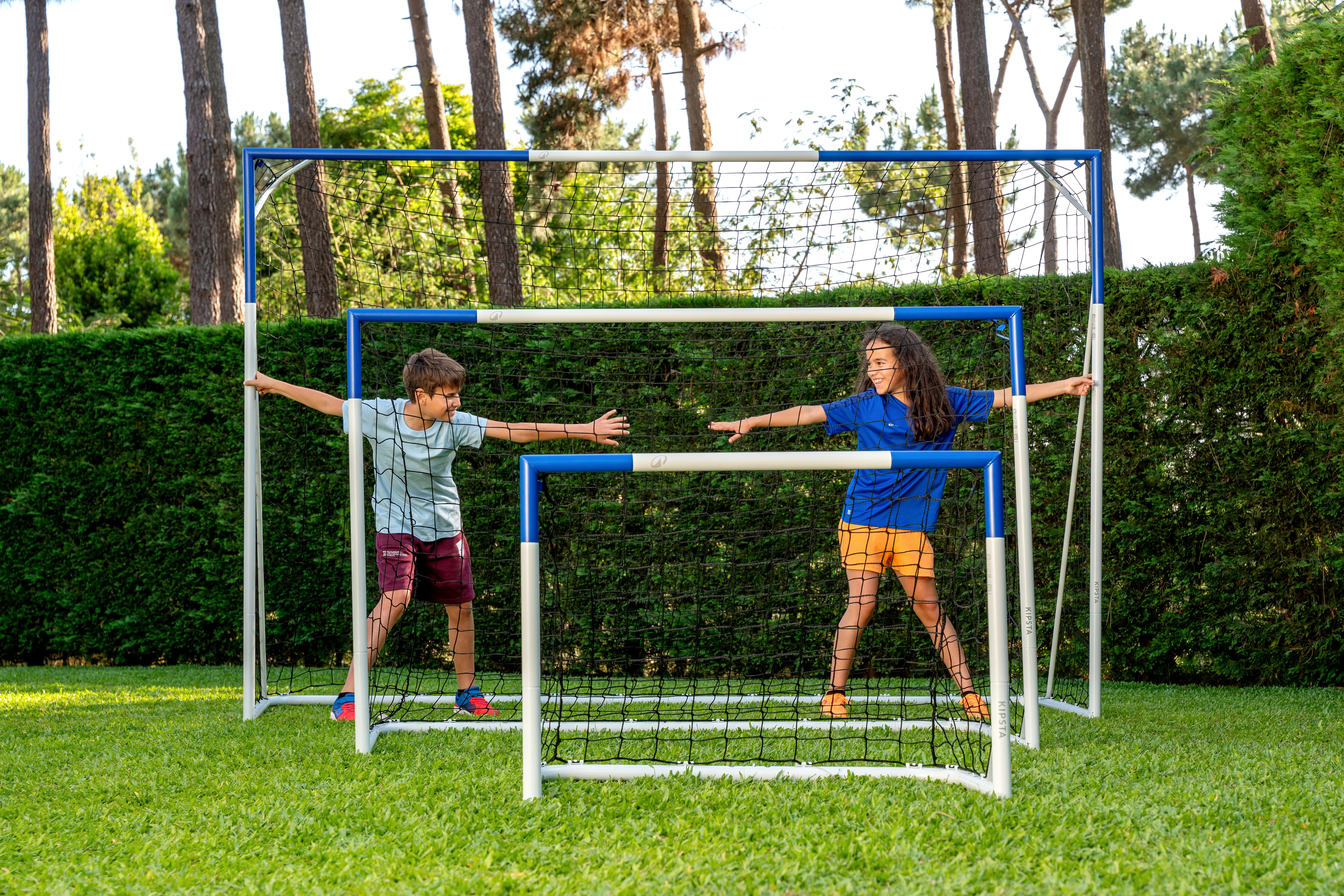
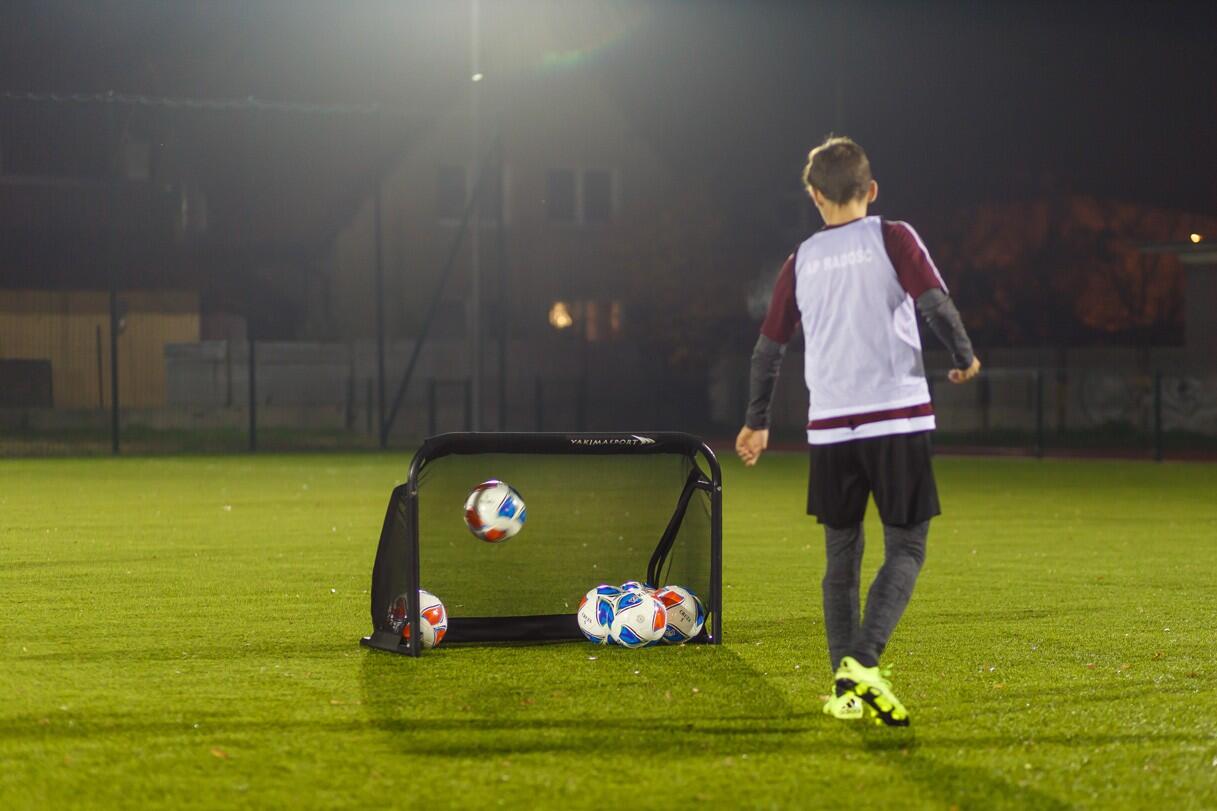
A portable goal gives your child a place to work on their finishing anytime, and opens up new ways for the family to play together. Solo shooting drills or casual weekend games, a goal at home makes backyard time more active and fun. Choosing the right size and style helps you get the most from every session and kickabout.
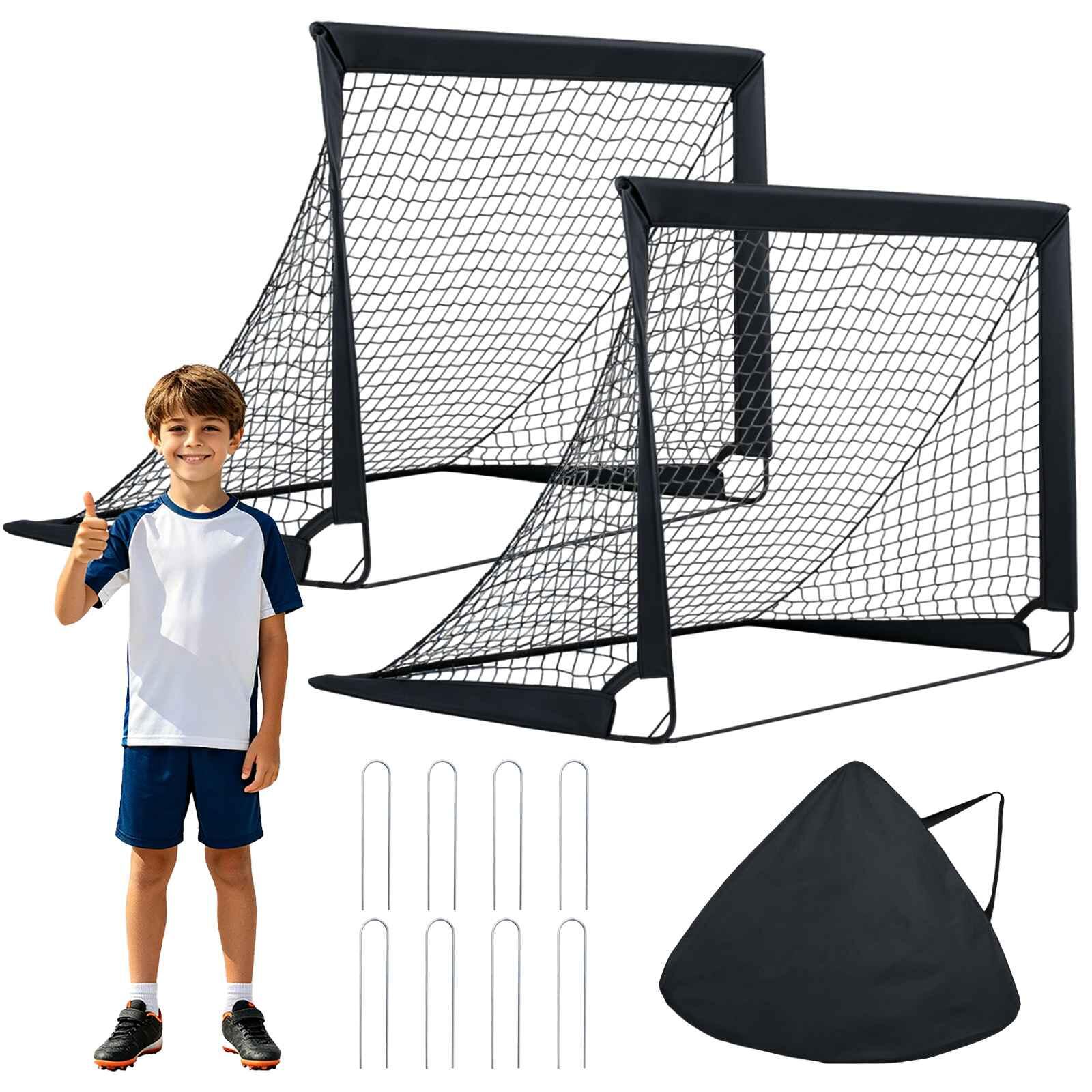
The right goal size depends on the age of the players, the available space and how the goal will be used. Smaller goals are ideal for younger children, skill development and compact backyards, while larger goals provide a more realistic playing experience for older players. Consider both your available space and who's using the goal before making a choice.
Material and Durability
The frame material affects the goal's durability, weight and how easily it moves. Steel goals offer excellent stability for regular use, aluminium is lightweight and rust-resistant, and plastic goals are easy to move and well suited to younger players. Choose a material based on how often the goal will be used and how much you need to move it.
Setup and Portability
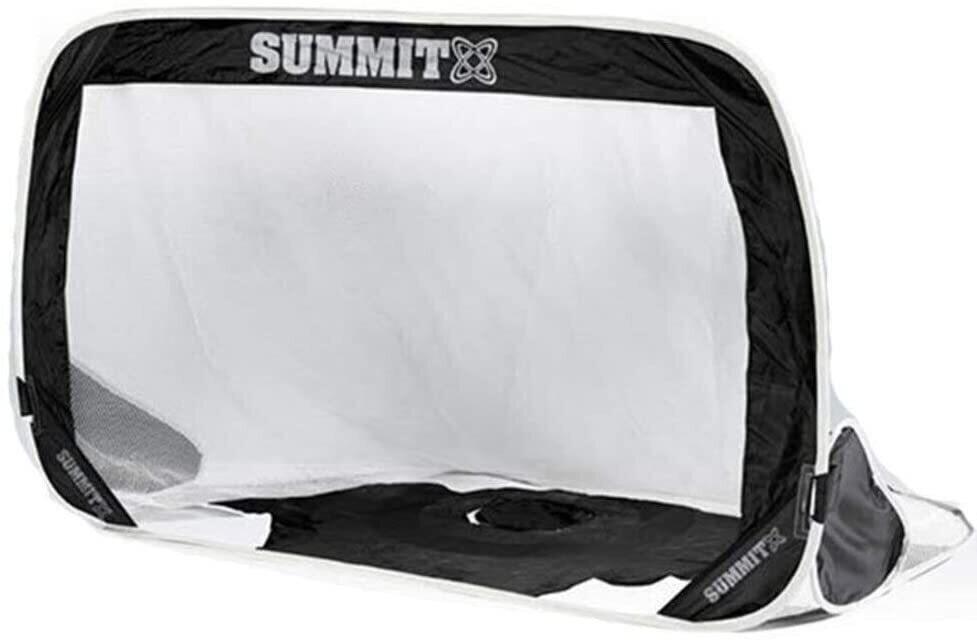
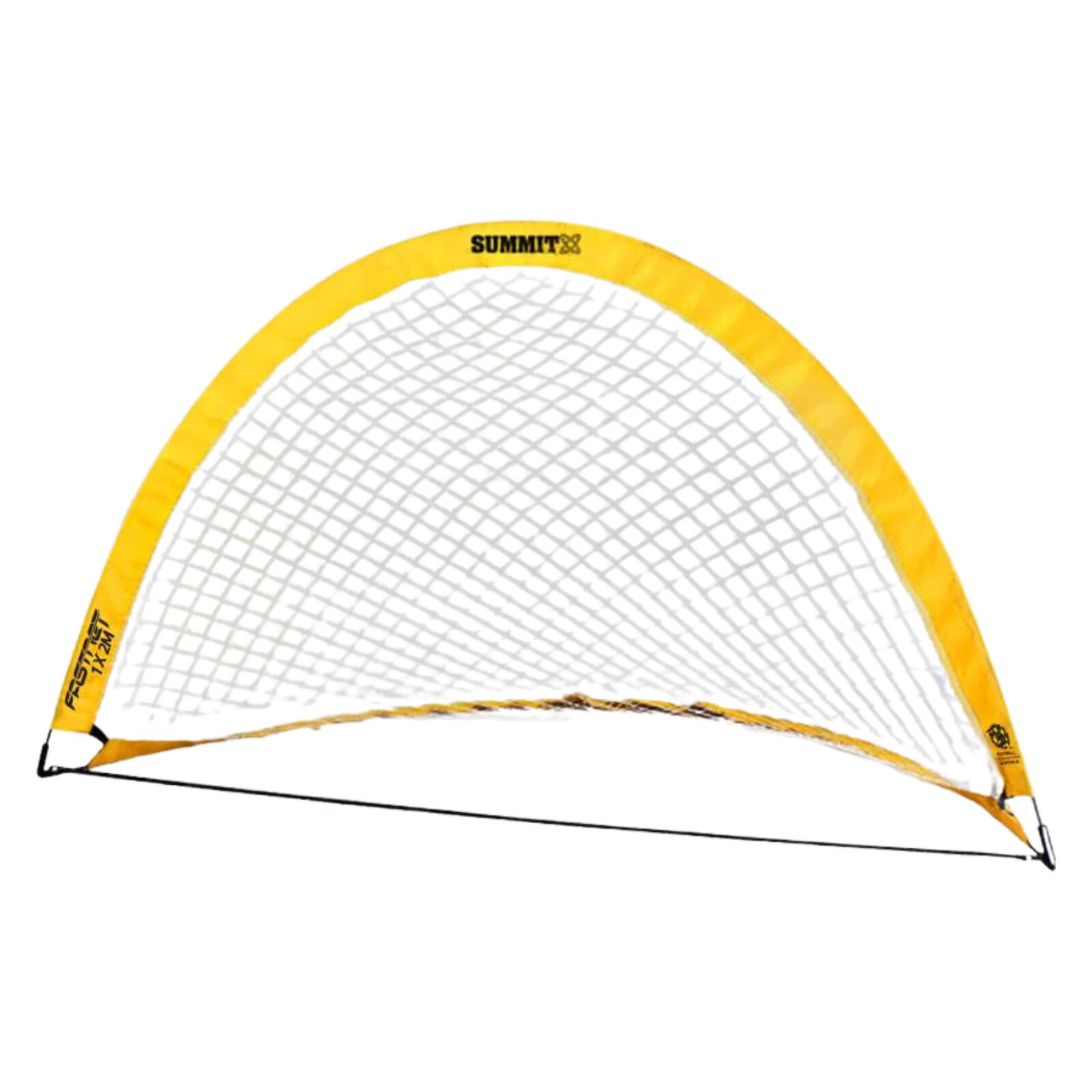
Some soccer goals can be assembled and packed away in just a few minutes, making them ideal for families who play in different locations or need to store the goal after use. Others are designed as a more permanent backyard setup with greater stability. If the goal will stay in one place for regular use, prioritise stability over portability. Otherwise, choose a design that's easy to move and store.
Training vs Match Use
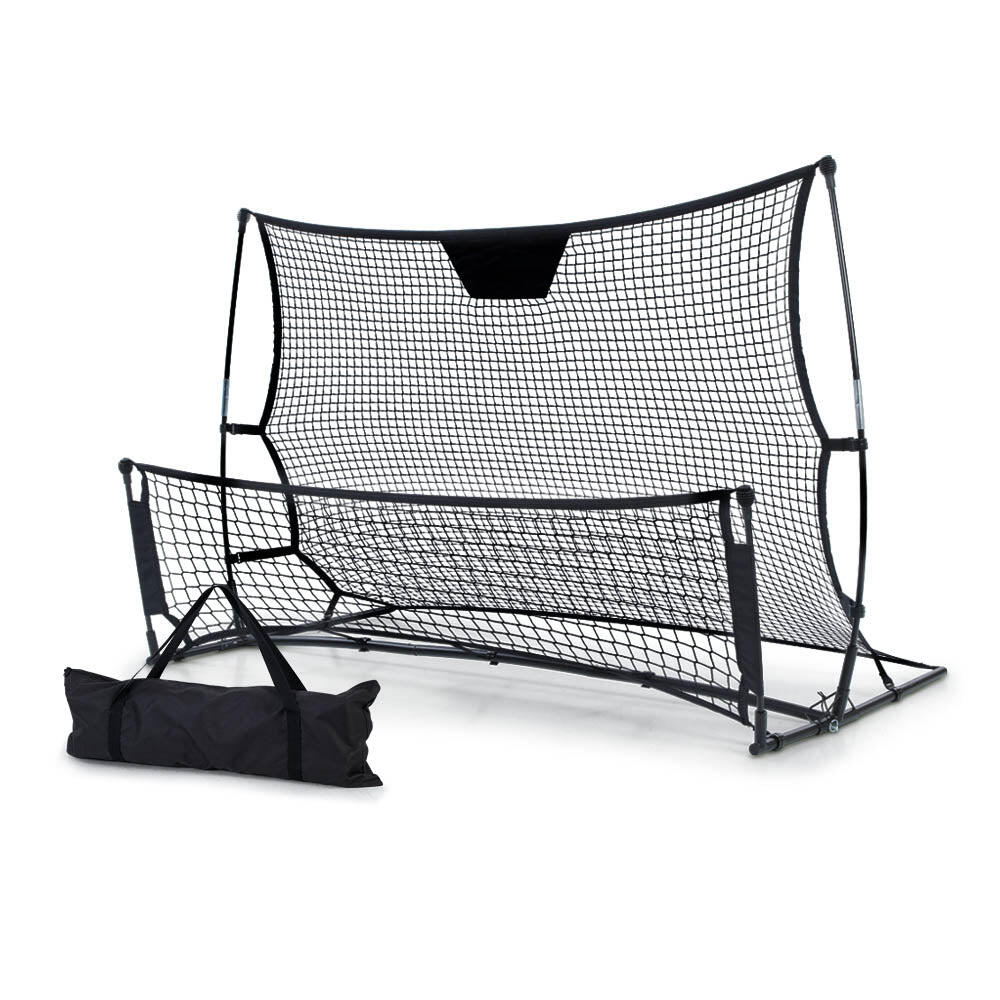
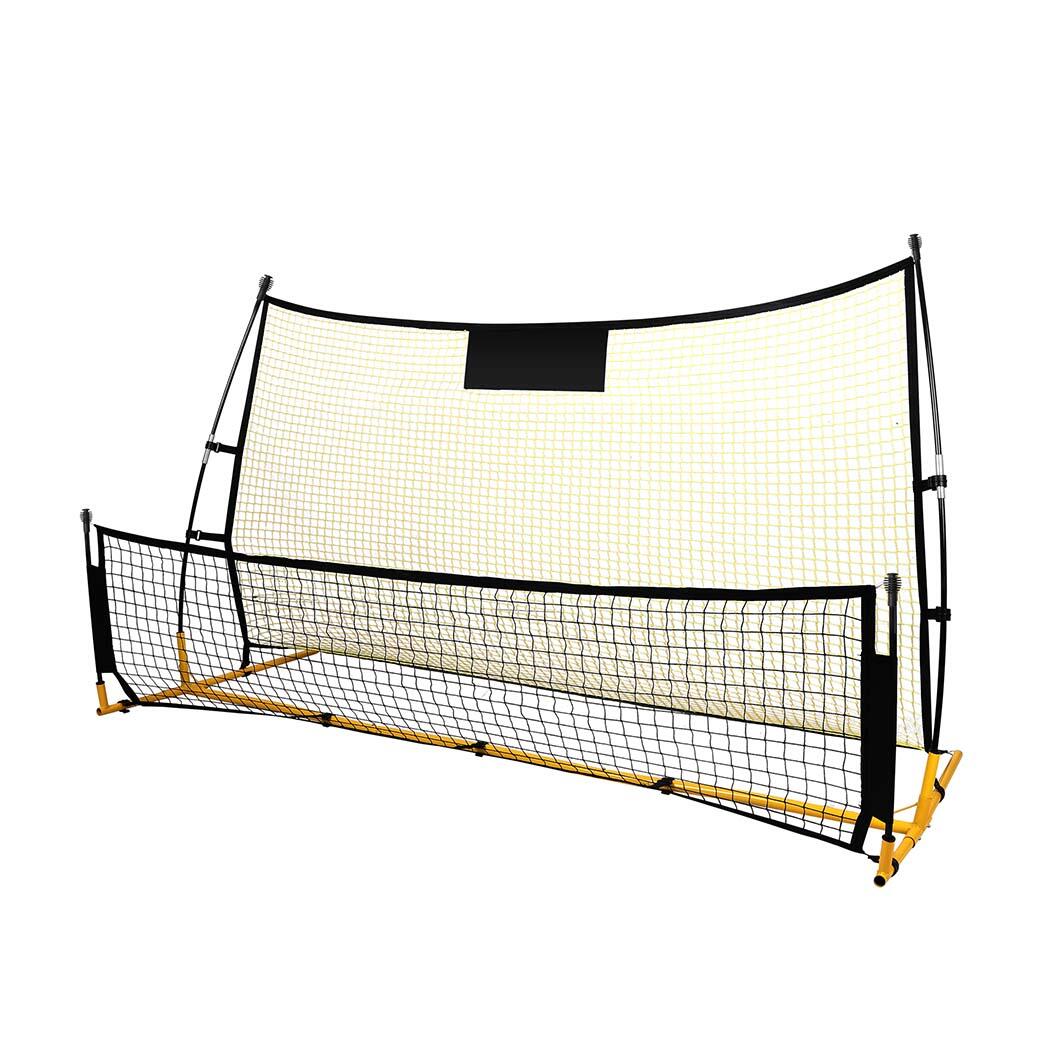
Rebounder-style goals are built for solo practice, bouncing the ball back so you can work on passing and shooting without a second player. Full-size goals are built for real matches with friends or a proper kickabout, not solo drills. Decide if you're training alone or setting up for a game before choosing between the two.
Recreational players You want a goal for family kickabouts, friendly matches and backyard practice. A lightweight design is easy to set up whenever you're ready to play.
Home trainers. You practise regularly and want a goal that supports shooting drills, passing and skill development outside team sessions. A durable design is built for frequent use.
Club players. You train and compete regularly and need a goal that feels closer to match conditions. A larger, sturdier design supports advanced practice and match preparation.
Getting the Most From Your Soccer Goal
After each session, wipe the frame dry to prevent rust. Inspect the net for tears and repair them immediately to avoid bigger holes. Check bolts and joints are tight. Secure the goal properly so it doesn't tip during play. Store indoors or cover during off-season. Check metal frames regularly for signs of rust and treat any affected areas promptly to help extend the life of the goal.
Soccer goals by type
Type
Best for
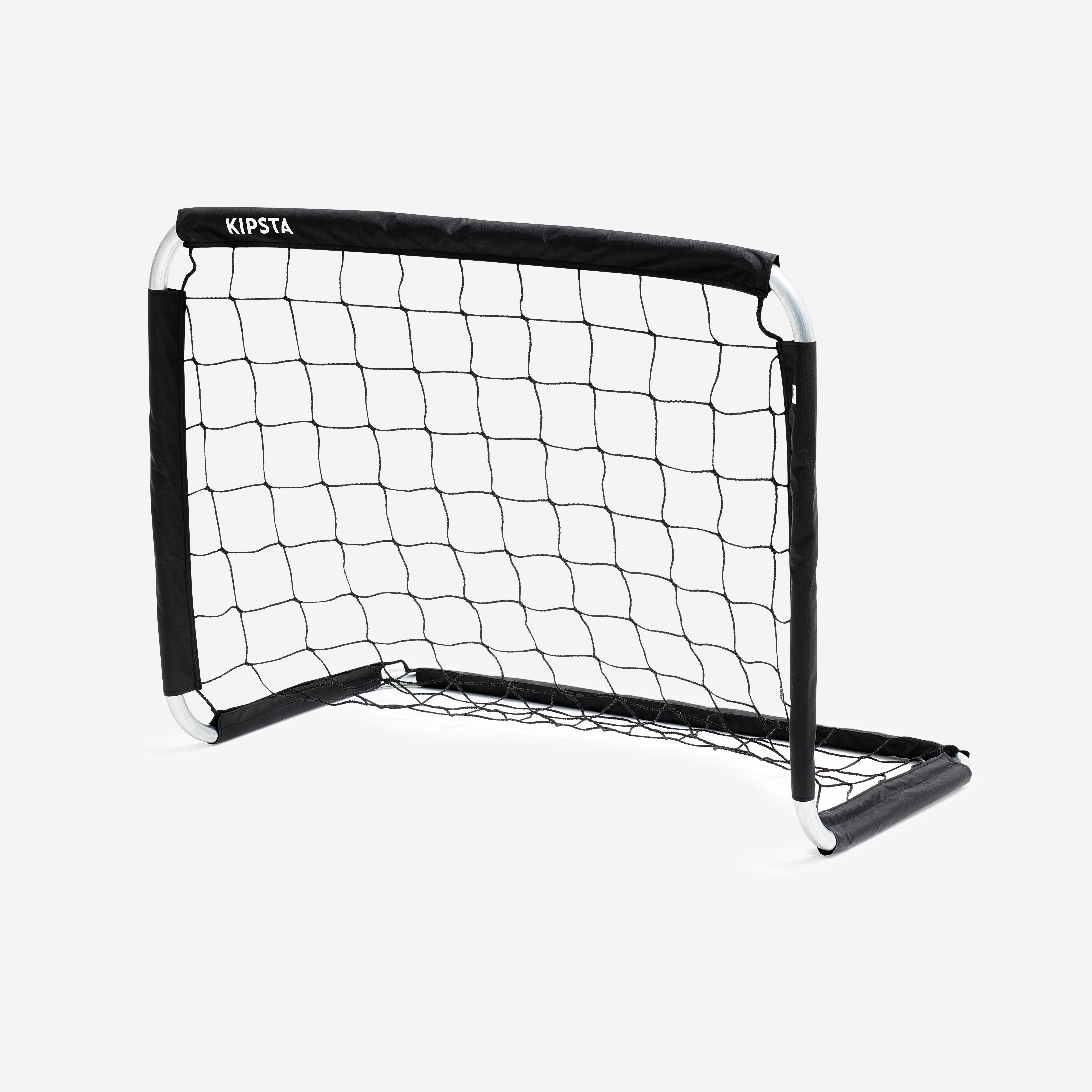
Pop-up goals
Small spaces, casual backyard play, quick setup and storage.
Regular play, easy storage between sessions, versatile use.
Folding goals
Frequent play, durable setup, more permanent backyard installation.
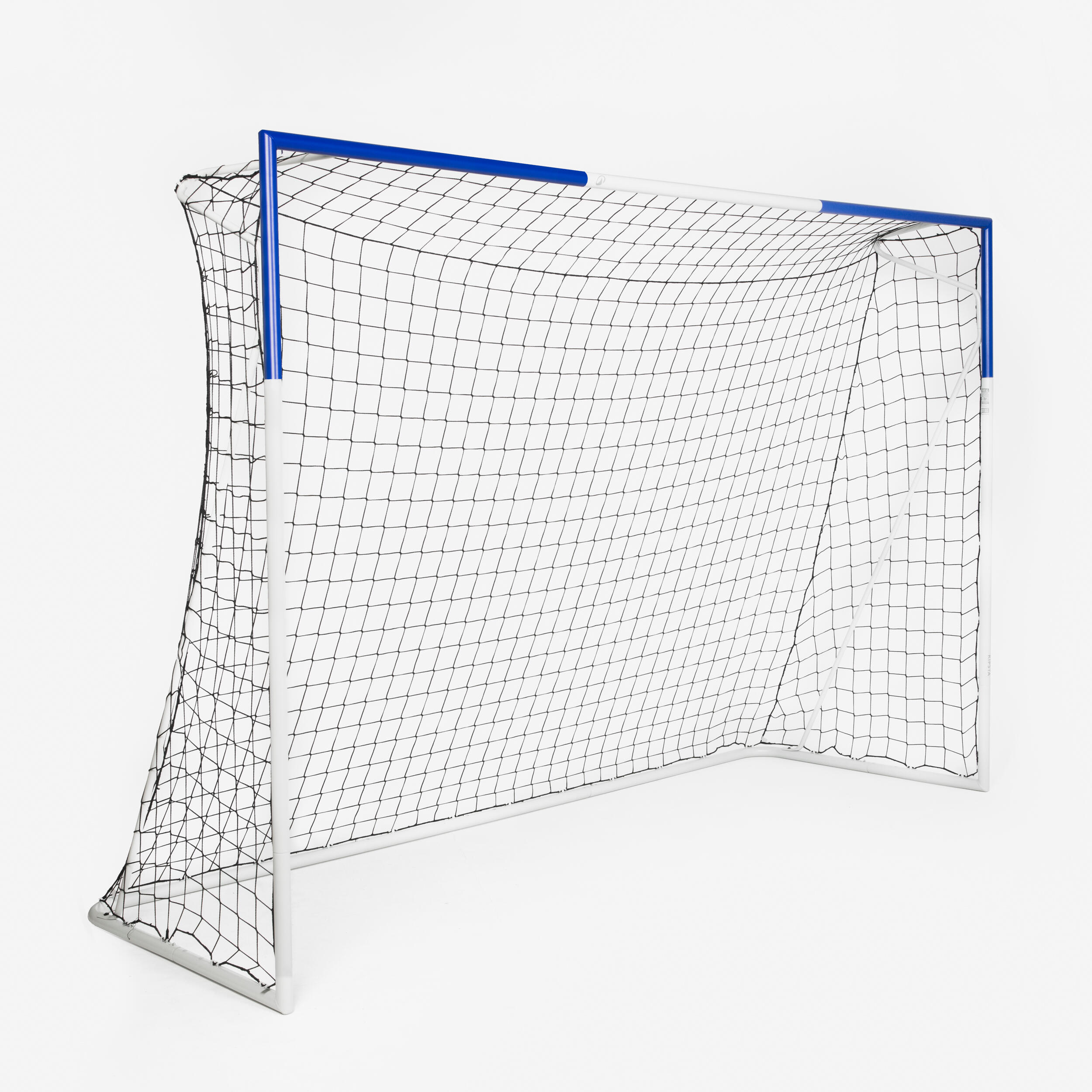
Steel frame goals
Match practice, older players and realistic training sessions.
Measure your available space first. Compact goals fit tight areas. Mid-size options suit average backyards. Larger goals need proper space. Choose based on your yard size and your child's age and skill level.
Should I get a portable or permanent goal?
Portable goals offer flexibility and easy storage, so they work well for casual play or if you like to move the goal around. Permanent goals are more stable and better for regular use. Think about how often your child will play and if you need to pack the goal away off-season.
What material is best for a soccer goal?
Can I replace the net if it becomes damaged?
What's the difference between a training goal and a match goal?
Steel goals offer excellent durability and stability for regular backyard use, while aluminium models are lighter and easier to move. Plastic goals are a practical choice for younger players and casual games.
Replacement nets are available separately and easy to swap out. Repair small tears promptly to prevent spreading. With proper storage and care, nets last many seasons. Check if replacements are readily available for your model.
Training goals, such as rebounders, are designed for solo drills and repeated practice, while match goals are built for games with two teams. Choose the type that best matches how you'll use it most often.
Goals for Every Backyard
Solo practice, family games or prep for competitive matches, the right soccer goal makes every session more rewarding. Choosing a goal that suits your space, playing style and training needs means you'll enjoy using it for years to come.
 All SportsMenWomenKidsAccessoriesEquipment and LeisureHealth & NutritionBest DealsNew ArrivalsMarketplace

 Hiking & Trekking
 Swimming
 Cycling
 Camping
 Running