A guide to snorkelling the Great Barrier Reef

You do not need to dive to see the Great Barrier Reef. Several islands have coral close to the beach, so a mask, snorkel and fins are enough. Here is where to start, how to stay safe and what to pack.

What to pack for the reef

A good mask and snorkel come first. In the tropics, cover up against stingers and sun.

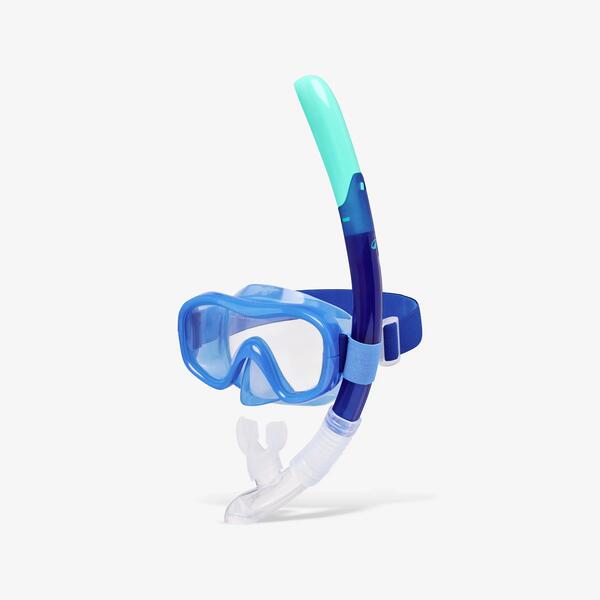
Blue snorkelling mask with valve snorkel
MASK & SNORKEL

Mask and snorkel sets for adults and kids alike.

What to prioritise
Start here

Snorkelling Sets

Shop the Range
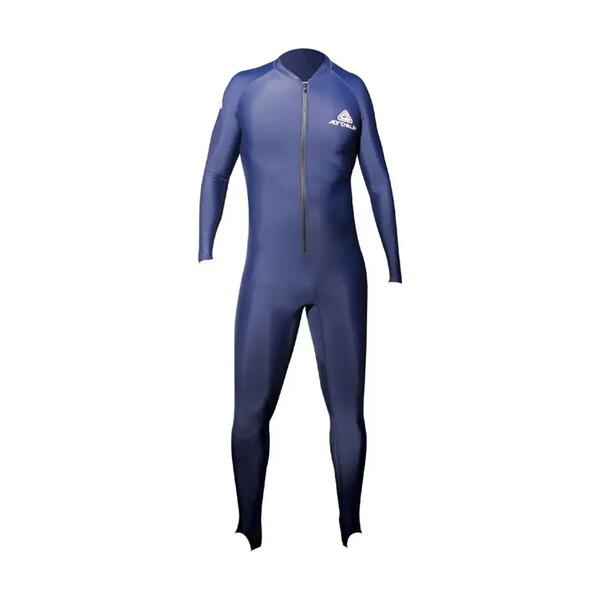
Full-length lycra stinger suit
STINGER SUITS

Lycra stinger suits, wetsuits, neoprene tops and socks.

What to prioritise
Cover up

Diving Wetsuits

Shop the Range
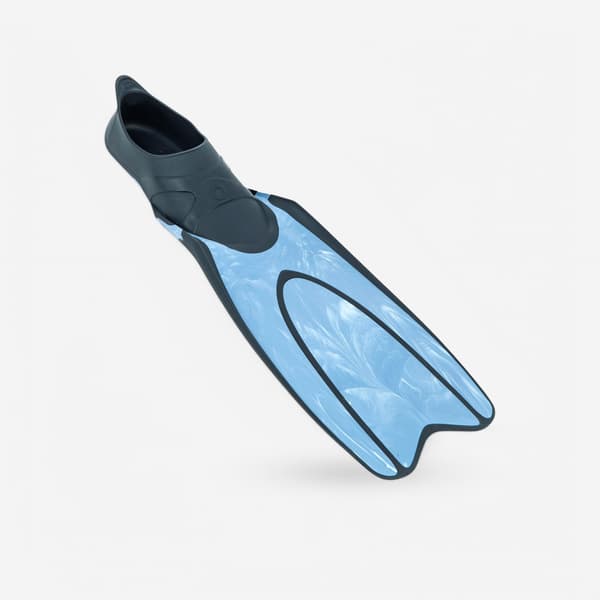
Pair of blue full-foot fins
FINS

Snorkelling and swim fins, plus fin and snorkel sets.

What to prioritise
Glide further

Snorkelling Fins

Shop the Range
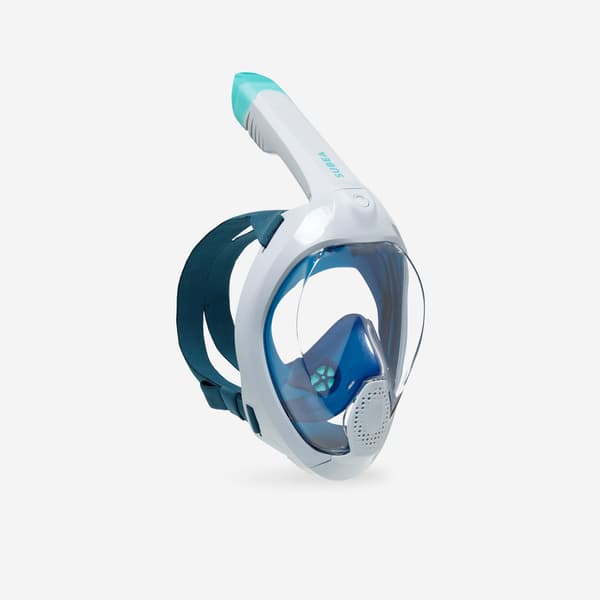
Light blue full-face snorkelling mask
FULL-FACE MASKS

Full-face surface masks for adults and kids, plus spares.

What to prioritise
Breathe easy

Easybreath Snorkelling Masks

Shop the Range
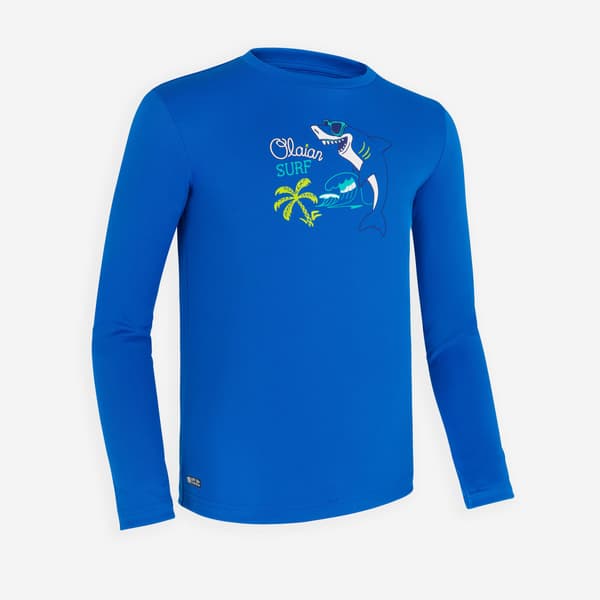
Child's blue long-sleeved UV top
SUN

Rash vests, UV tops and leggings for every age.

What to prioritise
Beat the sun

UV Swimwear & Rash Vests

Shop the Range
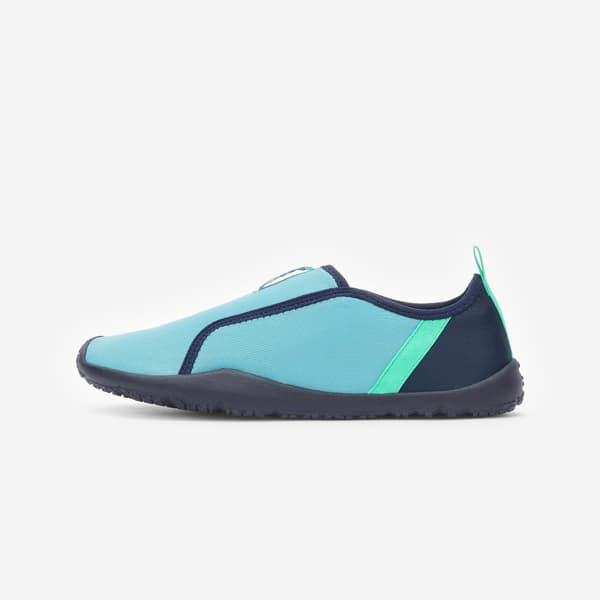
Blue adult aqua shoes
FEET

Aqua shoes for rocky entries, plus slides and sandals.

What to prioritise
Mind your feet

Reef Shoes & Aqua Shoes

Shop the Range

Great Barrier Reef snorkel spots to know

Island reefs from Port Douglas down to the southern tip, most reached by a short boat trip or flight.

Coral cay

Low Isles, off Port Douglas

About 15 km north-east of Port Douglas, Low Isles is a small coral cay ringed by reef. The coral sits very close to the island, so snorkelling is easy, and you might meet the resident turtles.

Good to knowDay trips run from Port Douglas. The historic lightstation on the island is looked after by Queensland Parks and Wildlife.

Island reef

Green Island, off Cairns

A coral cay national park close to Cairns, where you can see the reef by snorkelling or from a glass-bottomed boat. A patrolled swimming area sits on the northern side near the beach hire hut.

Good to knowSnorkelling is not supervised, so ask the lifeguard about safe spots on the day. The surrounding waters are Marine National Park and Scientific Research zones, and fishing is not allowed.

Fringing reef

Fitzroy Island, off Cairns

Welcome Bay and Nudey Beach are the places to snorkel a fringing reef with reef fish and both hard and soft corals. Public moorings around the island help protect the coral from anchors.

Good to knowStick to those two spots, as currents elsewhere around the island can be strong. Check the zoning maps before you fish or anchor.

Island bays

Magnetic Island, off Townsville

Fringing reefs in several bays are good for snorkelling, especially along the northern sides of Florence and Arthur bays. Nelly, Geoffrey and Picnic bays are worth a look in calm weather, when visibility is best.

Good to knowStingers may be in the water here at any time. Picnic and Horseshoe bays have stinger-resistant enclosures for swimming, though they are not stinger-proof.

Southern reef

Lady Elliot Island

At the southern tip of the Great Barrier Reef, about 80 km north-east of Bundaberg, this island is known for manta rays, turtles and reef sharks. You can snorkel straight off the beach.

Good to knowThe island is only reached by plane. It sits inside a highly protected green zone, so look but leave everything as you found it.
What to look for in reef kit

Full-body stinger cover

Dangerous jellyfish can be in tropical Queensland waters, especially in the warmer months. A full-length lycra stinger suit covers most of your skin and doubles as sun protection.

A mask that fits well

Press the mask to your face without the strap and breathe in gently. If it holds, it fits. Full-face masks suit relaxed surface snorkelling, not diving down.

Serious sun protection

Tropical sun on your back is fierce when you float for an hour. Cover up with a long-sleeved top and use water-resistant sunscreen on any skin that shows.

Shoes for the walk in

Some beaches have coral rubble or rocks at the edge. Aqua shoes protect your feet on the way in, but never stand on living coral.

First-snorkel tips

Start from a patrolled beach

Islands such as Green Island have a patrolled swimming area. Ask the lifeguard where it is safe to snorkel that day.

Float, do not stand

Corals are easily damaged, so avoid kicking, standing on or touching them. A snorkel vest helps you rest without putting your feet down.

Stay with a buddy

Snorkel with someone and agree a signal for heading back. Keep an eye on the boat or the beach as you drift.

Your reef kit at a glance

ItemWhy it mattersTip
Mask and snorkel setClear view and easy breathingTest the seal before you leave home
Stinger suitProtection from stingers and sunWear it whenever stingers are a risk
FinsCover more reef with less effortTry them on with aqua shoes or fin socks
Full-face maskEasy surface breathing for beginnersUse it on the surface only
Rash vestExtra sun cover for your backLong sleeves suit long swims
Aqua shoesProtect feet on rubble and rocksNever stand on living coral
SunscreenStrong tropical sunApply well before you get in

Look after your kit

  • Rinse masks, snorkels and fins in fresh water after every swim and dry them in the shade.
  • Store your mask in a case so the lens and skirt stay scratch-free.
  • Wash your stinger suit or rash vest in fresh water and hang it out of direct sun.
  • Keep gear out of a hot car, as tropical heat can warp silicone and plastic.

Frequently asked questions

Can you snorkel the Great Barrier Reef from the beach?

Yes, at a number of islands. Queensland Parks points snorkellers to Welcome Bay and Nudey Beach on Fitzroy Island and to several bays on Magnetic Island, and you can snorkel from the beach at Green Island, Low Isles and Lady Elliot Island too. You still need a boat or plane to reach most of these islands, and the outer reef is visited by tour boat.

Do I need a stinger suit on the Great Barrier Reef?

It is strongly recommended. Dangerous stinging jellyfish can be present in tropical Queensland waters, especially in the warmer months, and Queensland Parks warns they may be around Magnetic Island at any time. A full-body lycra stinger suit lowers the risk and protects you from the sun, so follow local signs and any advice from lifeguards or your tour crew.

When is the best time to snorkel the reef?

The water in tropical Queensland is warm for much of the year, so many people visit in every season. The warmer, wetter months bring a higher stinger risk and more chance of storms, while the drier months are often calmer and more comfortable on the water. Check the marine forecast before you go, as wind and visibility change from day to day.

Is reef snorkelling suitable for beginners?

Yes. Island reefs close to the beach are a gentle introduction, and spots like Low Isles have coral very close to shore. Wear a snorkel vest if you are not a confident swimmer, practise breathing through your snorkel in shallow water first and stay near a patrolled area or your guide.

What rules apply when snorkelling in the marine park?

The reef is protected as a marine park, with zones that control activities such as fishing and anchoring. Check the zoning maps from the Great Barrier Reef Marine Park Authority before you fish or anchor, and use public moorings where they exist. Snorkellers should never touch, stand on or collect coral or shells, and should give turtles and rays plenty of space.

Ready to float over the reef?

Pick an island, cover up against stingers and sun, and take your time in the water. We have the snorkel kit to get you there.

Free delivery on orders over $150. Members get our lifetime warranty.

Explore Water Sports
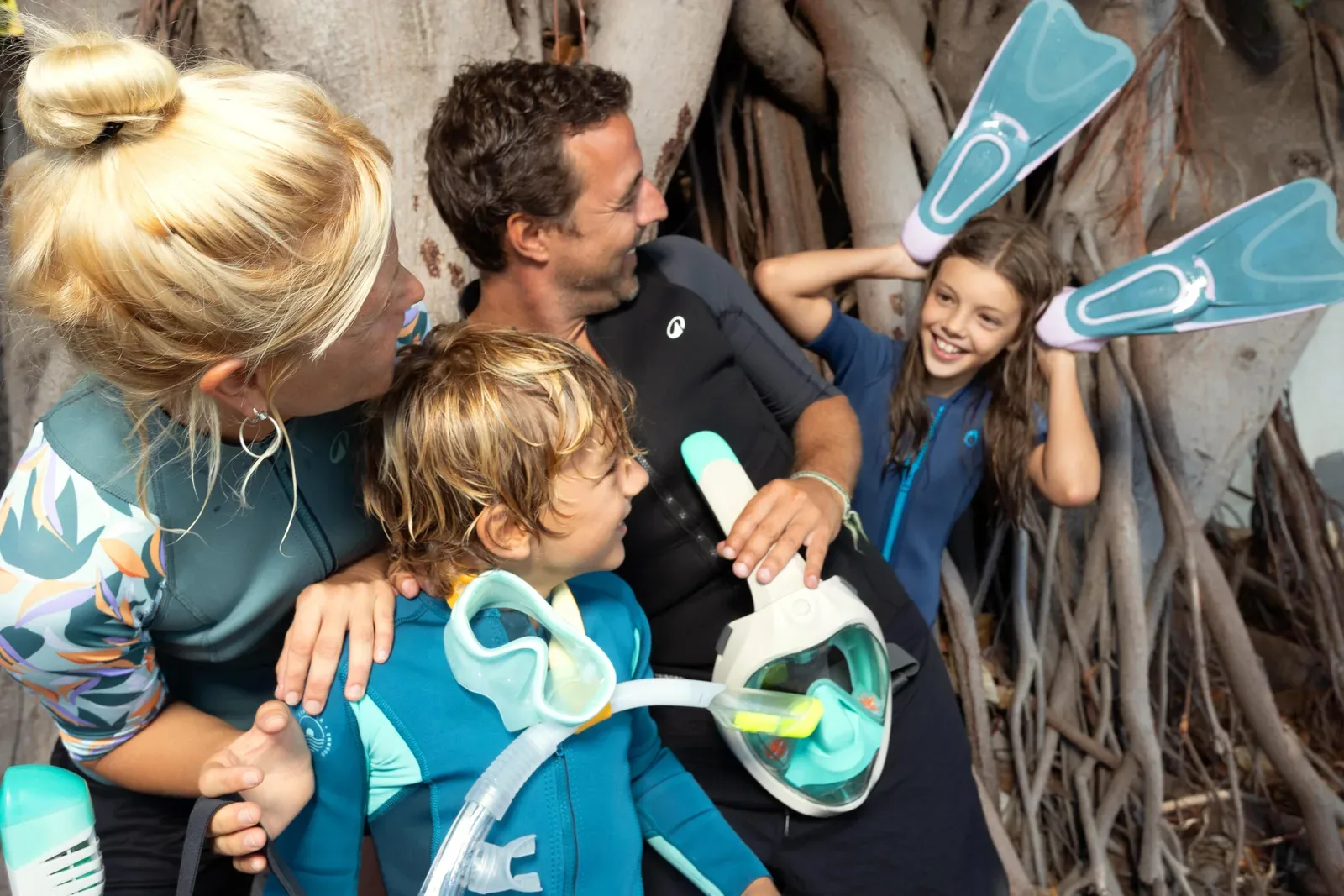
Family in rash vests laughing together with snorkel masks and fins