Snorkelling in Byron Bay: where to look

Warm water from the north meets cooler water from the south off Byron Bay, so the reefs here hold an unusual mix of marine life. Here are the spots worth knowing, how to stay safe and what to bring.

What to pack for a Byron snorkel

A mask and snorkel that fit come first, then fins and something warm or sun-safe to wear.

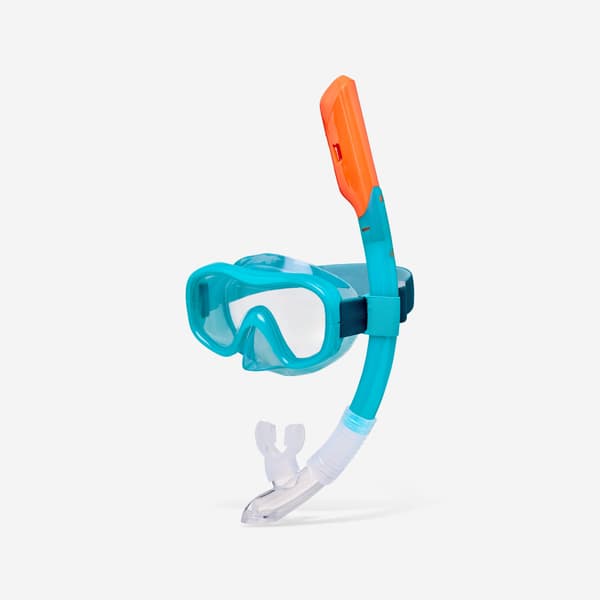
Turquoise snorkelling mask with dry-top snorkel
MASK & SNORKEL

Mask and snorkel sets for adults and kids alike.

What to prioritise
Start here

Snorkelling Sets

Shop the Range
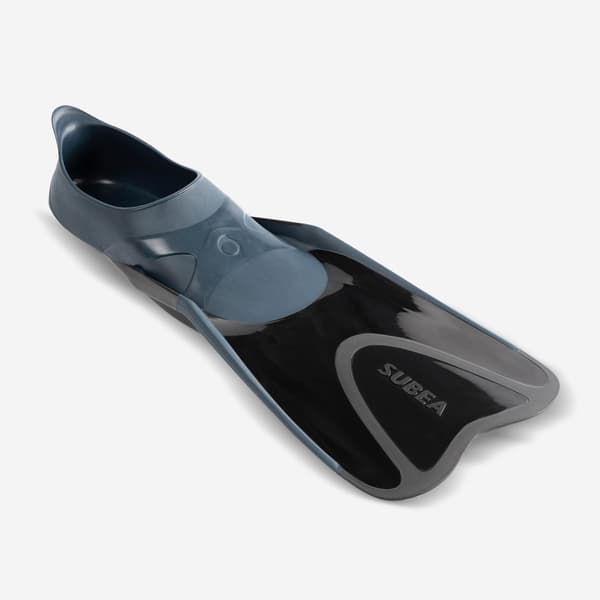
Pair of short black snorkelling fins
FINS

Snorkelling and swim fins, plus fin and snorkel sets.

What to prioritise
Glide further

Snorkelling Fins

Shop the Range
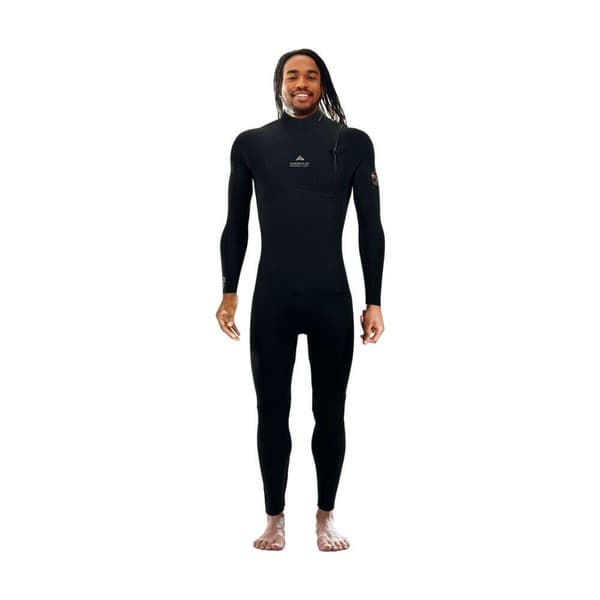
Black snorkelling wetsuit
WETSUITS

Wetsuits, lycra stinger suits, neoprene tops and socks.

What to prioritise
Stay comfortable

Diving Wetsuits

Shop the Range
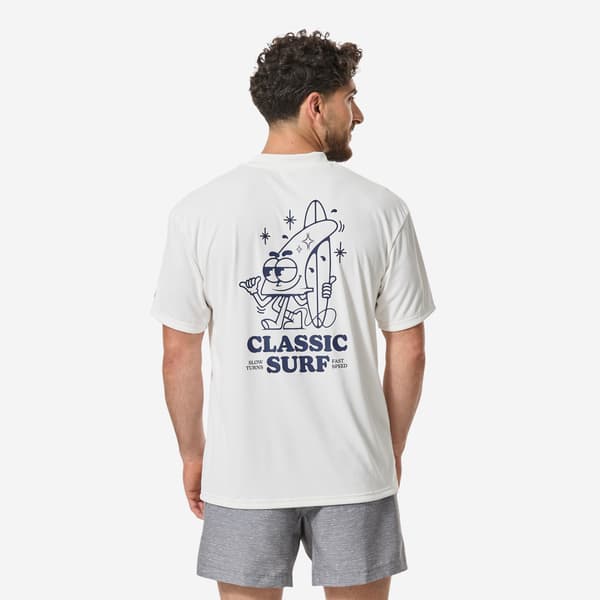
White short-sleeved UV top
SUN

Rash vests, UV tops and leggings for every age.

What to prioritise
Cover up

UV Swimwear & Rash Vests

Shop the Range
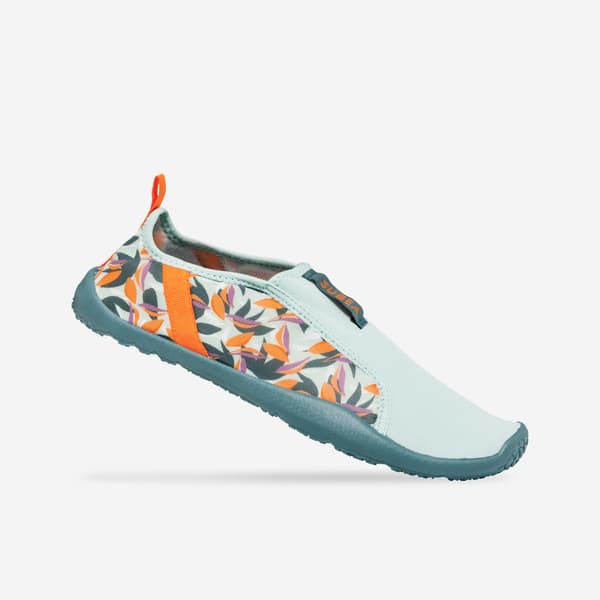
Patterned adult aqua shoes
FEET

Aqua shoes for rocky entries, plus slides and sandals.

What to prioritise
Mind the rocks

Reef Shoes & Aqua Shoes

Shop the Range
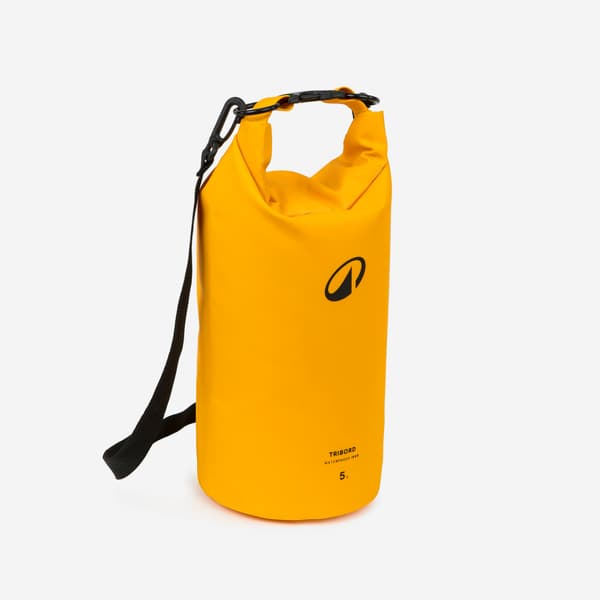
Yellow 5 litre roll-top dry bag
KEEP IT DRY

Dry bags, phone pouches and waterproof backpacks for the beach.

What to prioritise
Pack it safe

Waterproof Bags & Dry Bags

Shop the Range

Byron Bay snorkel spots worth knowing

One famous offshore reef, plus a few shore spots for calm days, all inside Cape Byron Marine Park.

Reef, by boat

Nguthungulli (Julian Rocks)

A pair of small rocky outcrops about 2.5 km off Main Beach and the marine park's most popular snorkel and dive spot. Snorkellers usually explore the sheltered areas such as the Nursery, where turtles, rays and leopard sharks are often seen.

Good to knowYou reach it by boat, and licensed snorkel trips head out most days. The rocks are protected critical habitat for grey nurse sharks, so special rules apply around them.

Sheltered bay

Wategos Beach

A pretty, north-facing beach tucked under the cape in Walgun Cape Byron State Conservation Area, protected by the headland from the rougher water beyond. Bottlenose dolphins are often seen riding the waves here.

Good to knowIt is patrolled over summer and in peak school holidays. On calm days the sheltered water is a gentle place to get used to your mask and fins.

Rocky shoreline

Little Wategos

A tiny north-facing beach just around from Wategos with calm swimming on settled days. You can often snorkel around the rocky shoreline at either end.

Good to knowIt is unpatrolled and reached by a steep path with plenty of stairs, so pack light. Stay close to shore and leave it for another day if the swell is up.

Wreck

Belongil Beach wrecks

Snorkellers can swim out from the beach to the remains of the Wollongbar, a steamer that sank in a cyclone and now pokes out of the sea. The Tassie II wreck lies just offshore too.

Good to knowOnly some sections of Belongil are patrolled, and only in peak season. Go on a calm, clear day and keep an eye on currents along the beach.

Lagoon reef

The Moat (Bream Hole), Lennox Head

A reef off the southern end of Seven Mile Beach, just north of Lennox Headland, that forms an unusual ocean lagoon. NSW Marine Parks rates it as excellent for snorkelling.

Good to knowIt sits at the southern edge of Cape Byron Marine Park, a short drive south of Byron Bay. Check the tide and swell first, as conditions on this open coast change quickly.
What to look for in snorkel kit

A mask that seals

Hold the mask to your face without the strap and breathe in gently through your nose. If it stays put, it fits. An anti-fog lens saves a lot of fiddling in the water.

A snorkel that stays dry

A dry-top or valve snorkel helps keep out splashes when there is a bit of chop. That matters on the swim out from the beach.

Warmth and sun cover

The water here is subtropical but can still feel cool after a long swim. A thin wetsuit or long-sleeved rash vest keeps you warm and protects your back from the sun.

Something for rocky entries

Several shore spots start from rocks or rubble. Aqua shoes protect your feet on the way in, then tuck under your fins or come off on the sand.

First-snorkel tips

Practise in calm water first

Try your mask and fins at a sheltered beach such as Wategos on a flat day. It is much easier than learning in the swell.

Join a trip for Julian Rocks

The rocks are offshore and only reached by boat. A licensed operator will brief you on the site and the conditions.

Look, but never touch

Keep your hands to yourself and give turtles, rays and sharks plenty of room. It keeps you and the wildlife safe.

Your Byron snorkel kit at a glance

ItemWhy it mattersTip
Mask and snorkelClear view and easy breathingCheck the seal before you swim
FinsCover more water with less effortWear them with aqua shoes or socks if needed
WetsuitWarmth on longer swimsA thin suit is plenty on warmer days
Rash vestSun protection for your backLong sleeves give the best cover
Aqua shoesProtect feet on rocky entriesRinse out the sand after use
Dry bagKeeps phone and keys dry on the beachRoll the top at least three times
SunscreenStrong sun on the waterApply well before you get in

Look after your kit

  • Rinse your mask, snorkel and fins in fresh water after every swim and let them dry in the shade.
  • Keep your mask in its case or a soft bag so the lens does not scratch.
  • Never leave masks or fins in a hot car, as heat can warp the silicone and plastic.
  • Rinse wetsuits and rash vests in fresh water and hang them to dry out of direct sun.

Frequently asked questions

Where is the best snorkelling in Byron Bay?

Julian Rocks, about 2.5 km off Main Beach, is the best-known site and the most popular snorkel spot in Cape Byron Marine Park. It is reached by boat on a licensed trip. On calm days there are shore options too, such as the rocky edges of Little Wategos, the Belongil Beach wrecks and The Moat at Lennox Head.

When is the best time to snorkel in Byron Bay?

Visit NSW says late summer tends to bring the warmest water, the best visibility and the most tropical sharks and rays at Julian Rocks. In the cooler months the water is chillier, but humpback whales often pass between the rocks and the mainland. Whatever the season, pick a calm day with light winds and small swell.

Do I need a wetsuit to snorkel in Byron Bay?

Not always, but many people like one. The East Australian Current brings warm water from the north, which mixes with cooler water from the south, so temperatures vary through the year. A thin wetsuit or long-sleeved rash vest adds warmth on longer swims and protects you from the sun.

Is snorkelling in Byron Bay suitable for beginners?

Yes, with the right choice of spot. Snorkellers at Julian Rocks usually stay in the sheltered areas such as the Nursery, and a guided trip takes care of the logistics. If it is your first time, practise first in calm water close to shore and wear a snorkel vest if you are not a strong swimmer.

How do I snorkel safely in Byron Bay?

Swim at patrolled beaches between the flags where you can, watch for rips and check the conditions on Beachsafe before you go. Never snorkel alone, and turn back early if you feel tired or the swell picks up. Cape Byron Marine Park has sanctuary zones and special rules around Julian Rocks, so check the zoning map and never touch or feed marine life.

Ready to dip your mask in?

Pick a calm day, check the conditions and bring a mask that fits. We have the snorkel kit to get you started.

Free delivery on orders over $150. Members get our lifetime warranty.

Explore Water Sports
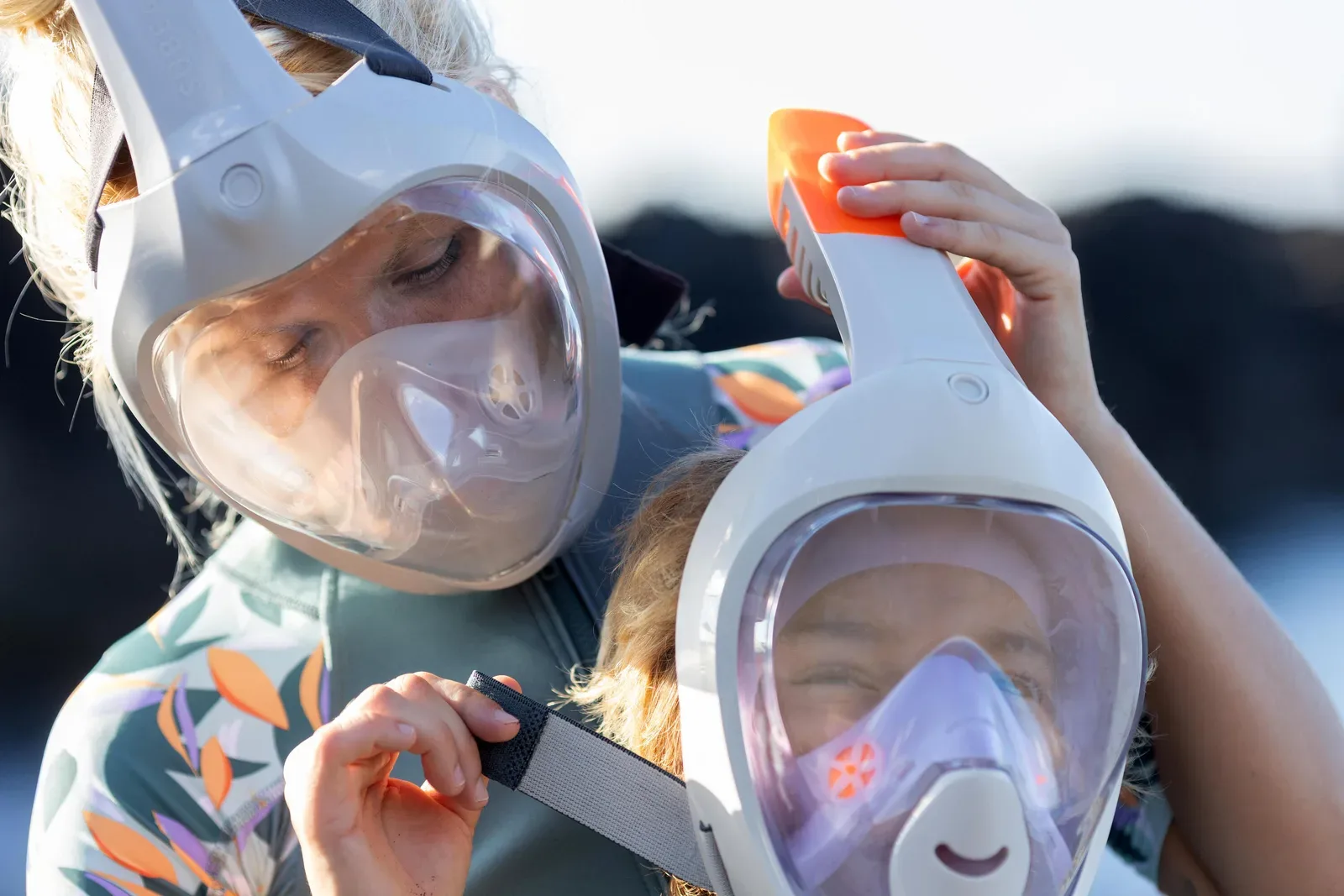
Mum helping her child fit a full face snorkelling mask