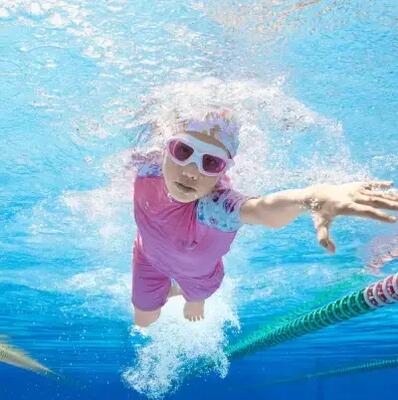
Athletes in a heavy training block
When sessions stack up, a simple rest-day routine helps keep easy days genuinely easy.
Training gets the attention, but rest days and quiet evenings are part of the plan too. These are the simple things we would keep at home so recovery time feels comfortable and easy to stick with.
Recovery basics for the evening and the days between sessions.
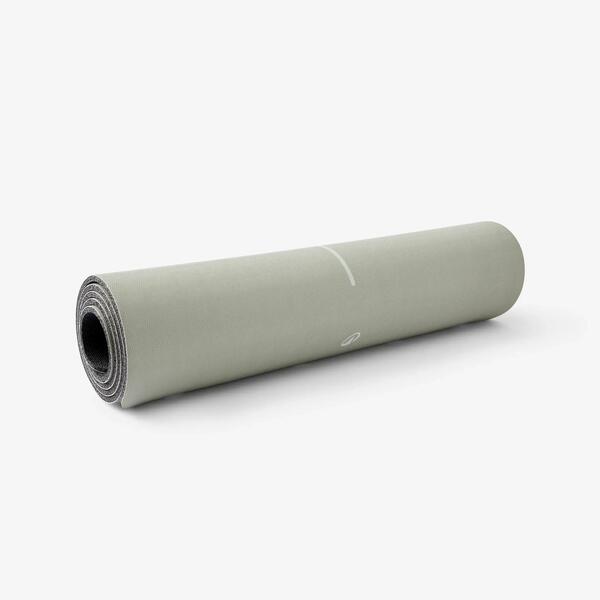
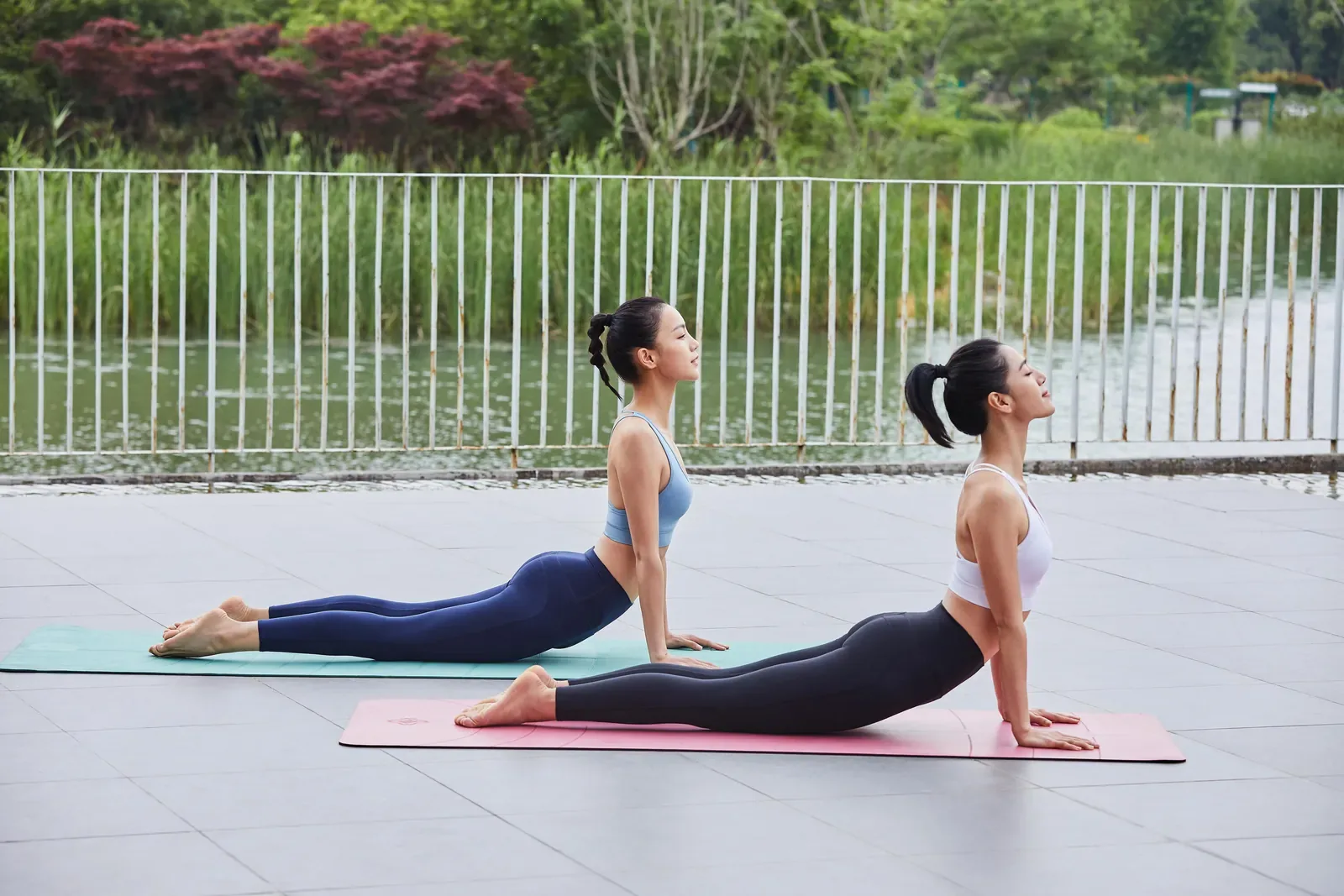
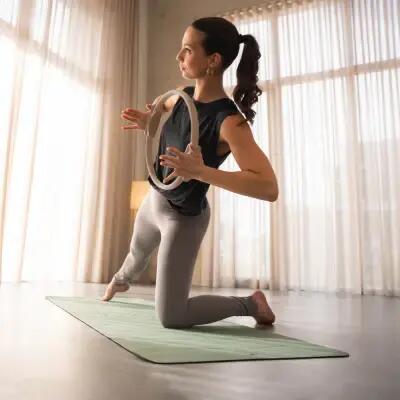
Yoga and fitness mats for floor stretches at home.
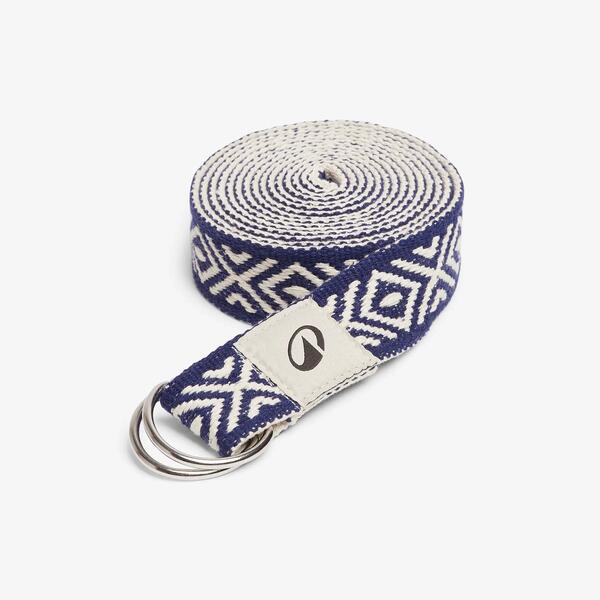
Yoga blocks and straps, plus some mat bags and bolsters.
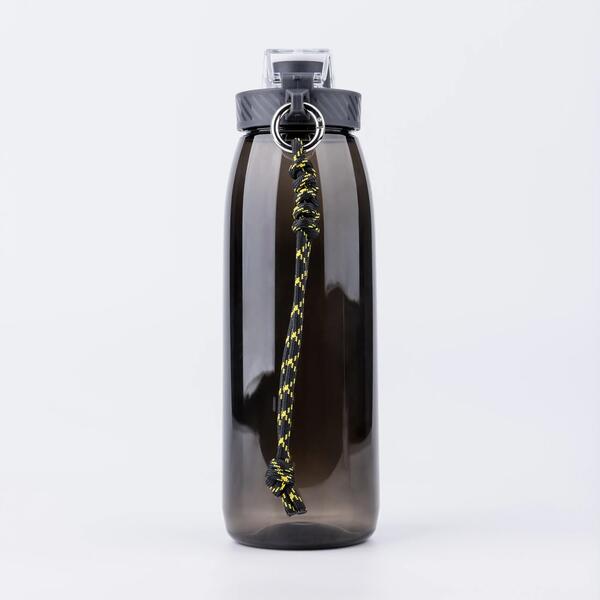
Reusable water bottles and insulated flasks to keep nearby.
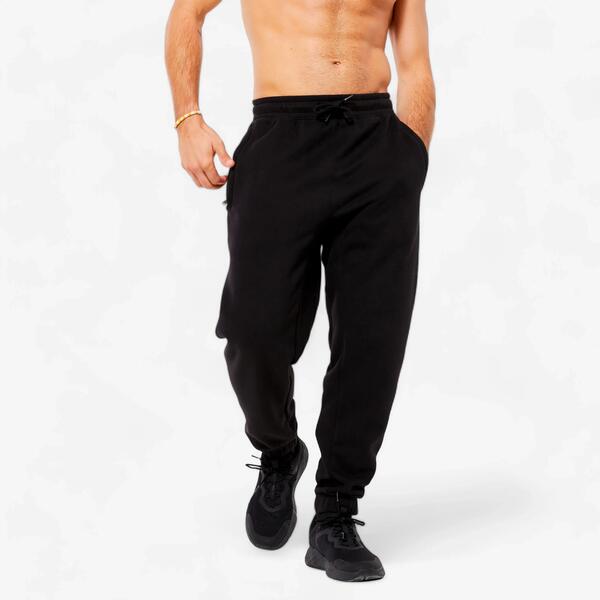
Comfortable joggers and training trousers for easy days.
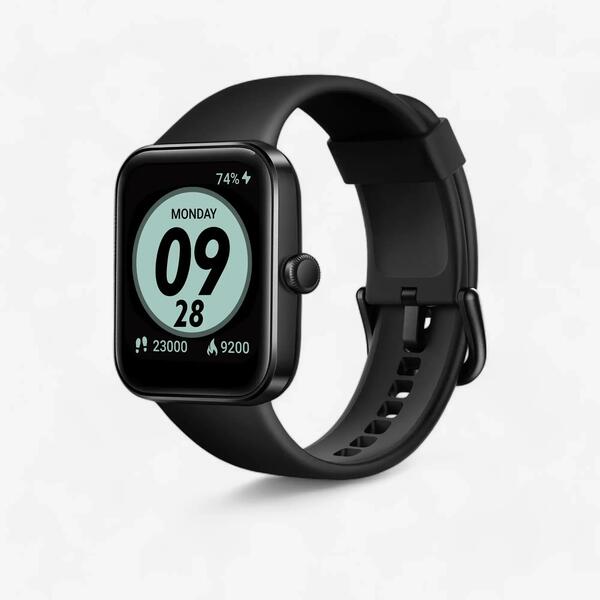
Fitness watches, activity trackers and heart rate monitors.
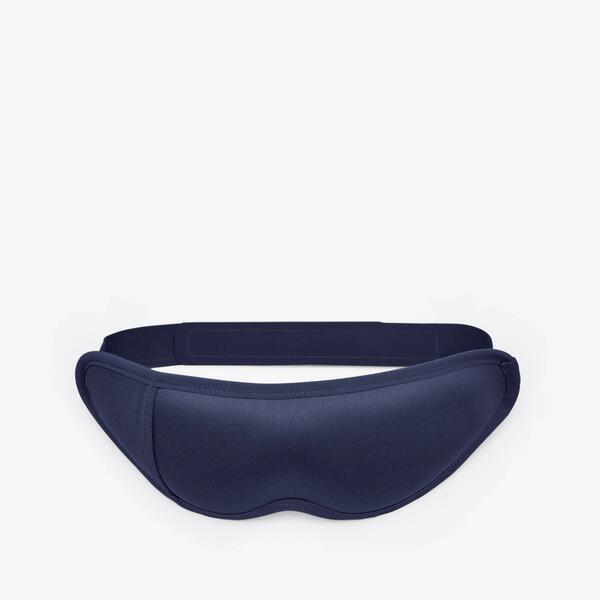
Travel pillows, camping pillows and a few sleep masks.
Pick a mat with enough cushioning for a hard floor and enough length to lie flat. A spot you can leave it rolled out makes an evening stretch far more likely to happen.
A bottle you like using is one you will refill. Keep it on your desk or bedside table so drinking through the day becomes a habit rather than a chore.
Soft, roomy joggers and a warm top make rest days feel like rest. Choose your usual size and look for stretch at the waist and knees.
Trackers can show trends in activity and heart rate across a training week. Treat the numbers as a prompt to check in with how you feel, not as a verdict.
When sessions stack up, a simple rest-day routine helps keep easy days genuinely easy.
A travel pillow, mask and bottle make early starts and long trips to events more comfortable.
Small, repeatable steps like an evening stretch and a full bottle are easier to keep than big changes.
| Item | Why it matters | Tip |
|---|---|---|
| Exercise mat | A comfortable base for evening stretches | Leave it where you will see it |
| Yoga strap | Helps you ease into stretches without forcing | Hold each stretch gently, never to pain |
| Water bottle | Makes drinking through the day easy | Refill it every time you pass the tap |
| Joggers | Comfortable wear for easy days | Look for a soft, stretchy waist |
| Activity tracker | Shows trends across your training week | Compare weeks, not single days |
| Travel pillow and eye mask | Make trips to events more comfortable | Pack them in your carry-on bag |
Rest days are for lower effort, not necessarily no movement. Many athletes like a walk, some gentle stretching or a short mobility session, plus regular meals and plenty of fluids. If your coach or training plan sets rest days for you, follow that.
No. A tracker can be a useful guide, showing trends in your activity and heart rate over a week, but it cannot tell you everything. How you feel, how your training sessions are going and your general energy all matter too. If you enjoy data, a tracker can help you spot patterns and plan easier days.
Gentle stretching is a popular way to wind down after a busy day, and many people find it helps them feel looser. Keep it slow and comfortable, hold each stretch without bouncing and stop if anything hurts. A strap or block can help you ease into positions rather than forcing them.
We would pack a refillable bottle, comfortable layers for after you compete, a travel pillow and eye mask for the journey, and a strap or small massage ball for a quick stretch in your room. Keep the essentials in your carry-on bag so they are easy to reach on the way.
It depends on your sport, training load and experience, so a coach is the best person to plan rest days with you. As a rule, easier days should feel easy. If you feel run down for a long time, struggle with your sleep or notice lingering pain, talk to your GP or a physio.
A few comfortable basics make rest days easier to enjoy. When you are ready for your next session, our full fitness range is here.
Free delivery on orders over $150. Members get our lifetime warranty.