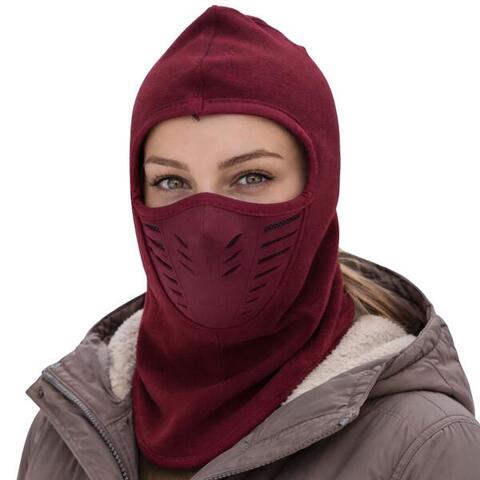
A ski mask puts a warm layer close to your face when dropping temperatures and cold air make exposed skin uncomfortable. Different fabrics and fits suit everyday winter wear and more active time outdoors alike, with some designs made to layer neatly beneath helmets and goggles. Pull one on when you want warmth that reaches beyond a hat or beanie.
Think about the temperatures you'll be wearing your ski mask in and how much insulation feels practical for your activity. Thicker fleece can hold more warmth around the face in colder conditions, while lighter designs may feel more comfortable when you're moving and generating heat. If you expect changing temperatures, an adaptable design can also make it easier to adjust how much of your face stays covered.
Fabric and Breathability
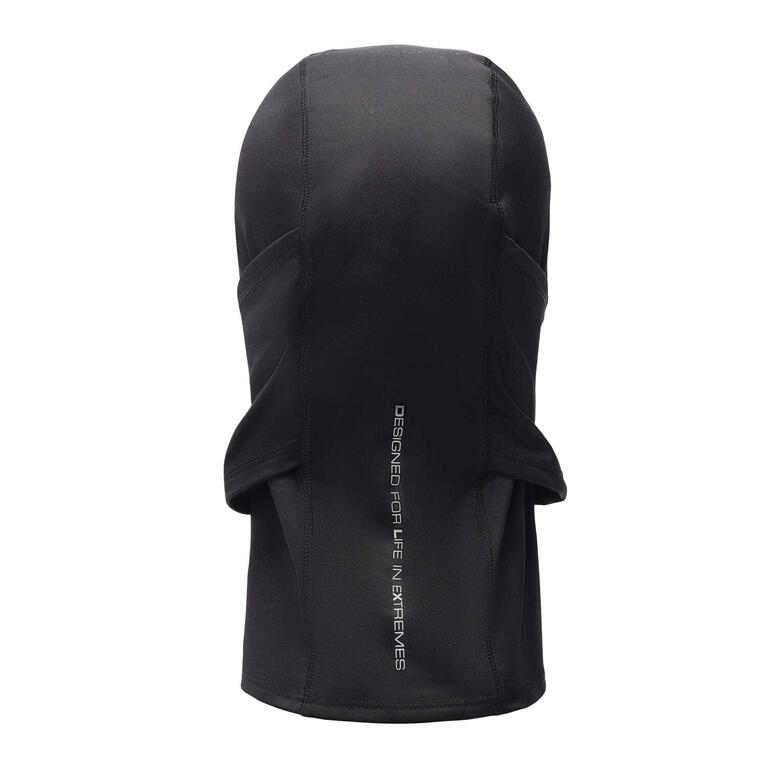
Because a ski mask sits directly against your face, the fabric affects more than warmth. Look for materials that feel comfortable against the skin and can manage moisture as heat builds around the mouth, nose and neck. Fleece offers soft insulation, while technical synthetic fabrics can provide a lighter feel and faster moisture management during active use.
Helmet and Goggle Compatibility
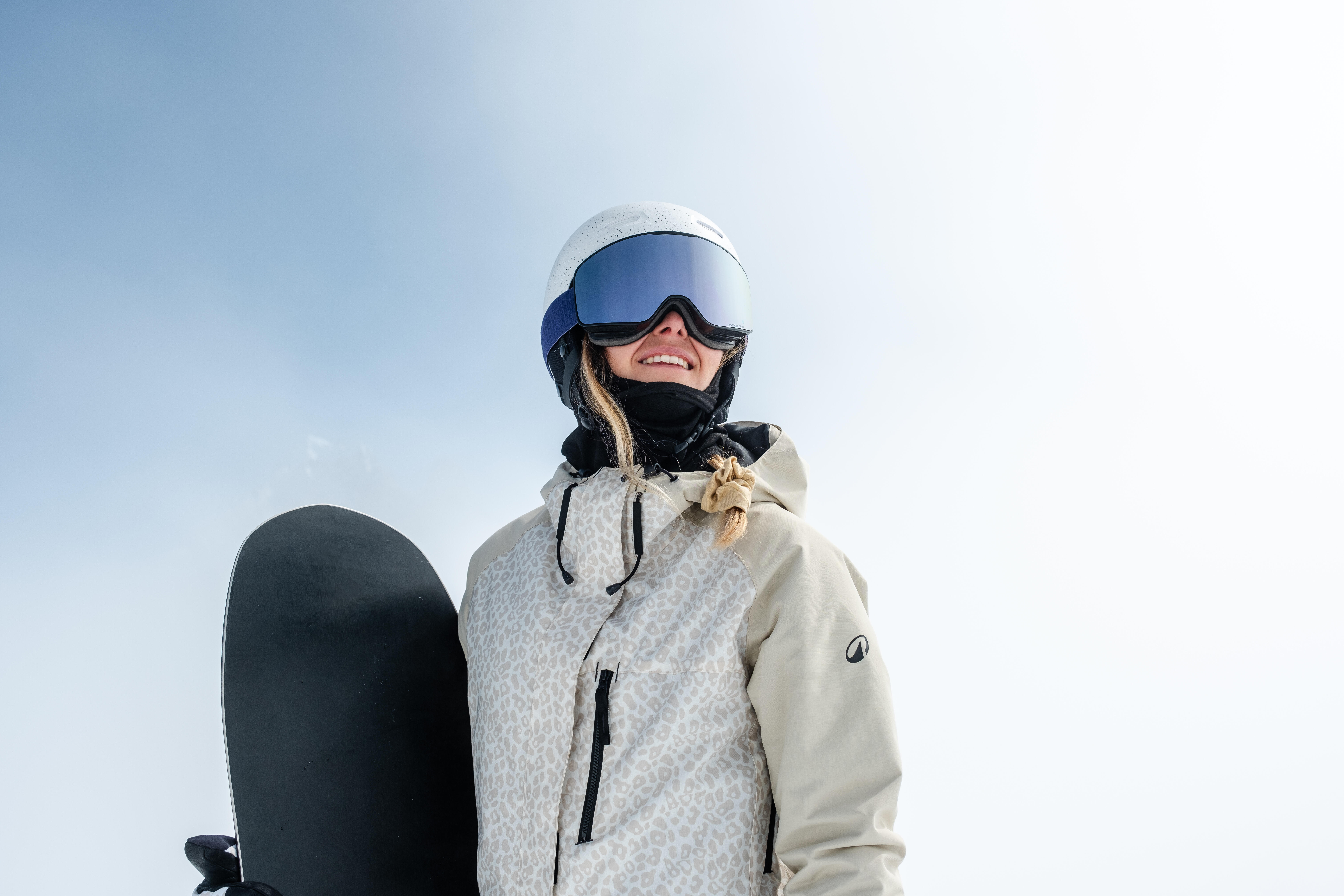
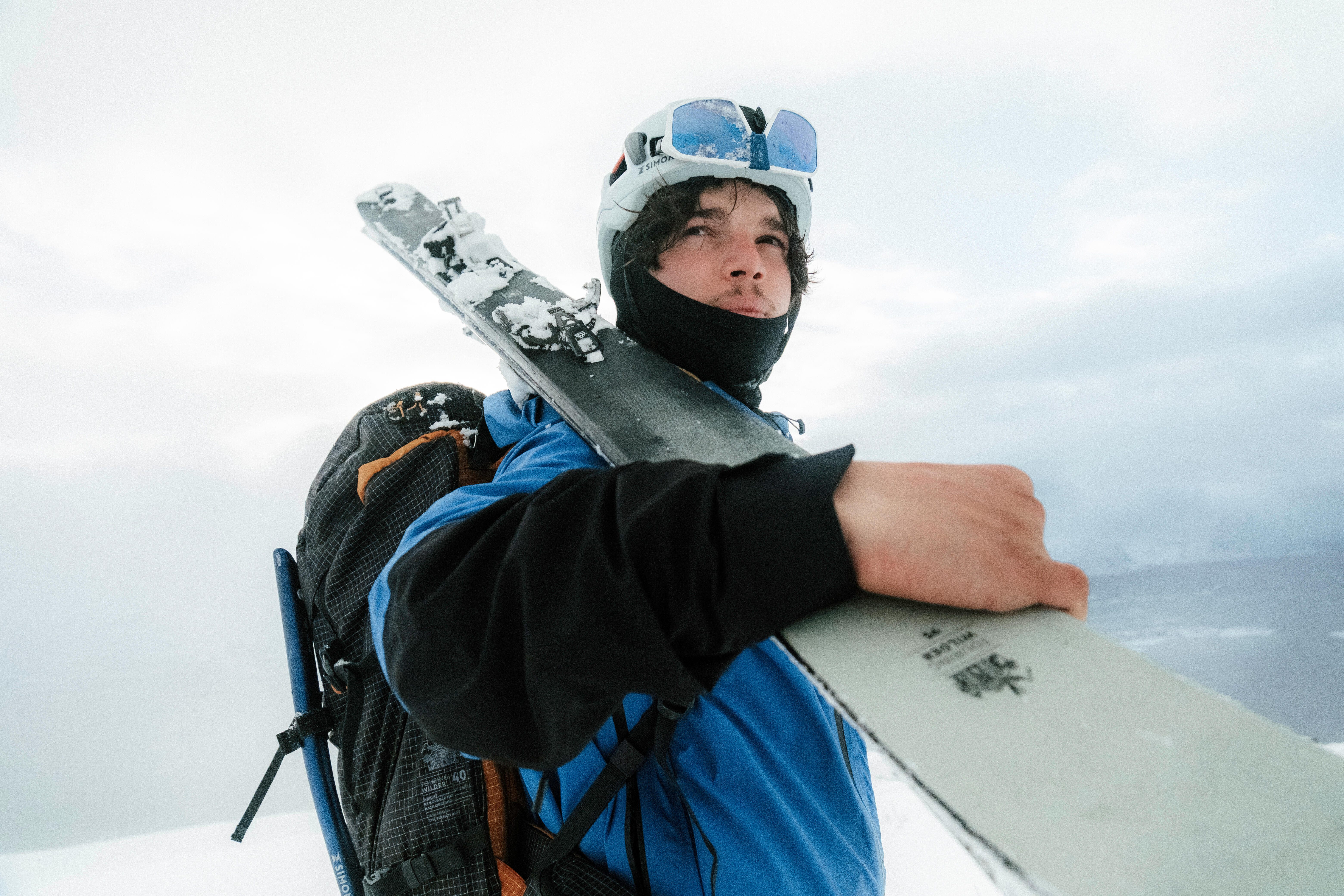
Check how your ski mask works with your helmet and goggles before you hit the slopes. Low-bulk fabric around the head can sit more comfortably beneath a helmet, while the face opening should meet your goggles without blocking their ventilation. A smooth setup helps avoid awkward gaps or bunching between layers.
Fit and Comfort
Pay attention to how the mask sits around your eyes, nose, mouth and chin. It should remain comfortably in place as you turn your head without slipping into your vision or feeling restrictive around the face. Stretchy constructions can create a closer fit, while adjustable openings give you more flexibility to change the amount of facial coverage.
Cold-weather wearers. You want extra warmth around your face when temperatures drop, on a day out or through longer periods in colder conditions. Look for comfortable fabric, a close fit and enough insulation for the weather ahead.
Active outdoor users. You need warmth without too much heat and moisture building up as you move. Breathable fabric and a secure, low-bulk fit can keep the mask comfortable during walking, training and other active time outdoors.
Skiers and snowboarders. You need a ski mask that works comfortably with the rest of your snow gear. Look for a low-profile fit beneath your helmet, good airflow around the mouth and nose, and an opening that sits naturally with your goggles.
How To Care for Your Ski Mask
Let your ski mask air out fully after use, particularly around the mouth and nose where moisture can collect. Follow the care label when washing, as fleece, stretch fabrics and wind-resistant panels may need different treatment. Avoid excessive heat when drying, which can affect the shape and elasticity, and wait until the mask is completely dry before packing it away.
Ski masks by type
Type
Best for
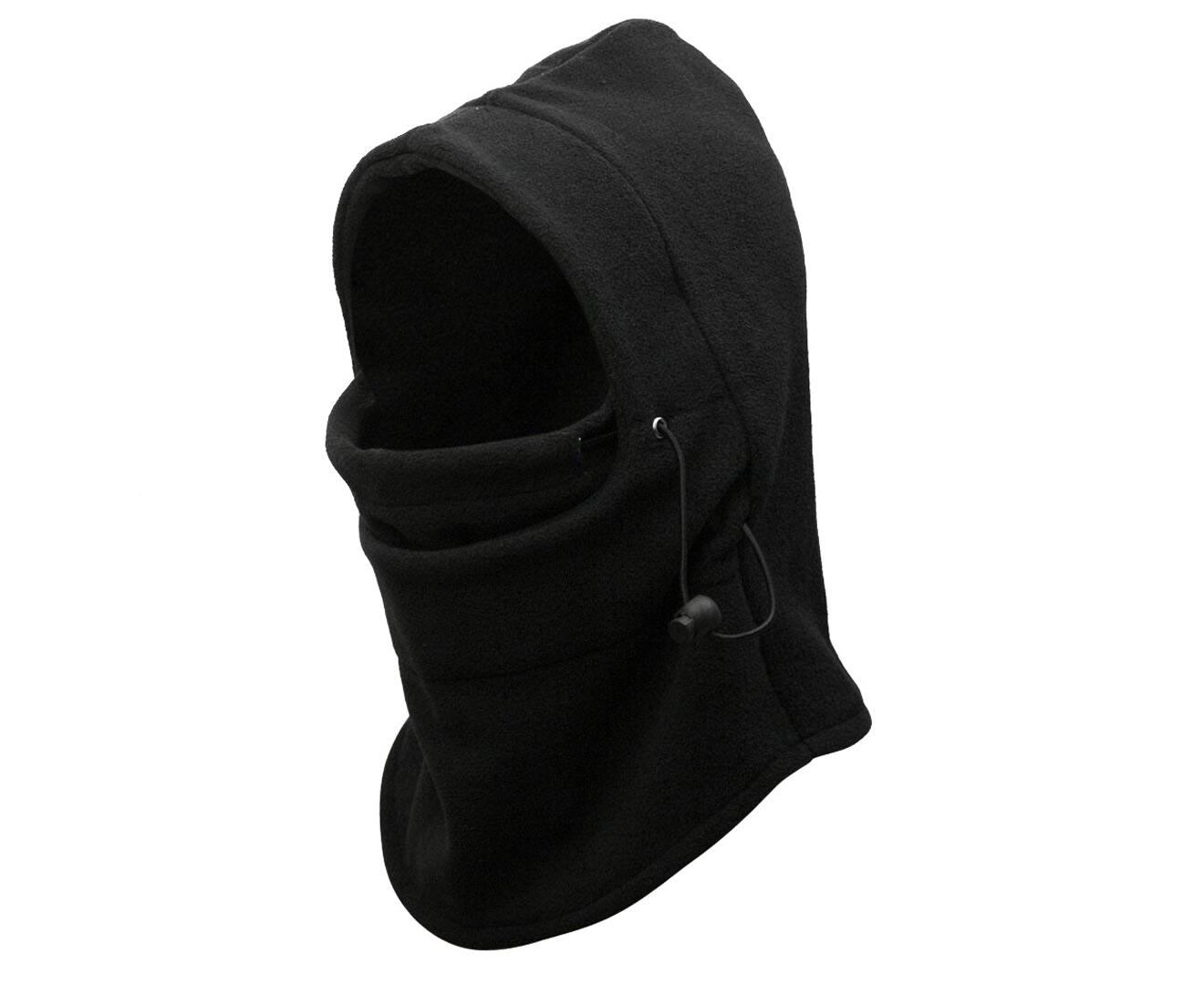
Fleece ski masks
Colder days when soft insulation around the face is the priority.
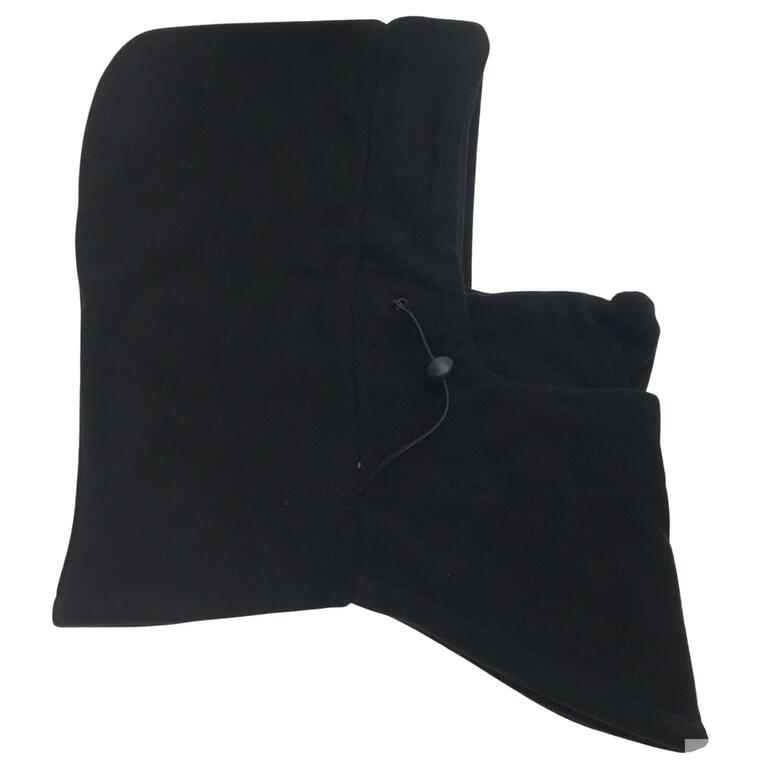
Active outdoor use where lower bulk and breathability matter.
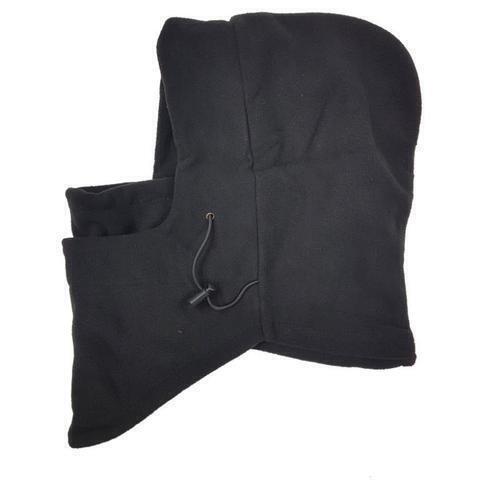
Lightweight ski masks
Changing how much of the face is covered as conditions or activity change.
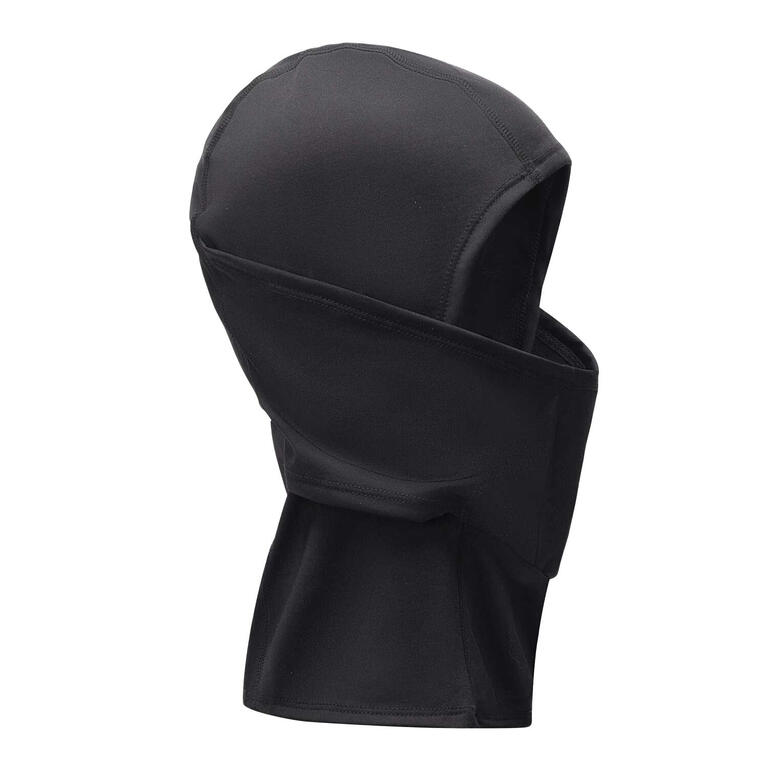
Adjustable ski masks
Wearing beneath snow helmets and goggles without unnecessary bulk.
The terms can overlap, and many products provide similar coverage around the head, face and neck. A ski mask is often associated with cold-weather facial coverage, particularly for snow sports, while balaclava is a broader term used across many outdoor activities. Check the individual product's fit, fabric and coverage to see what suits you.
How should a ski mask fit?
A ski mask should sit close to your head and face without feeling restrictive or shifting as you move. Make sure the eye opening stays clear of your vision and that the fabric around your nose and mouth doesn't make breathing uncomfortable.
Can I wear a ski mask under a ski or snowboard helmet?
How can I reduce goggle fogging while wearing a ski mask?
Can I wear a ski mask for activities other than skiing?
Yes, provided it sits smoothly underneath without affecting the helmet's fit. A close-fitting, low-bulk mask is generally easier to layer, but always check that your helmet remains secure and correctly positioned once the mask is on.
Try to prevent warm breath from being directed upwards towards the lenses and make sure the mask isn't blocking your goggles' ventilation. Adjusting how your mask, goggles and helmet sit together can help improve airflow and reduce moisture around the lenses.
Yes. Despite the name, a ski mask isn't limited to the slopes. Depending on its warmth, fit and coverage, it can also be useful for other cold-weather activities where your face, head and neck need additional protection.
Comfort You Can Count on in the Cold
A ski mask spends its time directly against your skin, so the small details can make the biggest difference over a long winter day. Comfortable fabric, a secure fit and enough warmth for the conditions can turn it into an easy layer to reach for whenever the temperature drops. Get those basics right and the mask can simply stay in place while you get on with what's outside.
 All SportsMenWomenKidsAccessoriesEquipment and LeisureHealth & NutritionBest DealsNew ArrivalsMarketplace

 Hiking & Trekking
 Swimming
 Cycling
 Fitness (Yoga/Pilates)
 Camping
 Running
