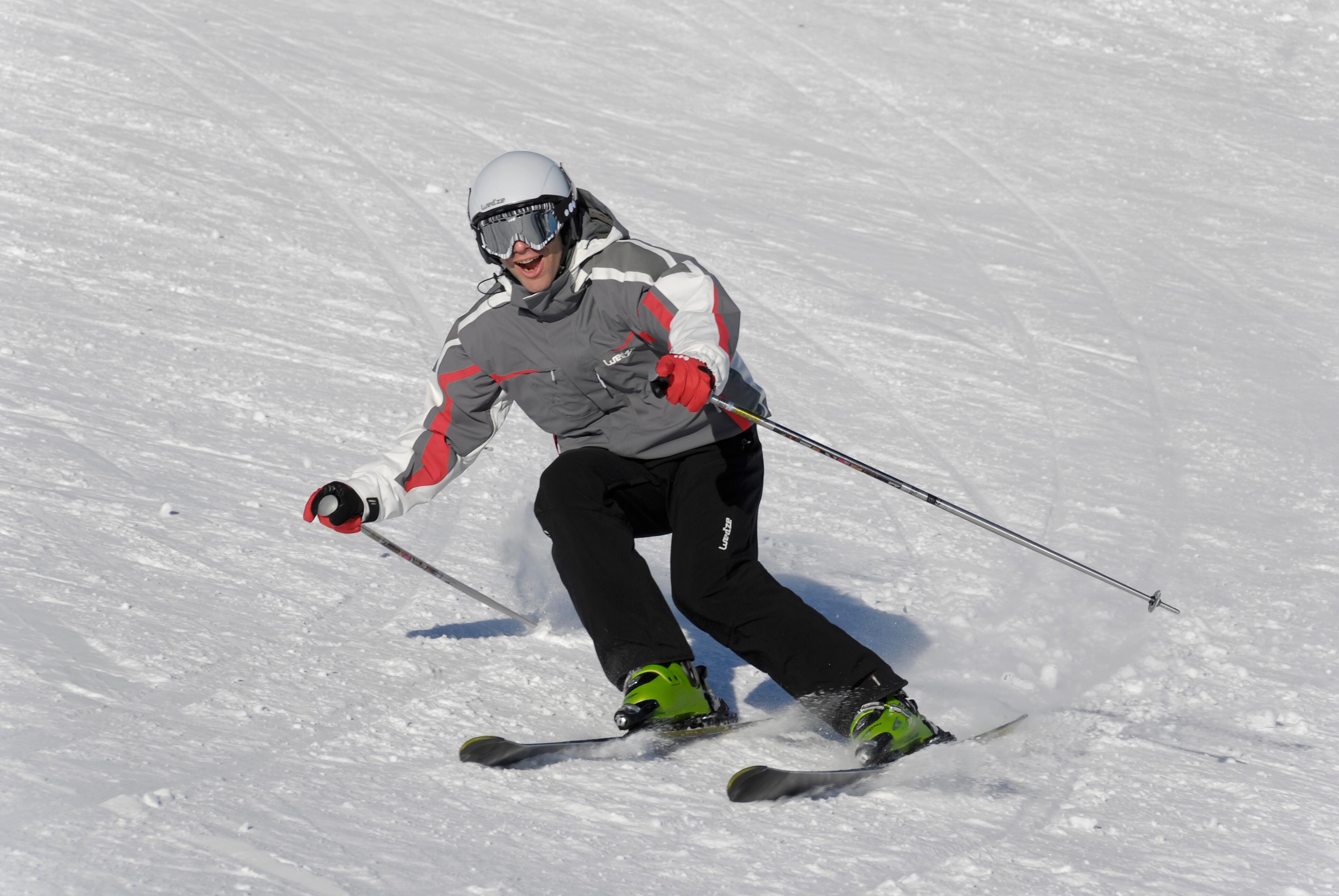
A day on the slopes means hours of cold air, snow and changing mountain conditions. Ski gloves give your hands the coverage they need while you carry equipment, ride the lifts and make your way back down. From learning your first turns to spending the whole day skiing, they're an essential layer whenever you head for the snow.
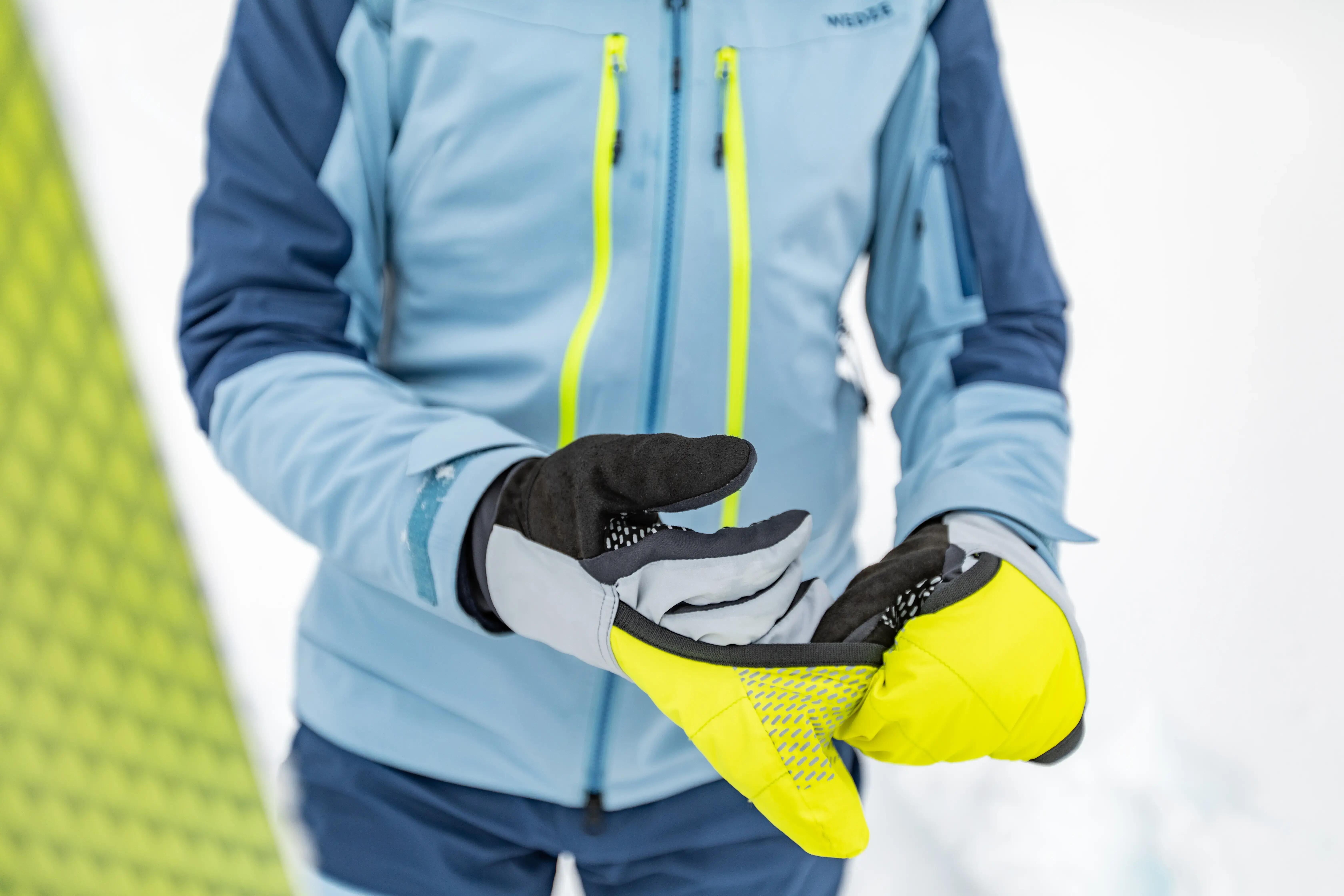
Choose the level of insulation based on the temperatures and conditions you expect on the slopes. Lighter insulation can feel less bulky and suit milder days, while thicker insulation provides more warmth for colder conditions or longer sessions outdoors. If your hands tend to get cold easily, prioritise warmth while making sure you can still move your fingers comfortably and handle your ski equipment.
Waterproofing
Ski gloves regularly come into contact with snow, so keeping moisture out is important for staying comfortable throughout the day. Look for waterproof materials or a waterproof membrane, particularly if you expect wet snow, frequent falls or changing conditions. A secure cuff can also help keep snow from getting inside the glove when you're skiing or getting back up after a fall.
Dexterity and Fit
Ski gloves should fit securely while still allowing enough finger movement to grip poles, adjust zips and handle other gear. A closer, less bulky fit can make smaller movements easier, while heavily insulated gloves may feel thicker around the fingers. Look for a balance of warmth and dexterity that suits the conditions you ski in and the equipment you need to handle.
Durability
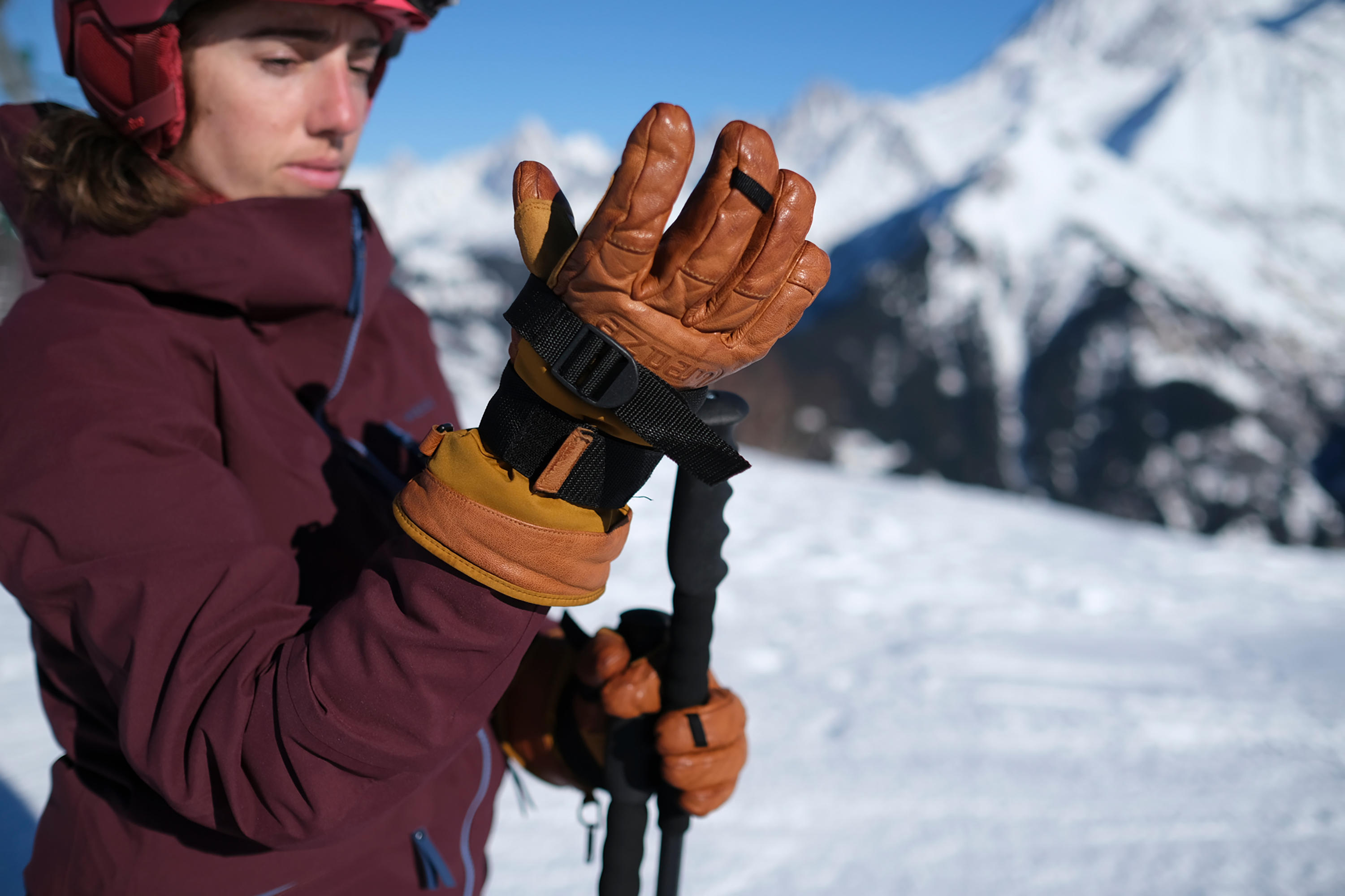
Falls, ski poles and repeated use can put plenty of wear on gloves over a season. Reinforced palms, fingertips and other high-contact areas can help them handle regular use, particularly for beginners or anyone skiing frequently. Check the overall construction as well as the outer material if you want a pair that can hold up across multiple trips.
Beginner skiers. You're learning the basics and may spend more time in contact with the snow as you find your balance. Warm, waterproof gloves with a secure cuff help keep your hands comfortable and dry throughout the day.
Regular recreational skiers. You spend full days on the slopes and need gloves that balance warmth, weather protection and durability. Look for good insulation, waterproofing and reinforced high-wear areas that can handle repeated use.
Experienced skiers. You want more precise control when handling poles, zips and other equipment on the mountain. A closer, flexible fit with good dexterity can provide the responsiveness you need while still offering enough warmth and protection for the conditions.
Caring for Your Ski Gloves
Let ski gloves dry thoroughly after every day on the slopes, paying attention to the lining, fingertips and cuffs where moisture can linger. Keep them away from radiators and other direct heat sources that may damage insulation, waterproof membranes or outer materials. Brush away surface dirt and follow the specific care instructions before washing. Store them only once both the inside and outside are completely dry.
Ski gloves by type
Type
Best for
Insulated ski gloves
Everyday skiing where warmth and snow protection are priorities.
Wet, snowy conditions where keeping moisture out matters most.
Waterproof ski gloves
Regular skiing where durability, flexibility and grip are important.
Leather ski gloves
Very cold conditions where warmth matters more than finger dexterity.
Ski gloves should fit securely without squeezing your hands or restricting finger movement. You want enough room to move your fingers comfortably without excess space that makes gripping poles difficult. Check the product size guide and, where measurements are provided, use your hand measurements rather than relying on your usual glove size.
Do ski gloves need to be waterproof?
Waterproofing is important when you're spending extended time around snow, particularly if you're a beginner or expect plenty of contact with the ground. Wet gloves can quickly become cold and uncomfortable, so look for the level of waterproof protection that suits the conditions you normally ski in.
Are ski gloves or mittens warmer?
Are leather or synthetic ski gloves better?
Can I use regular winter gloves for skiing?
Mittens generally provide more warmth because your fingers share heat inside the same compartment. Gloves offer greater finger movement and dexterity, which makes handling poles, zips and other gear easier. Choose based on what matters most to you: maximum warmth, or more precise hand movement.
Both have advantages. Leather can provide good durability, flexibility and grip, whilst synthetic materials are widely used for their lightweight construction and weather protection. Insulation and waterproofing vary between individual gloves, so check the complete construction rather than choosing based on the outer material alone.
You can for occasional snow activities, but general winter gloves may not provide the waterproofing, grip or durability needed for a full day on the slopes. Ski-specific gloves are designed for prolonged exposure to snow and for handling poles and other equipment, making them the more practical option for regular skiing.
Keep Your Hands Ready for the Slopes
Cold hands can turn a good day on the mountain into a short one. Ski gloves help keep warmth in and snow out whilst still giving you the movement needed to handle poles, zips and other gear. Match the protection to the conditions you expect on the mountain so your hands can stay comfortable from the first run to the last.
 All SportsMenWomenKidsAccessoriesEquipment and LeisureHealth & NutritionBest DealsNew ArrivalsMarketplace
 Hiking & Trekking
 Swimming
 Cycling
 Fitness (Yoga/Pilates)
 Camping
 Running