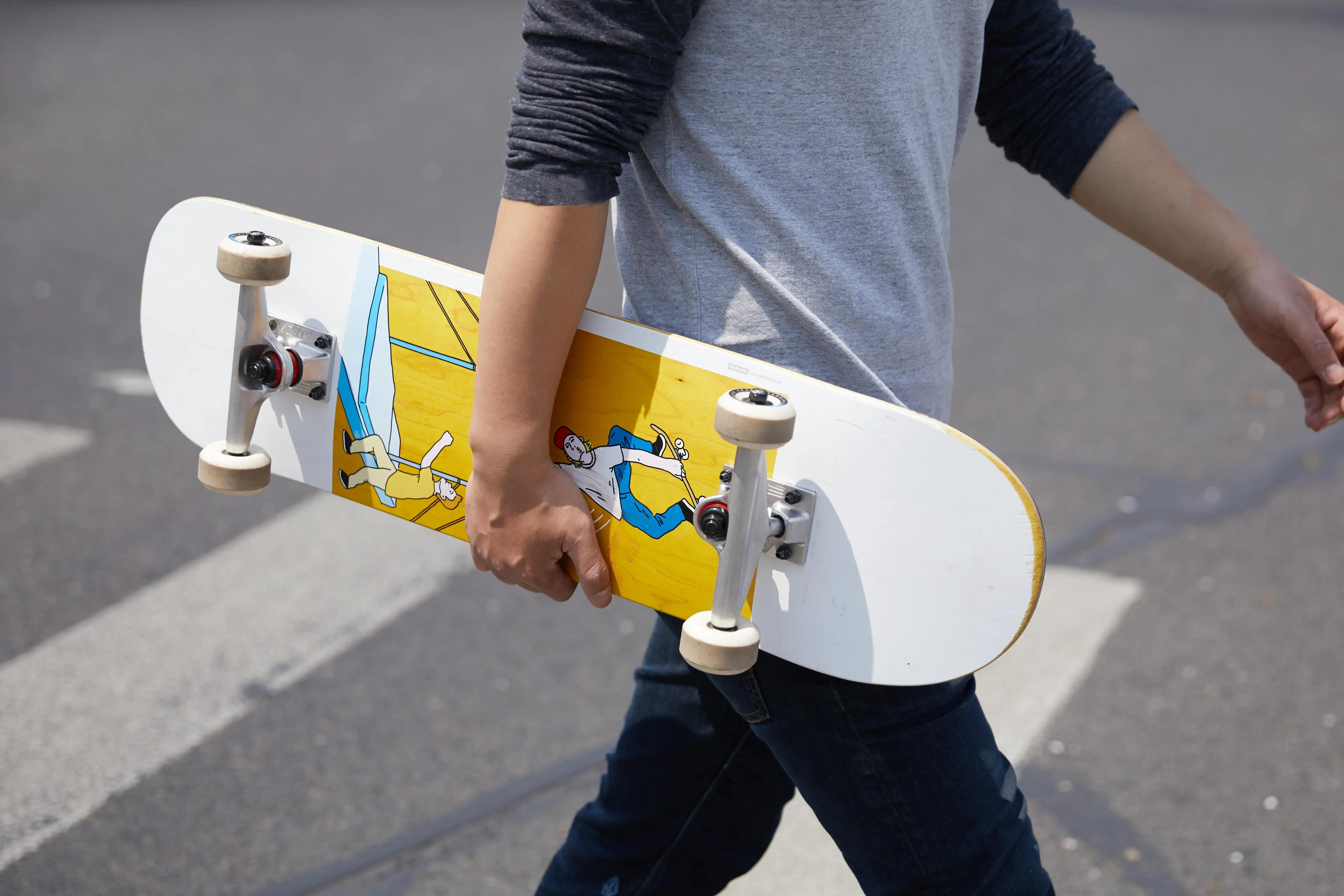
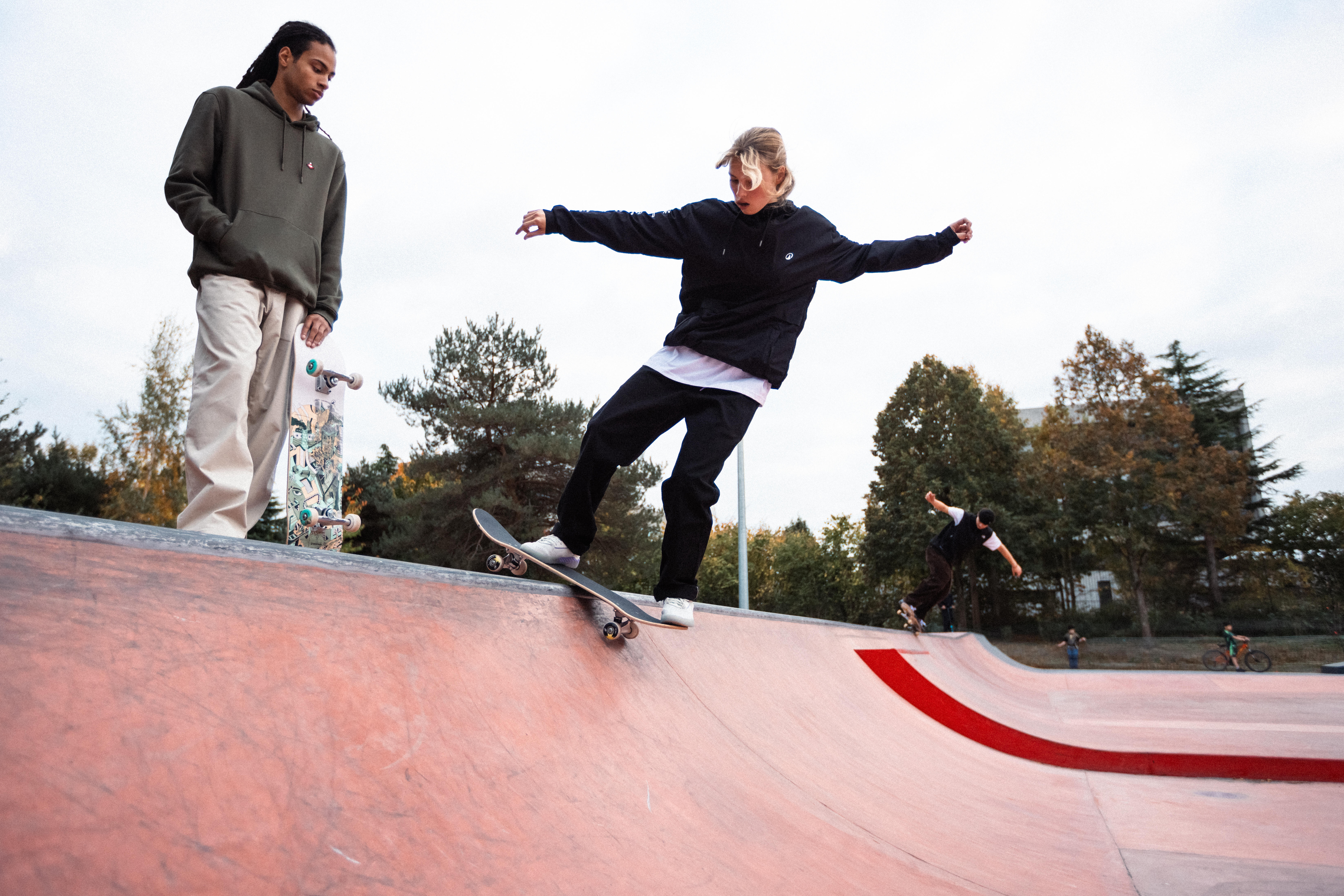
From learning your first tricks to cruising around the neighbourhood or spending weekends at the skate park, skateboards offer a fun and versatile way to ride. Different boards are built for different riding styles. Understanding what sets them apart makes it easier to choose a skateboard that feels comfortable, performs well and matches the way you ride.
Your riding style should guide every other decision. Street skateboards are designed for tricks, skate parks and technical riding, while cruiser-style boards prioritise smooth, stable riding for getting around. Choosing a skateboard that matches how you plan to ride will make learning easier and help you enjoy every session.
Deck Size
Deck size affects both comfort and control. Smaller decks are lighter and easier to manoeuvre for tricks, while wider decks provide greater stability for cruising and beginners. If you're unsure where to start, a mid-sized deck offers a versatile balance of stability and control as your skills develop.
Complete or Deck Only
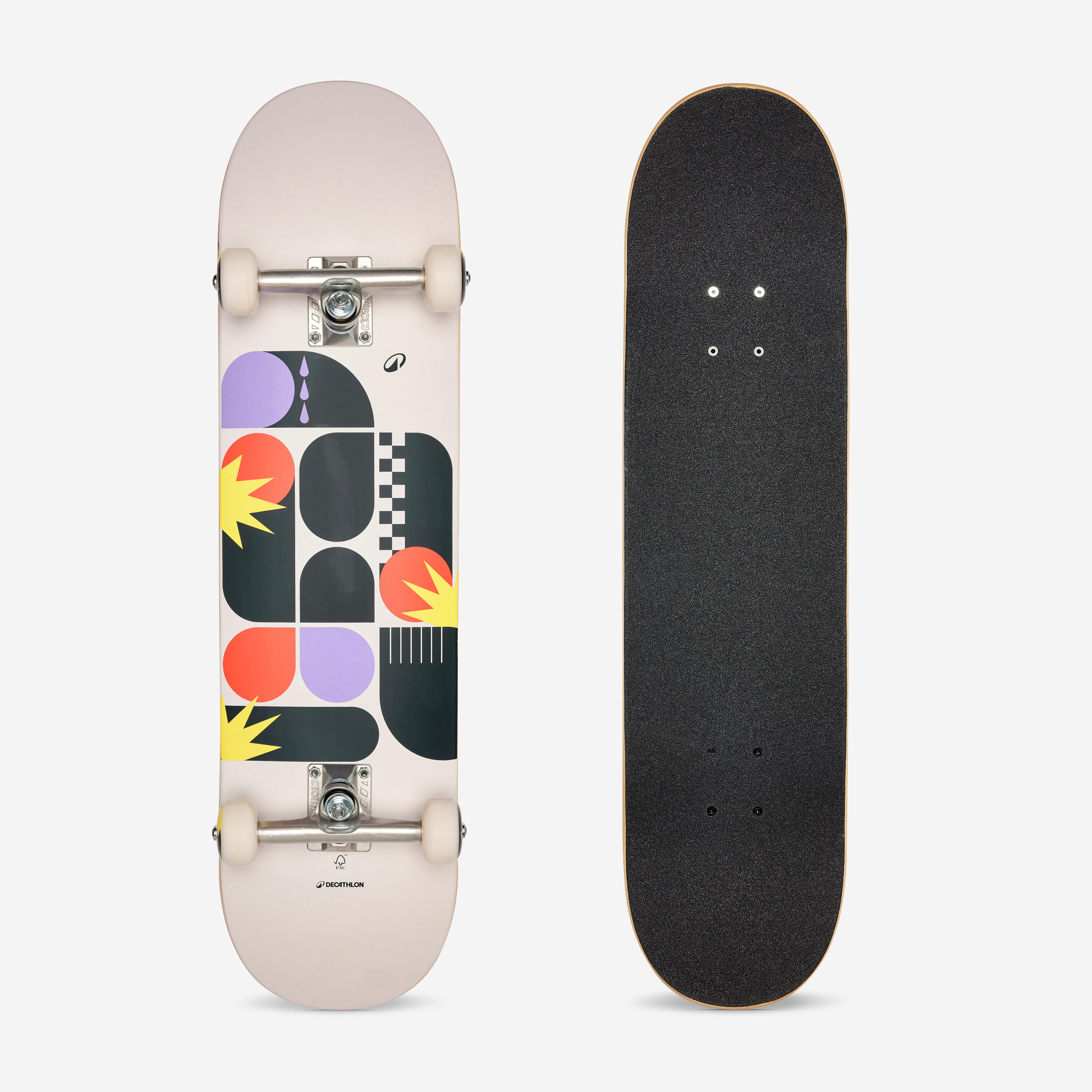
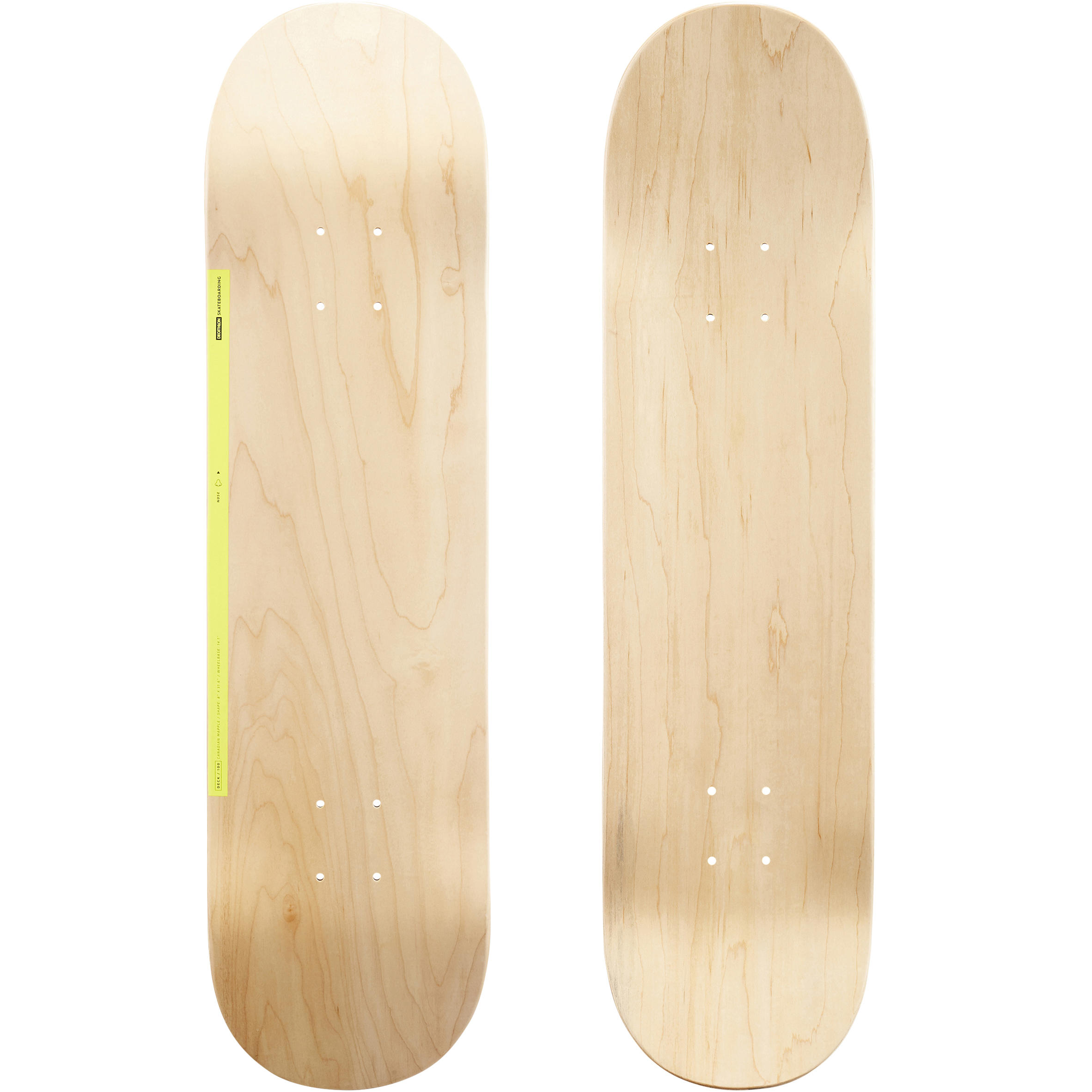
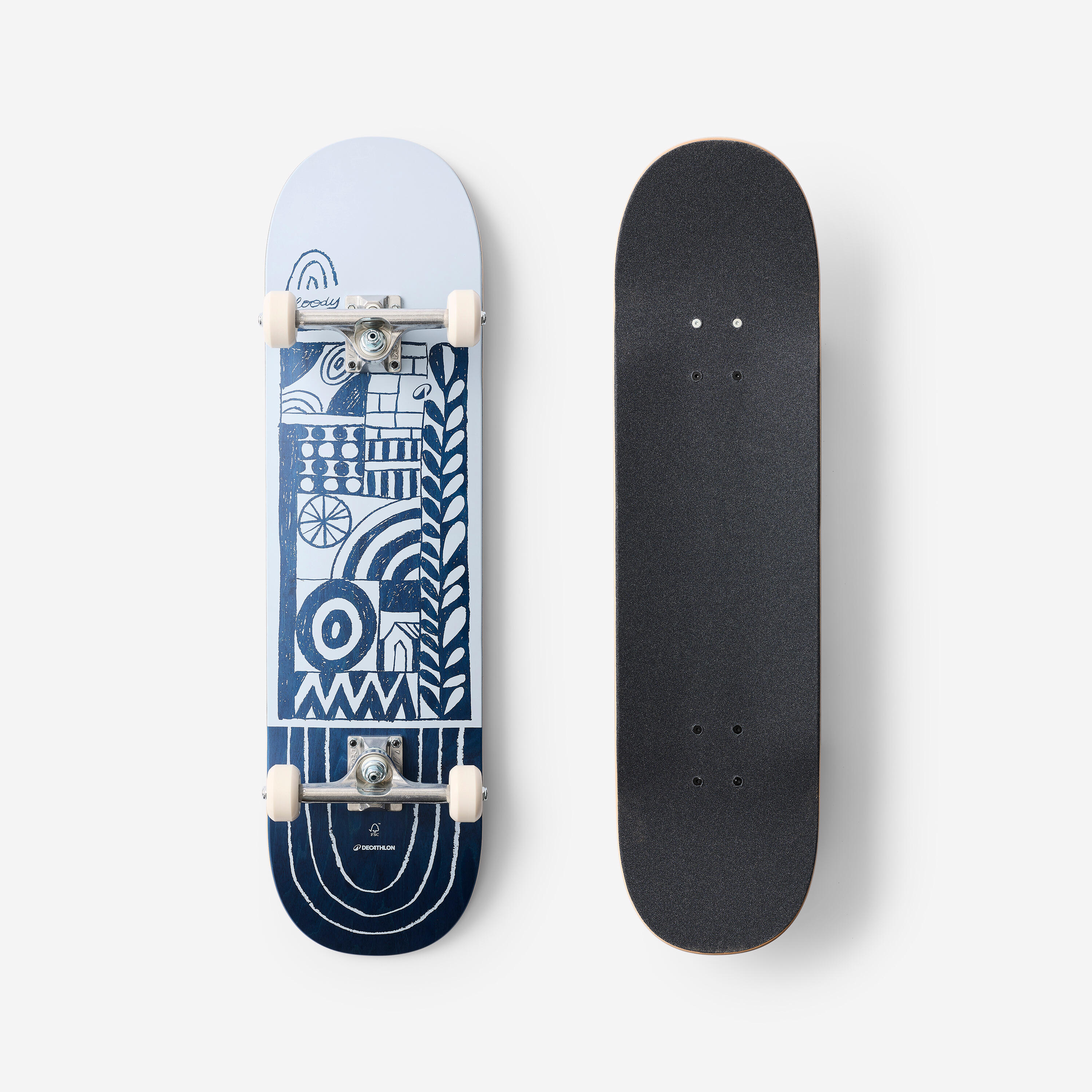
A complete skateboard comes fully assembled with trucks, wheels and bearings, making it the easiest choice for beginners and anyone ready to ride straight away. A deck-only option is better suited to experienced riders replacing a worn deck while keeping their existing components. If you're buying your first skateboard, a complete setup removes the guesswork and gets you riding sooner.
Wheels
The wheels influence grip, comfort and how the skateboard performs on different surfaces. Softer wheels provide a smoother ride and better traction on rough ground, while harder wheels roll faster and perform best on smooth surfaces and skate parks. Think about where you'll spend most of your time riding to choose wheels that suit your needs.
Beginners learning tricks. You're new to skateboarding and want to learn ollies, kickflips and basic street tricks. You need a forgiving setup that responds to your input while you develop muscle memory.
Regular street skaters. You skate street and park weekly and land tricks consistently. You need responsive geometry and durable construction that handles repeated impact.
Advanced trick riders. You ride regularly and push yourself to master more technical tricks. You need lightweight construction, precision geometry and quality components that stay reliable under punishment.
Caring for your skateboard
Replace grip tape when it becomes glossy or torn, as worn grip tape is a safety issue during tricks. Inspect and replace wheels before they develop flat spots that make rides rough. Check bearing smoothness regularly and replace bearings if wheels slow or feel gritty. Wipe down after sessions to prevent moisture from causing rust on bearings or hardware. Store in cool, dry conditions away from heat that can soften the deck.
Skateboards by type
Type
Best for
Complete skateboards
Beginners and casual riders who want a ready-to-ride skateboard with all components already assembled.
Technical tricks, street skating and skate park sessions with responsive handling.
Street skateboards
Smooth, comfortable rides for commuting, neighbourhood cruising and everyday travel.
Cruiser skateboards
Longer rides, carving and downhill cruising with added stability and comfort.
Start by considering where you'll be riding and your level of experience. Different skateboards are designed for street skating, skate parks, cruising or learning the basics, so choosing one that matches your riding style will help you get the most out of every session.
Which skateboard is best for beginners?
Complete skateboards are a great choice for beginners because they come fully assembled and are ready to ride. They help new riders get comfortable while learning the basics, without needing to choose individual components.
Does skateboard size make a difference?
What's the difference between a skateboard and a cruiser skateboard?
Can adults learn to skateboard?
Yes. The width and length of a skateboard affect its stability, control and responsiveness. Choosing a size that suits your height, shoe size and riding style can make skating more comfortable and easier to control.
Traditional skateboards are designed for street skating, tricks and skate parks, while cruiser skateboards prioritise comfort and smooth riding for commuting and casual trips. The right choice depends on where and how you plan to ride.
Absolutely. Skateboarding is suitable for all ages and experience levels. Choosing a skateboard that matches your skill level and practising in a safe, open area helps you improve over time.
Take Your Riding Further
Every skateboard offers a different riding experience, from mastering your first push to landing new tricks. The right board supports your progress every time you ride. Explore the range and find a skateboard that matches where you are today and where you want to go next.
 All SportsMenWomenKidsAccessoriesEquipment and LeisureHealth & NutritionBest DealsNew ArrivalsMarketplace

 Hiking & Trekking
 Swimming
 Cycling
 Fitness (Yoga/Pilates)
 Camping
 Running