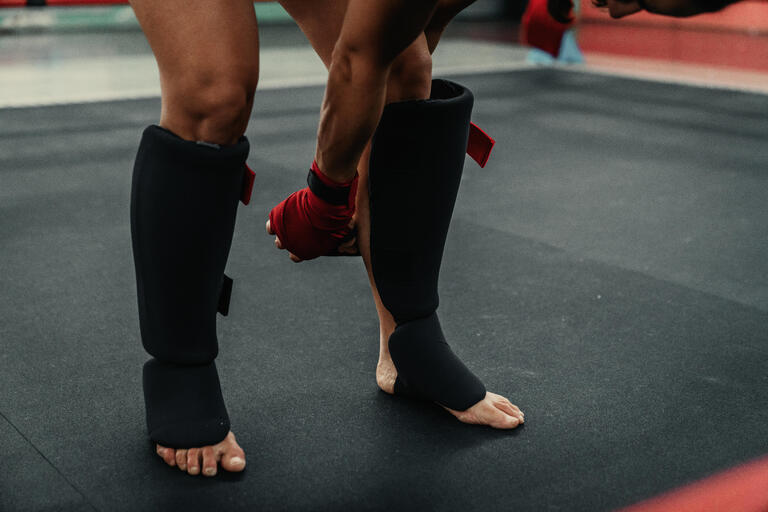
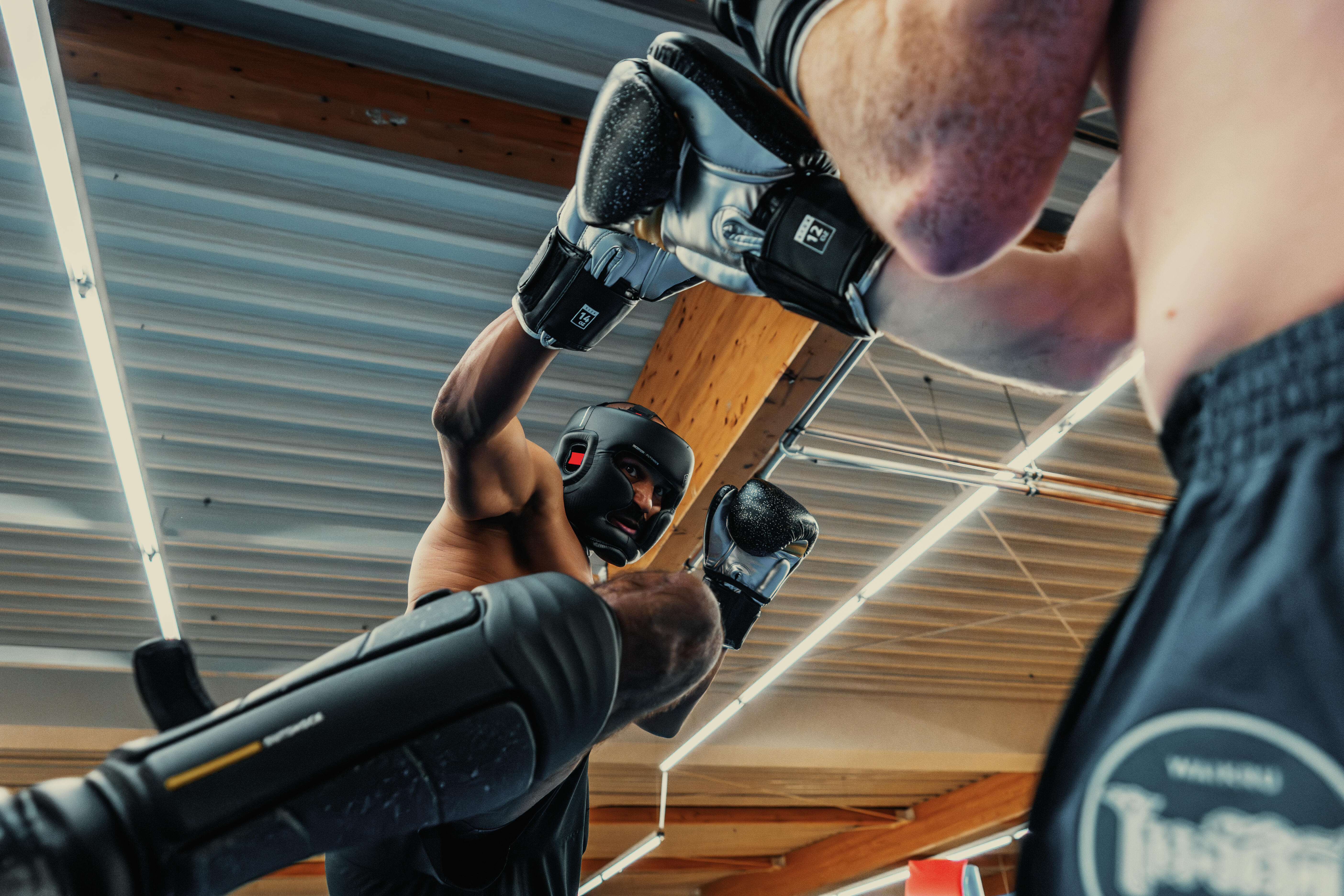
Kicks and checks put the lower legs directly into the action during Muay Thai, kickboxing and other striking disciplines. Shin guards add protective coverage around the shins, helping cushion repeated contact through drills, partner work and sparring. They let you stay focused on movement and technique as training becomes more physical.
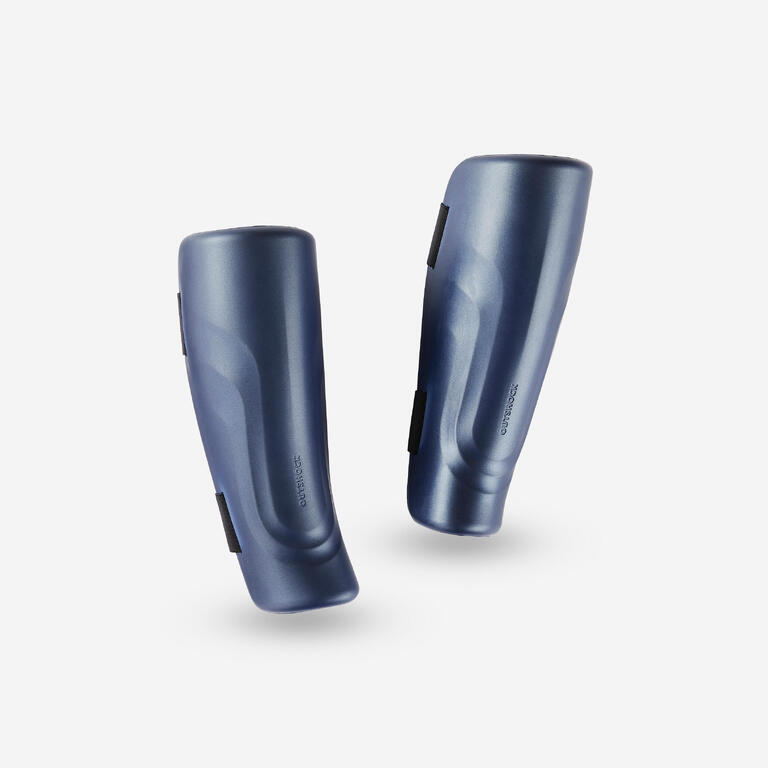
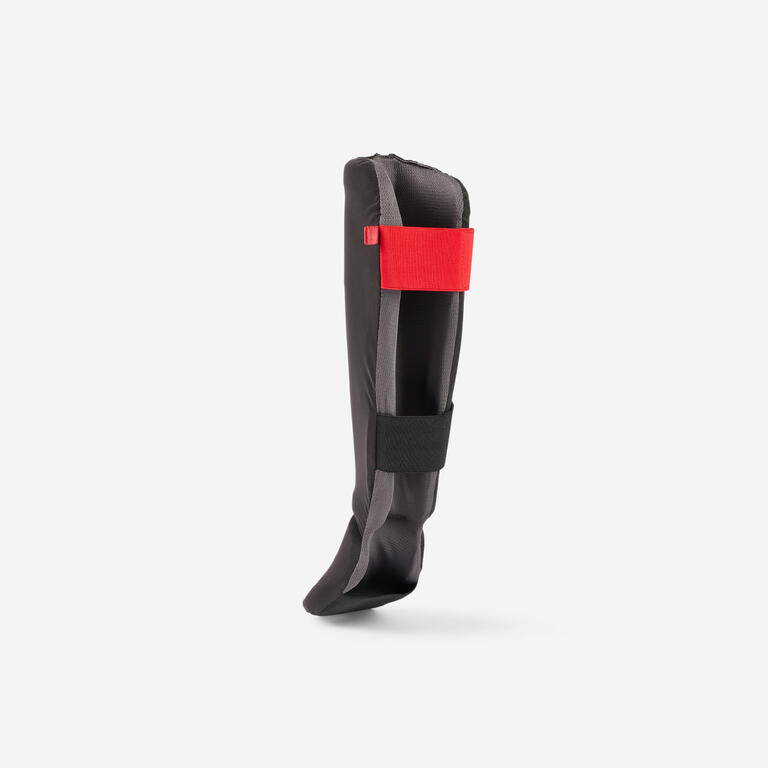
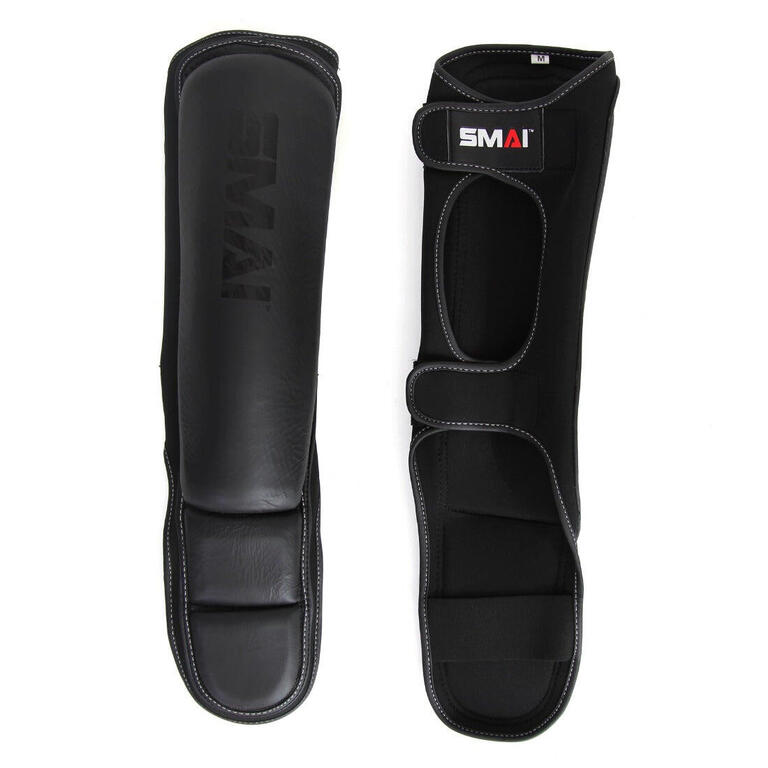
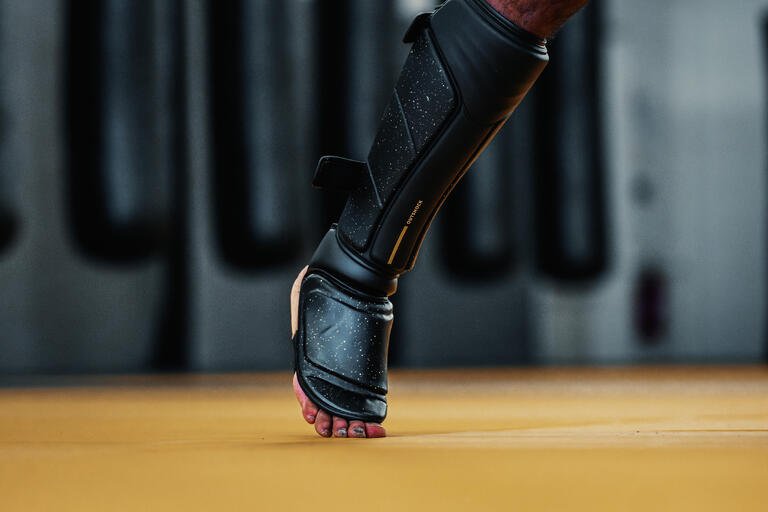
Shin guards vary in how much of the lower leg they protect, so start by checking where the padding extends. Some designs focus mainly on the shin, while others continue over the ankle and top of the foot for broader coverage. More extensive protection can suit higher-contact training, while streamlined designs may feel less bulky for lighter sessions. Choose coverage that matches the type and level of contact in your training.
Fit and Security
Shin guards should stay securely positioned as you kick, check and move around your training partner. Look for adjustable straps, elastic sections or sleeve-style designs that hold the protective padding against the shin without excessive movement. A close, secure fit helps prevent the guard from rotating or sliding away from the areas it's meant to cover.
Material and Breathability
Materials affect how shin guards feel against the leg and how comfortable they remain as training heats up. Look for durable outer materials that can handle repeated contact, along with breathable linings, mesh panels or ventilation where available to help manage heat and moisture. This becomes particularly useful during longer or more intense sessions.
Padding
The amount and density of padding affect how much cushioning a shin guard provides against repeated contact. More substantial padding can suit harder sparring and higher-impact training, while lighter designs can offer greater freedom of movement for drills and technique work. Look for padding that protects the main impact areas without adding unnecessary bulk.
Technique-focused beginners. You're learning kicks, checks and combinations and want protection that's easy to move in. Lightweight, easy-to-secure shin guards can keep you comfortable while building technique.
Regular kickboxing and Muay Thai trainers. Kicks and checks are a regular part of your sessions, so your guards need to stay securely positioned. Look for dependable padding, secure adjustment and coverage for repeated contact.
Full-contact and sparring athletes. You train with harder kicks, checks and regular contact where protection matters more. More substantial padding and broader coverage can suit these demanding sessions.
Keeping Your Shin Guards Fresh
Wipe down the inner and outer surfaces of your shin guards after training to remove sweat and surface dirt. Let them air dry completely before putting them back into your training bag, particularly after longer or sweatier sessions. Follow the product's care instructions whenever deeper cleaning is needed. Check the straps, closures, stitching and padding regularly for wear so the guards continue to fit securely during training.
Shin guards by type
Type
Best for
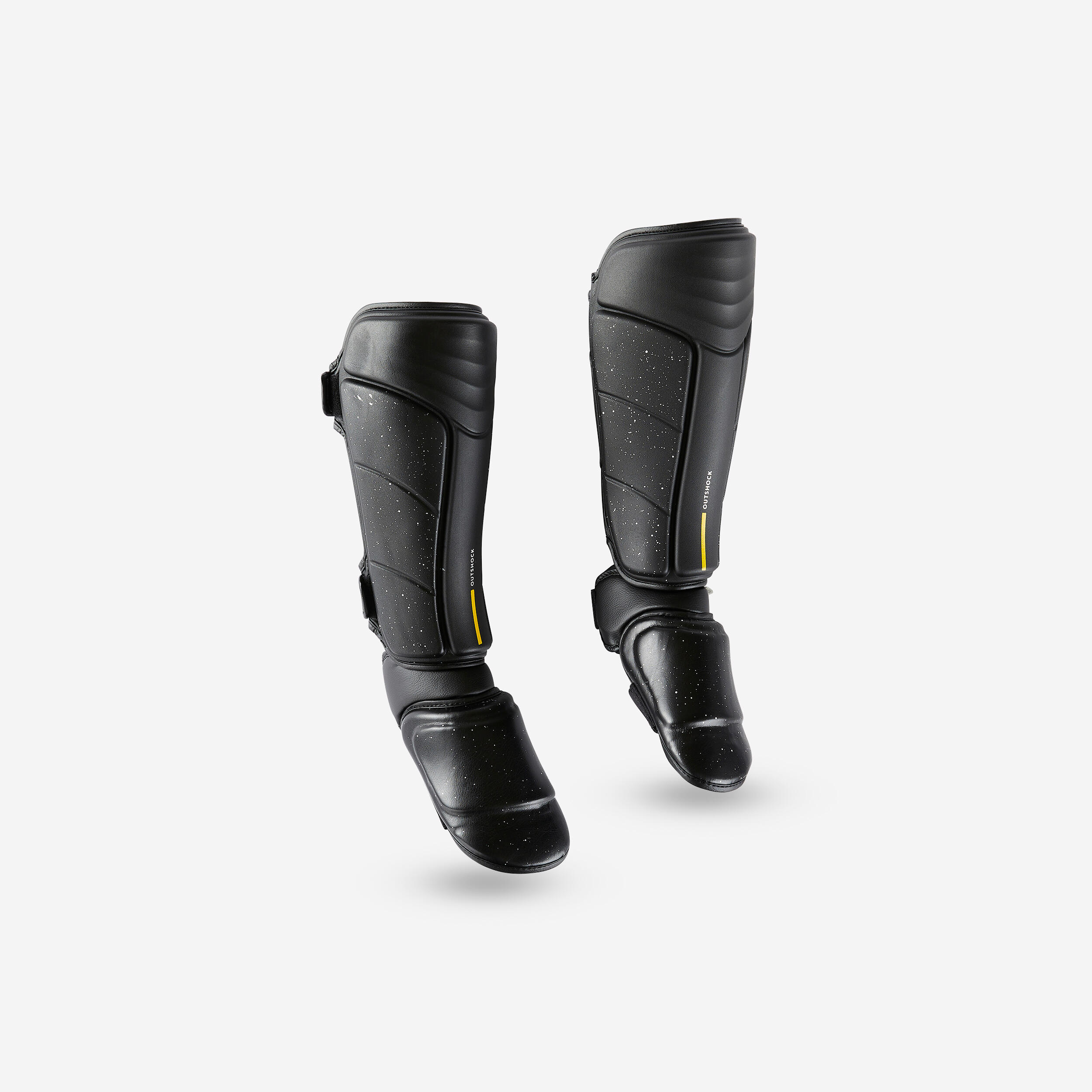
Shin-only guards
Technique work and lightweight lower-leg protection
Kickboxing and Muay Thai with broader lower-leg coverage
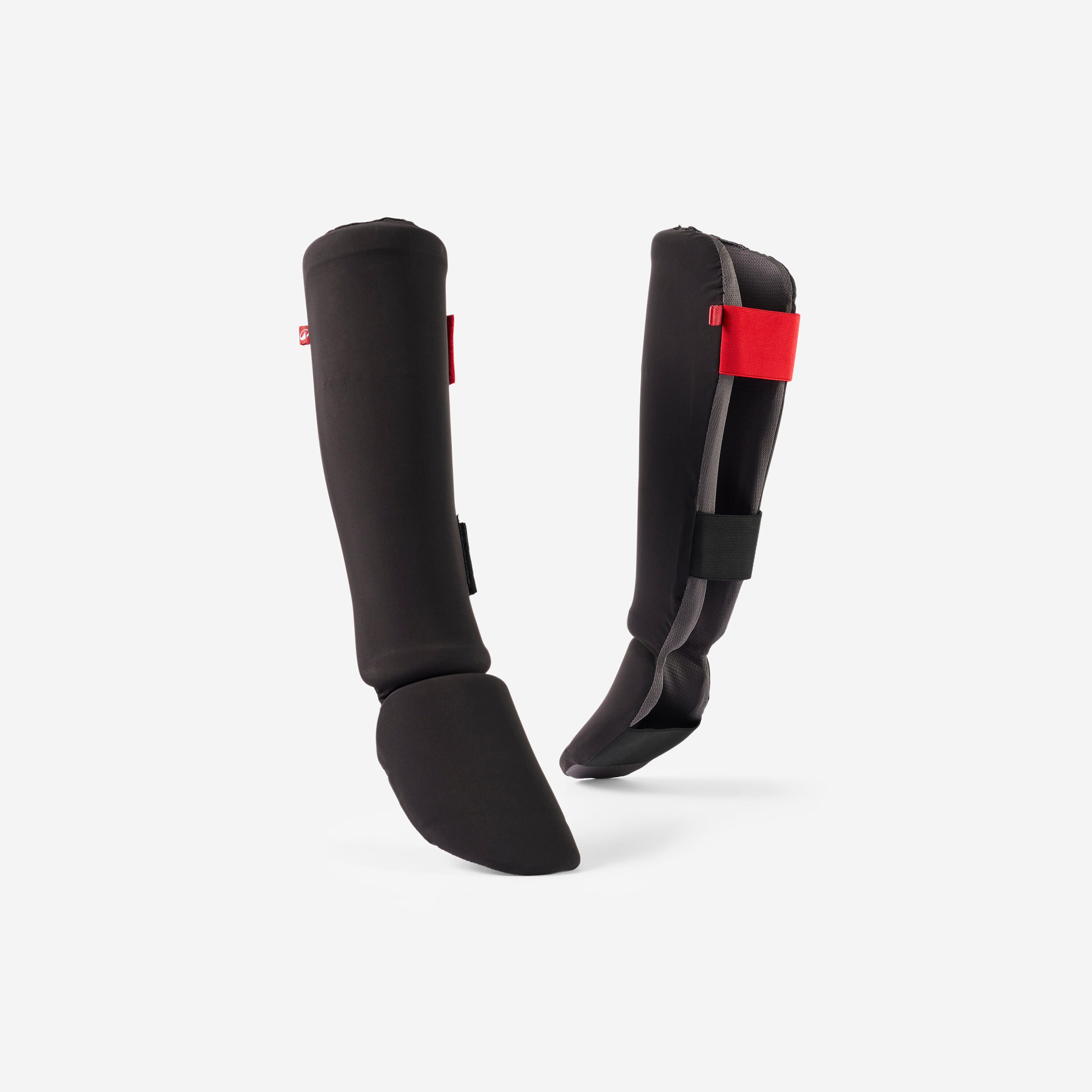
Shin and foot guards
Close-fitting coverage with fewer external straps
Sleeve-style shin guards
Sparring and harder contact where greater protection is needed
Traditional boxing focuses on punches, so shin guards aren't generally part of standard boxing training. They're more relevant to disciplines involving kicks and lower-leg contact, including kickboxing and Muay Thai.
Should shin guards cover the top of my foot?
That depends on the design and your discipline. Some guards primarily cover the shin, while shin-and-foot designs extend over the instep for broader protection during kicking and contact training.
How do I know what size shin guards to buy?
Should shin guards feel tight?
Can I use the same shin guards for kickboxing and Muay Thai?
Use the sizing guide for the specific product, as sizing and proportions can vary between designs. The protective section should cover the intended area while staying securely positioned as you kick and move.
They should feel snug and stable rather than restrictive. Straps, sleeves or other fastenings should keep the protective section positioned over your shin without digging into your leg or affecting circulation.
Some shin guards can suit both disciplines, but check the product's intended use and any requirements set by your gym, coach or sporting organisation. Training and competition requirements can differ even when the protective equipment looks similar.
Stay Covered Through Every Kick
When kicks, checks and contact are part of training, shin guards become another piece of kit you want to put on and forget about. A secure pair lets you move through combinations without constantly stopping to reposition your protection. With your guards sorted, you can keep your attention on timing, movement and the next strike.
 All SportsMenWomenKidsAccessoriesEquipment and LeisureHealth & NutritionBest DealsNew ArrivalsMarketplace

 Hiking & Trekking
 Swimming
 Cycling
 Fitness (Yoga/Pilates)
 Camping
 Running