Running outdoors means sharing every kilometre with whatever the weather is doing. A running hat adds lightweight head coverage while you train, without bringing the feel of a heavier everyday cap along for the session. From neighbourhood loops to longer runs, it's an easy addition when your route takes you out into the open.
Match your running hat to the conditions you train in most. Water-repellent fabrics can help with light rain, while lighter designs with a peak provide shade without adding unnecessary bulk in warmer weather. If you run across changing conditions, look for a balance of protection and ventilation rather than prioritising one feature you may only occasionally need.
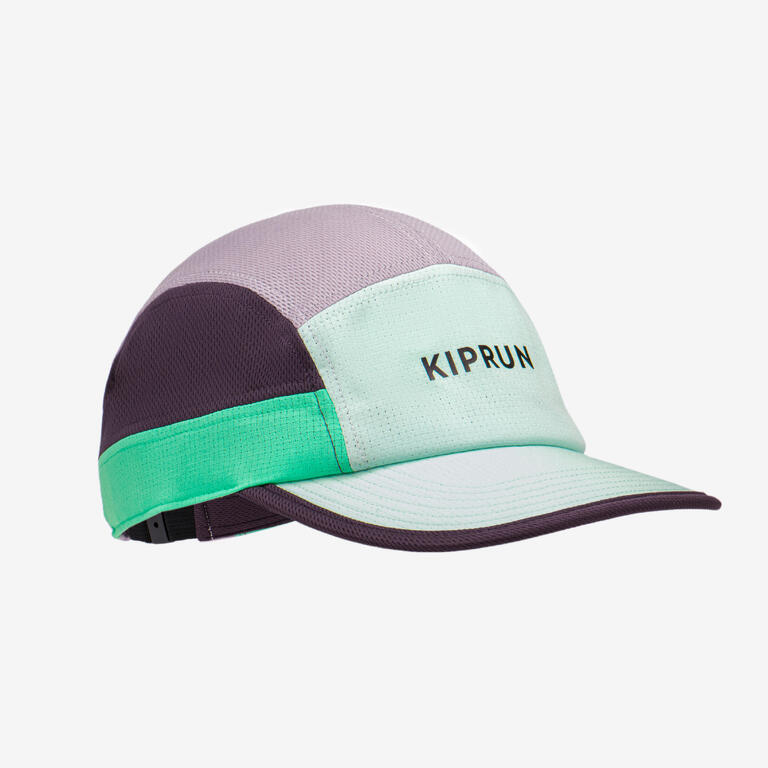
Breathability
Running builds heat quickly, particularly over longer distances or during warmer weather. Lightweight fabrics, mesh panels or perforated sections allow more airflow and can help the hat feel comfortable as your effort increases. If most of your runs are in hot or humid conditions, prioritise ventilation and quick-drying materials.
Fit and Adjustability
A running hat should stay securely in place without bouncing, slipping or feeling overly tight as you move. An adjustable strap can help fine-tune the fit, particularly during faster runs or on uneven terrain. Look for a design that stays comfortable over longer distances without needing constant adjustment.
Packability
A foldable or flexible running hat is easier to stash away when you no longer need it partway through a run. Packable designs can fit into a pocket, running belt or vest without taking up much space, making them particularly useful when conditions are likely to change. Consider this feature if you run longer routes or prefer to carry minimal gear.
Everyday road runners. You head out for regular runs and want simple protection from sun and light weather. A lightweight, breathable running hat with a secure fit covers the essentials without feeling bulky.
Hot-weather runners. You train in warm or sunny conditions where heat and sweat build up quickly. Look for breathable, quick-drying fabric and good ventilation to help keep you comfortable as the kilometres add up.
All-weather runners. You keep running when conditions change and need a hat that can adapt along the way. Water-repellent fabric and a lightweight, packable design make it easier to handle light rain or stash the hat when you no longer need it.
How to Care for Your Running Hat
Clean your running hat regularly to remove sweat and salt that can build up around the band and crown. Follow the care label and use gentle cleaning where recommended, particularly for lightweight, packable or water-repellent styles. Avoid excessive drying heat, which can affect the shape of the peak and technical fabrics. Let the hat dry completely after washing, rain or particularly sweaty runs before packing it away.
Running hats by type
Type
Best for
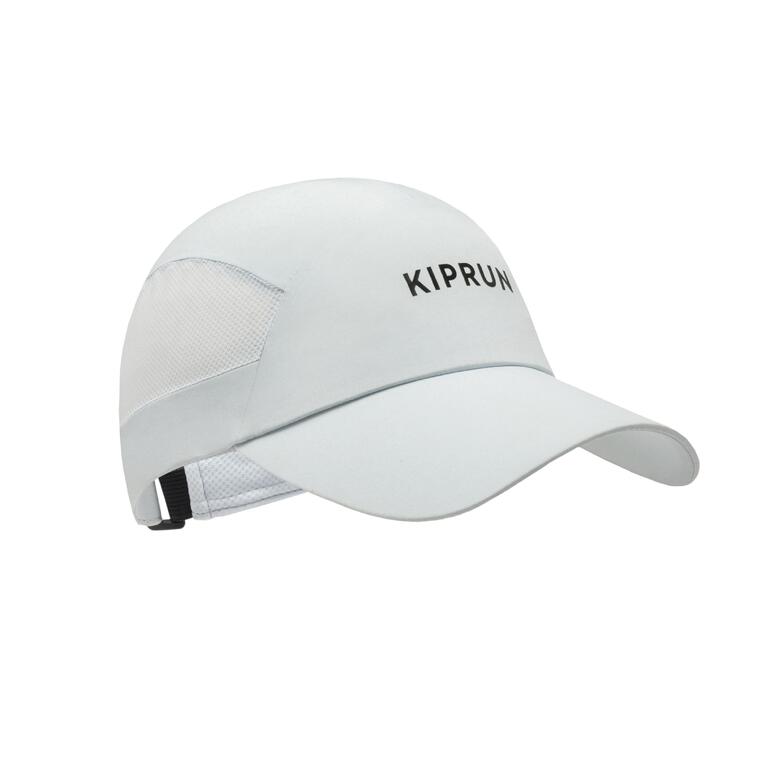
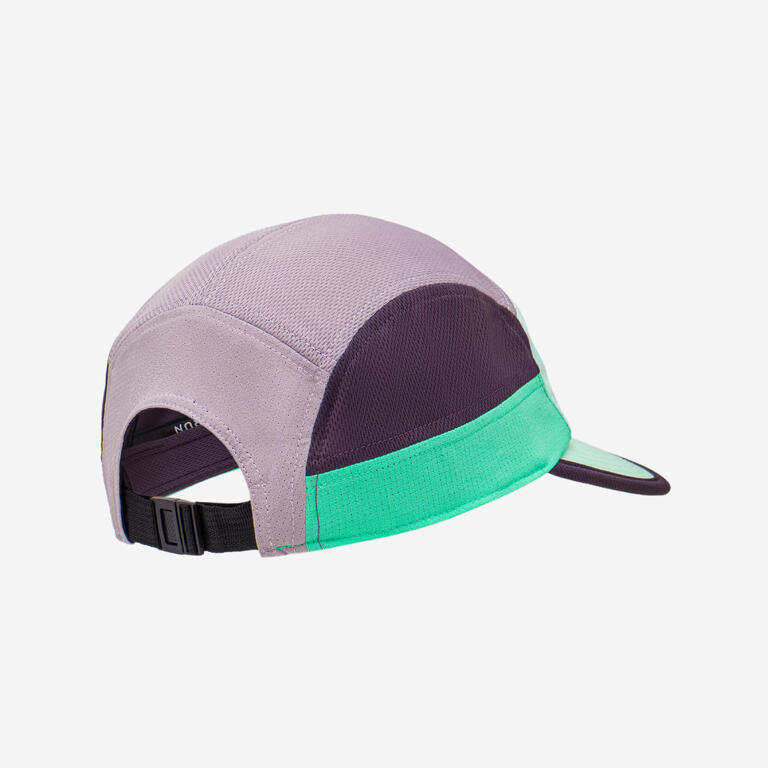
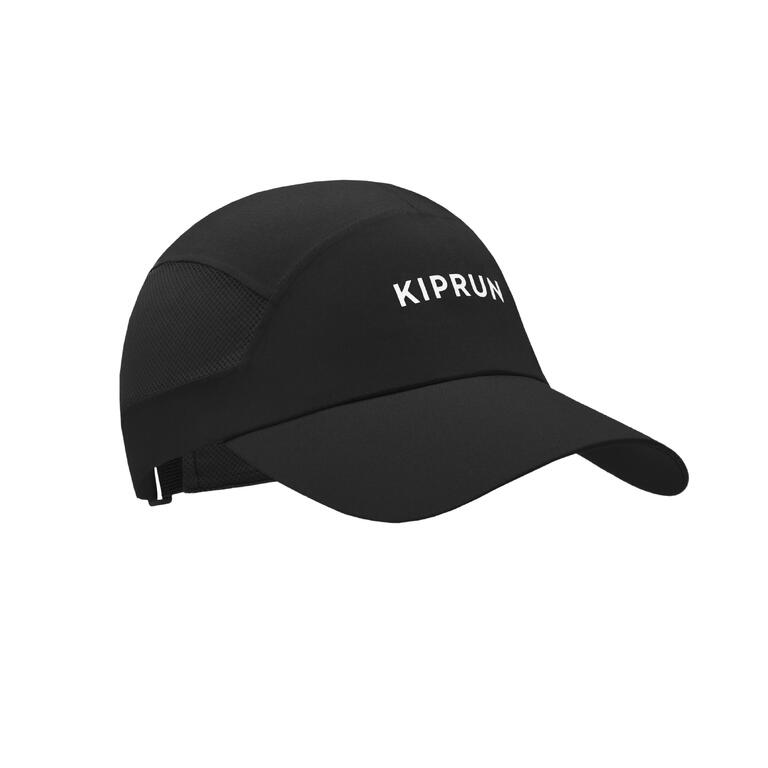
Lightweight running caps
Everyday runs where breathability and low weight matter.
Exposed daytime runs where greater sun coverage is useful.
Sun-protective running hats
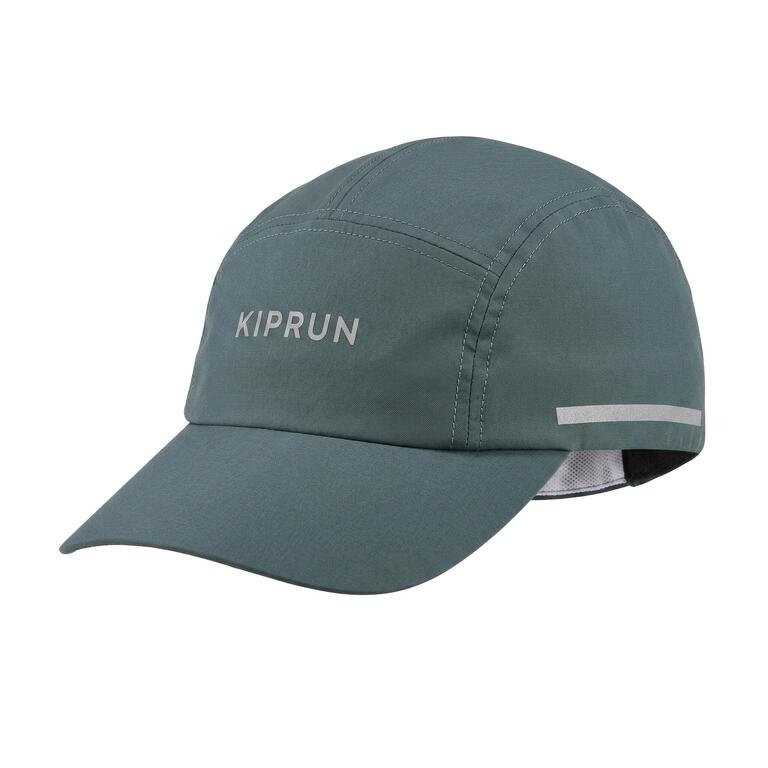
Training in light rain and changeable weather.
Water-repellent running hats
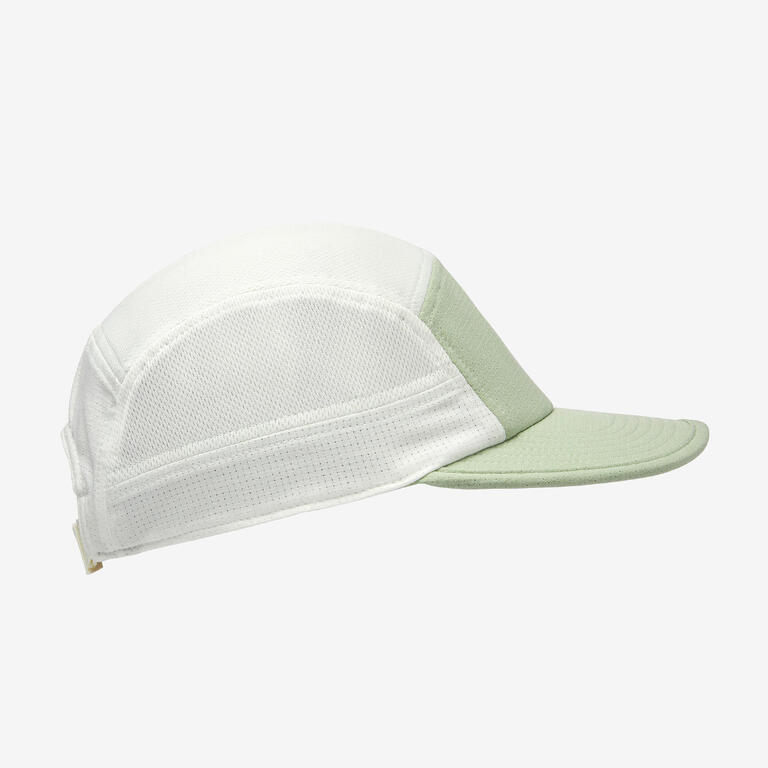
Longer runs when you may want to stow your hat along the way.
Look for a lightweight running hat made from breathable, quick-drying fabric that helps manage heat and sweat as you run. Ventilation panels or perforations can improve airflow, whilst a peak provides useful shade for your face during sunny, exposed runs.
What's the difference between a running hat and a regular cap?
Running hats are generally lighter and more breathable than everyday caps, with technical fabrics that manage sweat and dry quickly. They may also have ventilation, adjustable fits or flexible peaks that make them more comfortable during exercise. A regular cap can work for occasional runs, but may feel heavier once you start sweating.
Do I need a waterproof running hat?
How should a running hat fit?
Are packable running hats worth it?
Not necessarily. A water-resistant or water-repellent hat can help with light rain and changeable weather, whilst a more breathable design may be better if you mostly run in warm, dry conditions. If you regularly train in wet weather, check the individual hat's level of water protection before choosing.
A running hat should feel secure without creating uncomfortable pressure around your head. It should stay in place as your pace changes without bouncing, slipping or needing constant adjustment. An adjustable strap can help you fine-tune the fit for more comfortable runs.
They can be if you regularly remove your hat mid-run or carry minimal gear. A packable design folds or compresses into a pocket, running belt or vest when you no longer need it, which is useful on longer routes or when conditions change. Check that the peak can flex or fold before packing it away.
Cover More Kilometres in Comfort
Sun, sweat, wind and light rain can all become more noticeable once you've been running for a while. A running hat gives you lightweight coverage without needing to feel like another heavy piece of kit. Choose one that suits the conditions you regularly run through and let it stay comfortably out of mind as the kilometres pass.
 All SportsMenWomenKidsAccessoriesEquipment and LeisureHealth & NutritionBest DealsNew ArrivalsMarketplace



 Hiking & Trekking
 Swimming
 Cycling
 Fitness (Yoga/Pilates)
 Camping
 Running