Rock fishing in Sydney: spots and safety

Sydney's sandstone headlands and harbour foreshores put rock fishing right on the city's doorstep. Here are some places anglers head, the safety rules that matter most and the kit that makes a session easier.

What to bring for a rock session

Start with a rod and reel, then add the bits that keep you tidy and safe.

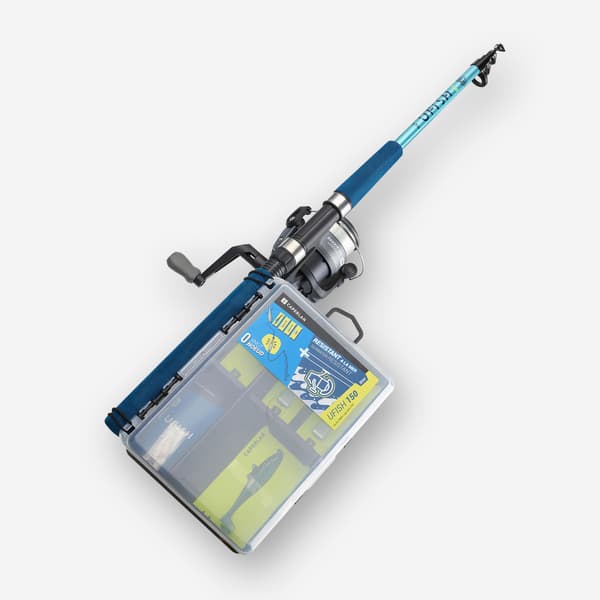
Sea fishing rod and reel kit
RODS

Rods and rod-and-reel combos for shore fishing.

What to prioritise
Start here

Fishing Rods

Shop the Range
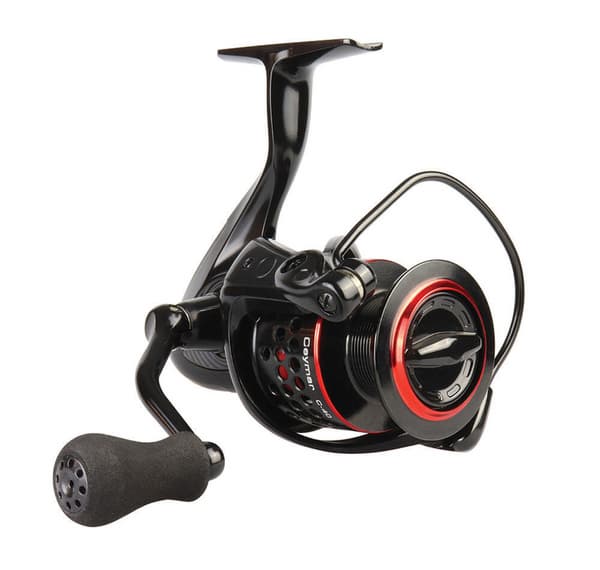
Spinning fishing reel
REELS

Spinning, overhead and baitcast reels to match your rod.

What to prioritise
Pair it up

Fishing Reels

Shop the Range
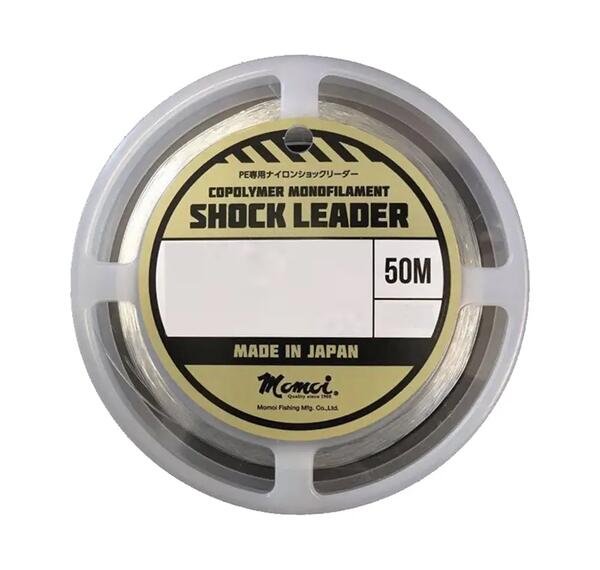
Spool of shock leader line
RIGGING

Mono, braid, leader material and hooks for rigging up.

What to prioritise
Tie it on

Fishing Lines & Hooks

Shop the Range
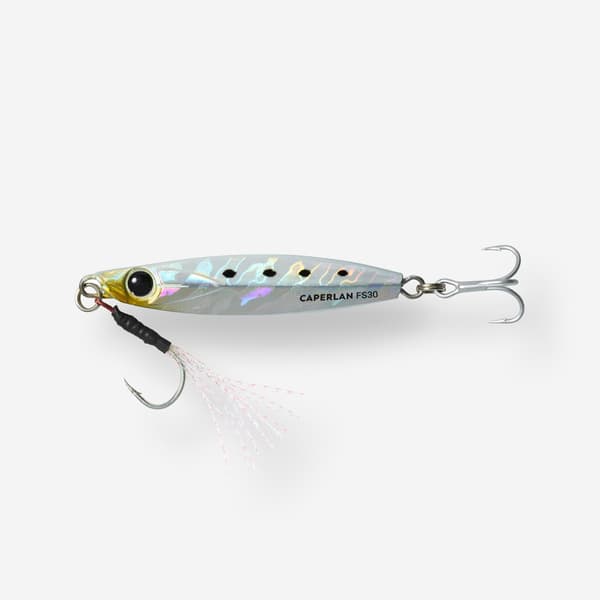
White metal casting jig with assist hook
LURES

Metal jigs, hard bodies, soft plastics and jig heads.

What to prioritise
Cast and retrieve

Fishing Lures & Soft Plastics

Shop the Range
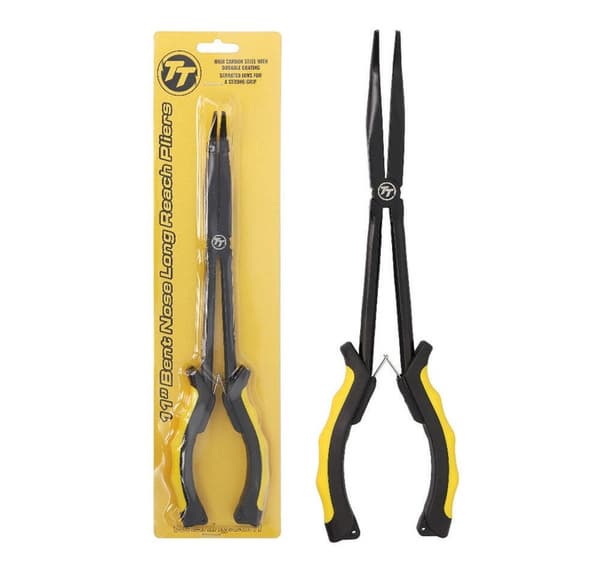
Long-reach bent-nose fishing pliers
TOOLS

Pliers and scissors for unhooking fish and cutting line.

What to prioritise
Unhook safely

Fishing Tools

Shop the Range
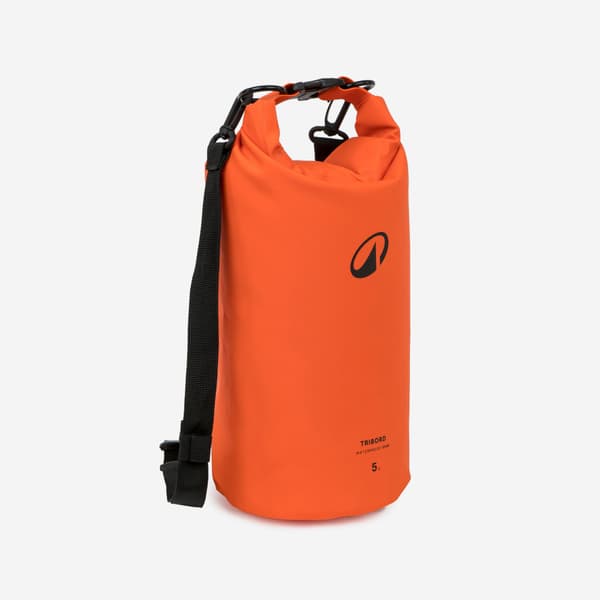
Orange roll-top waterproof bag
DRY BAGS

Roll-top dry bags that keep your phone dry.

What to prioritise
Keep it dry

Waterproof Bags

Shop the Range

Sydney rock fishing spots to know

From sheltered harbour rocks to exposed ocean headlands. Start calm and work up.

Sheltered harbour

Sydney Harbour rock platforms and foreshores

NSW Fisheries says the harbour can be fished from rock platforms, wharves, piers and many parks. Luderick, bream, tarwhine, silver trevally, flathead and squid are regular targets, with salmon, bonito and kingfish moving in during the warmer months.

Good to knowThe whole harbour is an Intertidal Protected Area, so you cannot take shellfish or crabs, and some spots have signposted closures. Health authorities advise releasing anything caught west of the Harbour Bridge, so check the NSW Food Authority advice before you keep a fish.

Ocean headland

Malabar Headland National Park

Fishing is allowed on this rugged headland between Maroubra and Malabar, but NSW National Parks warns it can be very dangerous. It suits experienced anglers on calm days only.

Good to knowLifejackets are compulsory when rock fishing here, and casting distance offshore is limited to protect grey nurse shark habitat near Magic Point. The eastern section closes when the nearby rifle range is in use, so stay out when the red flags fly.

Botany Bay headlands

La Perouse and Little Bay

Randwick Council names La Perouse and Little Bay among its well-known rock fishing spots, at the northern entrance to Botany Bay. Part of this coast sits in Kamay Botany Bay National Park.

Good to knowNSW National Parks reminds rock fishers to wear a lifejacket here and to stay back from the unfenced cliffs. Mobile reception can be patchy, so tell someone your plans before you go.

Ocean rock platforms

Maroubra, Coogee and Clovelly rocks

The rocky points between Clovelly and Maroubra are popular with rock fishers. Randwick Council calls its coastline the most dangerous rock fishing area in Australia, so this is no place to learn on a big day.

Good to knowThe lifejacket law applies across the whole Randwick City area, including helpers and children. The council also asks anglers to wear cleated rock fishing shoes and to go home if it looks too rough.

National park cliffs

Kurnell and Cape Solander, Kamay Botany Bay National Park

On the southern side of Botany Bay, NSW National Parks says fishing from the beach, the rocks and the bay foreshore is a popular pastime. Cape Solander is the southern headland at the bay entrance.

Good to knowThe cliffs here are unfenced and the rock edges can be thin, so keep well back from the drop. Winter brings whale watchers and parking at Cape Solander can fill up.
What to look for in rock fishing kit

A lifejacket you will wear

In declared areas of Sydney a lifejacket is the law, and it is good sense everywhere else. Choose one that meets the Australian Standard, fits snugly and lets you cast freely, and check what the NSW rules ask for before you buy.

Grip underfoot

Wet, weedy rock is slippery. NSW safety advice is to wear shoes with non-slip soles or cleats, as smooth soles slide on weed and moss.

A rod with some backbone

You often need to lift a fish up the rocks rather than wade out to it. A rod with a bit of length and power, plus a tough leader, gives you control without getting too close to the edge.

A way to call for help

Keep a charged phone in a dry bag on your body, not in the tackle box. If someone goes in, you will need to call 000 straight away.

First-trip tips

Watch before you fish

Spend at least half an hour watching the waves from a safe spot before you set up. Never turn your back on the ocean.

Start in the harbour

Sheltered harbour rocks are a gentler place to learn than exposed ocean platforms. Fish with someone experienced on your first trips.

Sort the rules first

Pay the NSW recreational fishing fee if you need to, and check size limits, bag limits and closures with NSW DPIRD Fisheries before you go.

Your rock fishing kit at a glance

ItemWhy it mattersTip
Rod and reelControl when lifting fish up the rocksA combo is an easy way to start
Leader line and hooksRock and shell are tough on lineCheck the leader for nicks often
Metal luresCast far when salmon and tailor are aroundKeep a few weights and colours
Long-nose pliersUnhook fish without risking your fingersRinse after use to stop rust
Dry bag for your phoneYou may need to call 000Carry it on you, not in the bag
HeadlampDawn starts and safe walks outLeave the rocks before dark falls

Look after your kit

  • Rinse rods, reels, pliers and lures in fresh water after every session, as salt spray corrodes quickly.
  • Loosen the reel drag before storing so the washers keep their shape.
  • Retie your leader if it feels rough, since rocks and shells wear line fast.
  • Dry your bag and shoes in the shade so seams and soles last longer.

Frequently asked questions

Do I have to wear a lifejacket to rock fish in Sydney?

In many places, yes. Randwick, Sutherland Shire and the Northern Beaches have declared high-risk rock fishing areas where an approved lifejacket is the law, and that includes children and anyone helping you fish. Elsewhere it is still strongly recommended. The required standard and the declared maps sit on the NSW Government website, so check them before you go.

Do I need a fishing licence to fish from the rocks?

In most cases, yes. NSW asks you to pay the recreational fishing fee to fish in salt and fresh water unless you are exempt, for example if you are under 18. NSW DPIRD Fisheries lists the exemptions and the current size and bag limits, and it is worth checking them before each trip.

Is rock fishing in Sydney suitable for beginners?

It can be, if you start in the right place. Sheltered harbour foreshores are calmer than ocean headlands, and fishing alongside an experienced angler is the best way to learn how waves behave on a platform. Leave exposed spots like Malabar or the Randwick coast until you have some experience and a calm day.

When are conditions safest for rock fishing?

Calm days with a low swell and light winds are best. Check the coastal waters forecast, swell and tides before you leave, and keep checking while you fish, as a rising tide can cover a platform quickly. The Bureau of Meteorology has rock fishing weather guidance, and if in doubt, don't go out.

What should I do if someone is washed in?

Do not jump in after them. Throw something that floats, such as an Angel Ring lifebuoy if one is nearby, and call 000 straight away. Planning an escape route before you start fishing gives everyone a better chance if it ever happens.

Ready to fish the rocks?

Pick a safe spot, check the swell and the rules, and pack a lifejacket. We have the rest of the kit to get you set up.

Free delivery on orders over $150. Members get our lifetime warranty.

Explore Fishing
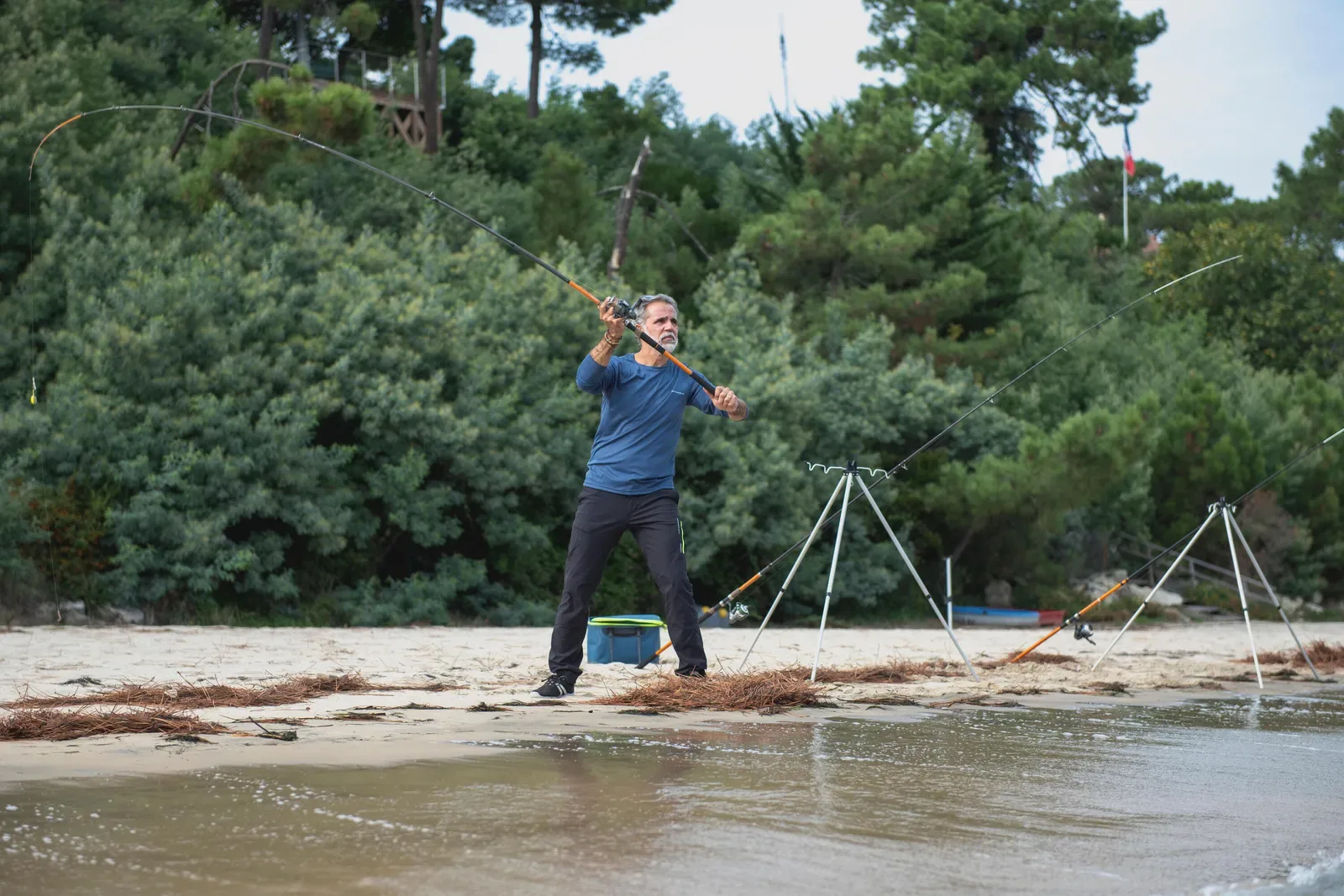
Angler casting a long surf rod from a sandy beach