First-timers at the gym
A comfortable flat shoe lets you focus on learning moves, not on sore feet.
The right climbing shoes help you trust your feet, so you climb more calmly and waste less energy. We'll help you match the shape and fit to your level, from first gym sessions to harder routes.
Options from our climbing shoes range, plus the belay basics for rope climbing.
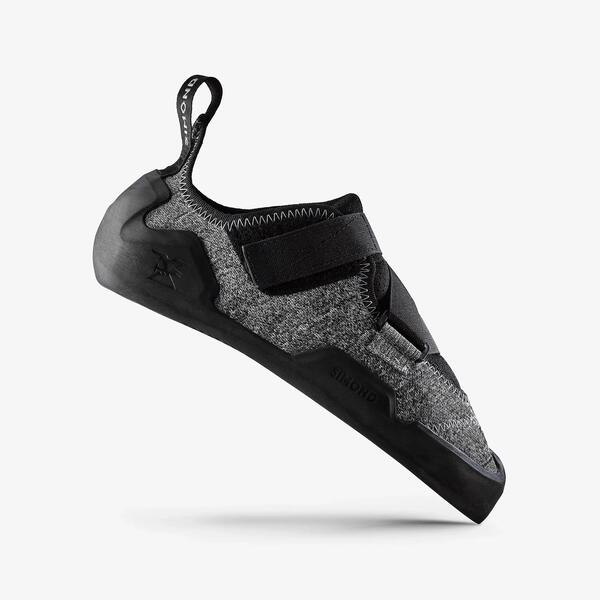
Comfortable flat options to help you up your first routes.
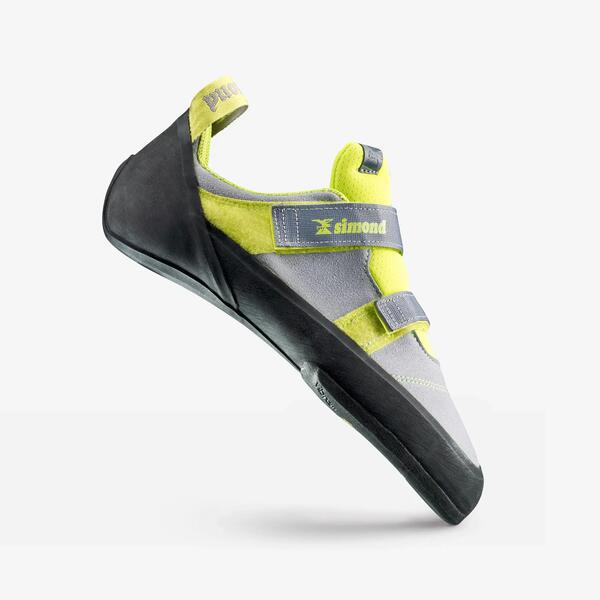
Grippy all-round options for progressing indoors and out.
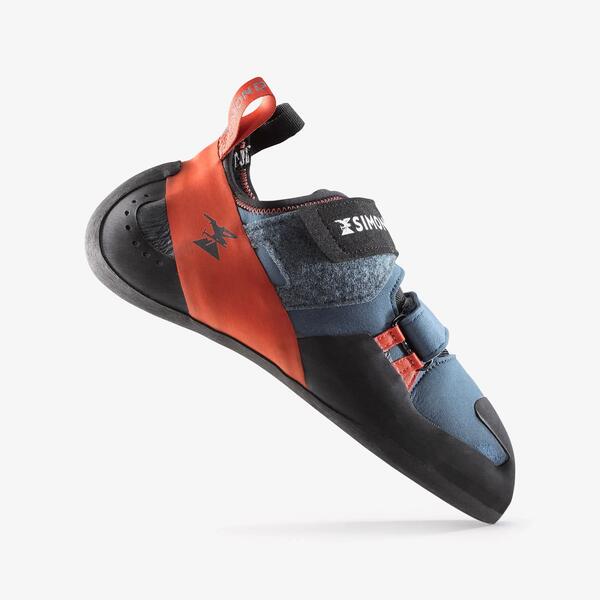
Precise asymmetric options for small holds and harder routes.
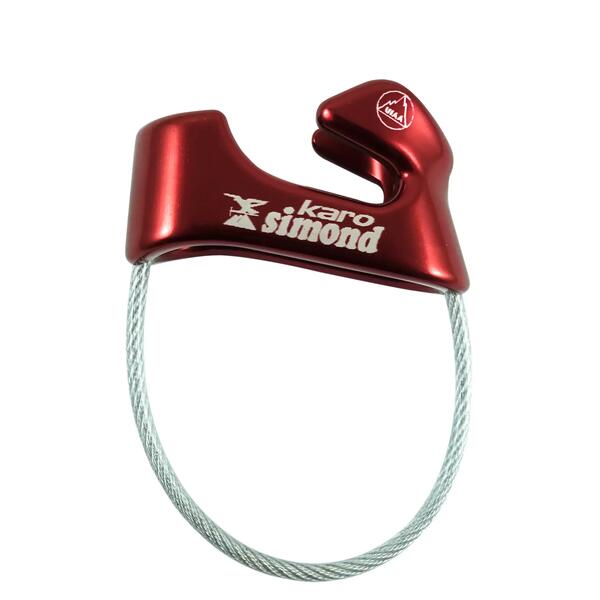
Belay devices for climbing on a rope with a partner.
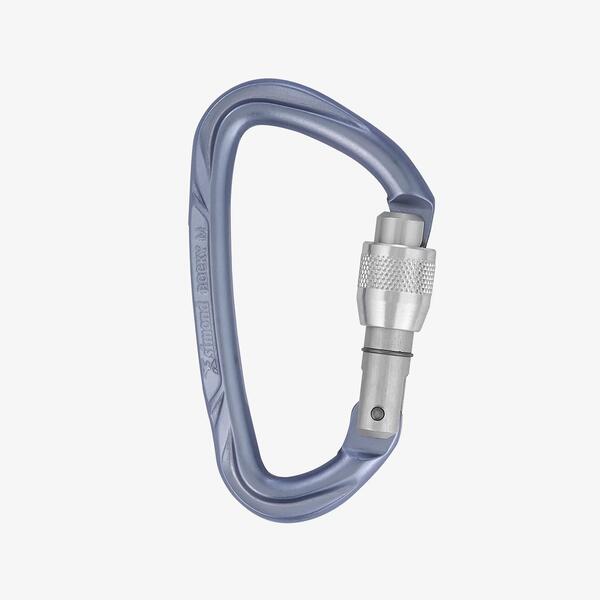
Screwgate and auto-locking carabiners for your belay setup.
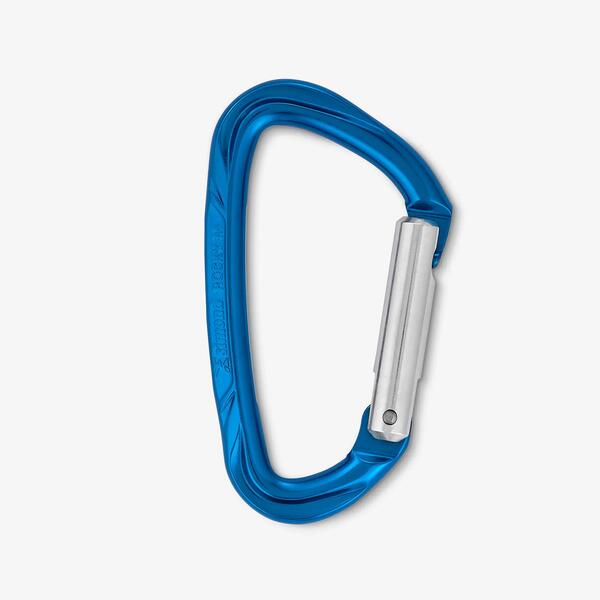
Non-locking carabiners for racking gear on your harness.
Flat shoes keep your foot relaxed, which suits first climbs and long sessions. Asymmetric shoes point power towards your big toe for precise footwork on small holds. Most climbers start flat and move on as their technique grows.
Climbing shoes should feel close all round with no dead space at the toe. Snug is good, sharp pain is not. Sizing can differ between models, so check the size guide on each product page.
Rip-tab straps are quick to open between climbs, which is handy at the gym and when bouldering. Shoes with two straps let you fine-tune the fit across your foot.
Sticky rubber on the sole and toe helps your feet hold on small edges. Our Rock+ and Vertika shoes use Vibram soles for extra grip and precision.
A comfortable flat shoe lets you focus on learning moves, not on sore feet.
An all-round shoe with grippier rubber helps you trust smaller footholds indoors and on rock.
An asymmetric shoe gives the precision you need for technical routes and tiny edges.
| Option | Best for | Good to know |
|---|---|---|
| Flat beginner shoe | First climbs and gym sessions | Comfort matters more than precision early on. |
| All-round shoe | Climbers progressing indoors and out | Grippier rubber helps on smaller holds. |
| Asymmetric technical shoe | Harder routes and small holds | A closer fit, so take time to find your size. |
| Belay device | Rope climbing with a partner | Learn to belay with a qualified instructor. |
| Locking carabiner | Clipping a belay device to your harness | Check the gate is locked before every climb. |
They should feel snug all round, with your toes touching the end and no loose space, but without sharp pain. Beginners are usually happiest in a comfortable fit with toes flat or only lightly bent. Sizing varies between models, so check the size guide on the product page and try them on with bare feet if you can.
Most climbers wear them barefoot, as it gives a closer fit and a better feel for the holds. Some people prefer thin socks, especially with rental or shared shoes. Either is fine, just size your shoes the way you plan to wear them.
Beginner shoes tend to be flat and comfortable, so you can wear them for a whole session. More advanced shoes have an asymmetric shape and a more precise fit that helps on small holds and technical moves. Pick for the climbing you do now, then step up as your footwork improves.
Yes, many all-round shoes work on gym walls and real rock, and our Rock+ is designed for improving wherever you climb. Outdoor rock can wear the rubber faster, so expect to replace shoes sooner if you climb outside a lot. If you're new to outdoor climbing, learn with a qualified instructor or a guided group first.
For rope climbing, yes, it's best to learn belaying and tying in from a qualified instructor or a climbing gym's induction course. Bouldering is easier to start, but a gym introduction still teaches you how to fall and land safely. Once you've learnt the basics, the right shoes make every session more enjoyable.
Good climbing shoes help you trust every foothold, from your first climb to your hardest route. Explore the rest of our climbing range to get set for your next session.
Free delivery on orders over $150. Members get our lifetime warranty.