New runners
A foam roller and a good water bottle are an easy, low-cost start to a recovery habit.
The hours after a run are when your legs catch up with the work you put in. A few simple pieces of recovery gear can help you feel looser and make it easier to lace up again.
The recovery basics we would reach for, roughly in the order most runners use them.
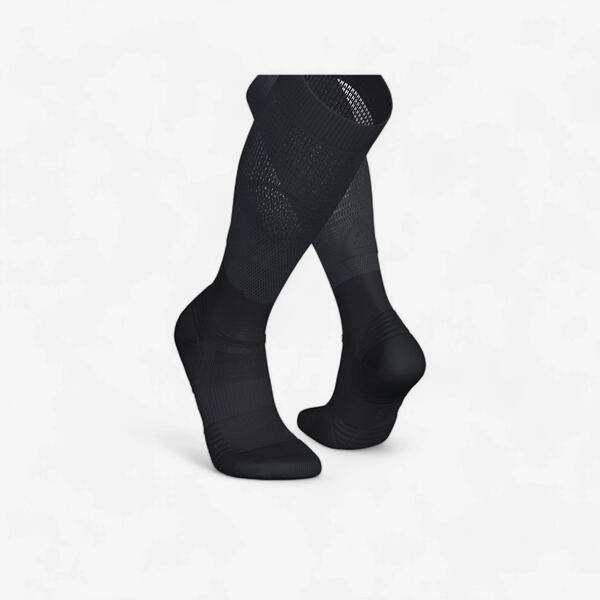
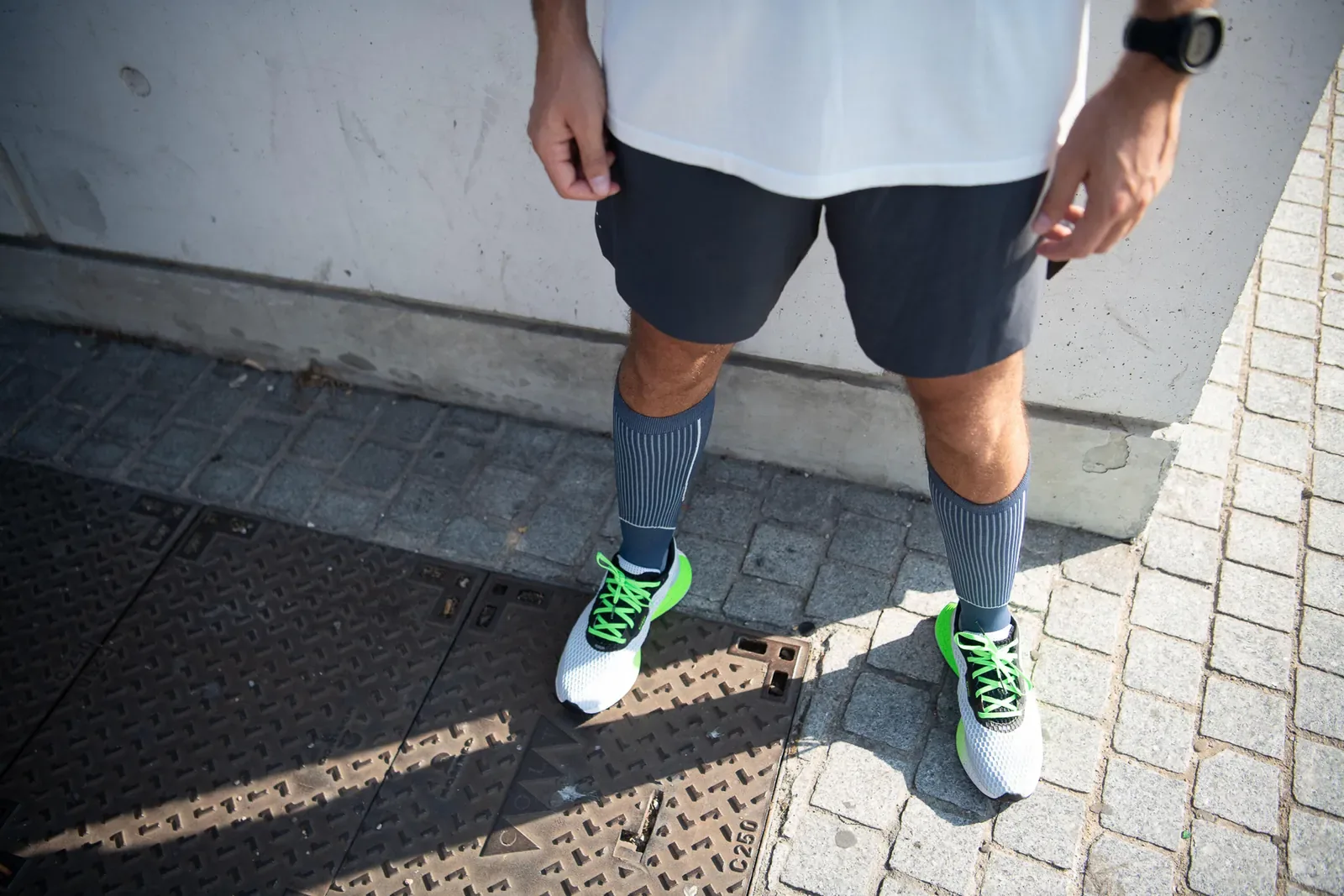
Compression socks and calf sleeves, plus some compression shorts.
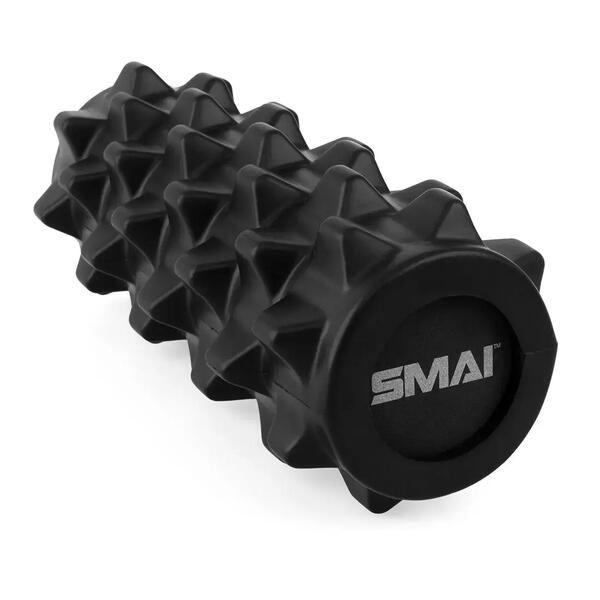
Foam rollers in a range of sizes, textures and firmness.
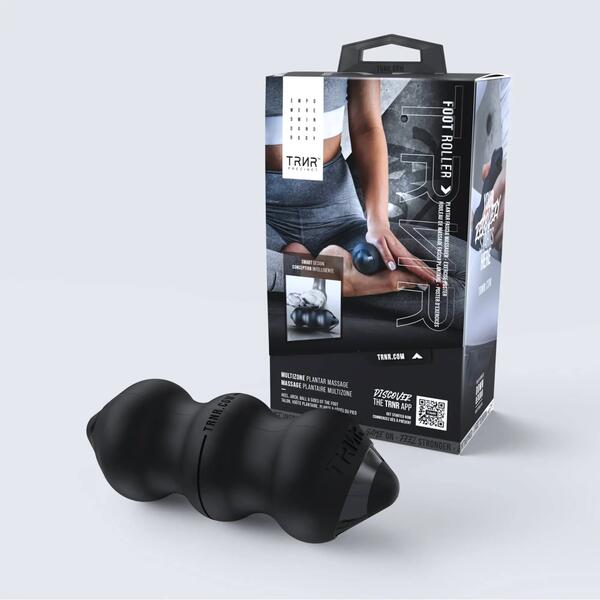
Massage balls, foot rollers and handheld massagers for small areas.
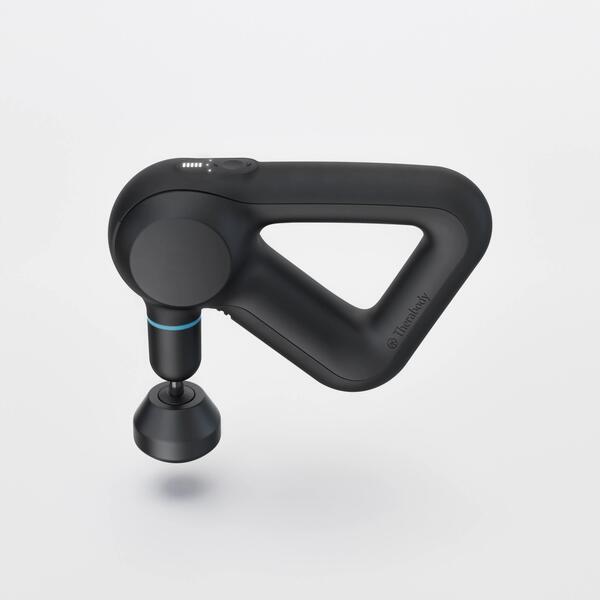
Percussion massage guns, from compact models to full size.
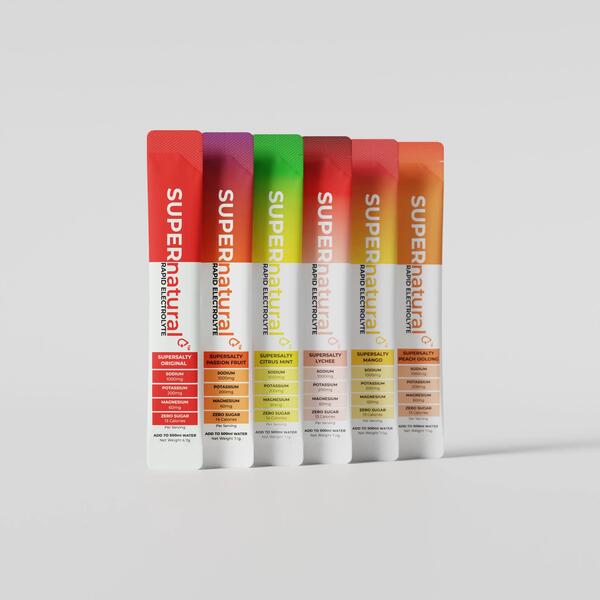
Recovery drinks, electrolytes and energy gels for runners.
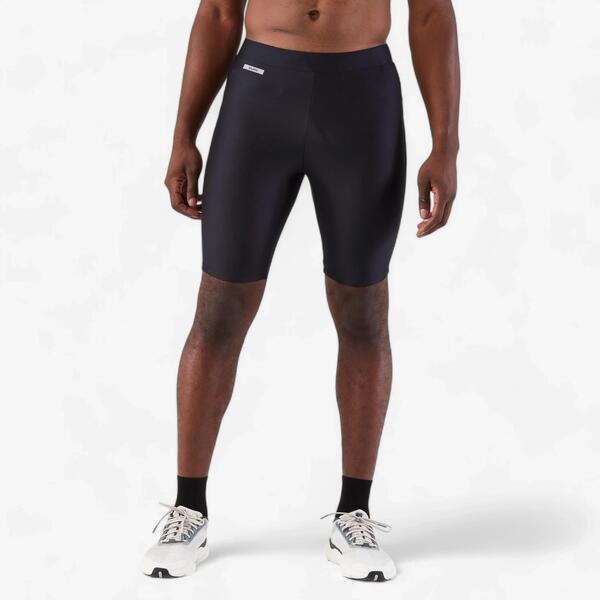
Running tight shorts and snug base layer bottoms.
Plan a few easy minutes after each run for a cool-down walk, a drink and some gentle rolling. Little and often is easier to stick with than one long session a week.
Compression socks and sleeves are sized by measurements such as calf width and shoe size, so check the size guide on the product page before you buy. A snug fit should never feel painful, tingly or numb.
Softer rollers and balls are kinder if you are new to rolling. Firmer or textured options give a stronger feel, so move up gradually and ease off on tender spots.
Drink after every run, especially in Australian summer heat. Water covers most easy runs, and electrolytes can be handy after long or sweaty sessions, so follow the serving guide on the pack.
A foam roller and a good water bottle are an easy, low-cost start to a recovery habit.
Longer training weeks are where compression, massage tools and electrolytes tend to earn their place.
A massage ball or foot roller fits in a desk drawer or kit bag for a quick roll whenever you have a spare minute.
| Item | Why it matters | Tip |
|---|---|---|
| Compression socks | Snug support many runners like after long runs | Measure your calf before choosing a size |
| Foam roller | Slow rolling can help legs feel looser | Roll slowly and keep off bony areas |
| Foot roller or massage ball | Reaches the soles of tired feet | Start seated with gentle pressure |
| Massage gun | A quick, deeper massage for big muscles | Begin on the lowest setting |
| Electrolytes | Handy after long or hot runs | Follow the serving guide on the pack |
| Tight shorts | A close fit some runners prefer | Choose your usual running size |
Most runners can start with a water bottle and a foam roller, then add pieces as their training grows. Compression socks, a massage ball for the feet and electrolytes for long or hot runs are the next most common additions. A massage gun is a nice extra rather than an essential, so we would buy it last.
The evidence is mixed, but many runners like how compression feels on tired legs after a long run or a flight to an event. The key is a correct fit, so measure your calf and follow the size guide rather than guessing. If a sock feels painful, causes tingling or leaves deep marks, take it off and try a different size.
Both can work. A short, light roll before a run can be part of a warm-up, while a slower roll afterwards is a popular way to wind down. Keep the pressure comfortable, move slowly and avoid rolling directly over joints, bones or any area that is bruised or swollen.
They do slightly different jobs. A foam roller covers large areas like quads and calves using your own body weight, while a massage gun lets you target one muscle with less effort. Many runners start with a roller because it is simple and affordable, then add a massage gun later if they want something quicker.
Recovery gear is for everyday tightness, not for injuries. If you have pain that lingers for more than a few days, swelling, numbness, or pain that changes how you run, stop and see a GP or physio. They can find the cause and tell you which tools, if any, are right for you.
Good recovery habits make the next run feel easier. When you are ready for more, our full running range is here.
Free delivery on orders over $150. Members get our lifetime warranty.