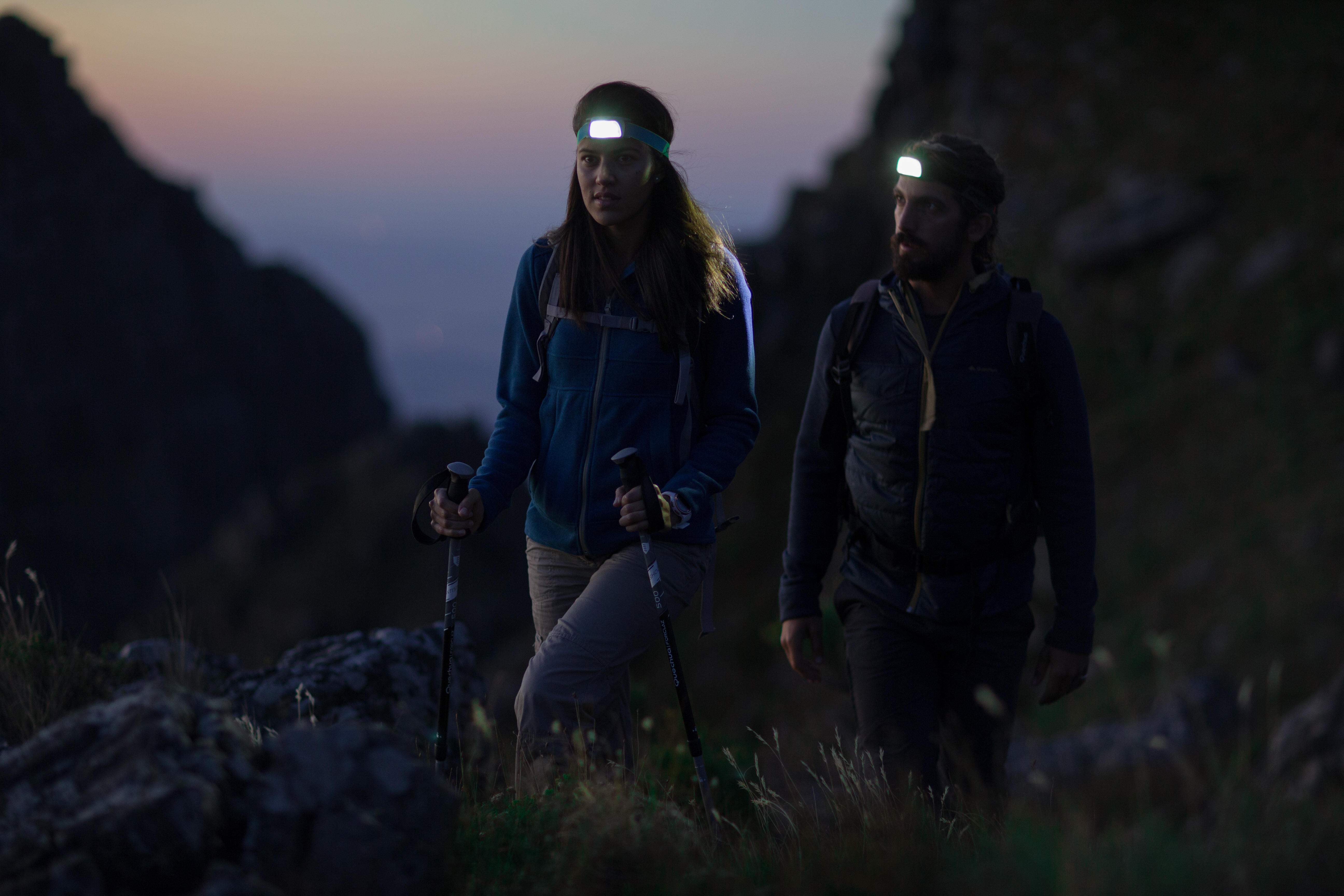
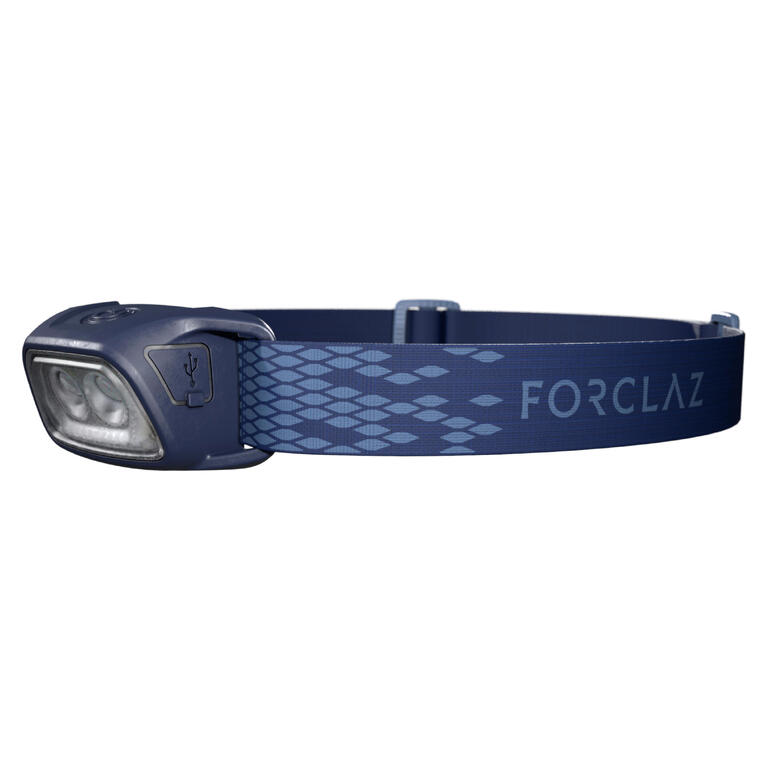
Early starts, late finishes and nights at camp are easier when the light goes wherever you look. A rechargeable head torch keeps both hands free while lighting the path, campsite or task in front of you. Keep one ready for hiking, running, camping and anything else that doesn't fit neatly between sunrise and sunset.
Brightness is measured in lumens, but the right output depends on where and how you'll use your head torch. Lower outputs can provide enough light for walking, camping and tasks around a campsite, while higher outputs are useful for night hiking or navigating darker, unfamiliar terrain. Check the beam distance as well as the lumen rating, particularly when you need to see further along the trail rather than simply illuminate the area around you.
Battery Life and Charging
Battery life determines how long you can rely on your head torch between charges, which becomes particularly important on longer walks and multi-day trips. Check the runtime at different brightness settings, as using a higher output will generally drain the battery faster. USB charging is convenient for regular use, while a removable battery or alternative power option can provide more flexibility when access to charging is limited.
Weight and Comfort
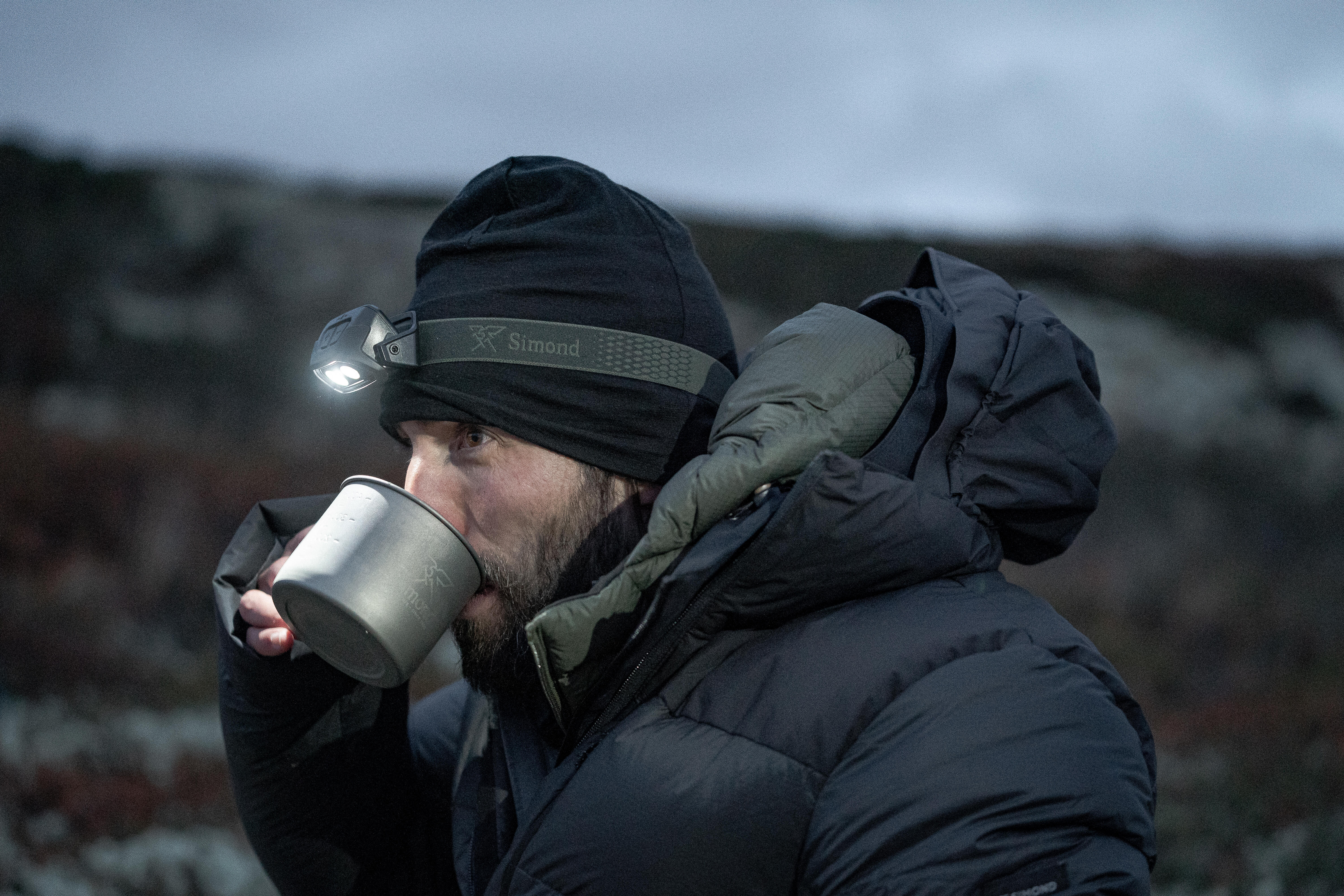
A lighter head torch can feel more comfortable when you're wearing it for several hours at a time. Adjustable straps help create a secure fit and can make it easier to wear the torch over a hat or other headwear. Look for a design that stays stable as you move without creating uncomfortable pressure around your head.
Water and Weather Resistance
Consider how well the head torch can handle the conditions you're likely to encounter outdoors. Water-resistant designs can cope with light rain and splashes, while higher protection ratings are worth considering for wetter or more demanding environments. Check the product's water-resistance rating if you regularly hike, camp or run in unpredictable weather.
Everyday outdoor users. You need hands-free light for evening walks, camping or jobs around the campsite. A lightweight rechargeable head torch with straightforward controls and moderate brightness covers the basics without unnecessary bulk.
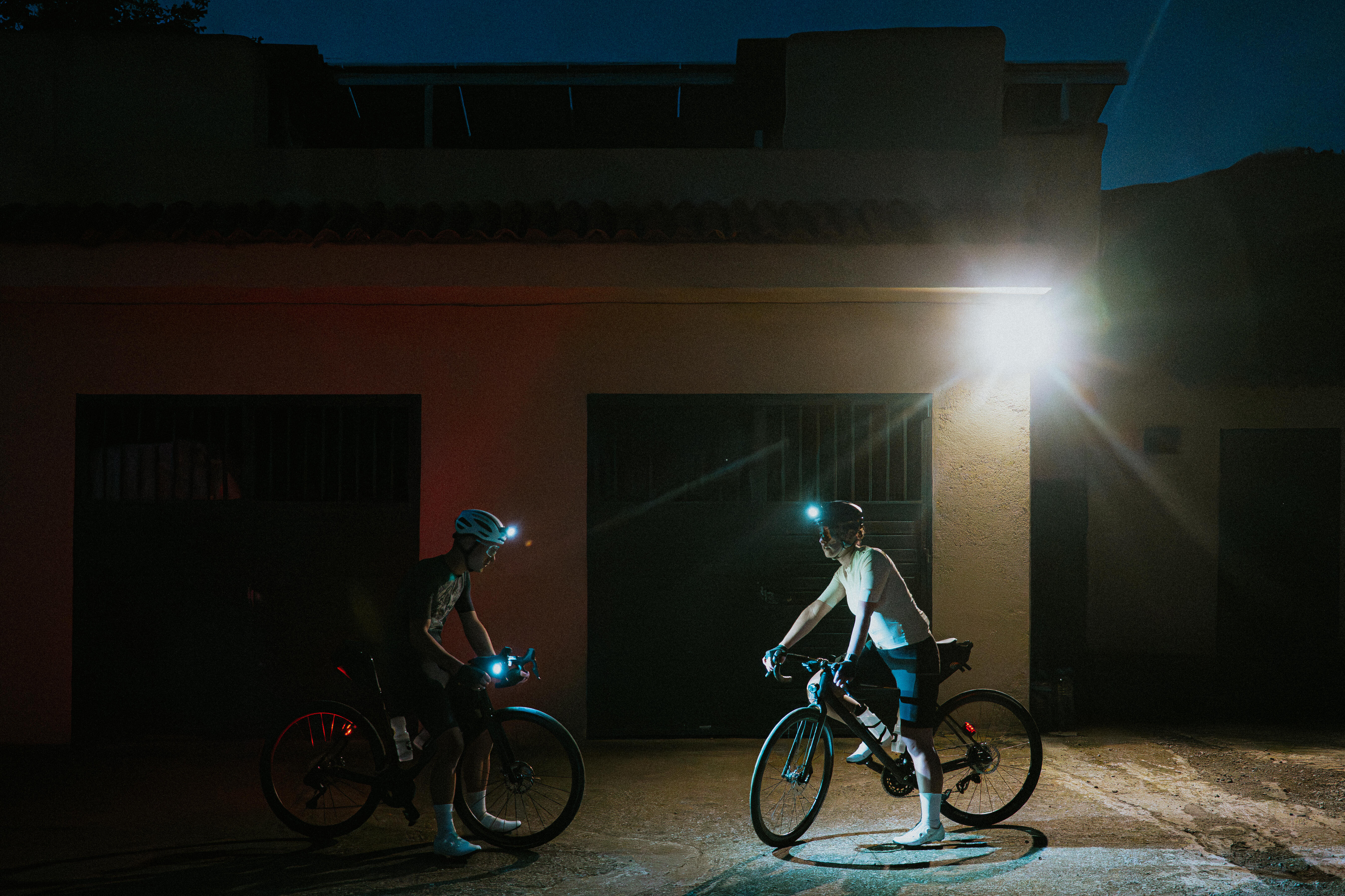
Night hikers and runners. You move after dark and need enough brightness to see the path ahead while keeping your hands free. Look for a secure, comfortable fit with multiple lighting modes and enough output for changing terrain and pace.
Remote and overnight explorers. You spend longer periods away from mains power or easy charging. Prioritise longer battery life, higher brightness and weather resistance, with a removable or backup battery worth considering for extended trips.
Caring for Your Rechargeable Head Torch
Wipe dirt, sweat and moisture from the casing and strap after outdoor use, particularly after wet or muddy trips. Let the strap and charging port dry completely before storing or connecting the torch to power. Recharge and store the battery according to the manufacturer's instructions rather than leaving the torch exposed to prolonged heat or moisture. Check buttons, seals and the charging connection periodically for dirt or visible wear.
Rechargeable head torches by type
Type
Best for
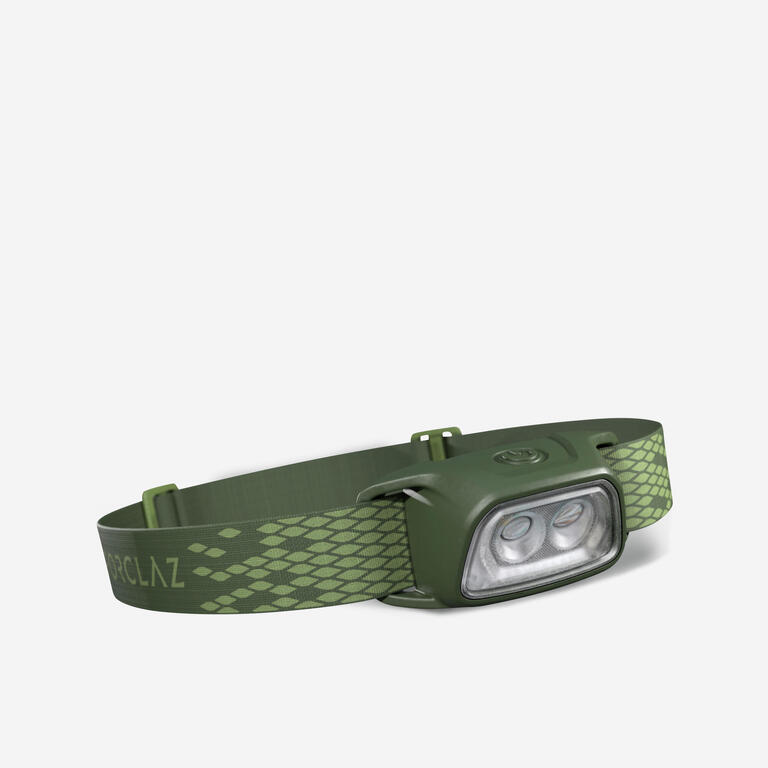
Compact rechargeable head torches
Camping and walking where lightweight hands-free lighting is enough.
Night hiking and trail running where stronger illumination matters.
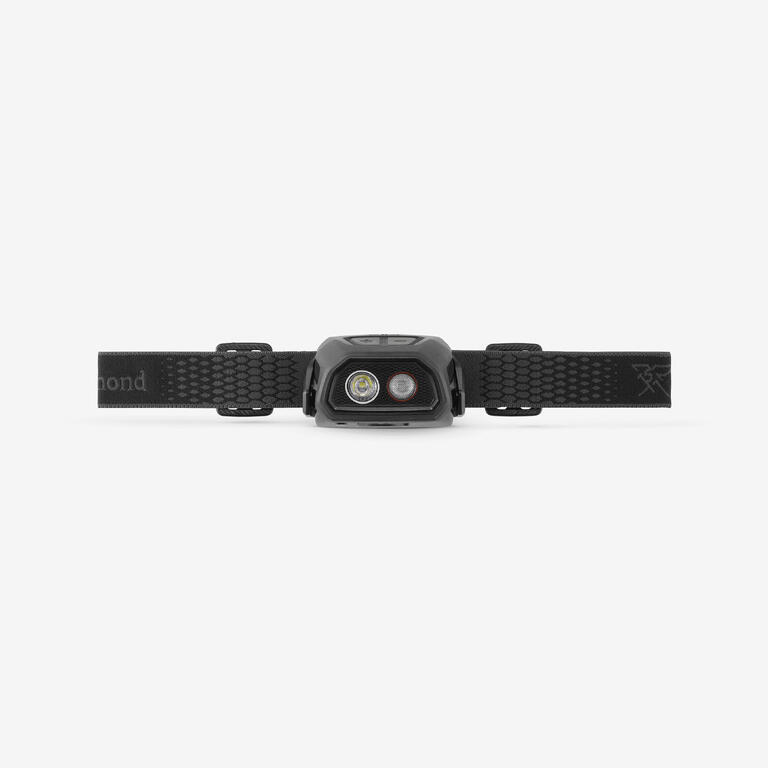
High-output head torches
Longer trips where a replaceable-battery backup adds flexibility.
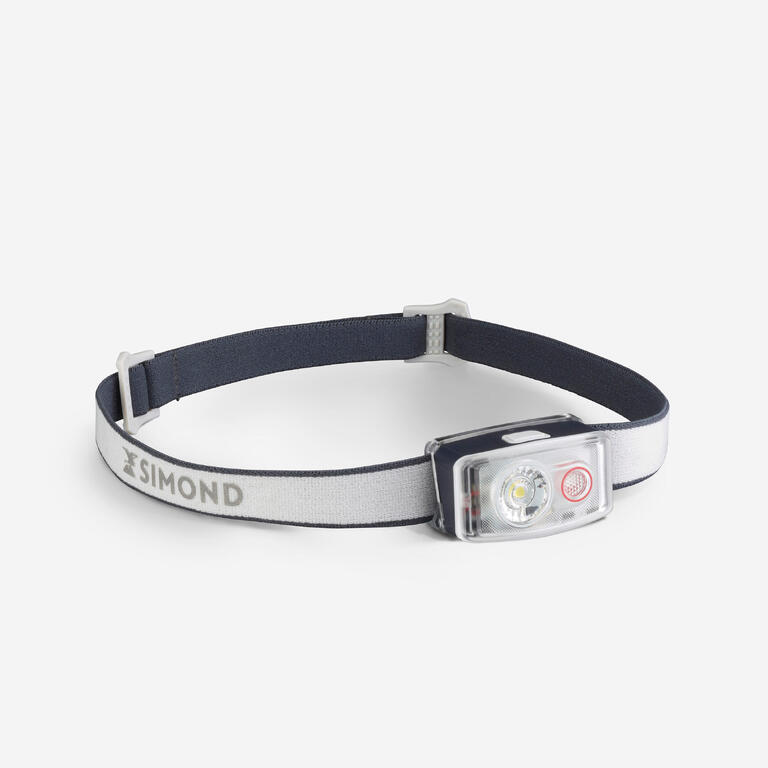
Hybrid rechargeable head torches
Wet-weather trips where solid water resistance matters.
How many lumens do I need for a rechargeable head torch?
It depends on how and where you'll use it. Lower brightness can be enough for camping, walking and tasks around the campsite, whilst night hiking or trail running generally benefits from higher output to illuminate more of the path ahead. Remember that using higher brightness settings can also reduce battery runtime.
How long does a rechargeable head torch battery last?
Runtime varies depending on the battery capacity, brightness setting and model. Higher-output modes generally use more power, whilst lower or eco settings can extend runtime considerably. Check the stated battery life at different brightness levels, especially if you're choosing a torch for longer hikes or overnight trips.
Is a waterproof rechargeable head torch necessary?
How can I charge a head torch on a multi-day trip?
Can rechargeable head torches use regular batteries too?
Not for every activity, but water resistance becomes important if you'll be running, hiking or camping in changeable weather. Check the product's IP rating to understand the level of protection it provides, as resistance to light rain does not necessarily mean the torch can withstand heavy rain or submersion.
A compatible portable power bank can be a practical option when you don't have access to mains power. Check the torch's charging connection and expected runtime before leaving so you can plan how often it may need recharging. For remote trips, carrying a separate backup light is also worth considering.
Some models can use both a rechargeable battery and standard disposable batteries, whilst others have a built-in or dedicated rechargeable battery only. If having backup power matters for longer or remote trips, check the individual product specifications before buying.
Keep the Trail in Sight
A good light matters when the campsite goes dark or the trail continues after sunset. Rechargeable head torches give you hands-free visibility without a constant supply of disposable batteries, with different outputs to suit quiet camp tasks or moving after dark. Plan for where you'll use yours and how long you'll be away from a power source.
 All SportsMenWomenKidsAccessoriesEquipment and LeisureHealth & NutritionBest DealsNew ArrivalsMarketplace


 Hiking & Trekking
 Swimming
 Cycling
 Fitness (Yoga/Pilates)
 Camping
 Running