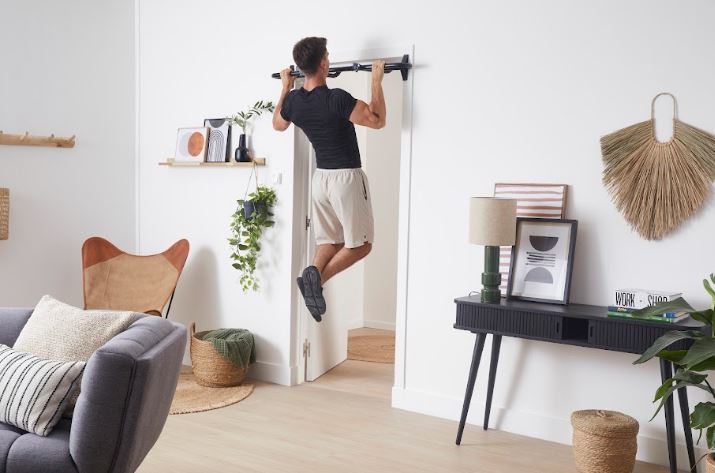
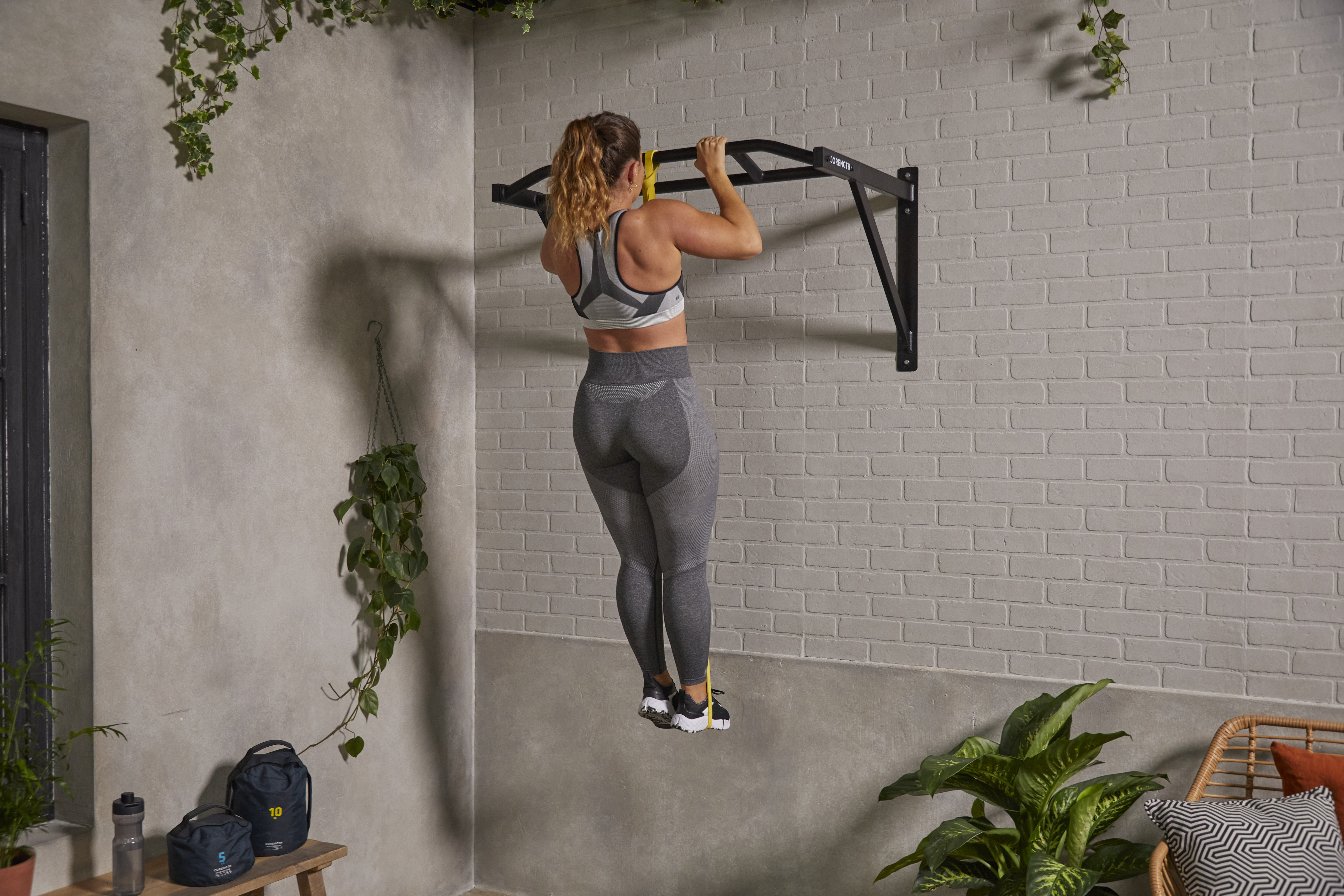
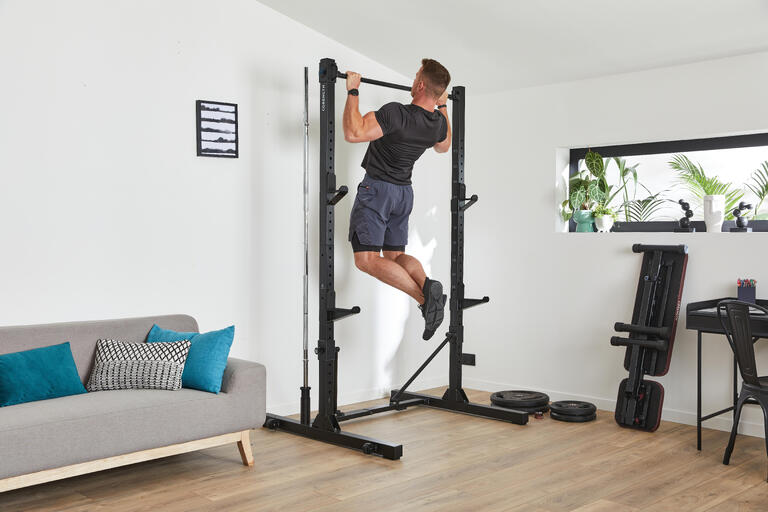
Pull ups are one of the best upper body exercises you can do and you do not need a gym to do them. A doorframe bar suits renters and smaller spaces with no installation required. A wall-mounted bar suits anyone who wants a permanent setup with a higher weight limit. A freestanding station suits those who want full upper body training without touching a single wall.
Load capacity determines the maximum weight the bar can safely support. A higher capacity allows for weighted exercises and accommodates heavier users. For most beginners, a capacity of at least 150 kg is suitable. If you plan to add weight belts or resistance bands, a higher capacity is essential. For most home users, a mid-range capacity works well for both bodyweight and light weighted exercises. If you already know your training style leans toward heavy strength work, let that guide the decision.
Installation type
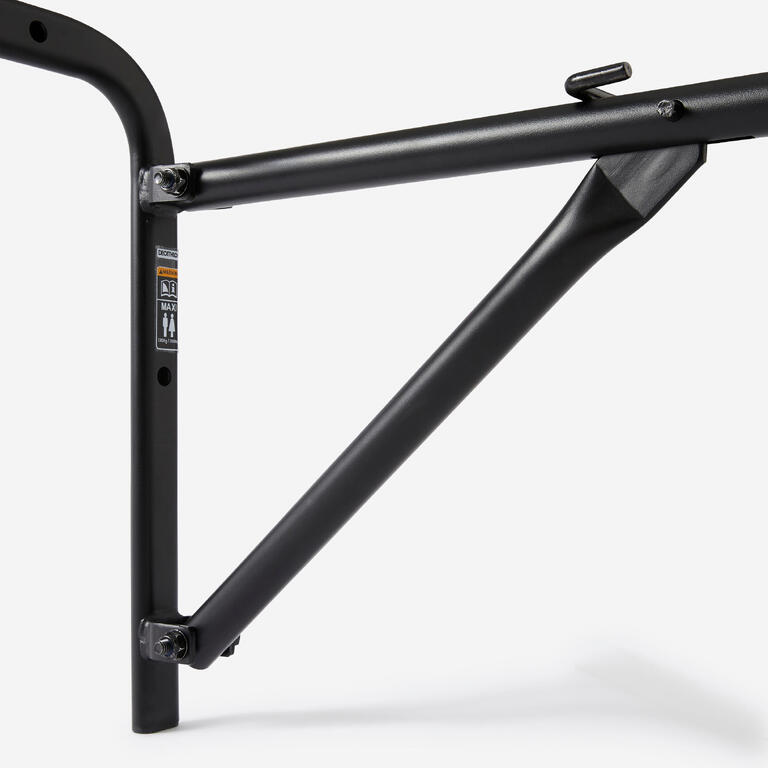
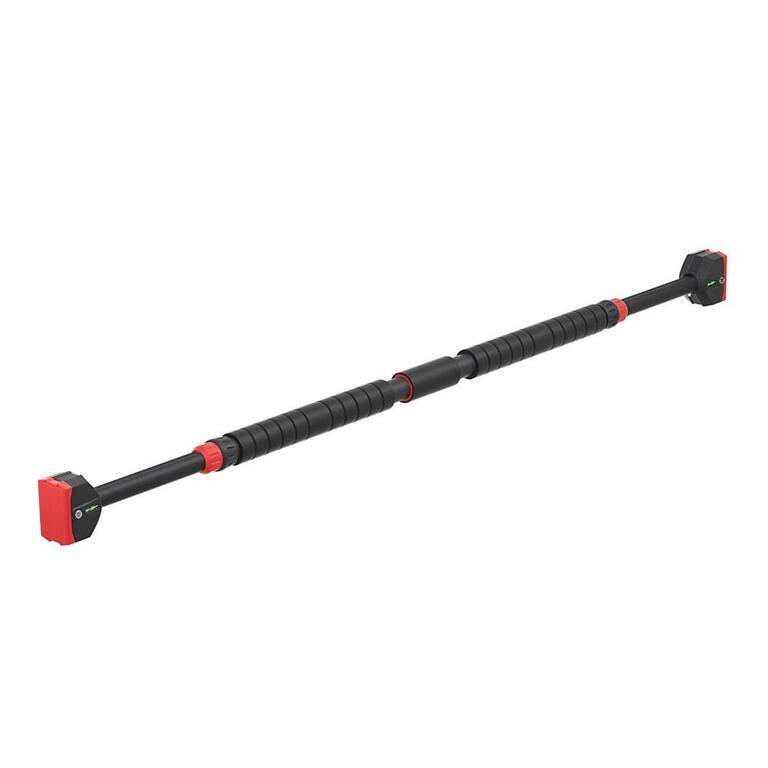
Installation determines how the bar mounts and its stability. Doorway bars are quick to install and require no drilling, making them ideal for renters. Wall-mounted bars provide permanent installation and maximum stability but require drilling into studs. Ceiling-mounted bars offer the most stability for heavy training but need professional installation. Most barsoffer doorway or wall-mount options, which balance ease of installation with reliability for general use.
Grip options
Look for bars with multiple grip widths and styles. Standard overhand grip suits most exercises. Underhand grip targets different muscle groups. Neutral grip reduces wrist strain. Wider grips engage the back more, while narrower grips emphasize the chest. New bars sometimes need a few sessions before the grip surface fully beds in. Wiping down with a damp cloth before first use can help.
Portability
For home use, portability is not a significant factor. If you move frequently or travel, a lightweight bar with easy installation makes a noticeable difference. Consider whether the bar needs to fit in storage or can remain mounted permanently.
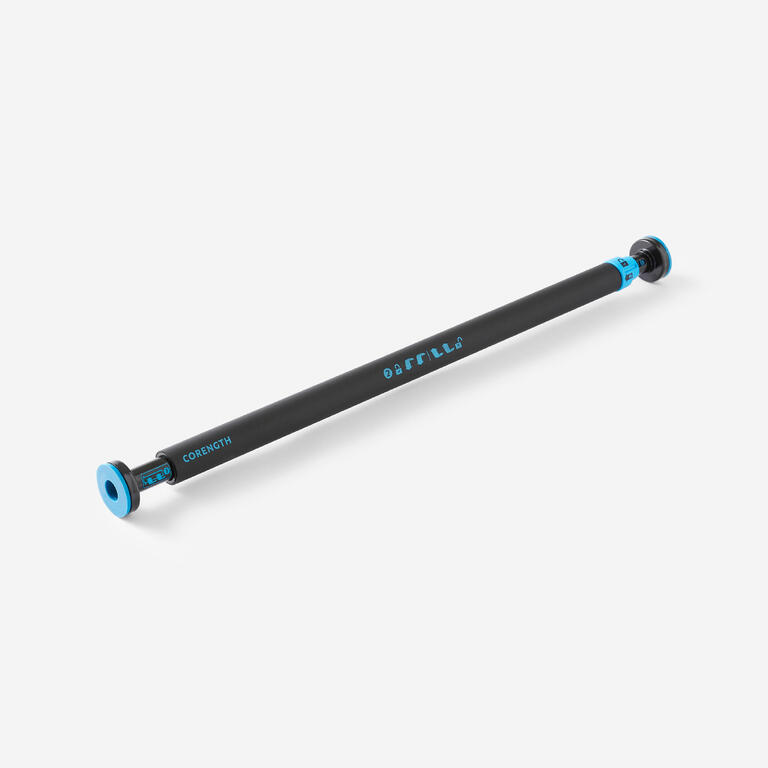
First-time buyers. The Beginner Pull Up Bar is the most accessible option in the Decathlon range. It covers basic pull-ups and chin-ups without any unnecessary features, and it is easy to install and remove.
Regular home trainers. Padded pull-up bars are designed for frequent use. Cushioned grip protects the hands during daily sessions and holds up to regular training.
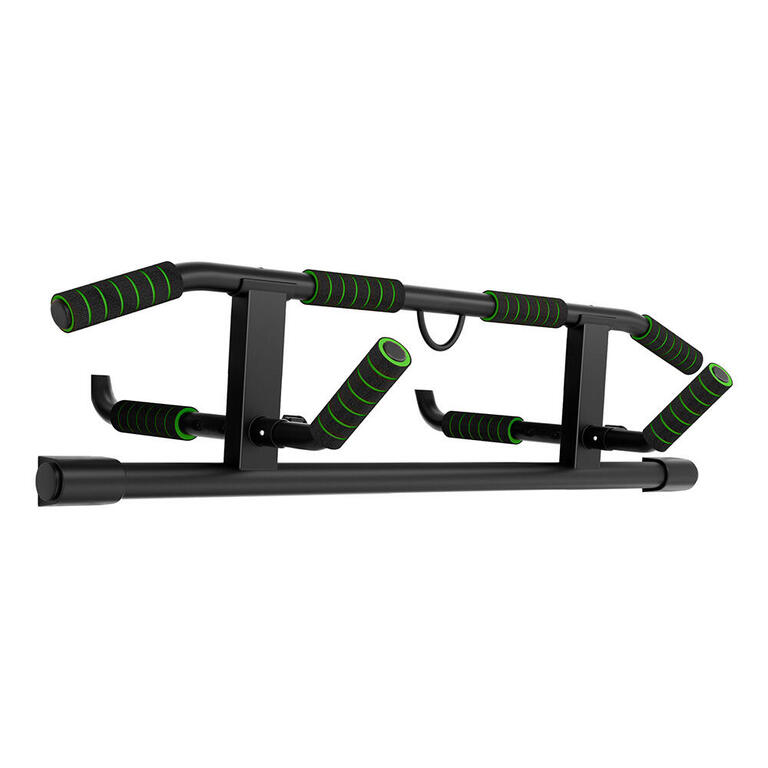
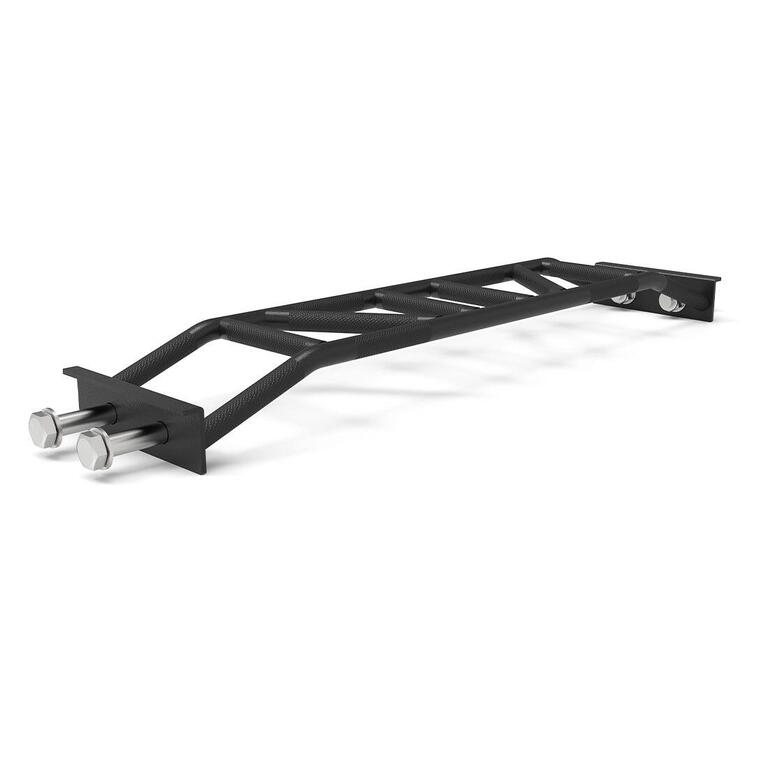
Advanced and strength athletes. Multi-grip heavy-duty pull-up bars are built for intense training and varied exercises. Multiple grip options and high load capacity support advanced movements where standard bars tend to limit progression.
How to care for your pull up bar
Consistent upkeep ensures your pull up bar stays solid and safe. Use a dry cloth to wipe down your bar right after working out to remove sweat and moisture. Once each month, check that all mounting bolts and fasteners are tight and secure. If you've mounted it outdoors, watch for weather damage as rust and corrosion develop from exposure. Wash it carefully with soap and water when doing deep cleaning, then dry completely. Inspect the gripping surface often for wear and replace any worn padding. Your bar is covered by a 2-year warranty when purchased through Decathlon AU.
Pull up bars by type
Type
Best for
Doorway and beginner bars
First-time buyers, renters, basic pull-ups and chin-ups.
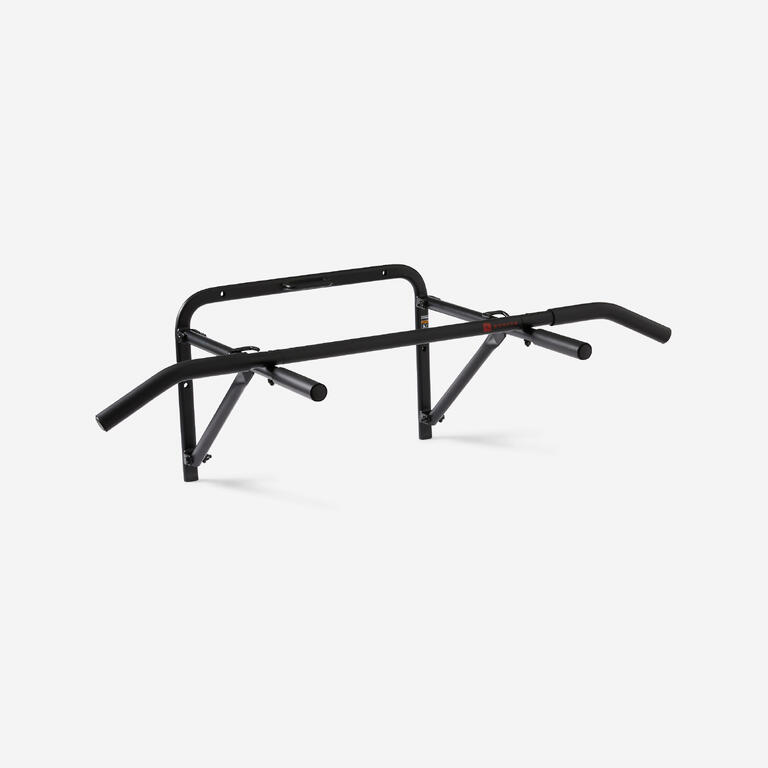
Standard grip bars, all-round training, home and garage use.
What load capacity should a pull up bar have for beginners?
Choose a pull up bar with at least 150 kilograms weight capacity. This provides enough safety margin for bodyweight exercises whilst supporting your growth as you get stronger. Beginner pull up bars are built with this capacity to keep you safe and supported.
Can a doorway pull up bar handle all training approaches?
For basic pull-ups and chin-ups, doorway bars offer great convenience with easy installation for standard movements. Advanced training, weighted pull-ups or muscle-ups require wall or ceiling-mounted bars providing superior stability and higher load capacity.
What is the best pull up bar for small spaces?
How long does a pull up bar last?
What is the best pull up bar for grip strength training?
A doorway bar proves best for small spaces. Look for models that require minimal wall space and install in most standard doorframes without permanent alterations, making them ideal for apartments and small rooms.
With consistent care, a pull up bar performs reliably for several years. Watch for grip surface degradation, oxidation on metal components and loose mounting bolts. All pull up bars are guaranteed for 2 years when purchased at Decathlon AU.
A textured thick-grip bar succeeds for pull-up training. Thicker bars maximize forearm recruitment and develop grip performance quicker than narrow-diameter bars throughout conditioning.
Build Upper Body Strength With A Pull Up Bar
Upper body strength starts with a solid bar. Decathlon's selection spans beginner-suitable models, standard bars for consistent training, and advanced options for peak performance work. All bars are engineered for stability and tested by strength professionals. Set up your bar online, in-store, or with expert consultation.
 All SportsMenWomenKidsAccessoriesEquipment and LeisureHealth & NutritionBest DealsNew ArrivalsMarketplace
 Hiking & Trekking
 Swimming
 Cycling
 Fitness (Yoga/Pilates)
 Camping
 Running