Improving lap swimmers
Taking your legs out of the stroke helps you feel your catch and work on a long, smooth pull.
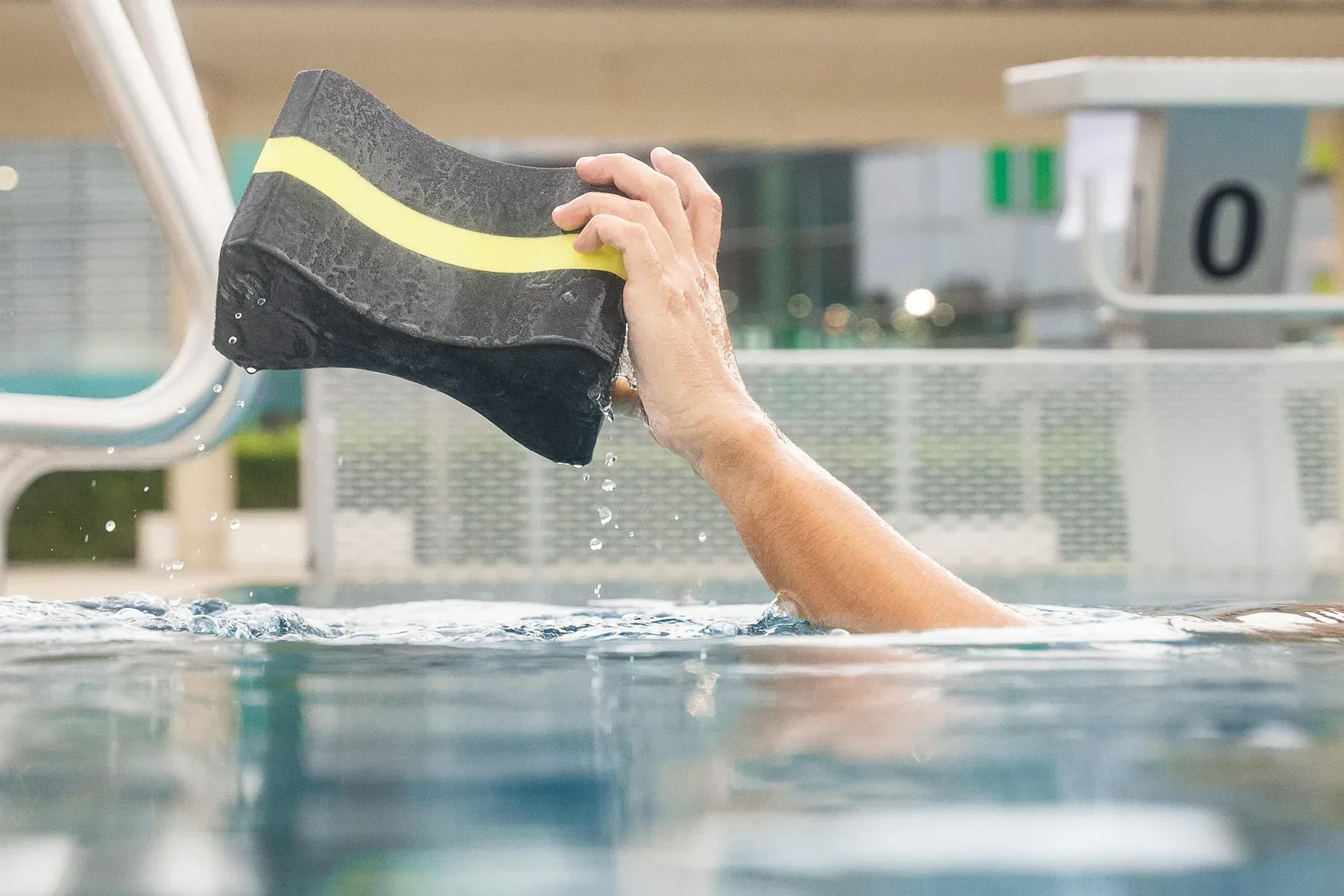
A pull buoy sits between your thighs and lifts your legs, so you can focus on your arms and body position. We'll help you pick the right size and feel, and show you how to use it well in your sets.
Options from our pull buoy range, plus two training aids that pair well.
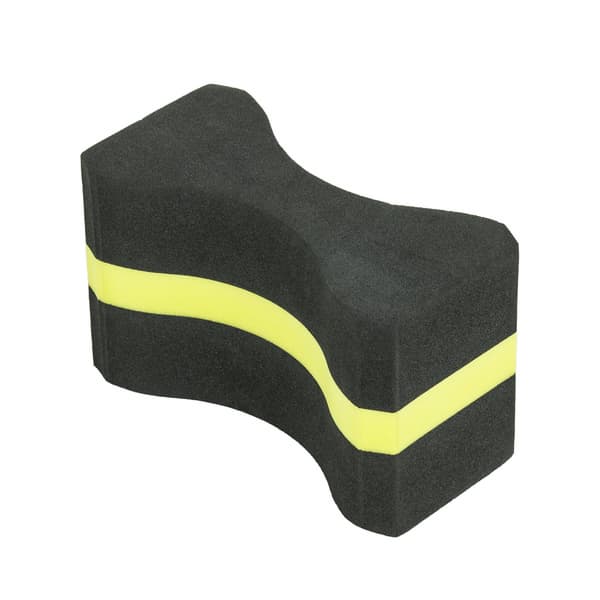
Size M foam buoys for steady technique sets.
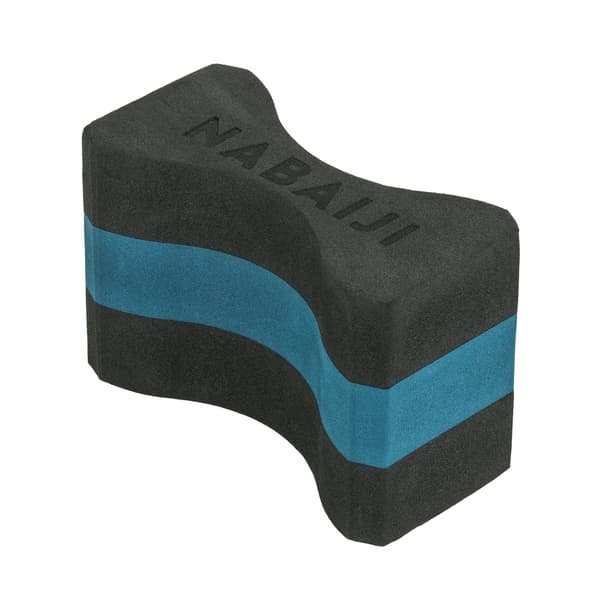
Size L buoys with extra float for sinking legs.
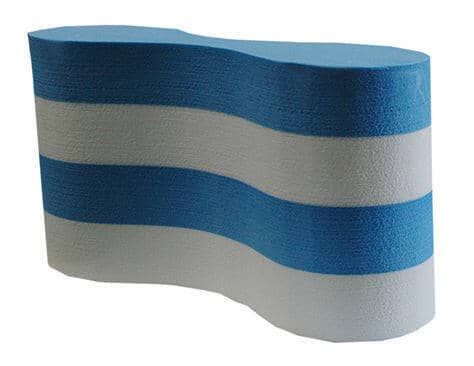
Light, flexible foam buoys built up in layers.
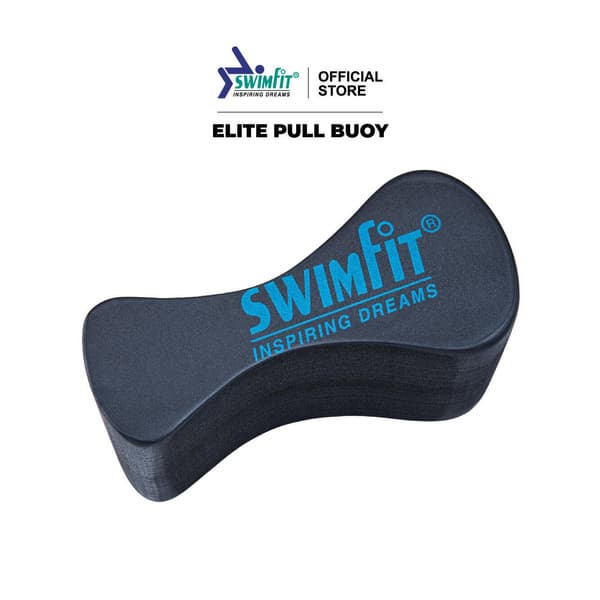
Extra-hard foam buoys shaped to stay in place.
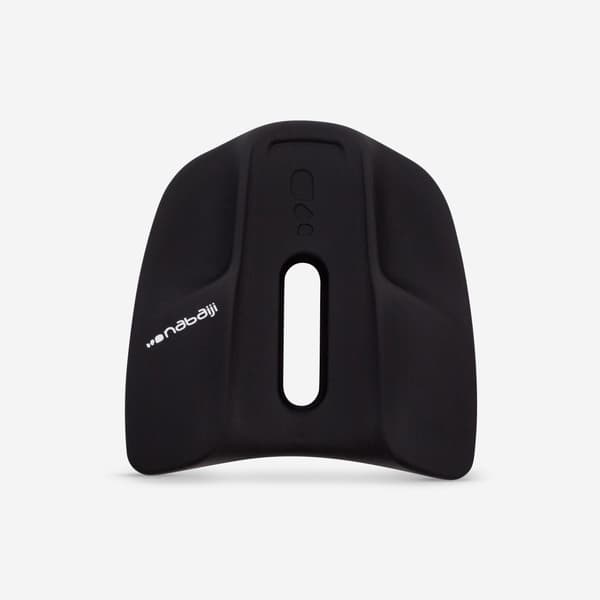
Boards for kick sets, including a pull kick hybrid.
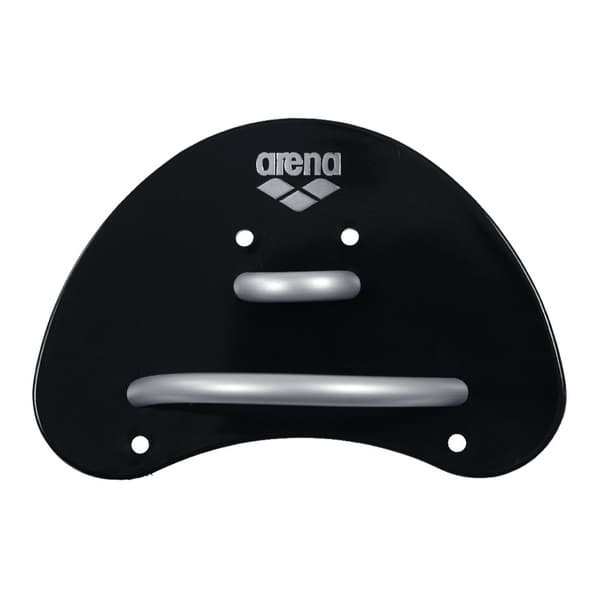
Hand and finger paddles to add resistance to pulls.
The more a buoy floats, the higher it lifts your legs. Our DECATHLON buoys come in size M (18 newtons) and size L (22 newtons), so you can match the lift to how much your legs tend to sink.
A buoy should sit snugly between your upper thighs without forcing your legs apart. Smaller swimmers often find a medium size comfortable, while taller swimmers may prefer the larger one.
Soft, flexible foam feels forgiving against your legs. Extra-hard foam holds its shape and stays put. Both work well, so choose what still feels comfortable at the end of a long set.
Most swimmers use a pull buoy for part of a session rather than all of it. If you swim several times a week, a firm, durable foam buoy will handle regular use.
Taking your legs out of the stroke helps you feel your catch and work on a long, smooth pull.
Pull sets build the upper-body strength that carries you through the swim leg.
A buoy lifts your hips, so you can practise a flatter body position and relaxed breathing.
| Option | What it does | Best for |
|---|---|---|
| Size M foam buoy | Medium lift, 18 newtons | Technique and everyday sets |
| Size L foam buoy | More lift, 22 newtons | Taller swimmers or sinking legs |
| Layered soft foam buoy | Flexible, lightweight feel | Comfort on longer sets |
| Extra-hard shaped buoy | Holds its shape and stays put | Frequent training |
| Pull kick | Works as a buoy or a kickboard | Packing light for squad |
| Hand paddles | Adds resistance to your pull | Building upper-body strength |
A pull buoy is a float that sits between your thighs. It keeps your legs up without kicking, so you can focus on your arm stroke, catch and breathing. Coaches use pull sets to build upper-body strength and to help swimmers feel a flatter, more streamlined position in the water.
Most swimmers place it high between the thighs, just below the hips. That keeps your legs together and your hips lifted. Some experienced swimmers move it lower, between the knees, to make the drill harder, but start at the thighs until it feels natural.
Think about your build and how much your legs sink. A medium buoy gives steady lift and suits many adults, while a larger one floats more for taller swimmers or legs that drop. If you're unsure, start with medium and see how your hips sit in the water.
You can, and many squads do. Paddles add resistance to your pull, so the combination is a demanding upper-body workout. Build up gradually, keep paddle work to part of your session and stop if your shoulders feel sore.
It can help once you're comfortable swimming laps on your own. A buoy takes away the kick so you can practise breathing and arm technique without your legs dragging. It isn't a flotation aid for learning to swim, so newer swimmers should stay within their depth and swim where lifeguards are on duty.
Pick the buoy that suits your build and add a few pull sets to your week. Kickboards, paddles and more are in our swimming range.
Free delivery on orders over $150. Members get our lifetime warranty.