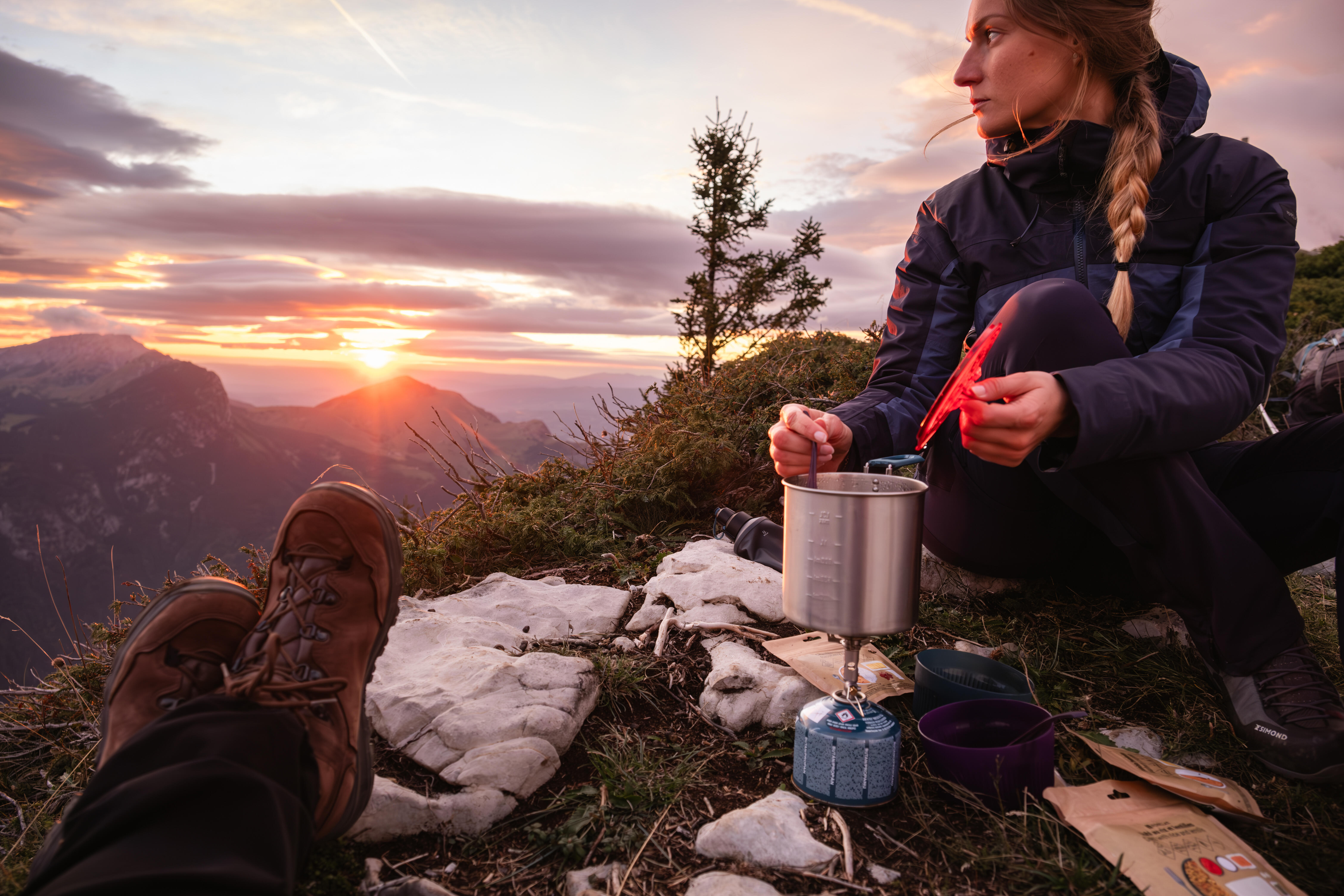
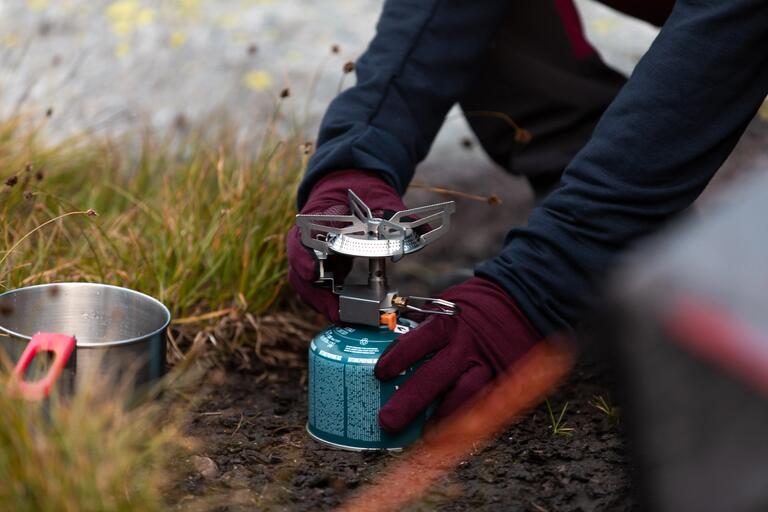
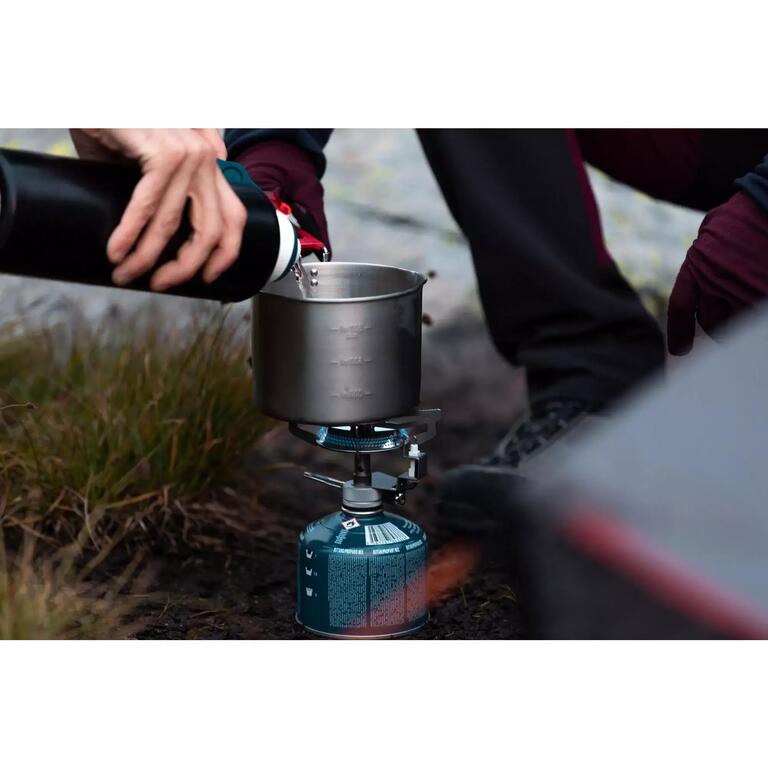
Cook hot meals wherever you end up with a portable gas stove. Compact, easy to carry and simple to run, these stoves suit camping, picnics and road trips, so you can cook properly whenever you stop.
How you like to cook outdoors should guide the amount of power you need. A stove with around 2,600 to 2,800W is ideal for boiling water, making coffee and preparing everyday meals, while higher-powered models around 4,000W heat up faster and handle larger pots more comfortably. Adjustable flame control also gives you more precision when simmering or cooking delicate dishes.
Size & Portability
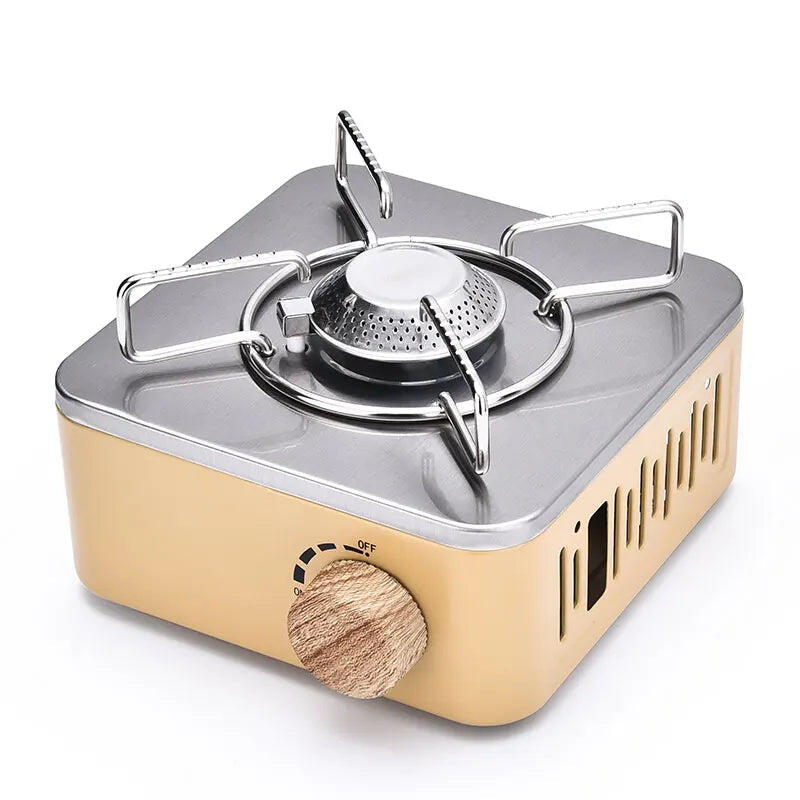
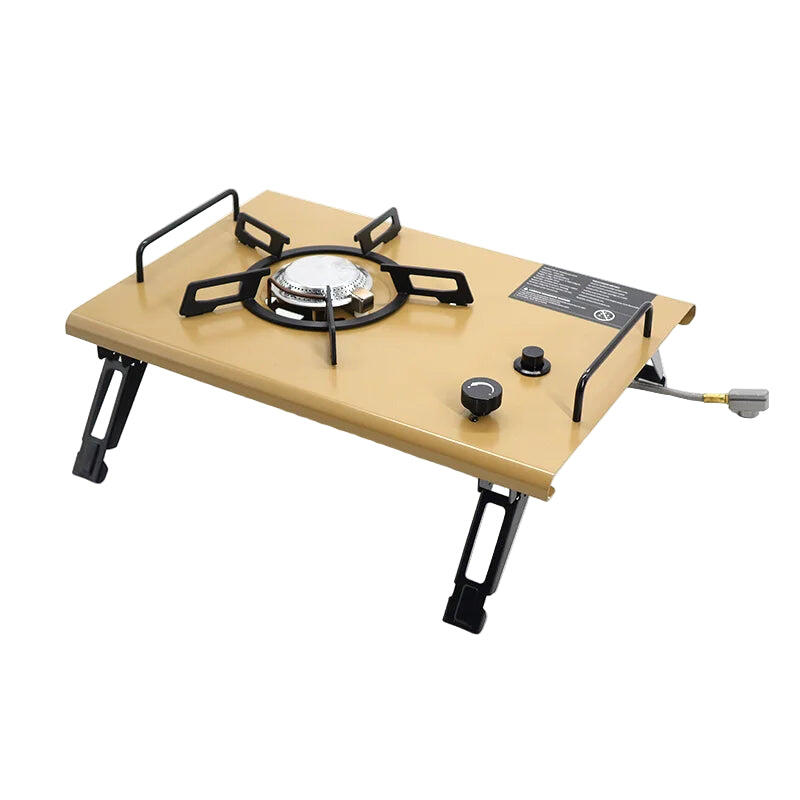
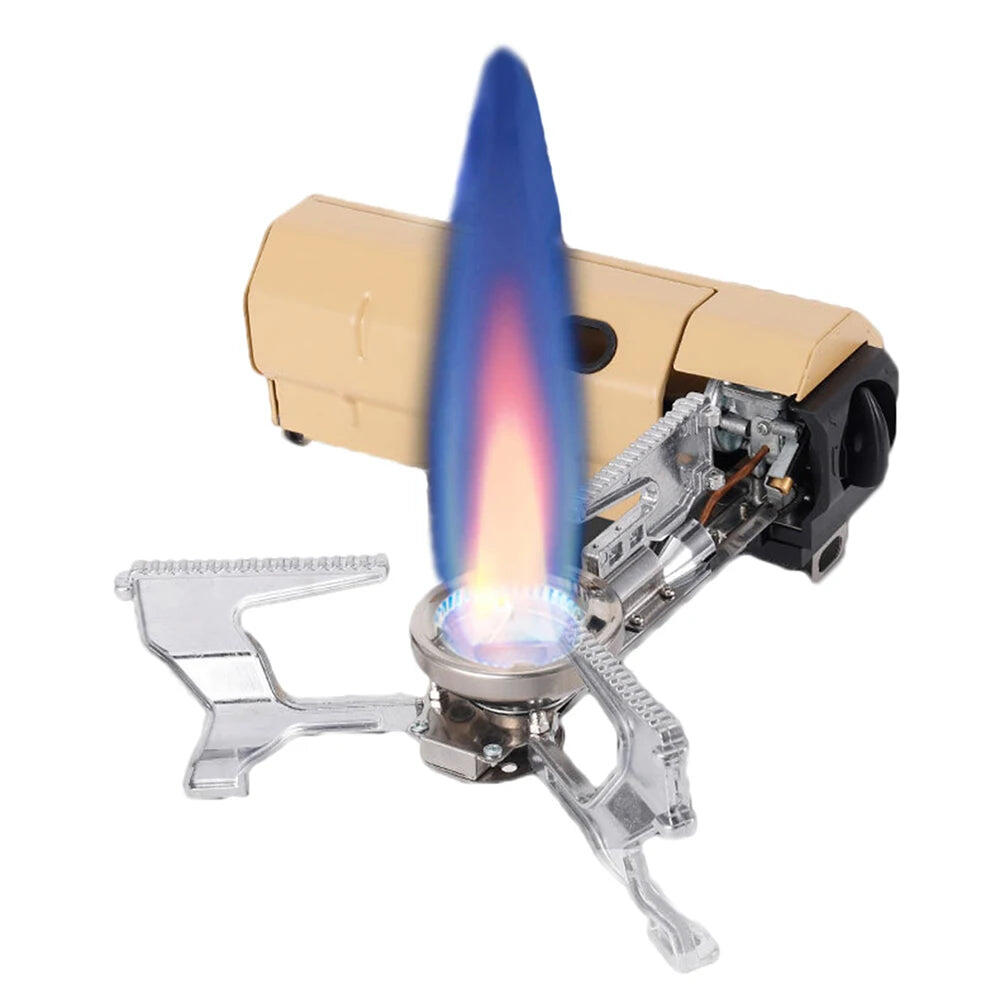
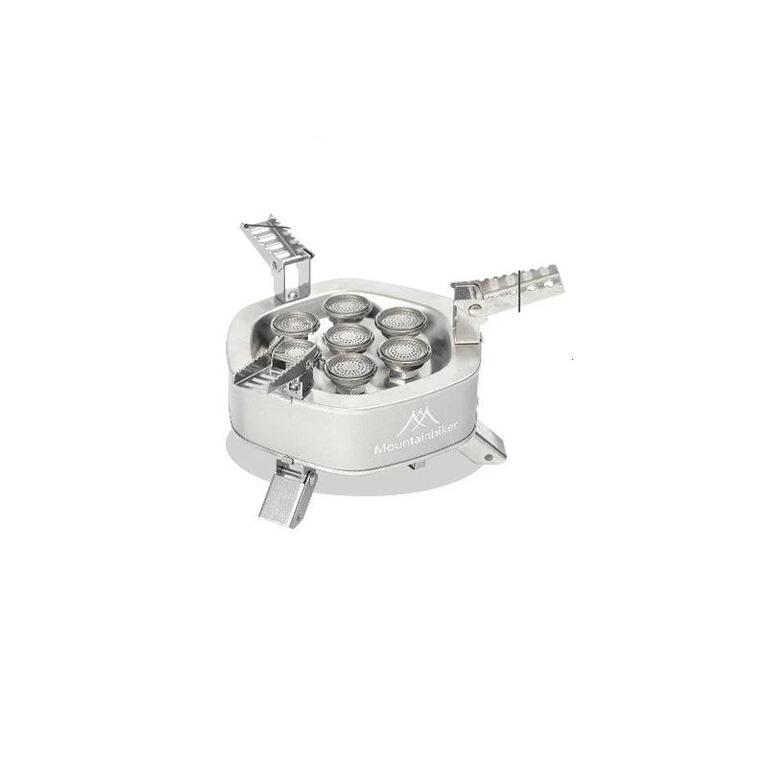
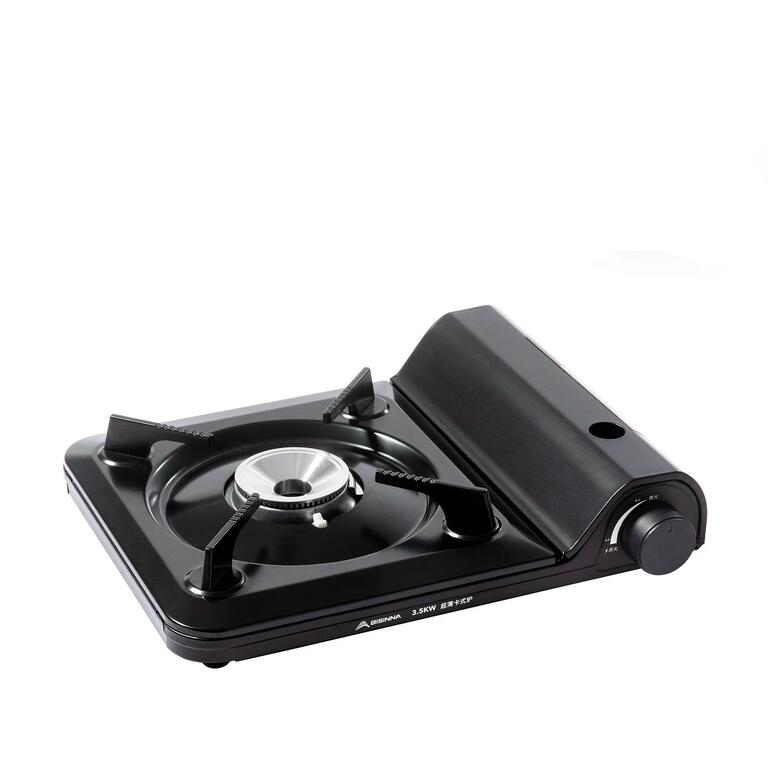
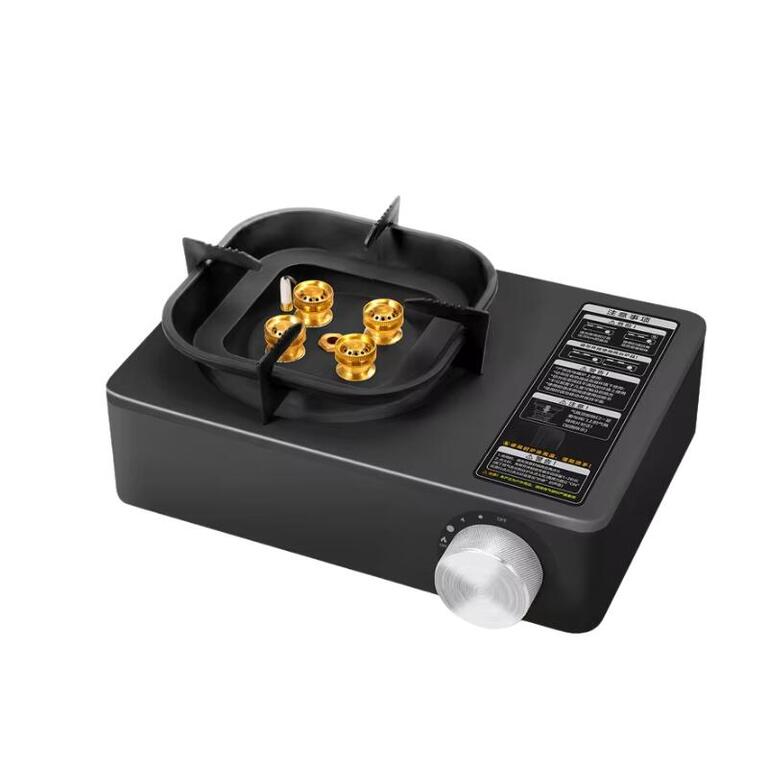
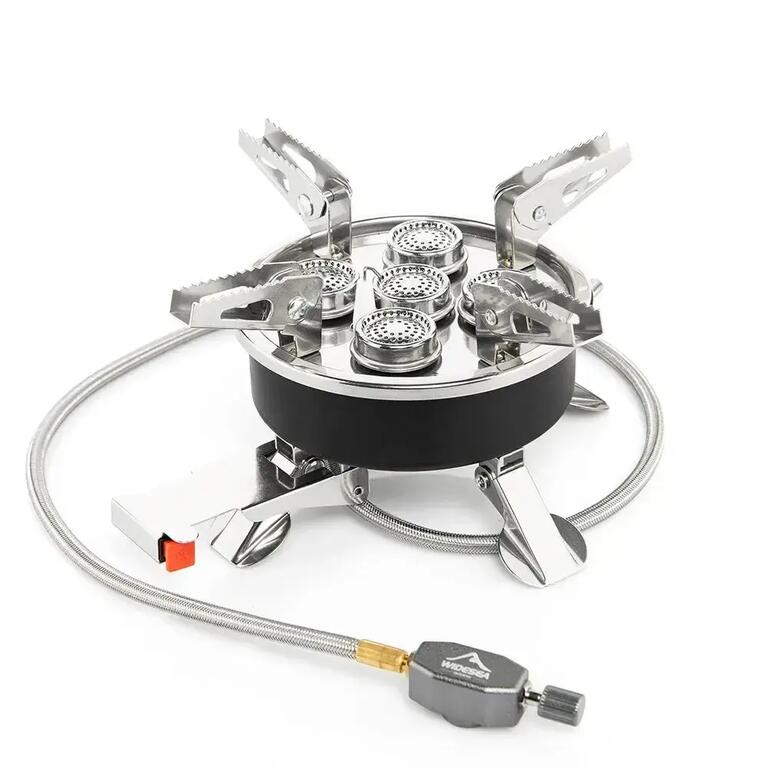
A portable gas stove should fit the way you travel. Compact, lightweight models are easy to pack for hiking, picnics and day trips, while larger stoves provide a more stable cooking platform for car camping and family trips. Foldable designs or carry cases also make transporting and storing your stove much simpler between trips.
Stability
Cooking outdoors often means uneven ground, so a stable stove is essential. Look for sturdy pot supports and a solid base that keeps cookware secure while you're stirring, boiling or frying. A well-balanced design not only makes cooking easier but also helps improve safety around hot pots and open flames.
Build & Durability
Regular camping trips call for a stove that can handle repeated use. Stainless steel components and durable construction stand up well to heat, outdoor conditions and frequent transport, while quality finishes are easier to wipe clean after cooking. Investing in a well-built stove means it'll be ready for many camping trips to come.
Occasional weekend campers. A simple stove that heats water and cooks basic meals is all you need for a couple of trips a year. Easy setup and storage so you're not fussing with gear.
Regular camping families. Cooking proper meals for multiple people most weekends means you need steady heat and stable performance. Something that just works trip after trip without drama.
Frequent campers. Regular trips need a stove built for repeated use. Hard-wearing materials and steady output make each trip easier.
How to care for your portable gas stove
Wipe off food and grease with a damp cloth once the stove has fully cooled. Check the burner, pot supports and fuel connection for dirt or damage, then store it somewhere cool and dry until next time. A clean, well-kept stove is safer and cooks better.
Think about how many people you cook for, how often you'll use it, and if packability or power matters most. A compact stove suits solo trips; higher-powered models suit family camping and bigger meals.
Can I use a portable gas stove in windy conditions?
Many portable gas stoves perform well outdoors, especially models with stable pot supports or wind-resistant designs. Using a windbreak where appropriate can also help improve cooking efficiency.
What fuel does a portable gas stove use?
How should I clean a portable gas stove?
Can I cook more than just simple meals on a portable gas stove?
The fuel depends on the portable gas stove you choose. Some models use butane canisters, while others are compatible with propane or different gas cartridges. Always check the product specifications to use the correct fuel safely.
Let the stove cool fully, then wipe off food with a damp cloth. Keeping the burner and fuel connection clean keeps it working well and ready for next time.
Yes. Depending on the power of your stove, you can boil water, make coffee or cook full breakfasts, dinners and one-pot camping meals.
Cook Outdoors with Confidence
A good portable gas stove makes outdoor cooking simple wherever you go, morning coffee or dinner after a long day out. Compare sizes, power outputs and designs to find one that suits your trips and makes every meal outdoors a little easier.
 All SportsMenWomenKidsAccessoriesEquipment and LeisureHealth & NutritionBest DealsNew ArrivalsMarketplace
 Hiking & Trekking
 Swimming
 Cycling
 Fitness (Yoga/Pilates)
 Camping
 Running