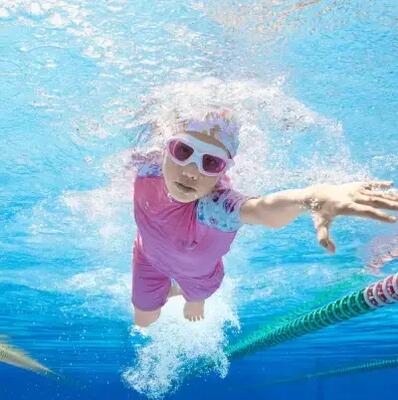
Fitness lap swimmers
Training aids add variety and purpose to regular sessions.
A few well-chosen training aids can make every lap session more focused. We would start with goggles and a cap you trust, then add a kickboard, pull buoy, fins and paddles as your sessions grow.
The gear we would use, from first essentials to drill tools.
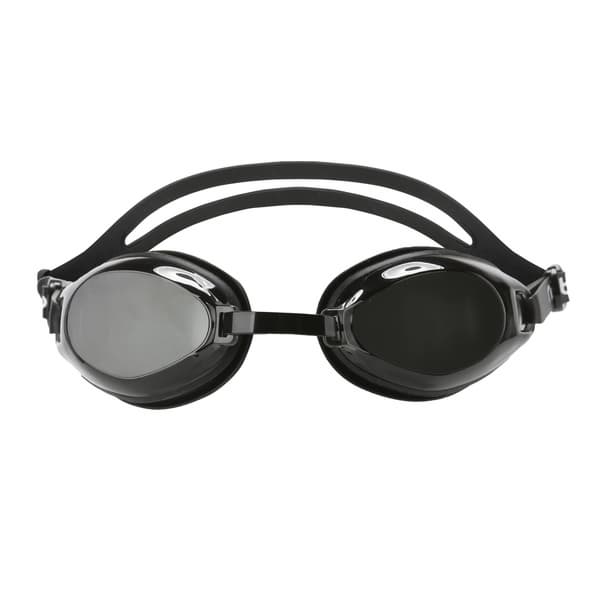
Goggles and swim masks for clear, comfortable lengths.
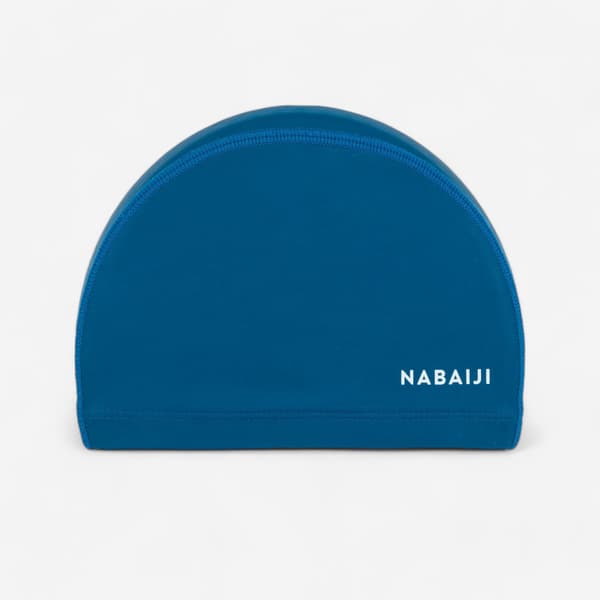
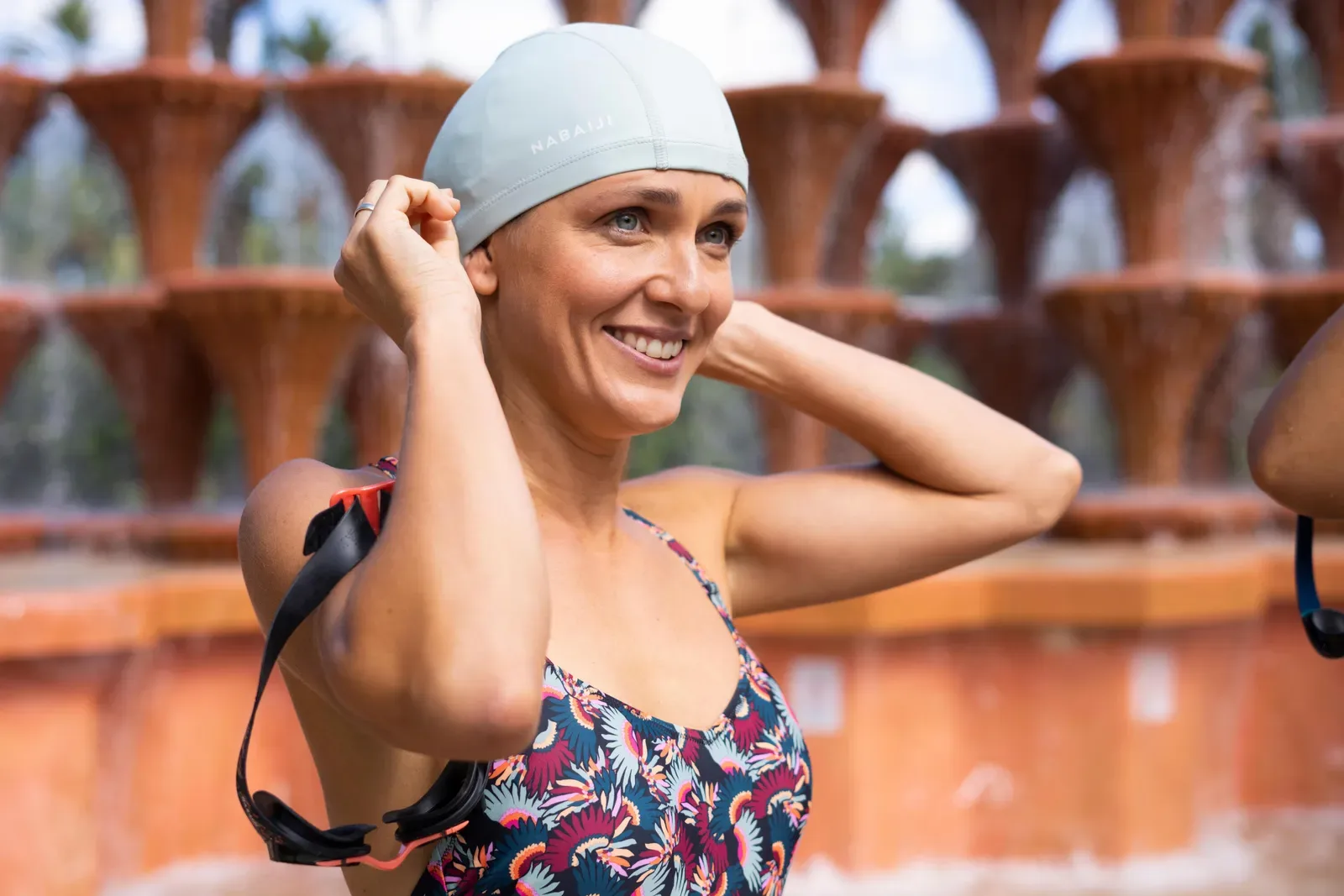
Silicone, fabric and mesh caps for regular sessions.
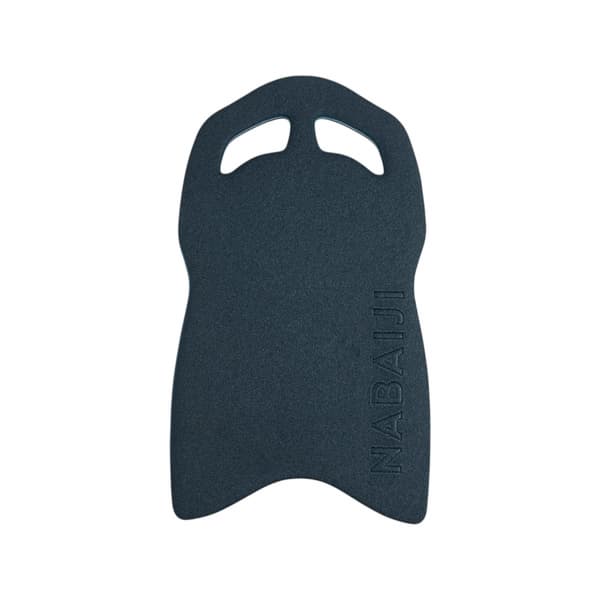
Fins, kickboards and pull buoys for focused drills.
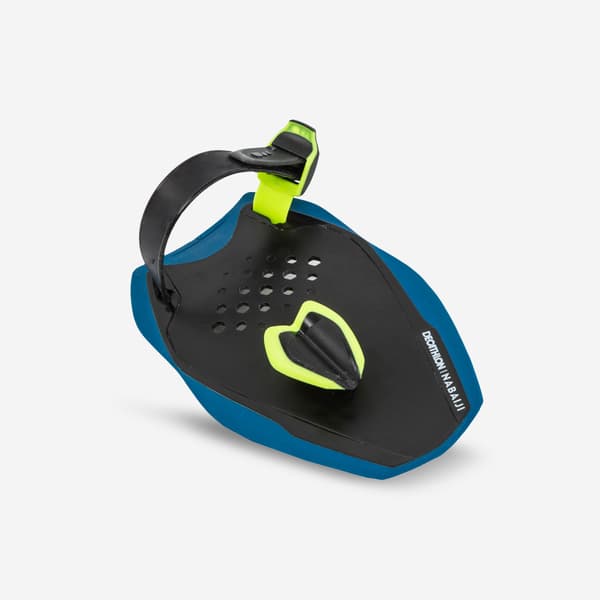
Hand and finger paddles for building pulling strength.
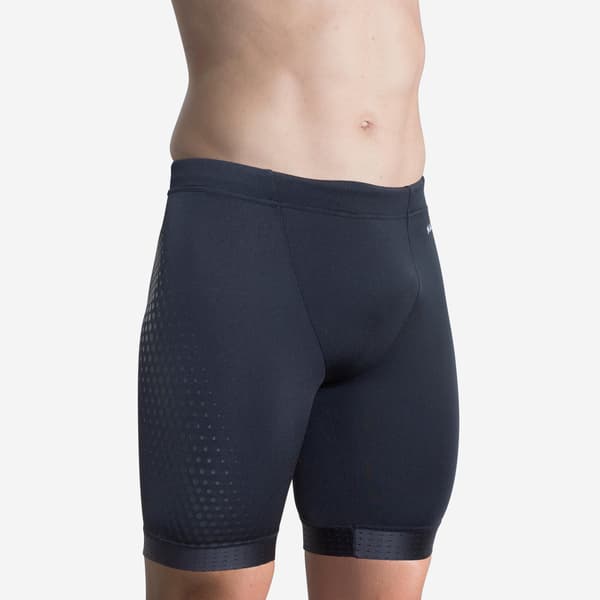
Swimwear for adults and kids made for pool use.
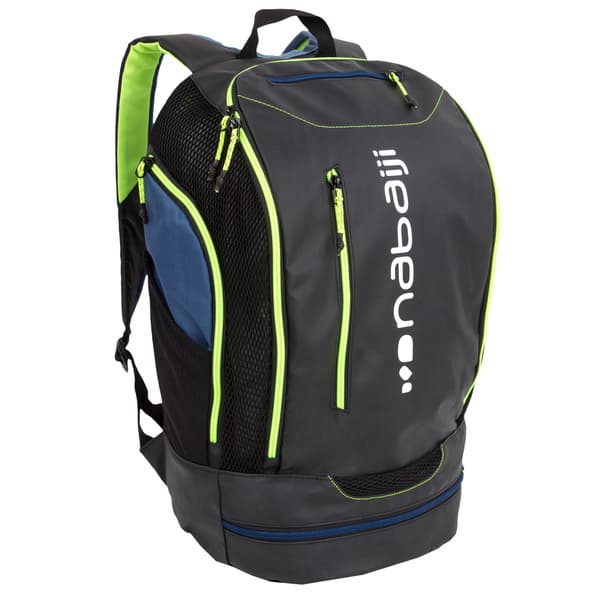
Swim bags, backpacks and pouches to carry your kit.
Press the goggles to your eyes without the strap. If they hold for a moment, the seal suits your face.
Short fins keep your kick close to your normal rhythm and are easier on the legs. Longer fins give more push, which can help with drills and confidence.
Start with smaller paddles or finger paddles and build up slowly. Large paddles load your shoulders more, so they are best added once your stroke is solid.
Chlorine wears out ordinary swimwear quickly. Chlorine-resistant fabrics hold their shape and colour for longer if you train often.
Training aids add variety and purpose to regular sessions.
Most squad sessions call for a kickboard, pull buoy, fins and paddles.
Pool drills build the stroke you will rely on in open water.
| Item | Why it matters | Tip |
|---|---|---|
| Goggles | Clear vision for every length | Keep a spare pair in your bag |
| Swim cap | Keeps hair out of your face | Silicone tends to last longest |
| Kickboard | Isolates your legs to build your kick | Keep your arms relaxed on the board |
| Pull buoy | Lets you focus on your arms | Squeeze it lightly between your thighs |
| Fins | Add speed and help with drills | Mix finned and unfinned sets |
| Hand paddles | Build strength in your pull | Start small to protect your shoulders |
| Chlorine-resistant swimsuit | Lasts longer with regular training | Rinse it in cold water after each swim |
Comfortable goggles and a cap come first, as you will use them every session. After that, a kickboard and a pull buoy are the most useful training aids, because they let you work on your legs and arms separately. Add fins and paddles once you are swimming regularly and want more variety.
Place the pull buoy between your upper thighs and squeeze it lightly so your legs float without kicking. This lets you focus on your arm stroke, breathing and body position. Try not to let your hips sag, and keep the sets short at first while you get used to it.
Short fins keep your kick closer to your normal speed and rhythm, which is why many squad swimmers use them. Longer fins give more propulsion, which can help newer swimmers with drills and body position. Both are useful; the best choice depends on what you want each set to achieve.
Paddles can be useful, but they increase the load on your shoulders. Start with small paddles or finger paddles, use them for short sets and stop if you feel any shoulder pain. If you have had a shoulder injury, check with a health professional or coach before adding paddles.
Chlorine slowly breaks down ordinary swimwear fabric, so it can lose shape and colour if you swim often. Chlorine-resistant fabrics are designed to hold up for longer in pool water. Rinsing your swimsuit in cold fresh water after every swim also helps it last.
Start with the essentials and add training aids as your sessions grow. Our full swimming range is here when you are ready.
Free delivery on orders over $150. Members get our lifetime warranty.