First-time players
Everything here covers your first few months of social games without overspending.
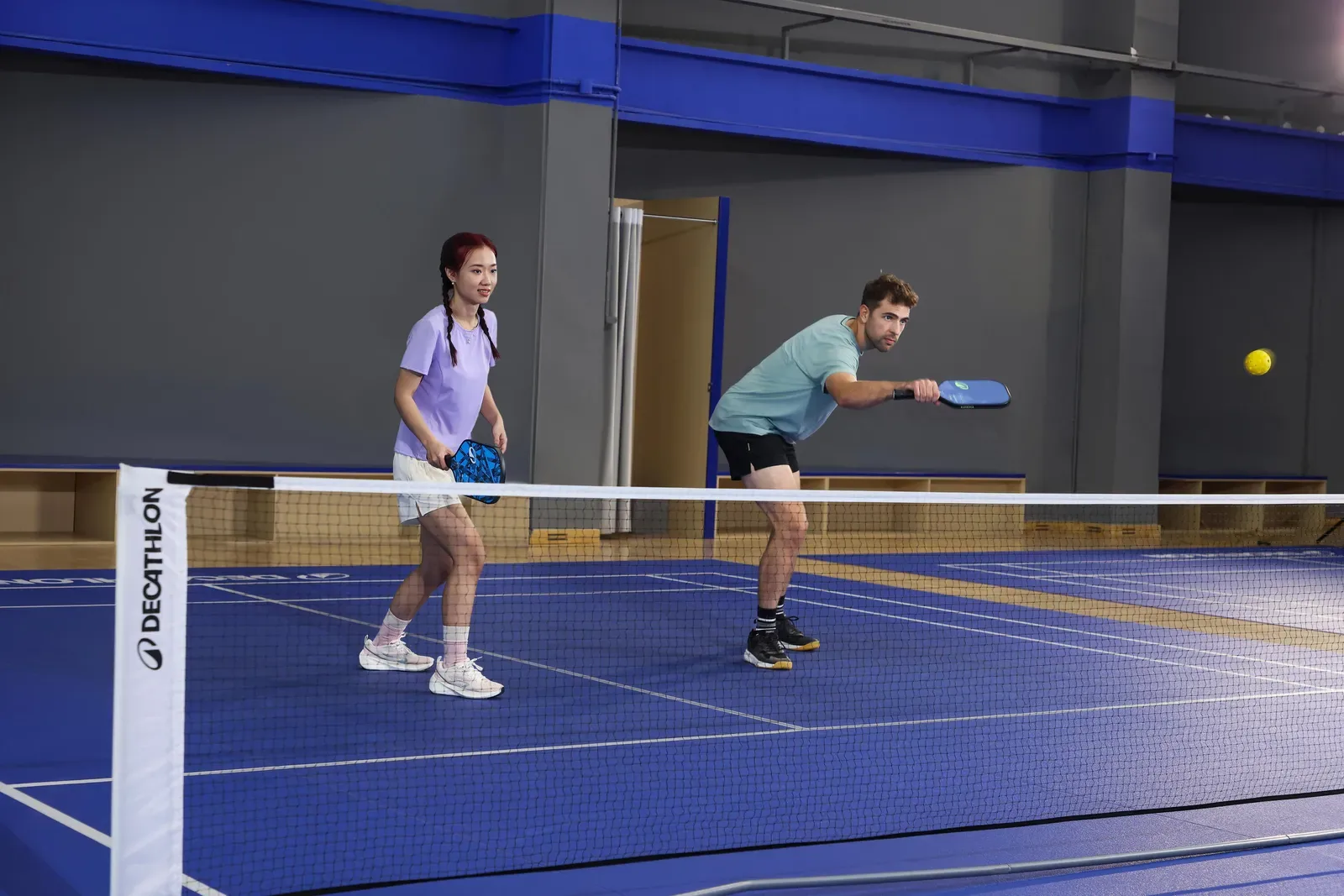
Pickleball is quick to learn and very easy to get hooked on. Here is the short list of gear a beginner actually needs, in the order we would buy it, so you can get on court sooner.
The essentials we would pick first, most important at the top.
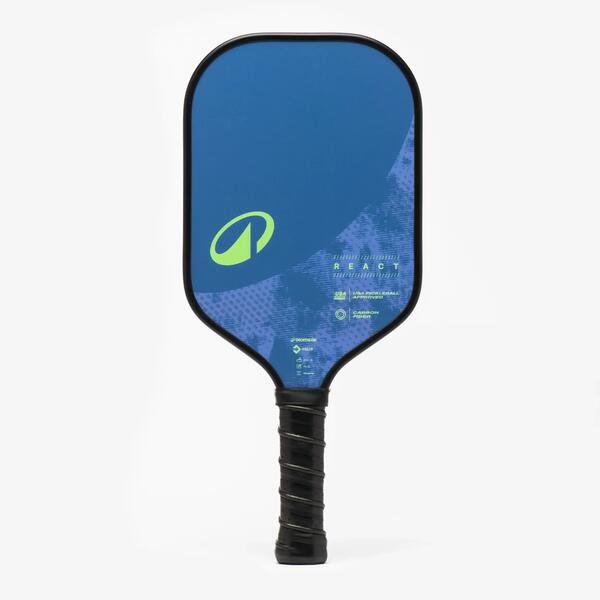
Paddles and sets, from easy starters to carbon.
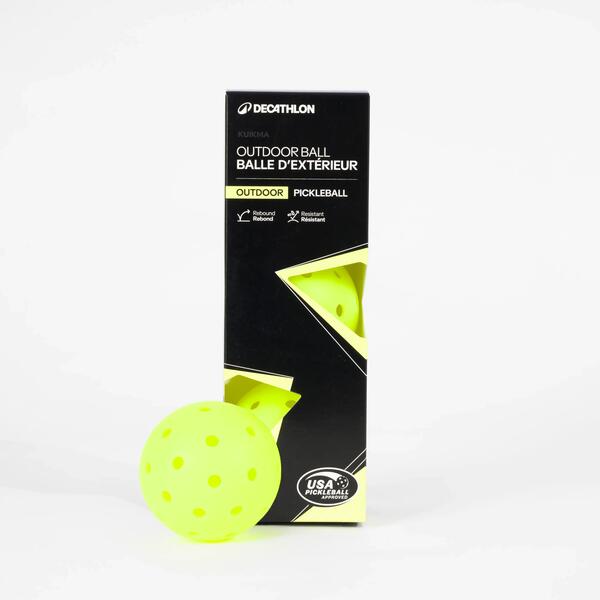
Indoor and outdoor balls, plus a few practice extras.
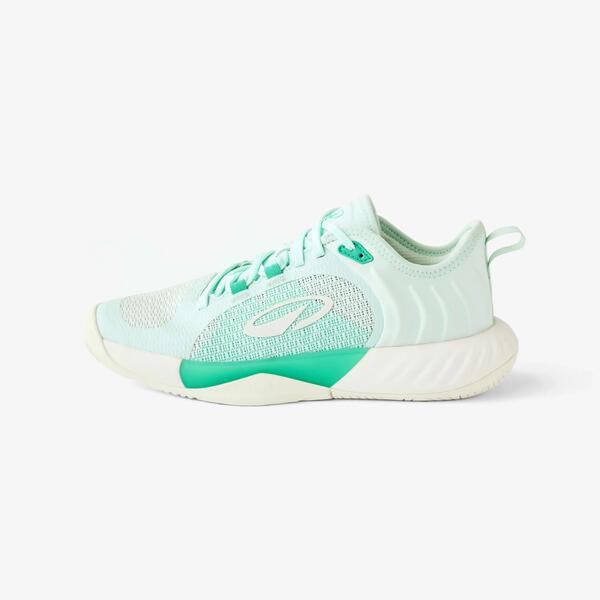
Multi-court shoes for adults and kids that grip.
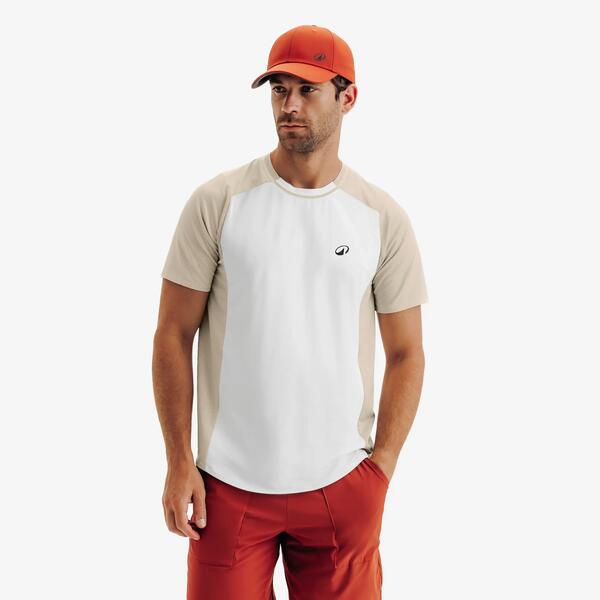
Breathable tees and shorts for adults and kids.
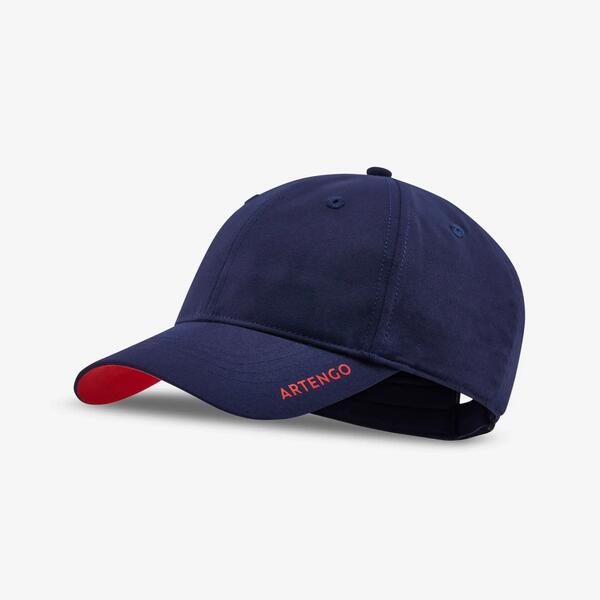
Caps, overgrips and sweatbands for longer sessions.
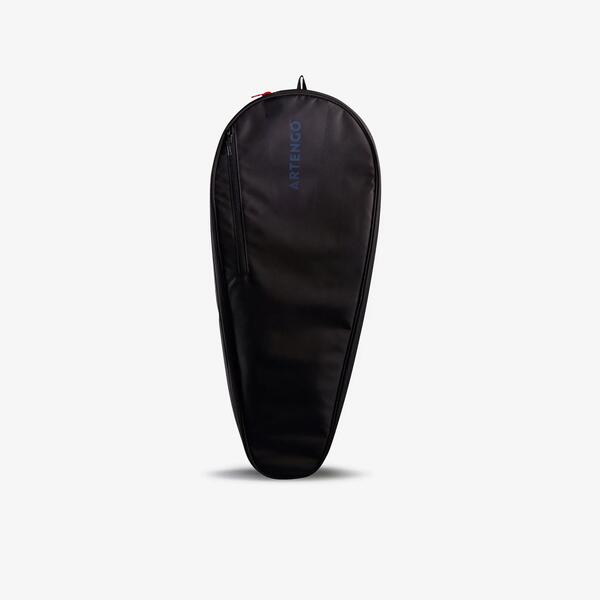
Racket bags and covers to carry your kit.
Lighter paddles are easier to control and gentler on the arm, while heavier ones add power. Most beginners do well with a mid-weight paddle and adjust once their style settles.
Outdoor balls are harder with smaller holes, so they cope with wind and rough courts. Indoor balls are softer and slower. Buy for the courts you play on most.
Pickleball is full of short side steps, and running shoes are built to go forwards. Multi-court shoes support lateral moves and grip well on hard courts.
A handle that feels too thin or slippery makes you squeeze harder than you need to. An overgrip adds a little thickness and soaks up sweat, so you can hold the paddle loosely.
Everything here covers your first few months of social games without overspending.
You may already own shoes and clothing, so start with a paddle and balls.
A paddle set and a bag of balls gets several people playing at once.
| Item | Why it matters | Tip |
|---|---|---|
| Paddle | Your main tool for every shot | A mid-weight paddle suits most beginners |
| Balls | Indoor and outdoor balls play differently | Keep a few spares, as outdoor balls can crack |
| Court shoes | Support quick side steps | Choose shoes made for multi-court play |
| Breathable clothing | Keeps you cool between rallies | Light tees and shorts dry fastest |
| Cap or visor | Cuts glare on outdoor courts | Pair it with sunscreen and a water bottle |
| Overgrip | Improves hold on a sweaty handle | Replace it once it turns smooth or shiny |
| Racket bag | Keeps paddles and balls together | Pick one with room for shoes and a drink |
A paddle, a few balls and a pair of court shoes are the real essentials. Most public courts and clubs supply the net, so you rarely need your own. Add breathable clothing, a cap for outdoor courts and a bag once you are playing regularly.
Focus on weight and grip size before materials. A mid-weight paddle gives a good balance of control and power, and the handle should let you hold it without squeezing. Fibreglass and composite faces are forgiving for beginners, while carbon faces tend to suit players who want more feel and spin later on.
Outdoor balls are made from harder plastic with more, smaller holes, which helps them fly true in the wind and survive rough concrete. Indoor balls are softer, with fewer and larger holes, so they bounce lower and feel slower. Using the right ball for the surface makes rallies more consistent.
You can for a casual hit, but we would not recommend it for regular play. Running shoes are designed for forward motion and often have soft, raised heels that can roll on quick sideways moves. Multi-court shoes sit lower and give more support for lateral steps.
Warm up for a few minutes with light movement and easy dinks before playing points. Build up the length and number of sessions gradually, and stay hydrated on warm days. If you have a previous injury or have been inactive for a while, it is worth checking with a health professional first.
Start with a paddle, balls and good shoes, then add the extras as you play more. Our full racquet sports range is here when you want to explore.
Free delivery on orders over $150. Members get our lifetime warranty.