First-time overnighters
You have done day hikes and want to sleep out for the first time. Start with a short, well-marked trail and a campsite you can reach easily.
Your first night on the trail is easier than it looks once the core kit is sorted. Here is what we pack for a comfortable, safe overnight hike, and what to skip so your bag stays light.
Six ranges that cover shelter, sleep, carrying, light and warmth.
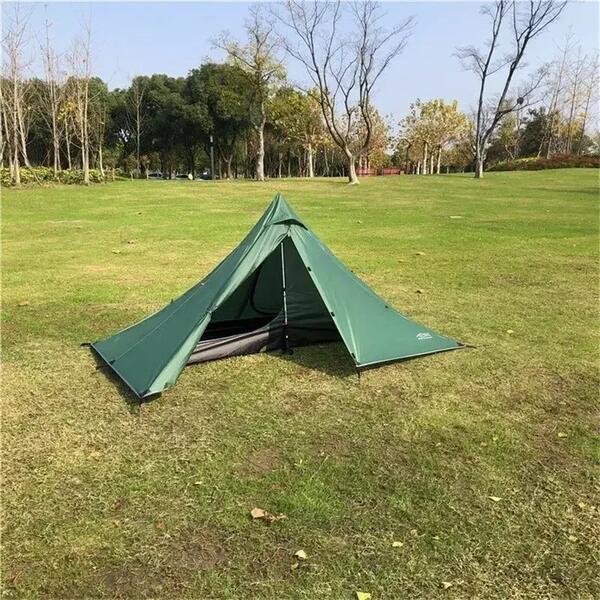
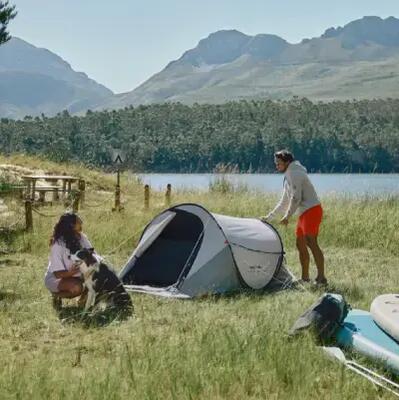
Packable tents and shelters for a night outdoors.
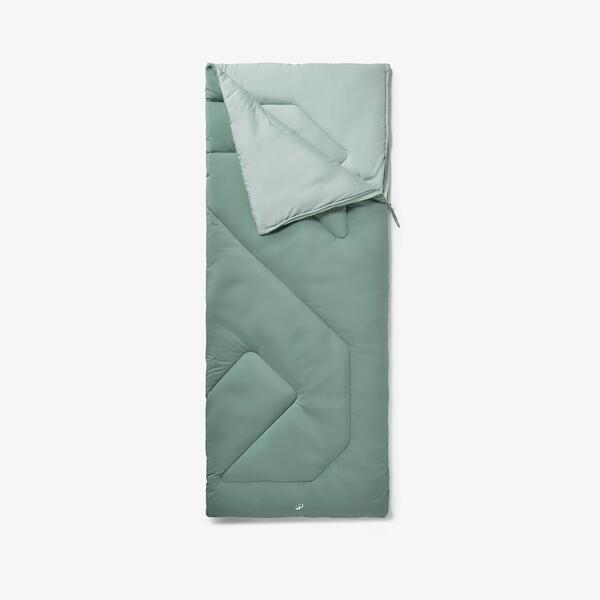
Sleeping bags across a range of temperature ratings.
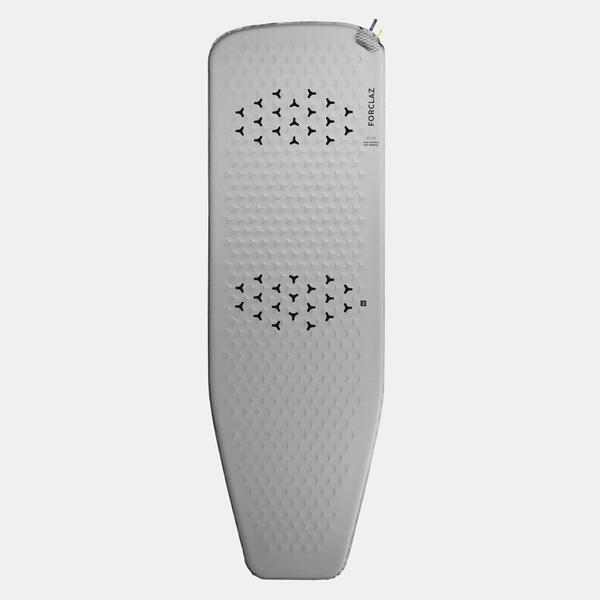
Mats that cushion you and block ground chill.
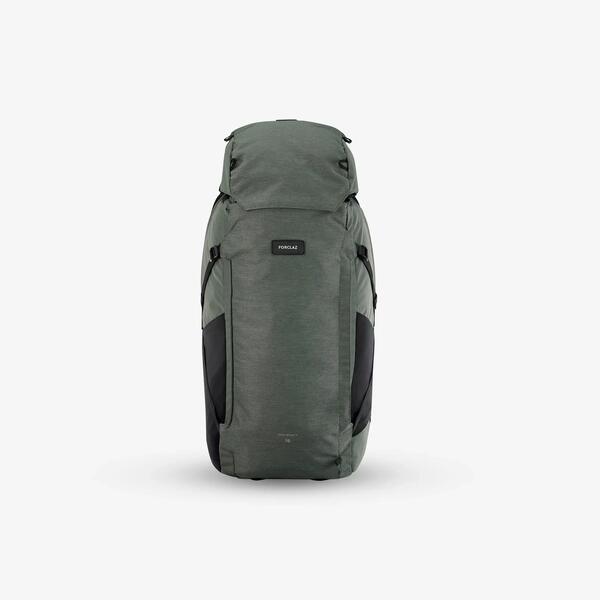
Packs from small daypacks up to roomy trekking sizes.
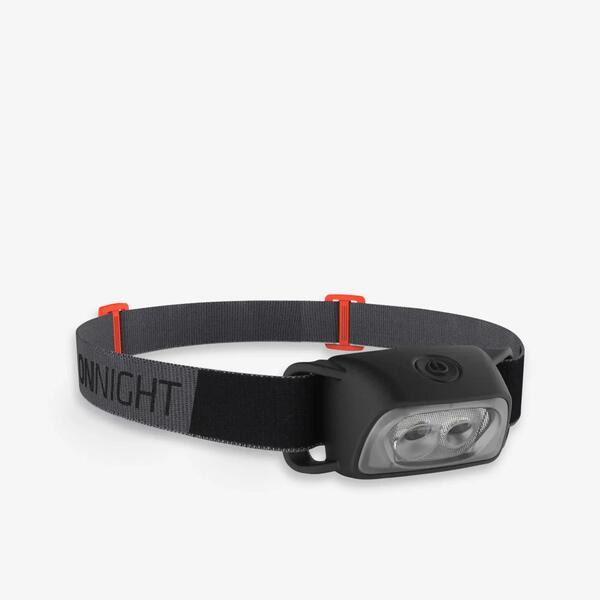
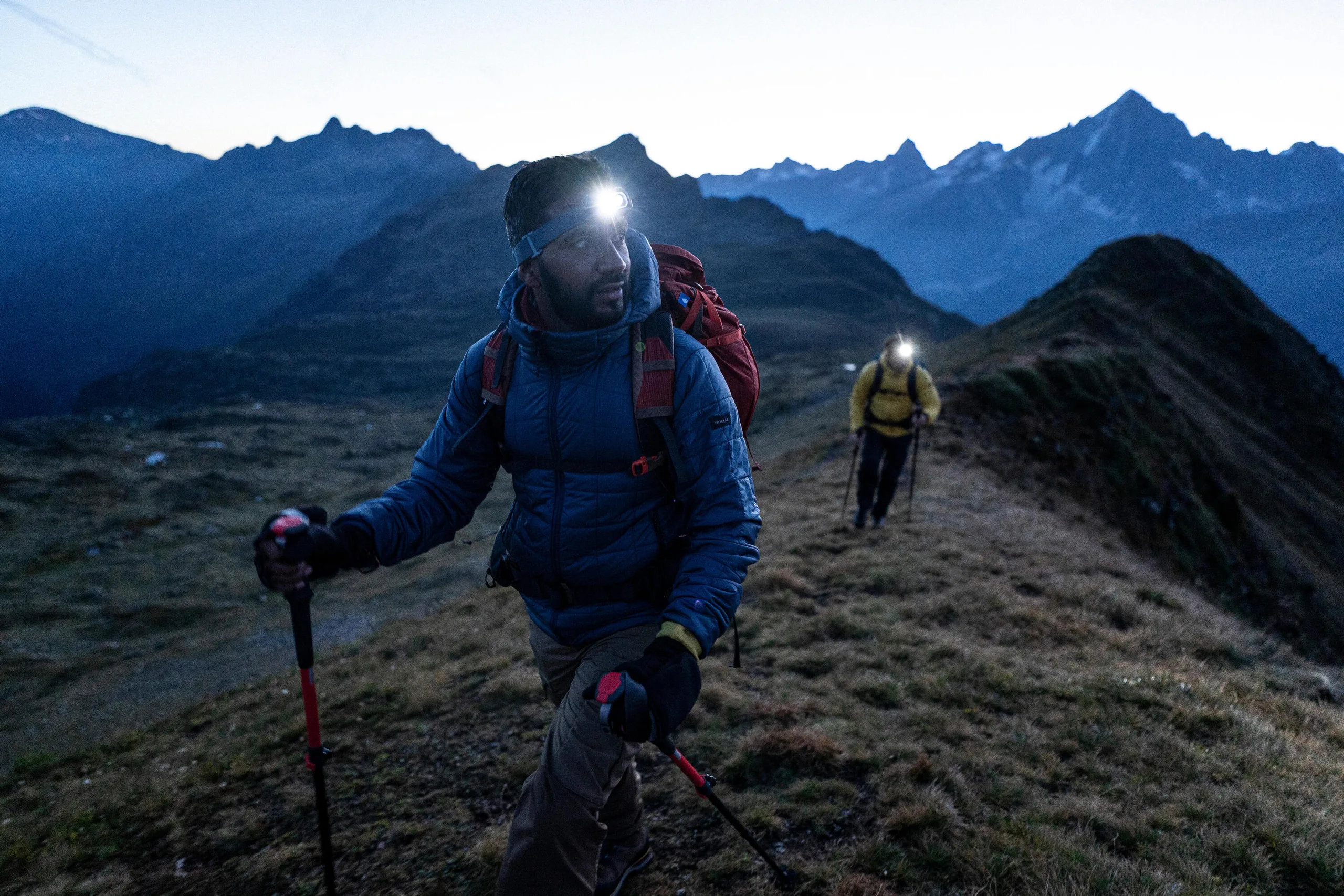
Hands-free head torches for camp jobs after sunset.
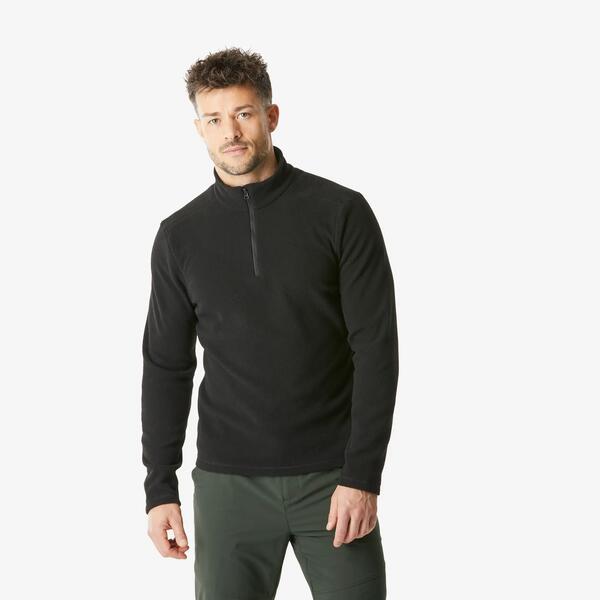
Fleece layers to pull on when the evening cools.
Everything goes on your back, so lighter is kinder on your legs and shoulders. Lay your kit out at home, weigh the big items and ask if each one earns its place. Shelter, sleep system and pack are where the biggest savings sit.
Go by the comfort rating rather than the limit rating. Pick a bag whose comfort rating sits at or below the coldest temperature forecast for your campsite. Nights in the hills can be much cooler than the day suggests.
The ground pulls warmth from your body faster than the air does. A mat gives you comfort and a layer between you and the cold earth. Thicker mats feel softer, while slimmer ones pack smaller.
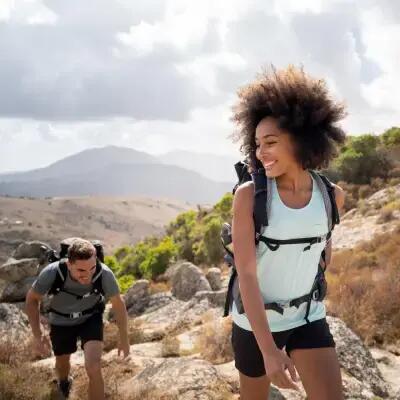
A good fit matters more than a big number on the label. Look for a padded hip belt that carries most of the load and adjustable shoulder straps. Try it on loaded before your trip so there are no surprises on the trail.
You have done day hikes and want to sleep out for the first time. Start with a short, well-marked trail and a campsite you can reach easily.
Sharing a tent and a cook set cuts weight for everyone. Split the load so the heavier items are spread fairly.
You already love camping and want to walk in. The big change is weight, so swap bulky comfort gear for packable versions.
| Item | Why it matters | Tip |
|---|---|---|
| Tent or shelter | Keeps off wind, rain and insects | Practise pitching it at home first |
| Sleeping bag | Holds your warmth through the night | Check the comfort rating against the forecast |
| Sleeping mat | Cushions and insulates you from the ground | Test it for slow leaks before you go |
| Backpack | Carries everything comfortably | Pack heavy items close to your back |
| Head torch | Frees your hands for camp jobs after dark | Pack spare batteries or charge it fully |
| Stove, fuel and pot | Hot food and drinks lift morale | Check local fire restrictions before you light it |
| Water and treatment | Keeps you hydrated on and off the trail | Treat water from creeks and streams |
| First aid kit | Handles blisters, cuts and small knocks | Check it is restocked after every trip |
Cover four things: shelter, sleep, food and safety. That means a tent, a sleeping bag and mat, a backpack big enough to carry it all, a way to cook or eat, water, a head torch, a first aid kit and warm layers. Add a map and a charged phone, and tell someone your plan and when you expect to be back.
It depends on how bulky your tent and sleeping bag are, so pack your kit first and then choose the pack. Most people find a mid to large trekking pack works for a night or two. Fit matters as much as size, so look for a hip belt that takes the weight off your shoulders.
Look at the comfort rating and choose one at or below the lowest temperature forecast for where you will sleep. Elevation, wind and clear skies can all make nights colder than you expect. If you tend to feel the cold, add a liner or a warm layer to sleep in.
Rules vary by park, season and fire danger rating, so always check local fire restrictions before you go. During total fire bans, open fires are not allowed and some areas restrict stoves too. Use your stove on stable, clear ground away from your tent and never cook inside it.
Pick a short, well-marked trail with a designated campsite, ideally one with water and toilets nearby. Check whether the campsite needs booking and read recent park alerts for closures. A gentle first trip lets you test your gear and learn what you would change next time.
Start with the essentials, keep the load light and choose an easy trail. We have everything you need to sleep well under the stars.
Free delivery on orders over $150. Members get our lifetime warranty.