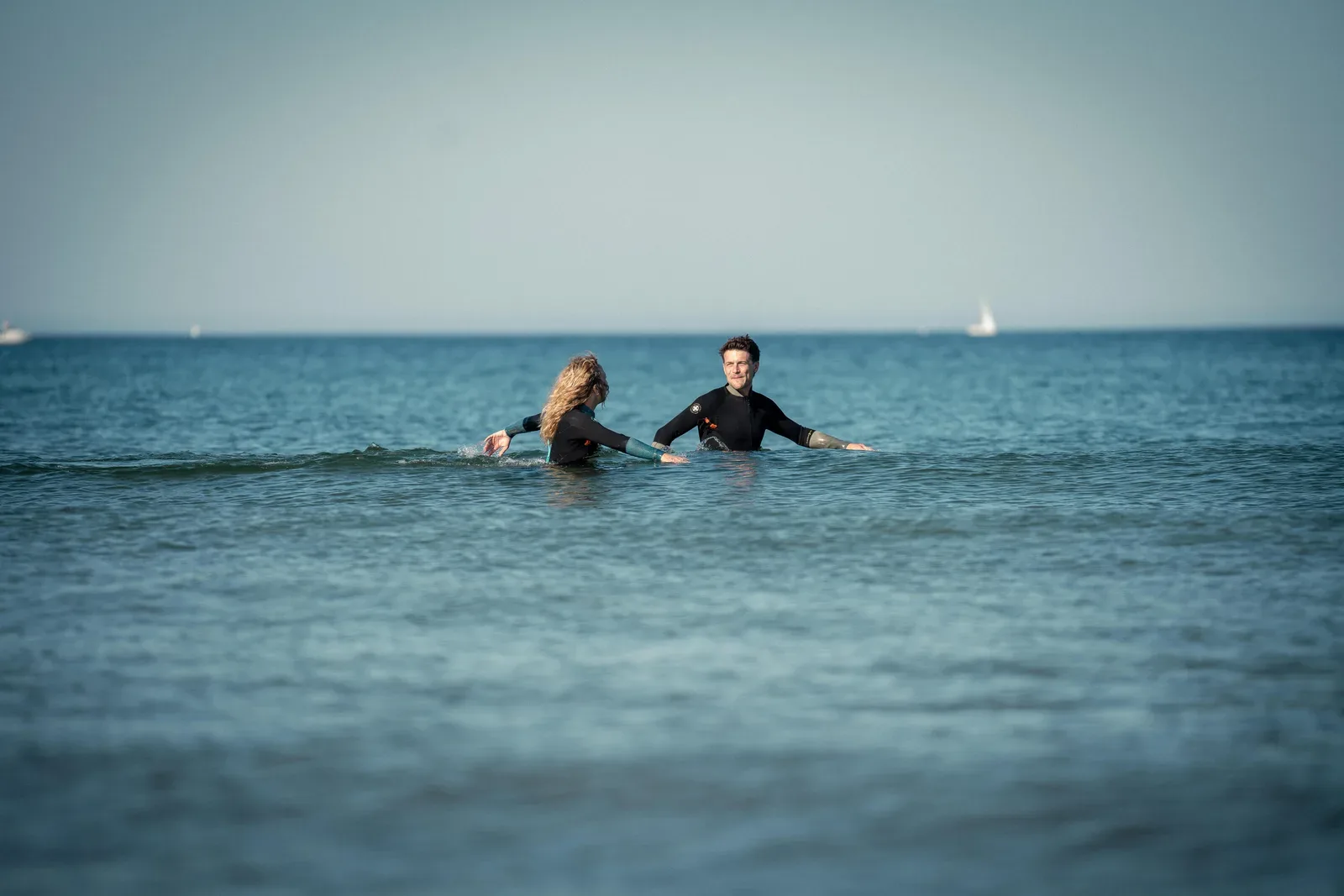
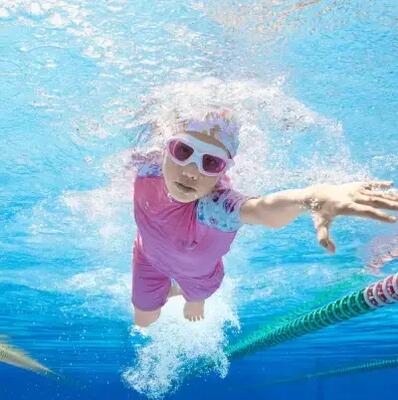
Pool swimmers heading outside
A few extra pieces make the step from lanes to open water feel calmer.
Open water feels very different from the pool, and the right kit makes it calmer and safer. We would start with tinted goggles, a bright cap and a tow float, then add what keeps you comfortable before and after.
The pieces we would pack, in the order we would buy them.
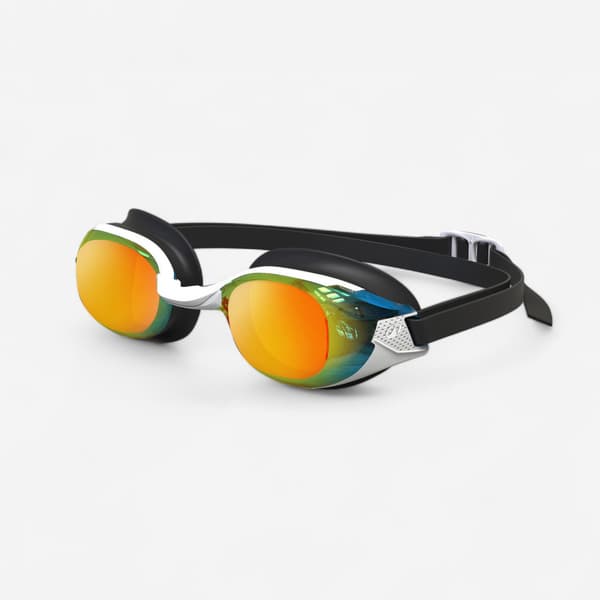
Mostly tinted, mirrored and polarised goggles for outdoor swims.
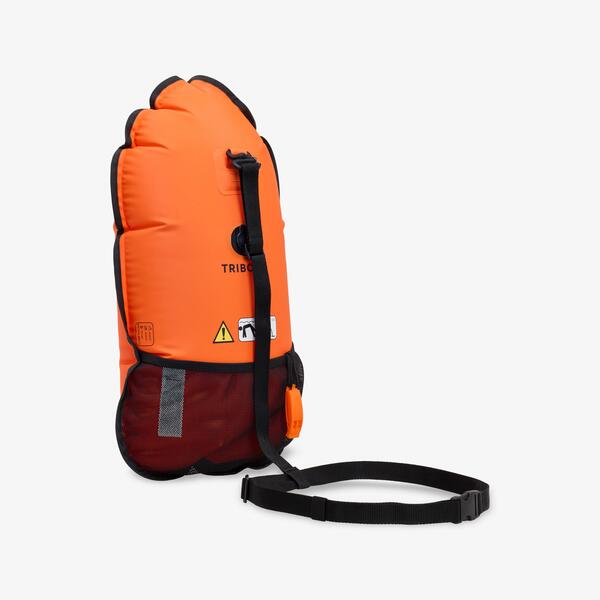
Bright tow floats, alongside a couple of pool floats.
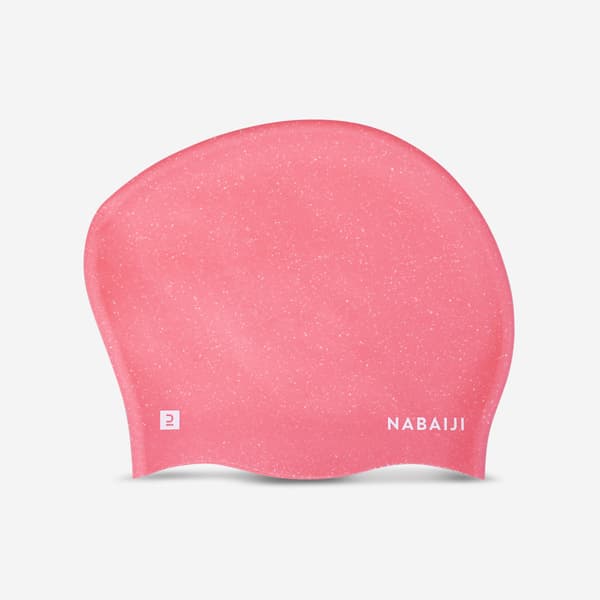
Silicone, fabric and mesh caps in plenty of colours.
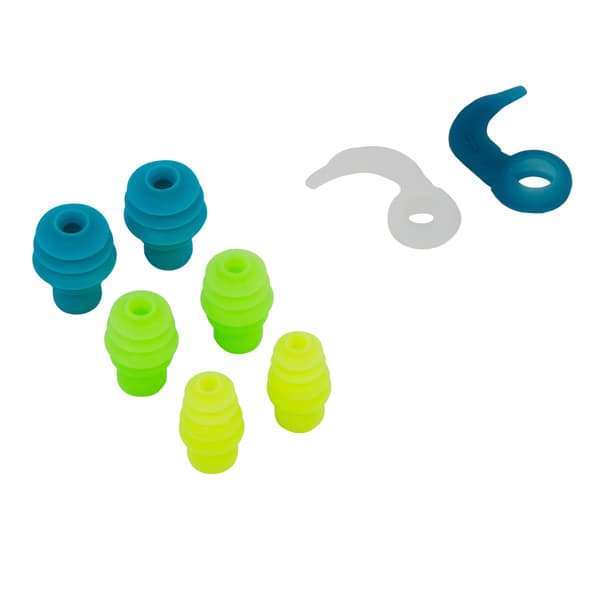
Ear plugs and nose clips to keep water out.
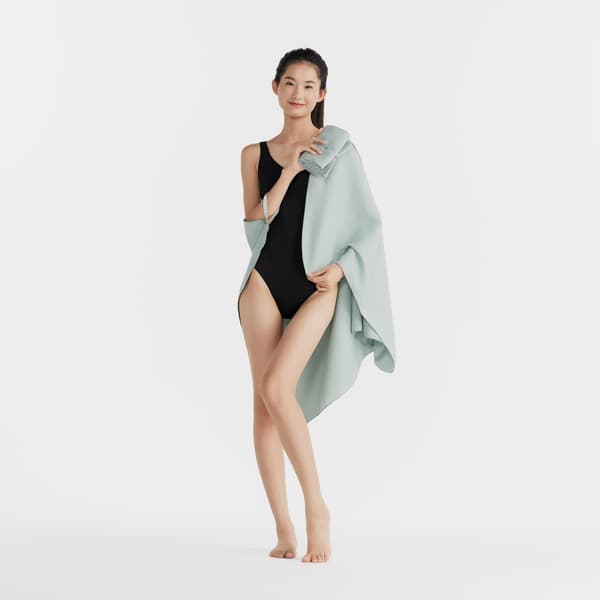
Swim towels, plus a few changing robes for afterwards.
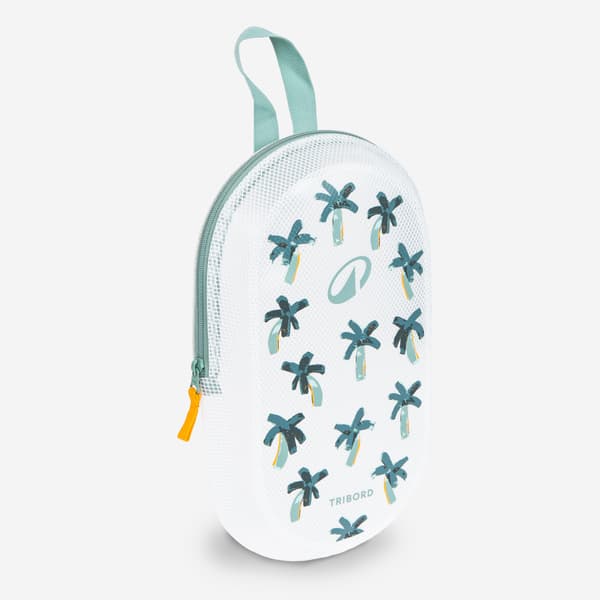
Swim bags, backpacks and waterproof pouches for your kit.
Mirrored or smoked lenses cut glare on bright, sunny water. Tinted lenses suit mixed light, and clear lenses help at dawn or on grey days.
A bright cap and a tow float help boats, lifeguards and friends see you. Pick strong colours like orange, pink or yellow rather than dark ones.
Goggles should seal gently without a tight strap, since leaks are harder to fix in waves. Try them in the pool before your first open water swim.
Open water can leave you cold once you are out. A large towel or changing robe lets you dry and change quickly on the beach.
A few extra pieces make the step from lanes to open water feel calmer.
Practising in race-style conditions helps you feel ready for the swim leg.
Good visibility and quick warm-up kit make early swims more comfortable.
| Item | Why it matters | Tip |
|---|---|---|
| Tinted goggles | Cut glare so you can sight ahead | Keep a clear pair for dull mornings |
| Tow float | Makes you easy to see | Clip it to your waist and let it trail |
| Bright swim cap | Adds visibility from a distance | Choose a strong colour over black |
| Ear plugs | Help keep cold water out of your ears | Fit them before you put your cap on |
| Towel or changing robe | Helps you warm up after your swim | Leave it where you can reach it fast |
| Swim bag | Keeps wet and dry kit apart | A waterproof pouch protects keys and phone |
It depends on the water temperature and how well you handle the cold. In warmer water many people swim in a regular swimsuit, while cooler water is where a wetsuit adds warmth and some buoyancy. If you are entering an organised swim or triathlon, check the event rules, as many set wetsuit rules by water temperature.
A tow float is mainly a visibility aid that helps others see you. Some swimmers hold one for a short rest, but it is not a life-saving device and should never replace swimming ability or supervision. Swim within your limits and close to shore while you build confidence.
Mirrored or smoked lenses are the usual pick for bright sun, as they cut glare off the surface. Tinted lenses are a good all-rounder for mixed light, and clear lenses suit early mornings or overcast days. Many regular open water swimmers keep two pairs so they can match the conditions.
Swim with others rather than alone, and choose patrolled beaches where you can swim between the flags. Check the conditions before you go in, including currents, wind and water temperature, and tell someone where you are swimming. Build your distance gradually, and get out early if you feel cold or tired.
Avoid touching the inside of the lenses, as most goggles have an anti-fog coating that wears off with rubbing. Rinse them in cool water before you start and dry them in the shade afterwards. If the coating has worn after lots of use, an anti-fog spray or a fresh pair usually solves it.
Start with the essentials, swim with others and build up gradually. When you want to add more, our full swimming range is here.
Free delivery on orders over $150. Members get our lifetime warranty.