Before and after work runners
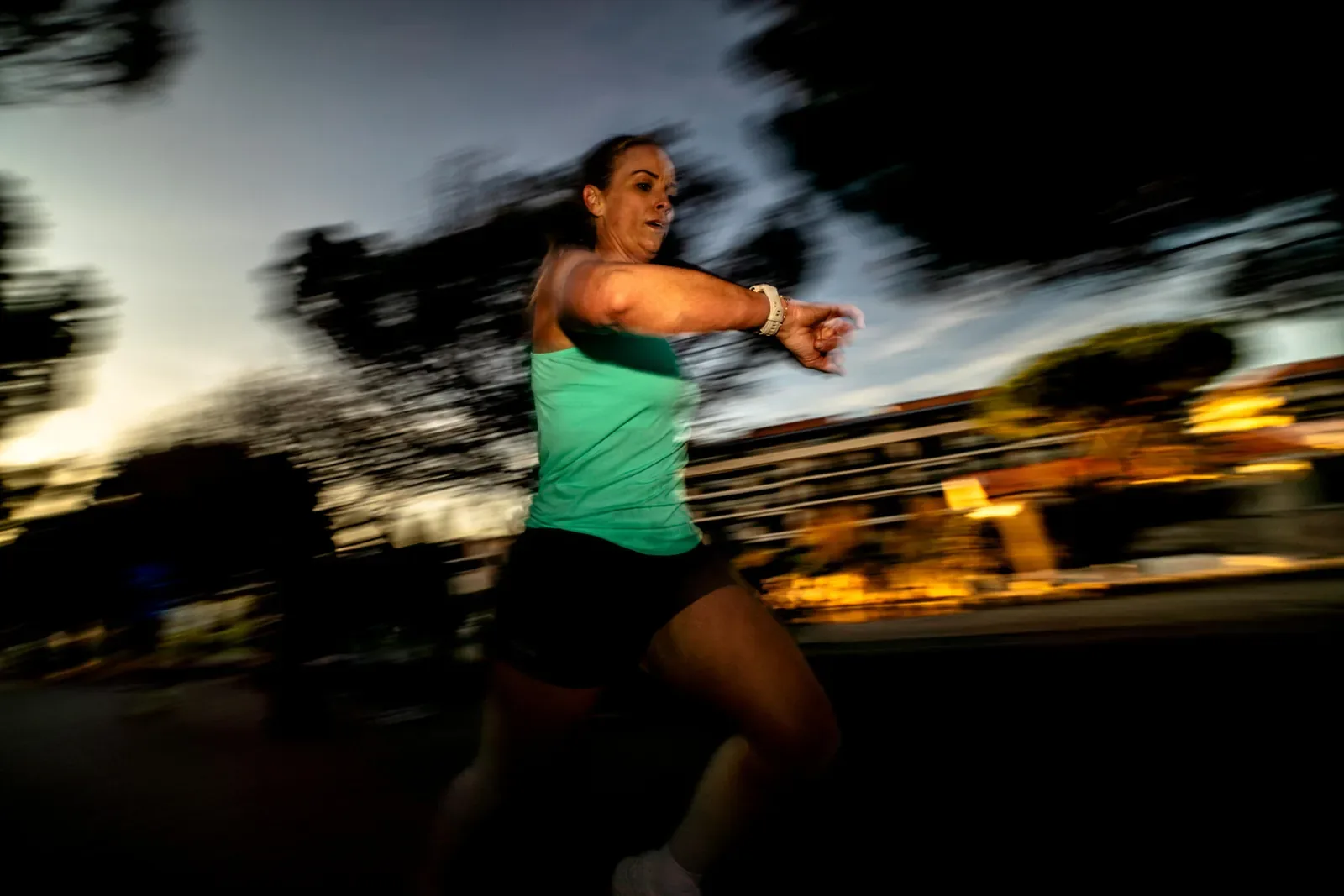
Winter mornings and evenings are often dark, so lights and bright kit become everyday gear.
Dark mornings and evening runs ask for a little extra thought. We would focus on two things first, seeing where you are going and making sure drivers and cyclists can see you.
The gear we would sort first for running in low light, in order of importance.
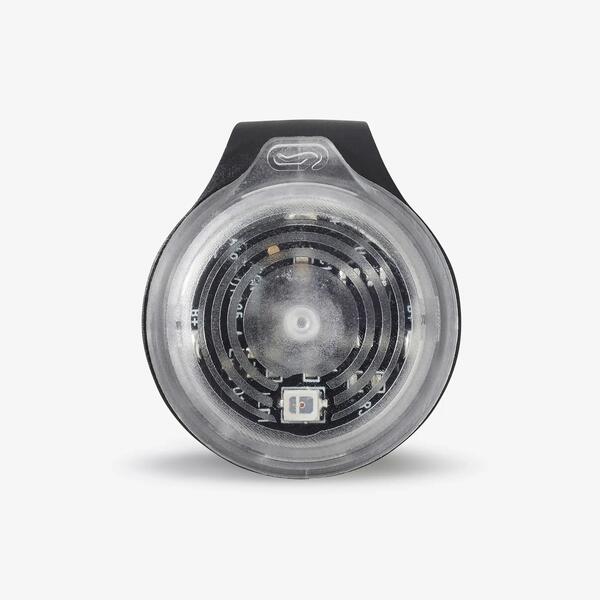
Headlamps and torches to light your path after dark.
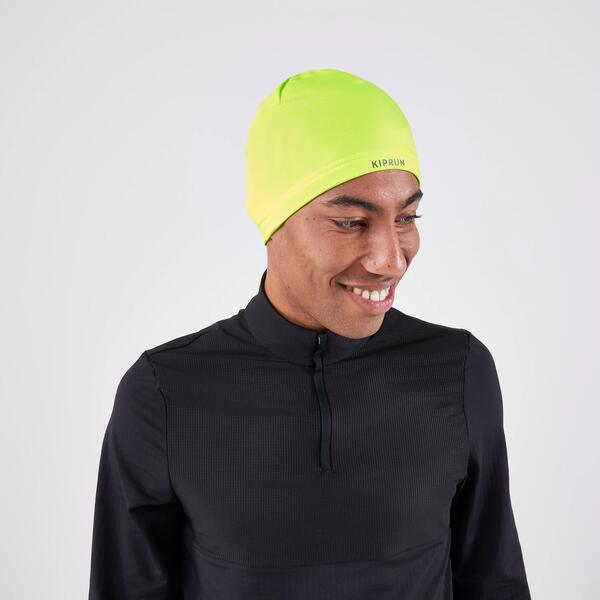
Bright and reflective tops, caps, vests and lights.
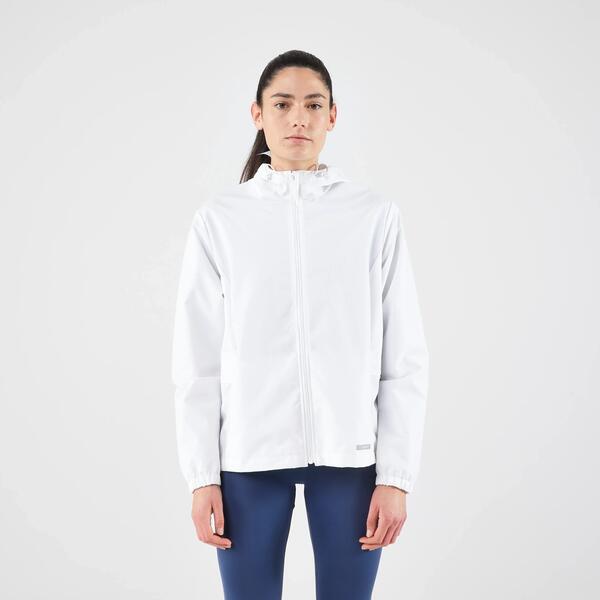
Wind and rain jackets for cool, dark runs.
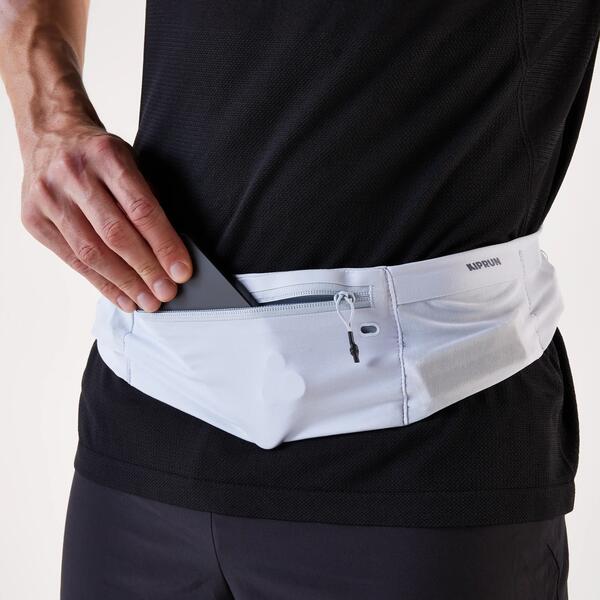
Belts and armbands to carry your phone hands-free.
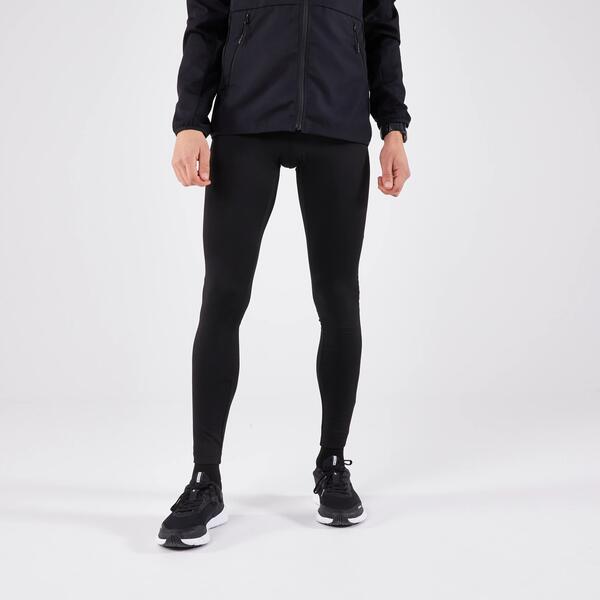
Tights, leggings and running pants, plus some shorts.
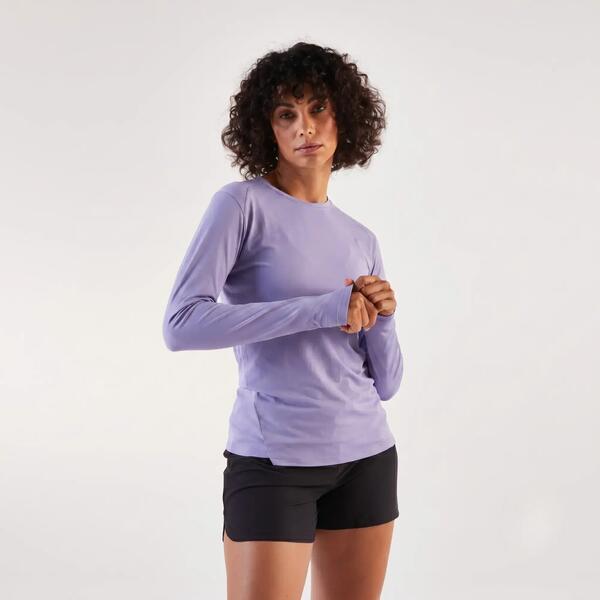
Short and long-sleeved tops to layer on cool nights.
A headlamp lights the path ahead on unlit tracks, while a small flashing light helps others spot you on lit streets. Charge or check batteries before every run.
Fluorescent colours stand out at dusk and reflective details shine back in headlights. Put them where they move, such as on your arms or legs.
A phone belt or armband keeps your hands free and lets you call for help if you need it. Some runners also share their location with someone at home.
It is often cooler after dark than when you set out. A light jacket or long sleeves you can tie around your waist keeps you comfortable.
Winter mornings and evenings are often dark, so lights and bright kit become everyday gear.
Group runs after dark are safer when everyone can be seen.
Unlit paths call for a good light to spot roots, rocks and kerbs.
| Item | Why it matters | Tip |
|---|---|---|
| Headlamp or light | Helps you see the ground ahead | Check the charge before you leave |
| High-vis top or cap | Helps drivers spot you sooner | Bright colours work best at dusk |
| Reflective details | Shine back in car headlights | Place them on parts that move |
| Running jacket | Blocks wind and rain | Choose a light colour for night runs |
| Phone belt or armband | Keeps help a call away | Share your route with someone at home |
| Running tights | Keep legs warm on cool nights | Layer up as temperatures drop |
Bright or fluorescent colours help at dusk, and reflective details help once it is fully dark and car headlights are on. Add a light so you can see the ground, and a layer for cooler temperatures. Dark clothing on its own makes you much harder to spot.
On unlit paths, trails and parks, a headlamp makes a real difference to seeing roots, kerbs and uneven ground. On well-lit streets, a small flashing light may be enough to help others see you. Many runners use both.
Where there is no footpath, running facing oncoming traffic lets you see vehicles coming and step aside if needed. Always follow local road rules and use footpaths and shared paths where they exist. Cross at lit, marked crossings where you can.
Combine bright colours, reflective details and a light. Reflective strips on arms and legs work well because movement catches the eye. Running with others and choosing well-lit routes helps too.
Tell someone your route and expected return time, carry your phone and choose familiar routes you know well. Keep music low or use one earbud so you can hear traffic and people around you. If a route does not feel right, change it.
A good light, bright layers and a phone on you make dark runs feel far more relaxed. Our full running range is here when you need more.
Free delivery on orders over $150. Members get our lifetime warranty.