Junior players
A simple list for families getting ready for a first season of club netball.
Netball season runs through the cooler months, and a little preparation makes every week easier. Here is what we would pack for training and game day, for juniors and adults alike.
The essentials we would sort before the first training, in order of importance.
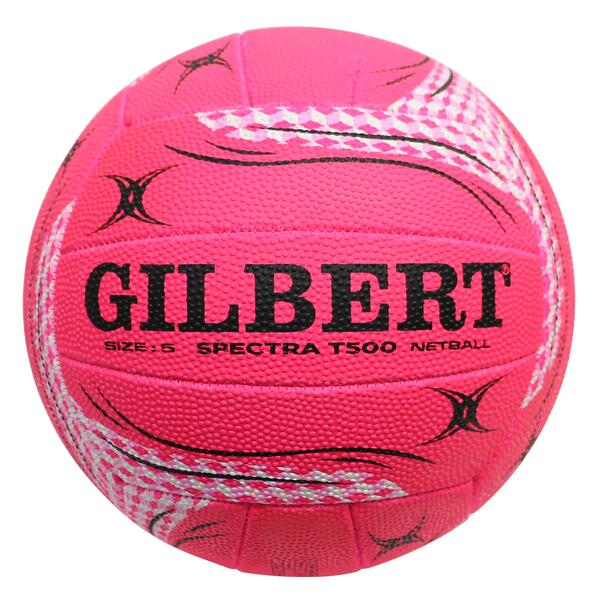
Match and training netballs, plus junior bib sets.
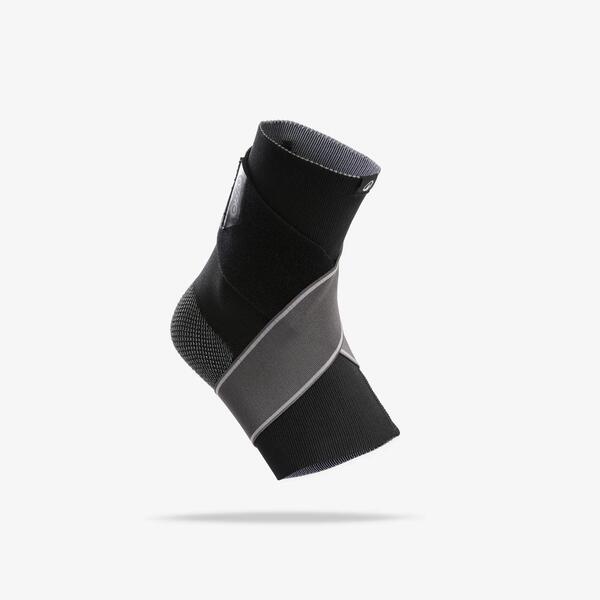
Ankle braces and knee supports for landing and pivoting.
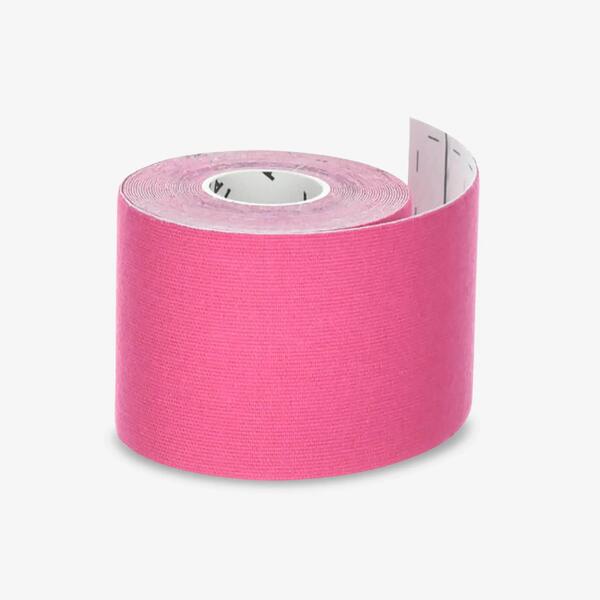
Kinesiology tape rolls, a pre-cut kit and support straps.
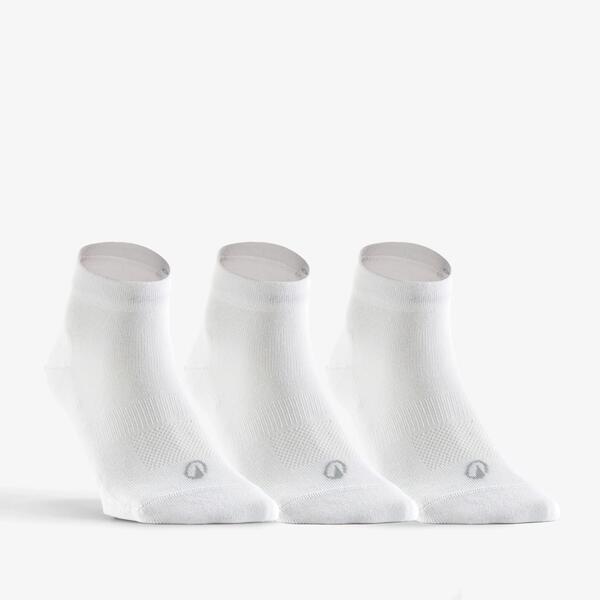
Sports socks in a choice of heights, many in multipacks.
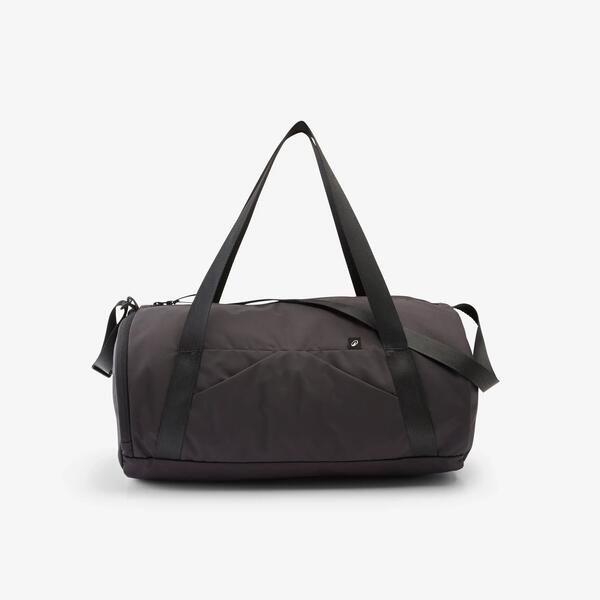
Sports bags, backpacks and shoe bags for training nights.
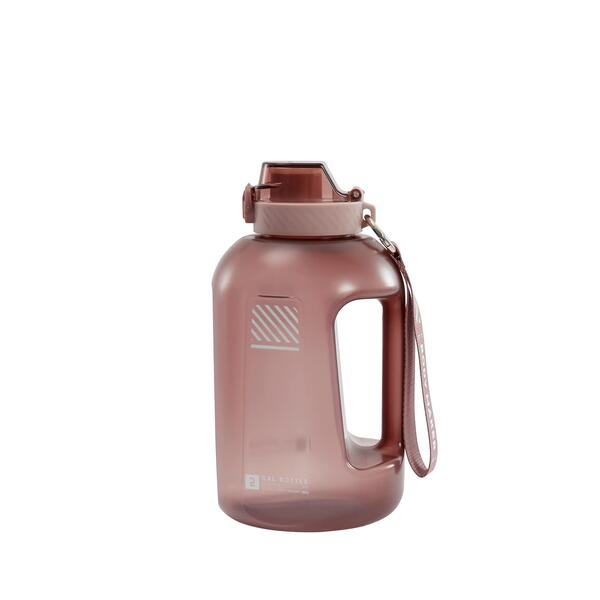
Reusable bottles in a wide range of sizes and styles.
Netball asks a lot of your feet, with sudden stops, pivots and landings. Look for court shoes with cushioning under the heel and forefoot, firm side support and a grippy sole, and choose non-marking soles for indoor venues.
Senior netball uses a size 5 ball, while many junior grades play with a size 4 and the youngest players often start smaller. Your club or association will confirm the size for each age group.
Cold muscles and quick changes of direction are a poor mix on a winter morning. Ten minutes of light jogging, dynamic stretches and landing practice before every session is time well spent.
It is easy to drink less when the weather is cool, but you still lose fluid through a game. Bring a full bottle, sip at every break and top up afterwards.
A simple list for families getting ready for a first season of club netball.
Support and strapping help returning players feel steadier while their fitness builds.
The basics that make a weekly game more comfortable from warm-up to final whistle.
| Item | Why it matters | Tip |
|---|---|---|
| Netball | Practise passing and shooting between sessions | Check the size for your grade |
| Court shoes | Grip and cushioning for stops and pivots | Look for firm side support |
| Ankle support | Extra stability after a past sprain | Ask a physio which level suits you |
| Strapping tape | Support for joints that need it | Apply to clean, dry skin |
| Sports socks | Comfort and fewer blisters | Pack a spare pair for wet days |
| Water bottle | Hydration at quarter and half time | Fill it before you leave home |
| Sports bag | Keeps kit and shoes together | A shoe pocket keeps the rest clean |
A netball for practice, court shoes with good grip and support, sports socks and a water bottle cover the basics. Many players also use an ankle support or strapping tape, especially after a previous sprain. Most clubs supply bibs and a team uniform, so check what yours provides before you buy clothing.
Senior and older junior players use a size 5 ball, many junior grades play with a size 4, and the youngest players often start with something smaller and lighter. A ball that suits their hands makes passing and shooting easier to learn. Your club or association will tell you which size each grade uses.
Running shoes are built mainly for forward movement, while netball involves sudden stops, pivots and sideways steps. A court shoe with firm side support, cushioning under the heel and forefoot and a grippy sole is a better match for the game. If you play indoors, check that the soles are non-marking.
Ankle sprains are one of the more common netball injuries, and a brace or tape can help some players feel more secure, particularly after a previous sprain. Neither replaces good landing technique, balance work and proper rehab. A physiotherapist can advise on the right support and show you how to use it.
Start with a few minutes of light jogging and side-stepping to raise your heart rate. Follow with dynamic stretches such as leg swings and lunges, then practise landing, pivoting and short sprints. Finish with some passing so your hands are ready, and allow a little longer on cold mornings.
With the basics sorted, you can focus on your game. When you're ready to explore more, our full team sports range is here.
Free delivery on orders over $150. Members get our lifetime warranty.